Tag Archives: flowers

British Wild Flowers: The Blackthorn

I was driving along the roads around her a couple of days ago and the blackthorn was in full bloom. It struck me that I’d not posted a British Wild Flowers post for ages.

So let me introduce The Blackthorn.
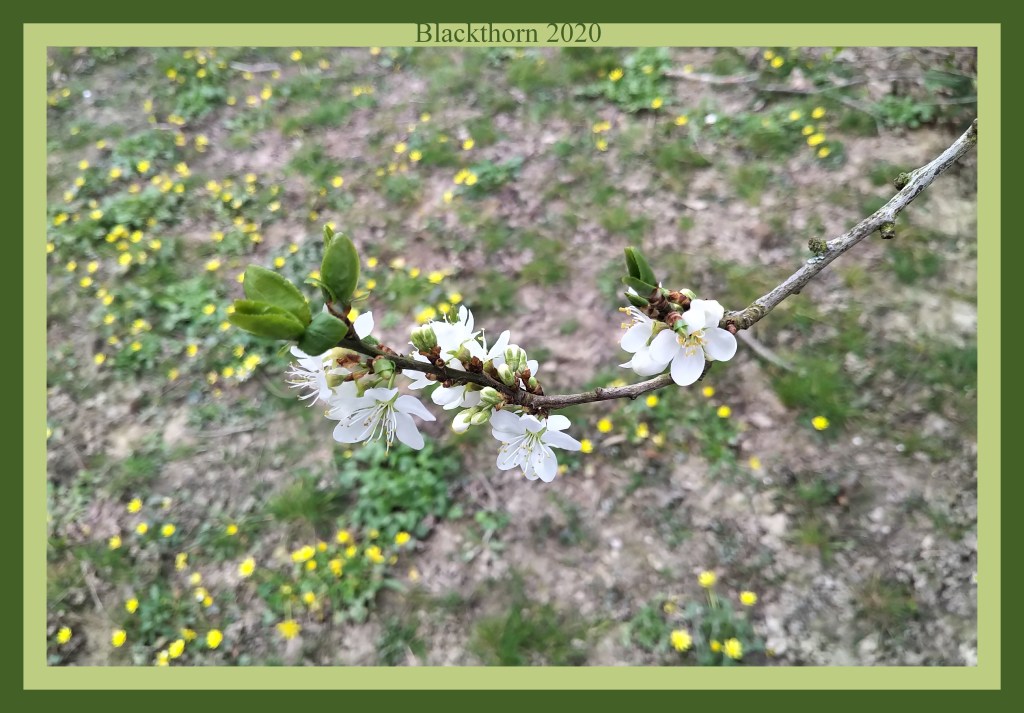
This tree is in flower right now. Large areas of white are visible in every hedgerow around here (East Sussex in the south east of the UK).

It is one of the earliest trees to bloom. I’m calling them trees because they can grow to four metres. Yes, that’s a smallish tree, but I think it’s bigger than a bush! However, because they are often found in hedges, they are trimmed and I’ve not seen a really tall one for ages.

They can live for 100 years, apparently.
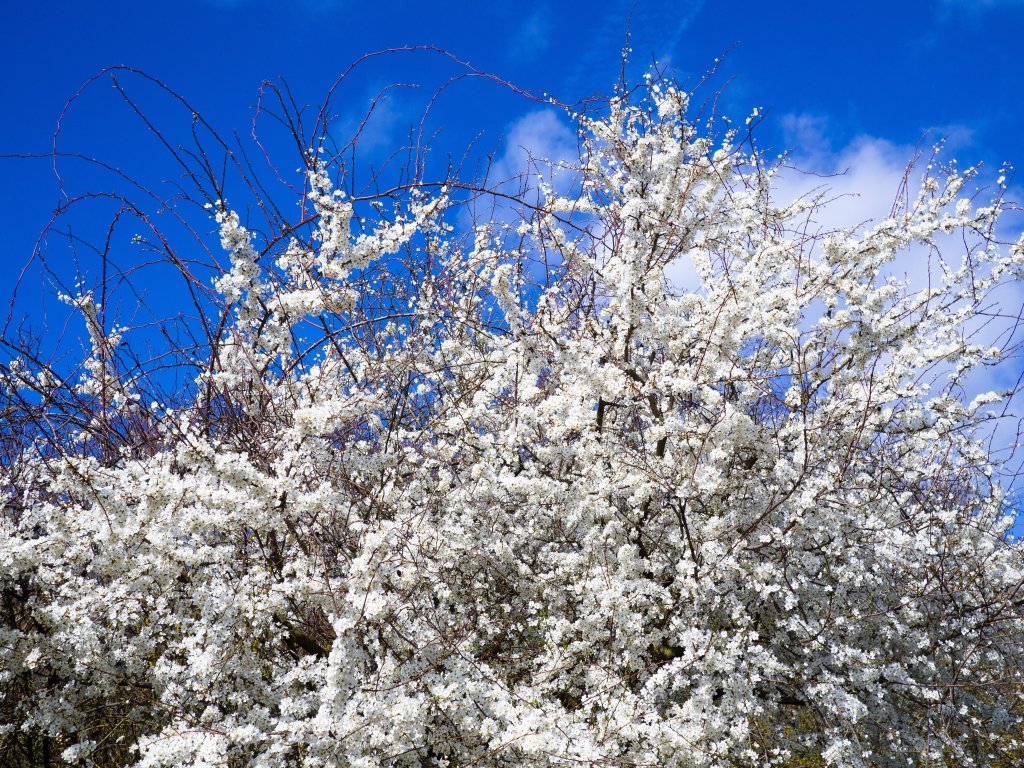
Image by Lenny Löwenstern from Pixabay

They are one of the earliest bushes to bloom in spring, usually around March. As such, they are very useful for insects to find nectar and pollen at this early time. The leaves are also the food for a number of butterfly caterpillars.

As the dense stems are very thorny, they provide an excellent nesting site for birds, and the caterpillars and other insects that eat it become an easy meal for them.

They have been associated with witchcraft and it was said that witches wands were made from its wood. More prosaically, it was used to make walking sticks and it is said to burn well.

In the past it was used to make tonics. Bark, flowers and fruits were used for these.

It belongs to the genus, prunus (Prunus spinosa), and is thus related to the cherry, plum, peach, nectarine, apricot and almond. Like them, it has a fruit containing a stone, but unlike them, you wouldn’t want to munch on them.
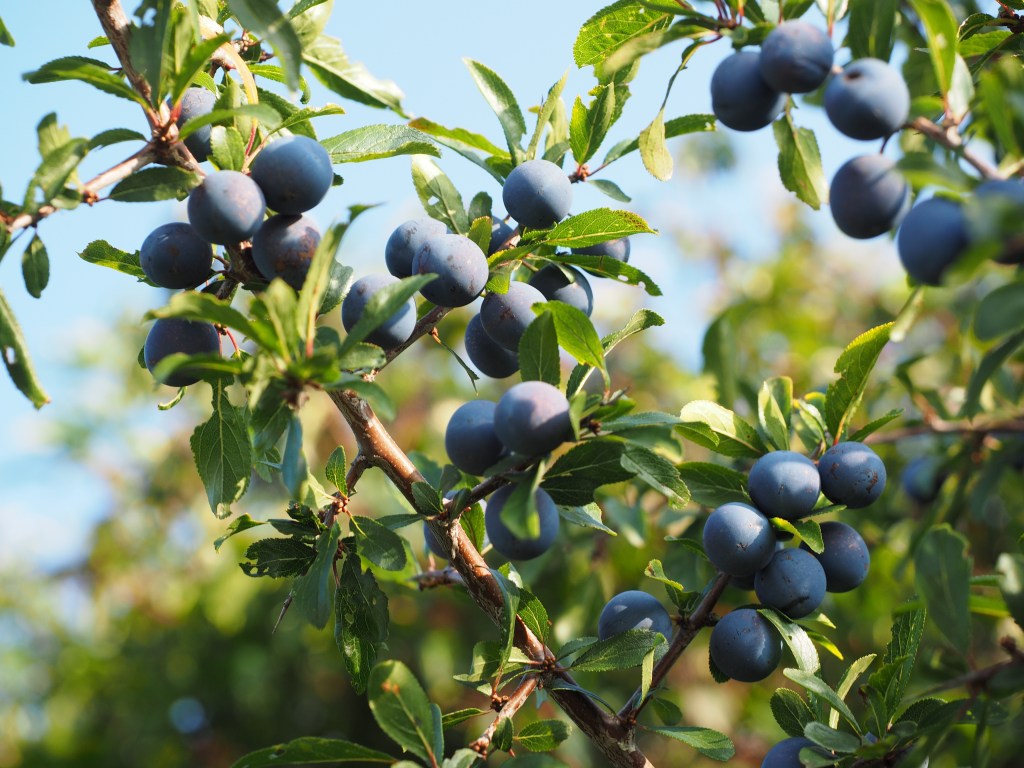
Image by Hans from Pixabay

The fruit is called a sloe. It is a small black fruit , but you wouldn’t want to eat it as it is because it’s very sour and bitter. However, when cooked, it is much more palatable. Sloes are often made into jam and sloe gin.

To make sloe gin, you need 500 ml gin, 250g of sloes and 250 g of sugar. and a 1 litre jar with a tight-fitting lid.

First prepare the sloes by cleaning them and pricking them all over with a fork. I believe that freezing them works, too. This is to break the skin so the juice can escape.

Add the sloes to the jar along with the sugar and gin. Shake it thoroughly. (Don’t forget to put the lid back on first!) Shake daily for the first couple of months, then weekly for about 3 months. Store it in a cool dark place.

The gin will have taken on a deep purple colour and the sugar will have removed the sour and bitterness from the sloes. When the time is over, decant the gin. You can filter it if you wish. Bottle it into clean dry bottles and store in a cool dry place. It continues to improve as it matures, and it’s best drunk after a year. (So prepare this year to drink next!)

Enjoy.

My mum made sloe gin from time to time, but her forte was damson gin. It was made in the same way, except she used damsons instead of sloes. I think that was even nicer!

Thanks to The Woodland Trust and Wikipedia for some of the details of this lovely plant.

There are some more unusual drink recipes in my recipe book, Viv’s Family Recipes, which you can get by clicking on the cover of the book in the sidebar. This book has some recipes dating as far back as 1909 and came from my grandma. Although not things we eat nowadays, long cooking and probably too much fat, it’s interesting to see what kind of things people used to eat.

Have you ever made sloe gin, or any other kind of unusual drinks? I would be interested to find out.
Lobelia Cardinale

A couple of years ago we went to South Wales on holiday. Imagine our delight to find we were just a stone’s throw from The National Botanic Gardens of Wales.

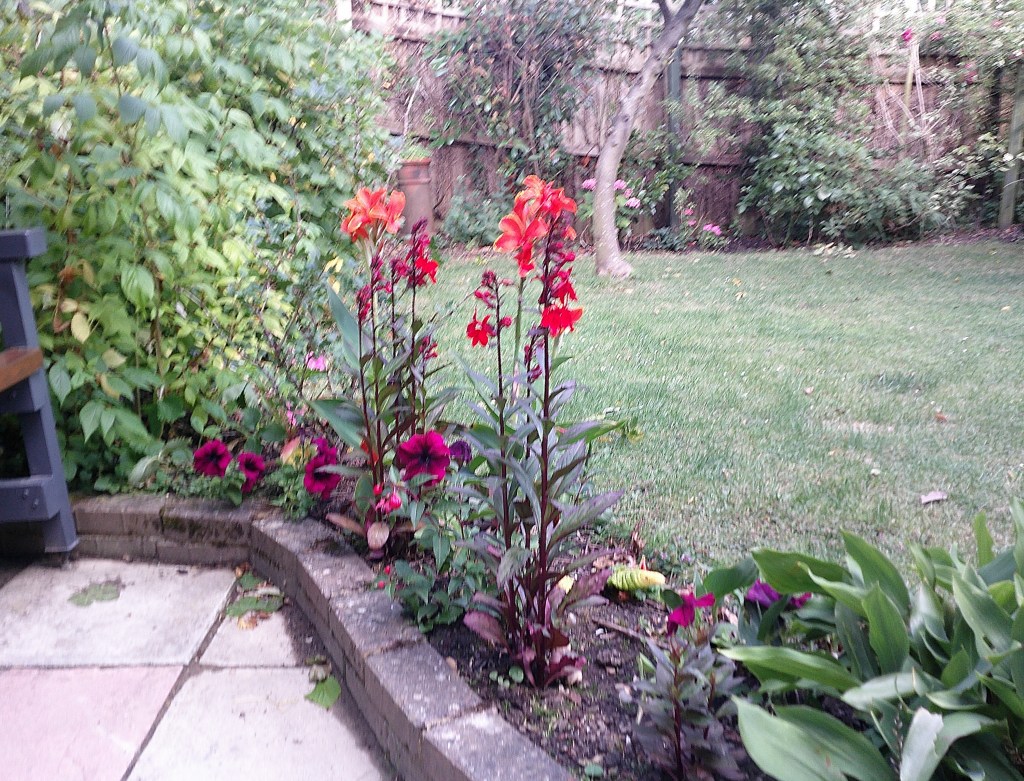
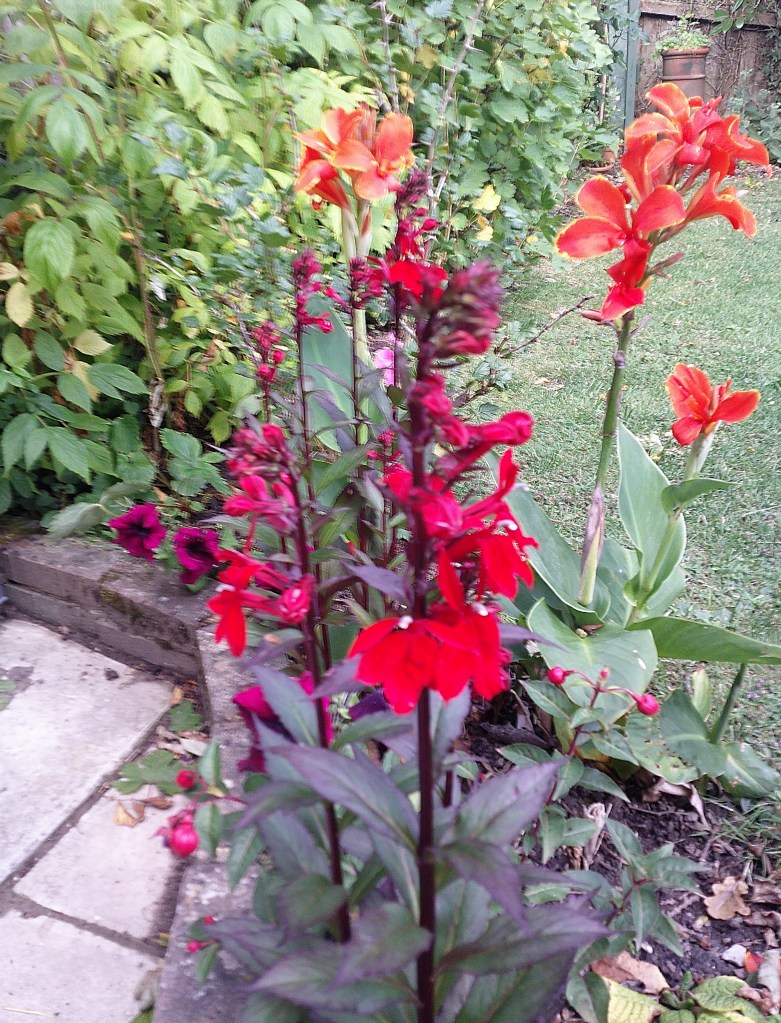
We actually went twice in the week we were there, and the second time came across the beautiful and stunning Lobelia Cardinale.

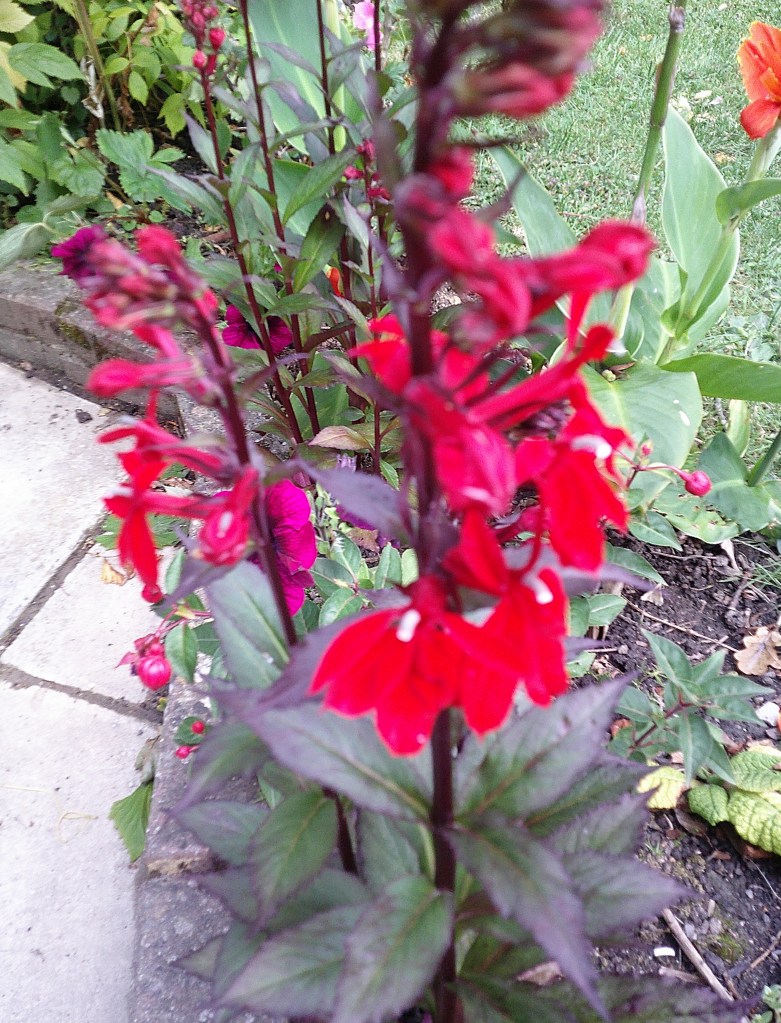
If like me, you thought lobelias were little blue flowers that people put in their hanging baskets to trail over the edge, be prepared for a surprise. These are tall and bright red!

We decided we would like to get some for our garden, and so I went online and found somewhere that sold them. We got 6 plug plants and nurtured them. One died and one was eaten by snails. That one regrew, to my delight when put in a pot separate from the others.

They grew and flourished the first summer, but did not flower, but this year, to our delight, they are magnificent. I promised to post some pictures, so here they are.

$CoMmEntˆ
$CoMmEntˆ
$CoMmEntˆ

I’m afraid the last two are not perfectly in focus. My camera was trying to focus on the farther shoots!

Do you know of this variety of lobelia? Please let us know your thoughts in the comments.

A visit to the National Botanical Gardens of Wales

Last September I had a holiday in South Wales. It was one that had been cancelled during lockdown, but now we could go on holiday once more.

The weather was fantastic, and two things pleased us. The first was that a leg of the Tour of Britain (cycling) was starting from the local town. The second was that The National Botanical Gardens of Wales was just down the road.

These gardens are in the Towy valley in Carmarthenshire. They were opened in 2000 on the site of a mansion belonging to a family called Middleton. They built their mansion here in the early 17th century. It was bought in 1789 by Sir William Paxton, who had the idea of turning it into a water park.

There is a lot of history to this place, and you can find out more on Wikipedia, by following this link. https://en.wikipedia.org/wiki/National_Botanic_Garden_of_Wales

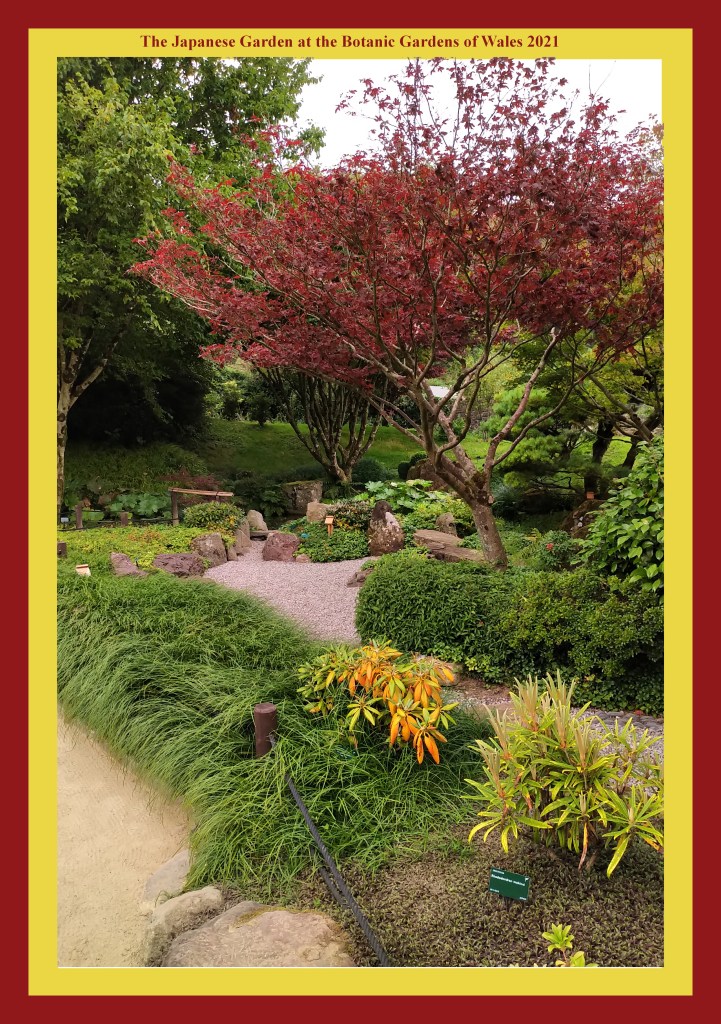
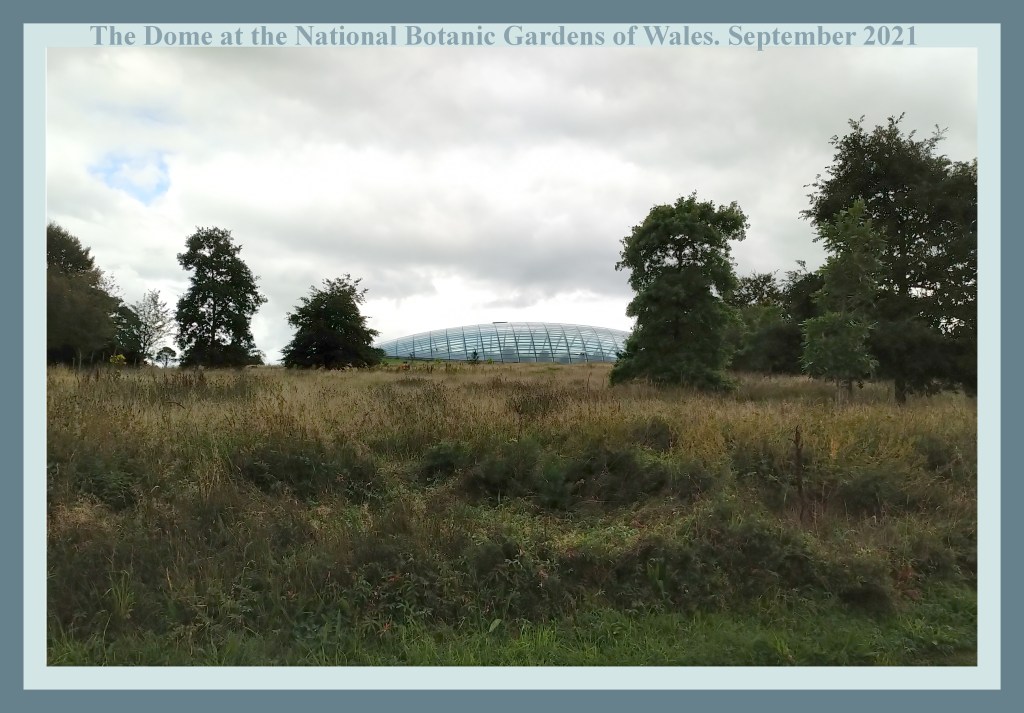
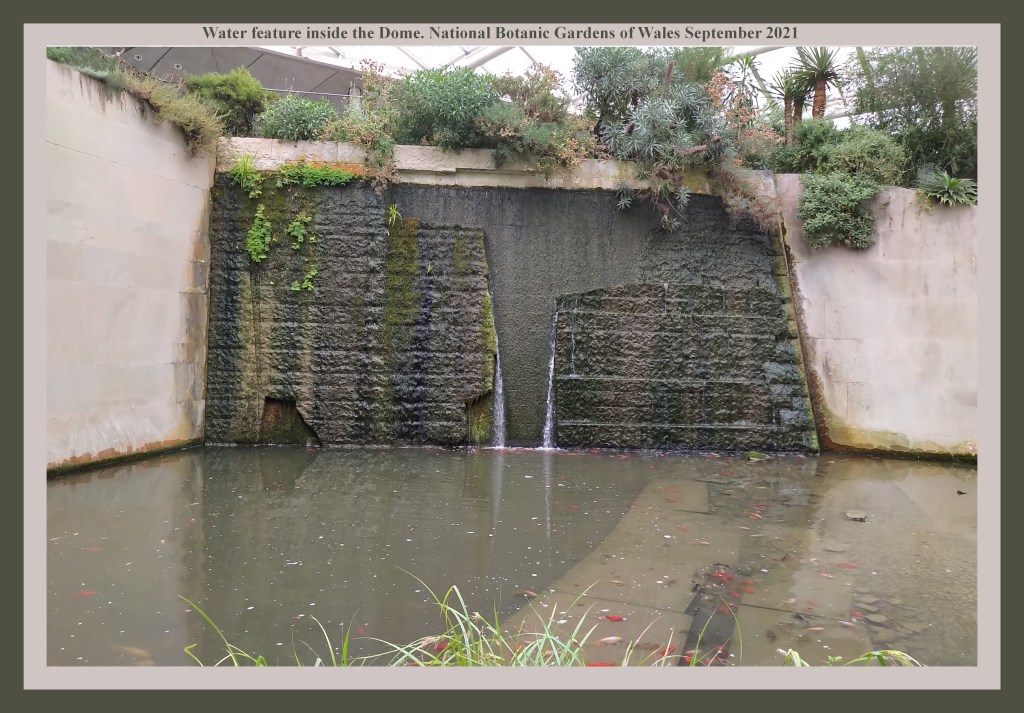
We visited these gardens twice, and I thought I would share some of the pictures I took with you.

Here they are.

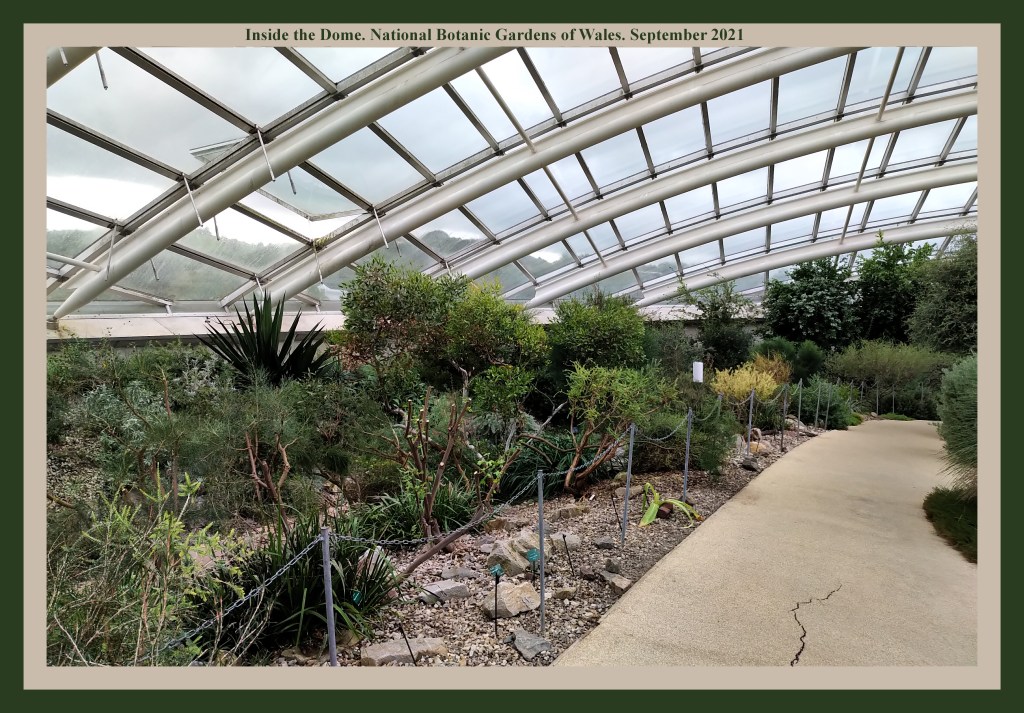
The Dome was divided into areas representing different parts of the world.

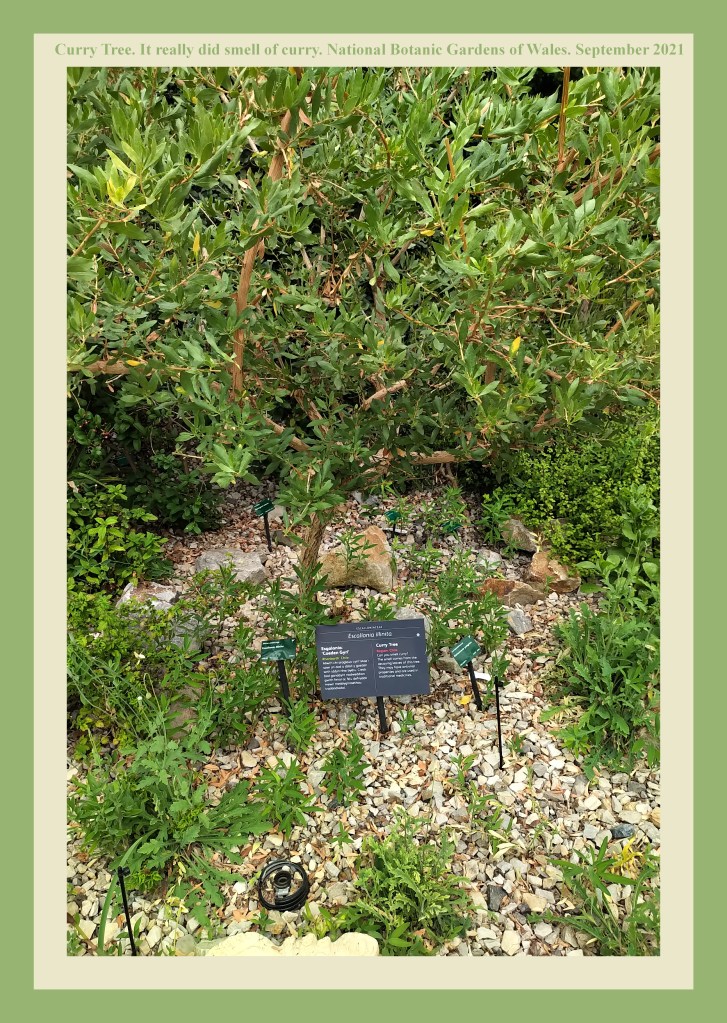
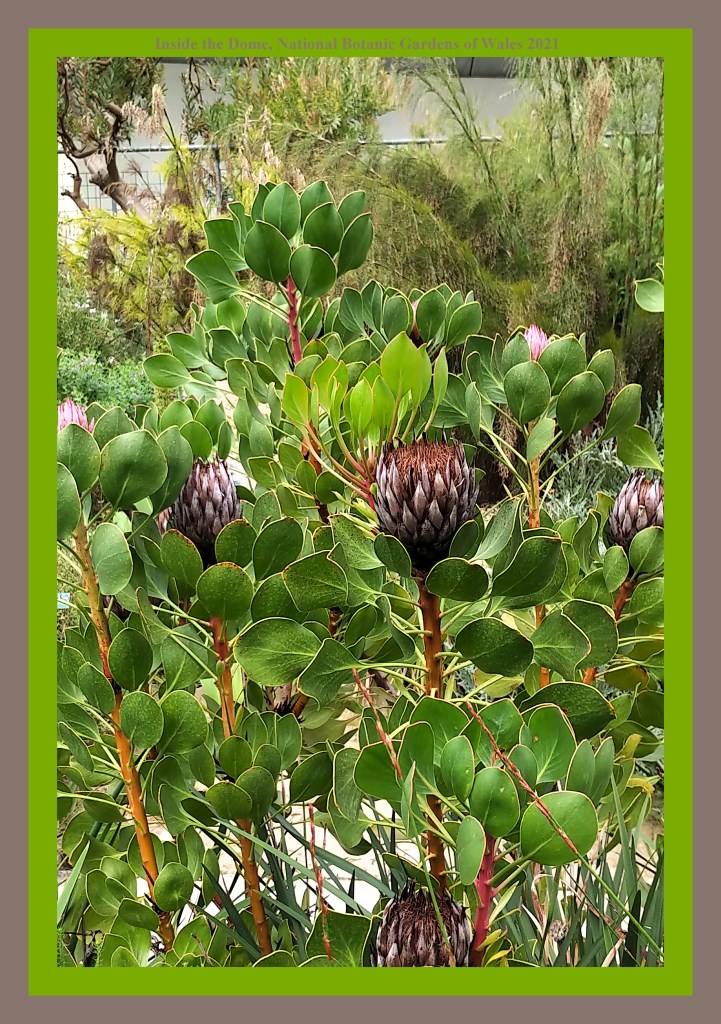
I don’t know what this plant is, but it’s interesting.

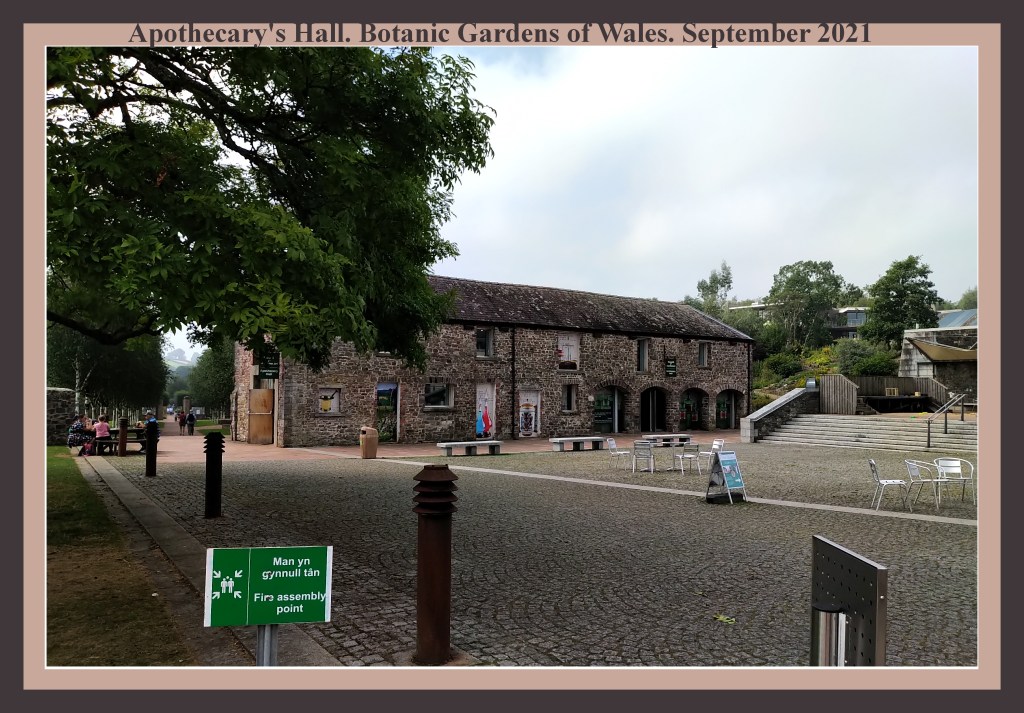
This was the apothecary’s hall with an interesting apothecary’s garden behind.

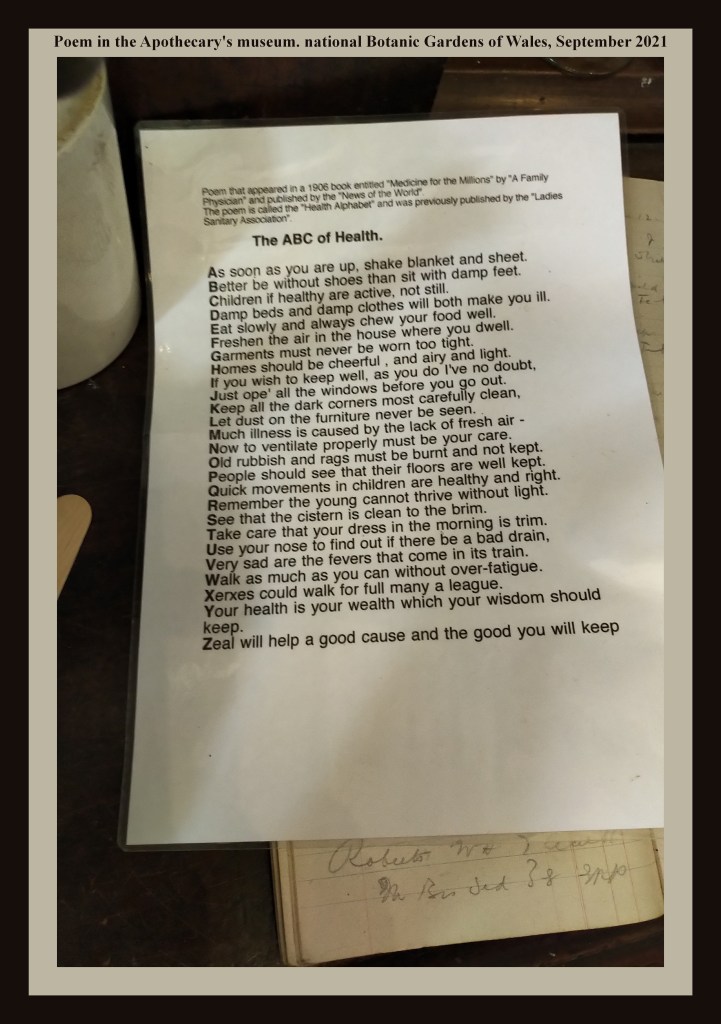
I was intrigued by this poem. Sadly, I didn’t take any photos of the garden behind the hall.

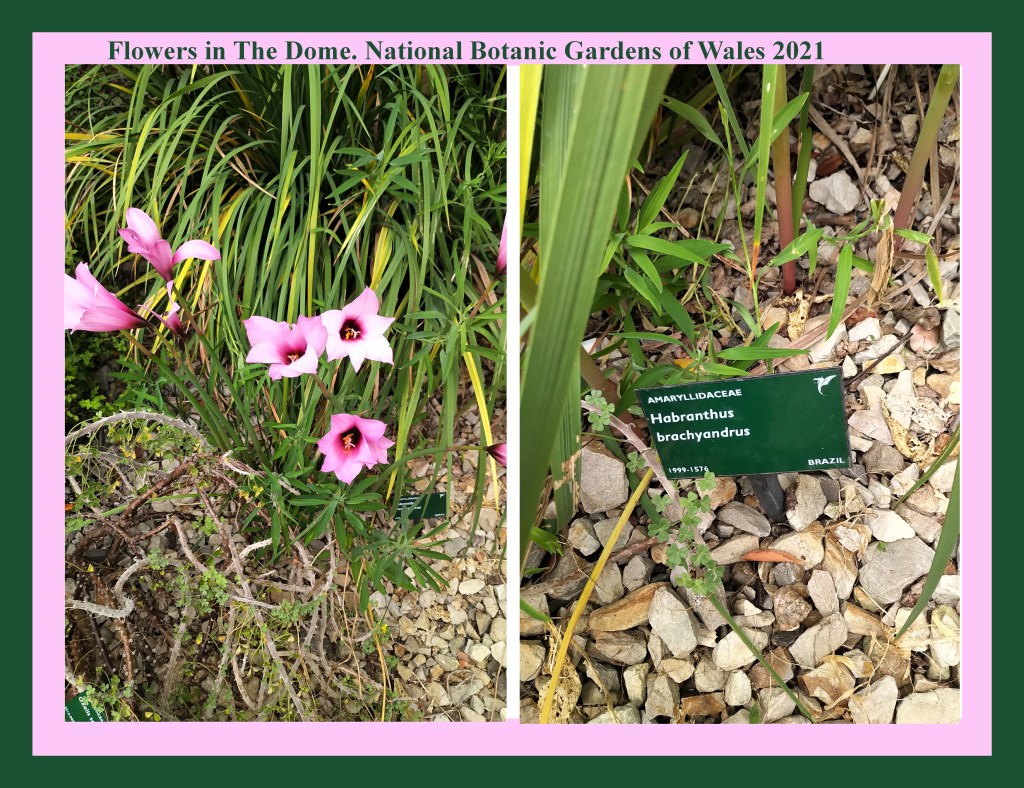
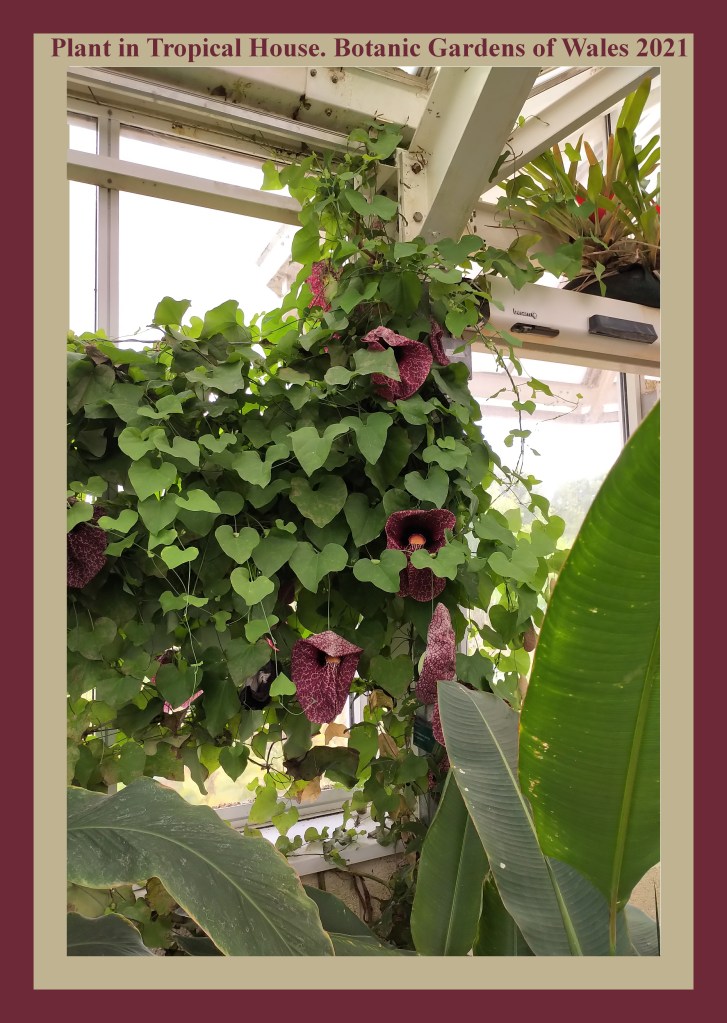
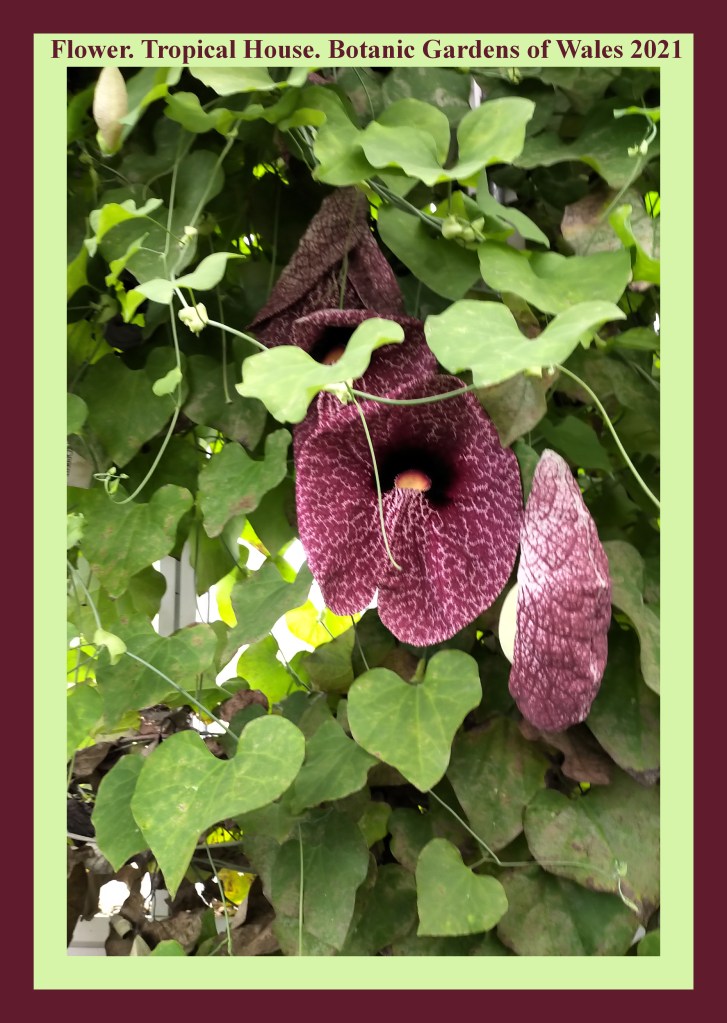
In the tropical house there were many plants in flower. Here are some of them.

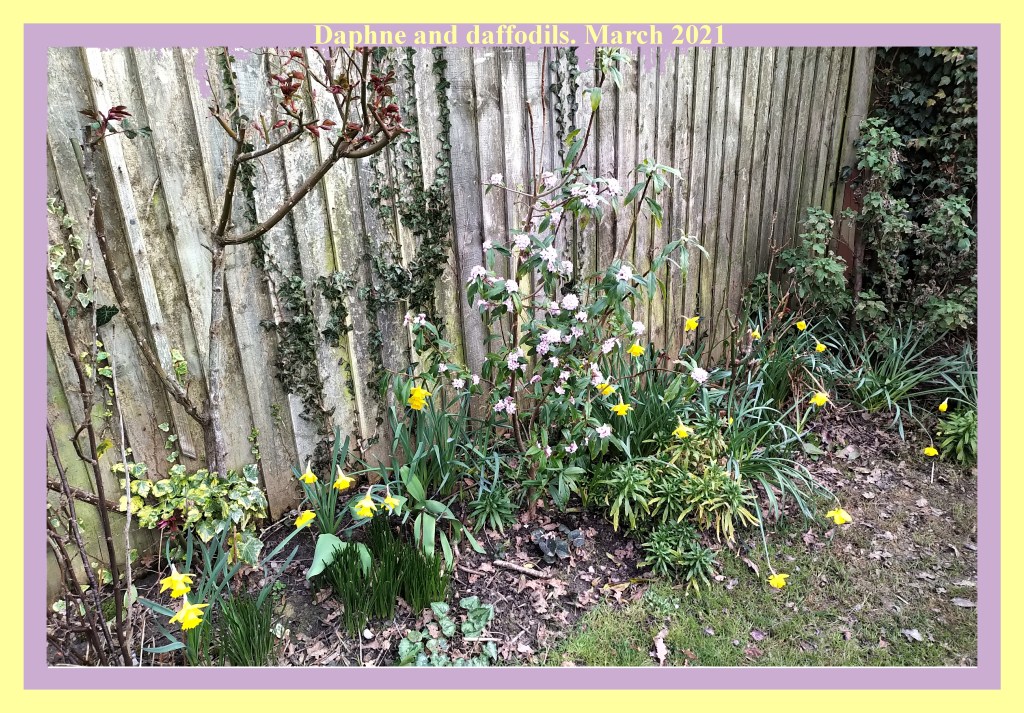
And finally, not from Wales, but my garden. It’s a pity I can’t post the scent of the daphne bush. It’s wonderful. This was last year, and it’s even better this year.

I love to hear your thoughts, so please add your comments to the comments box.

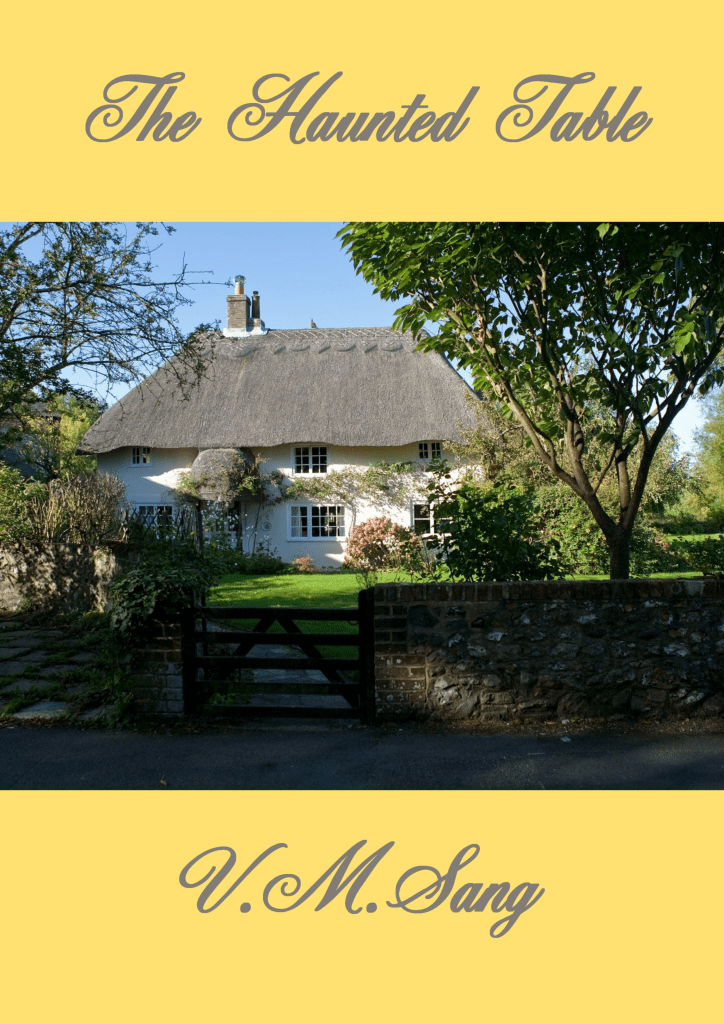
If you would like to receive an exclusive, free short story by me, called The Haunted Table, simply click the link. This will take you to the page where you can download it.

Maria and Tom have bought an antique table for the old cottage they have bought. When they hear strange noises in the night that sound like crying, they worry their house is haunted, but the sounds seem to come from the table.

They set about trying to find what is causing the disturbances. The answer is stranger than either of them had thought.

(Clicking the link will add your email address to my email list, but don’t worry, you can unsubscribe immediately if you wish. Nor will you get any spam. I only send out an email each quarter, or if I have any exciting news–like a new release.)

If you would like to receive an exclusive, free short story by me, called The Haunted Table, simply click the link. This will take you to the page where you can download it.

Maria and Tom have bought an antique table for the old cottage they have bought. When they hear strange noises in the night that sound like crying, they worry their house is haunted, but the sounds seem to come from the table.

They set about trying to find what is causing the disturbances. The answer is stranger than either of them had thought.

(Clicking the link will add your email address to my email list, but don’t worry, you can unsubscribe immediately if you wish. Nor will you get any spam. I only send out an email each quarter, or if I have any exciting news–like a new release.)