Tag Archives: wild flowers

British Wild Flowers: The Scarlet Pimpernel

Many of you will have heard of the book by Alexander, Dumas, The Scarlet Pimpernel. This story told of a British aristocrat who rescued French aristocrats in the Revolution. He got his name because he took as his emblem a simple, small red flower.

This flower is also known as Poor Man’s Weathervane, or, according to the Wildlife Trust, Old Man’s Weathervane, or Shepherd’s Weathervane, but where I come from originally, it was Poor Man’s Weathervane!

This simple little flower got its name because it closes its petals when the pressure falls, and bad weather is on the way.

It is a pretty little flower that was once a weed of cereal crops, is now in decline because of the way farmers now farm the land, spraying crops with herbicides to maximise their yield. It is now found mainly in gardens and roadside banks, and other waste ground.

It is easily overlooked because of its small size, which is a pity, because it’s a pretty little flower.

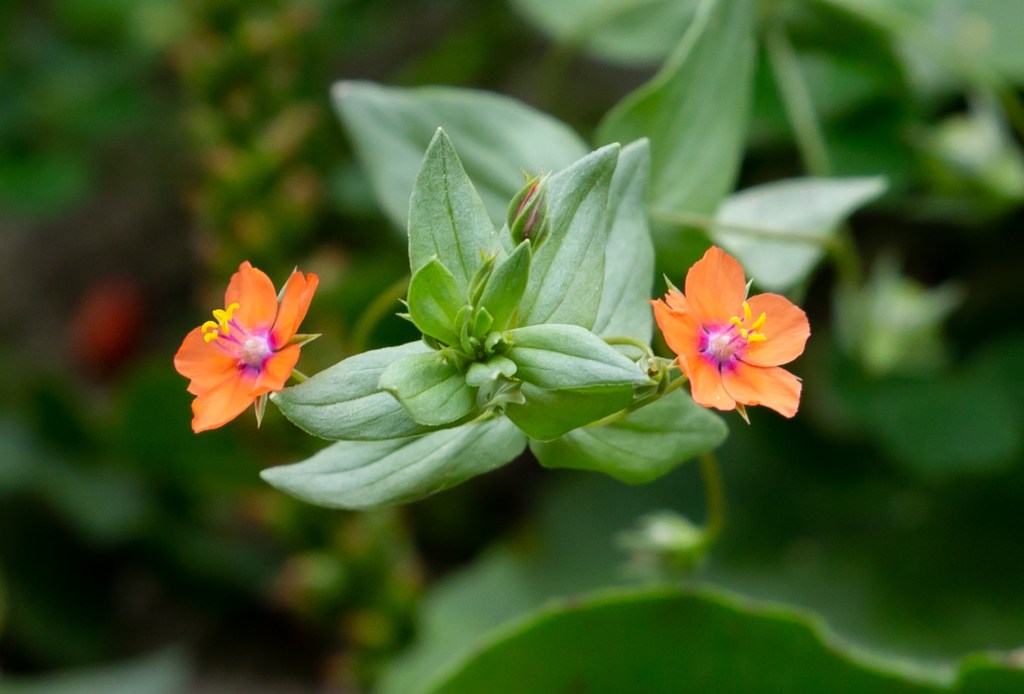
The picture, which I got from Pixabay, makes it look larger than it is in real life. The flowers are only about 1 cm across. I think it’s a lovely little flower and I hope it doesn’t decline further.

I have one small plant in my garden that comes back each year, and I hope it stays. I don’t think of it as a weed, because a weed is a plant growing where you don’t want it, and I want this wild, little beauty.

Do you have a favourite wild flower? If so, what is it? Where does it grow?

Please leave your comments and answers in the comments box.

If you would like to receive an exclusive, free short story by me, called The Haunted Table, simply click the link. This will take you to the page where you can download it.
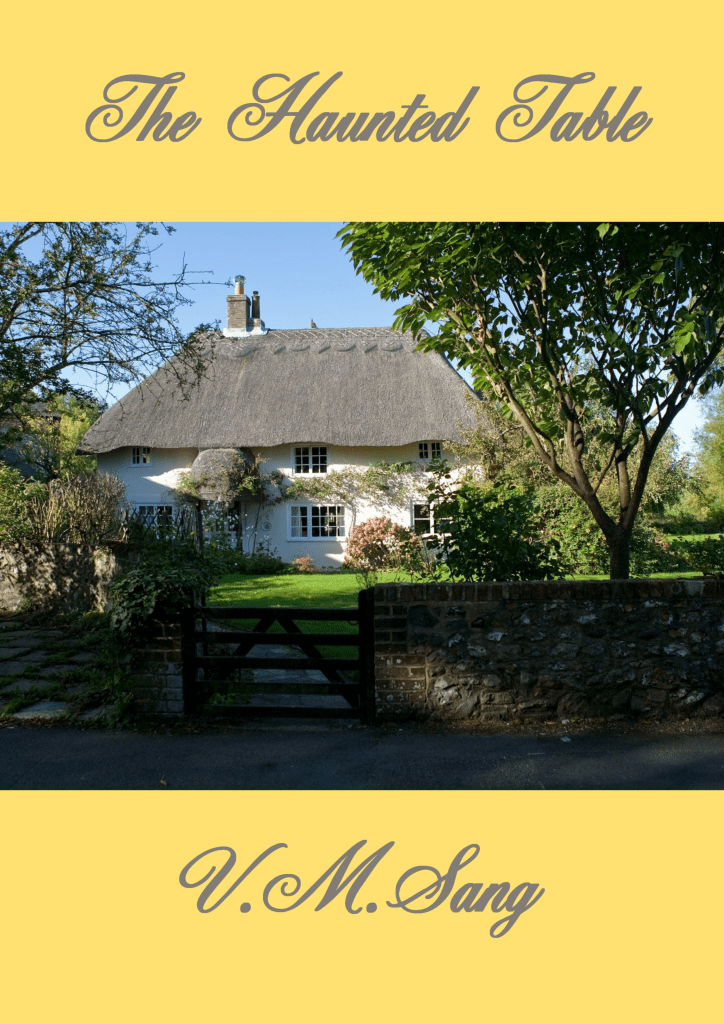
Maria and Tom have bought an antique table for the old cottage they have bought. When they hear strange noises in the night that sound like crying, they worry their house is haunted, but the sounds seem to come from the table.

They set about trying to find what is causing the disturbances. The answer is stranger than either of them had thought.

(Clicking the link will add your email address to my email list, but don’t worry, you can unsubscribe immediately if you wish. Nor will you get any spam. I only send out an email each quarter, or if I have any exciting news–like a new release.)
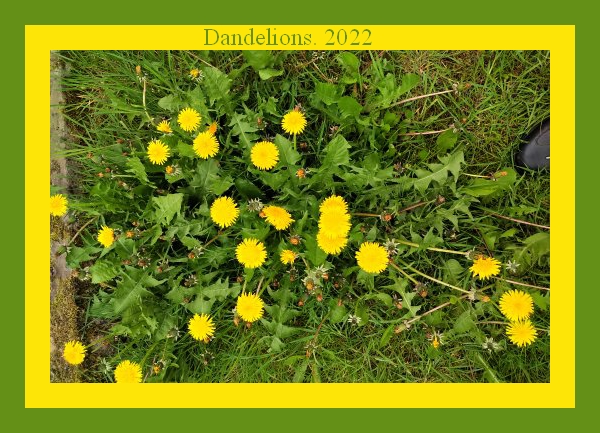
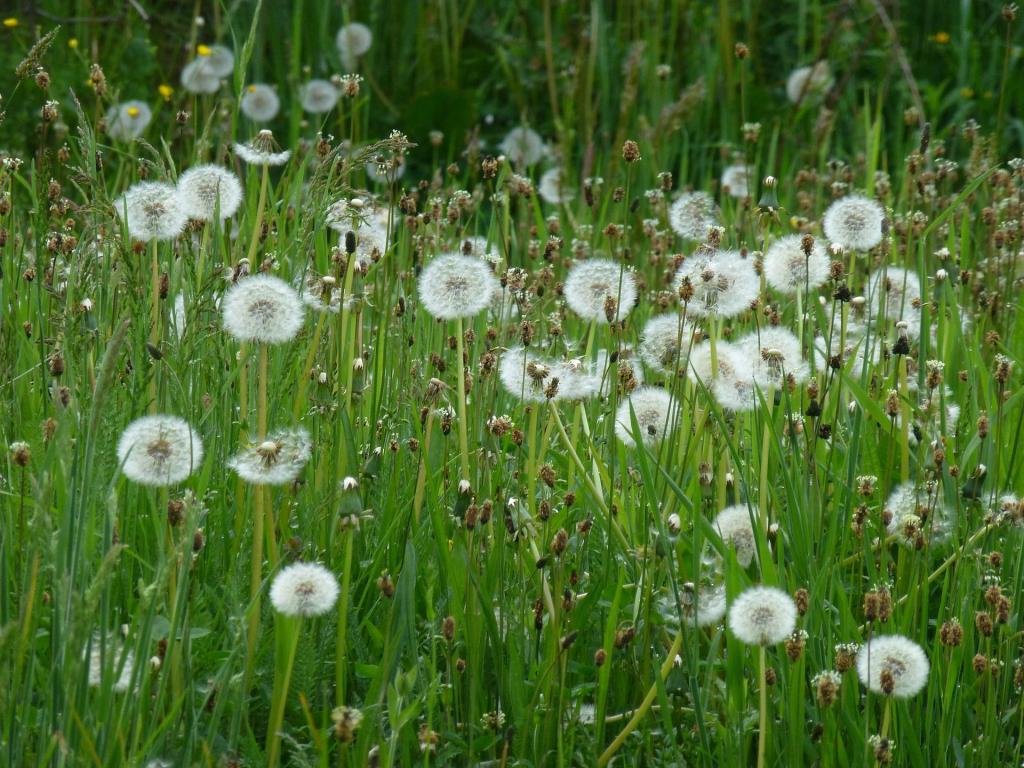
Wild Flowers of Britain. 1. The Dandelion

Some people will refer to these plants as weeds. But what is a weed? Grass growing on your lawn is not a weed, but if it grows between your beloved flowers in the flowerbed, then it is.

In the above case, the grass is growing where you don’t want it, hence it’s a weed. So a weed is any plant growing where it’s not wanted.

I have, in the past, bought plants from garden centres and put them in my garden. Sometimes I regretted it as they wanted to take over the whole garden, even though they might be pretty. They have become weeds.

A weed is a plant growing in the wrong place.

So here are a few wild flowers, not growing in the wrong place!

The first of these is one that is often disparaged, and called a weed wherever it grows. That’s the Dandelion.

These plants are so-called from the French, ‘dent-de-lion’, meaning ‘lion’s tooth’. If you look at the leaves, you can see how this name came about. However, the French call it ‘piss-en-lit’ or ‘wee the bed.’

When I was growing up, we told each other not to pick dandelions or we’d wet the bed. There is a miniscule truth in this as the sap of the plant has diuretic properties.

I also believe that the leaves make a spicy addition to a salad, but I’ve never tried it myself.

When we were growing up, we used to call the seed heads ‘Dandelion clocks’. We blew the seeds of, counting ‘one o’clock, two o’clock etc’ until all the seeds were gone. then that was the time. We never really believed it, but it was a fun thing to do. And it helped spread the dandelion seeds.

Personally I like dandelions. They are lovely flowers, and make a bright carpet in the springtime on roadside banks.

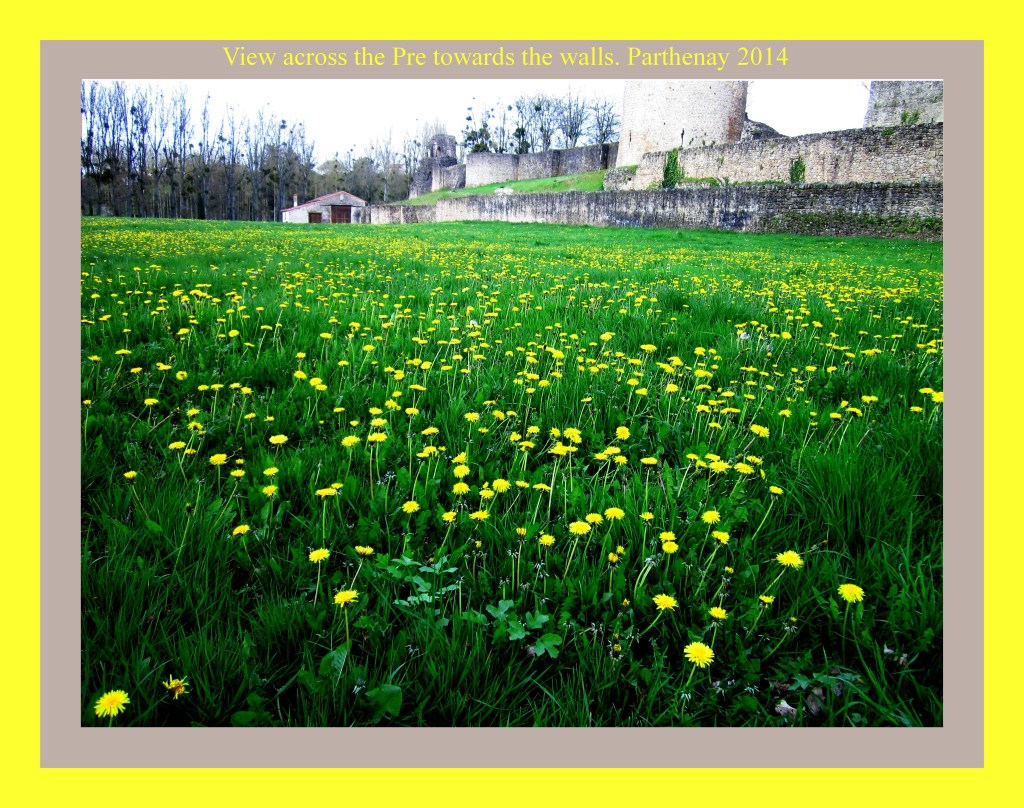
Here is a picture of a field of dandelions in Parthenay, France, just outside the walls.

I have a vague memory of being told that during WW2, people used to make coffee from the long tap roots. It would certainly be caffeine free! Anyone who has ever tried to dig up a dandelion can testify to those roots!

Dandelions, though, have a high propensity for absorbing things around them, that includes weedkillers and pesticides, as well as heavy metals such as lead, so it is as well not to eat them from anywhere near roads, or places where herbicides and pesticides can be absorbed.

Wikipedia tells me that dandelion flowers were used to make a pale yellow dye, and the inner ribs of the leaves made a purple one.

They can self-pollinate, which is useful for them as they flower early, so they can pollinate themselves before insects are around, but their bright yellow flowers attract bees as soon as they emerge in the spring. Be careful of using herbicides on them, though, as it can harm or kill the pollinating insects.

And, of course, the Rolling Stones made a song about this flower. Here’s a link to YouTube so you can listen to it.

If you would like to join my mailing list and receive a quarterly email about what I’ve been up to, click the button below.

You will receive a free and exclusive short story by me as a thank you.