Category Archives: nature

Discover the Beauty and Benefits of Trees

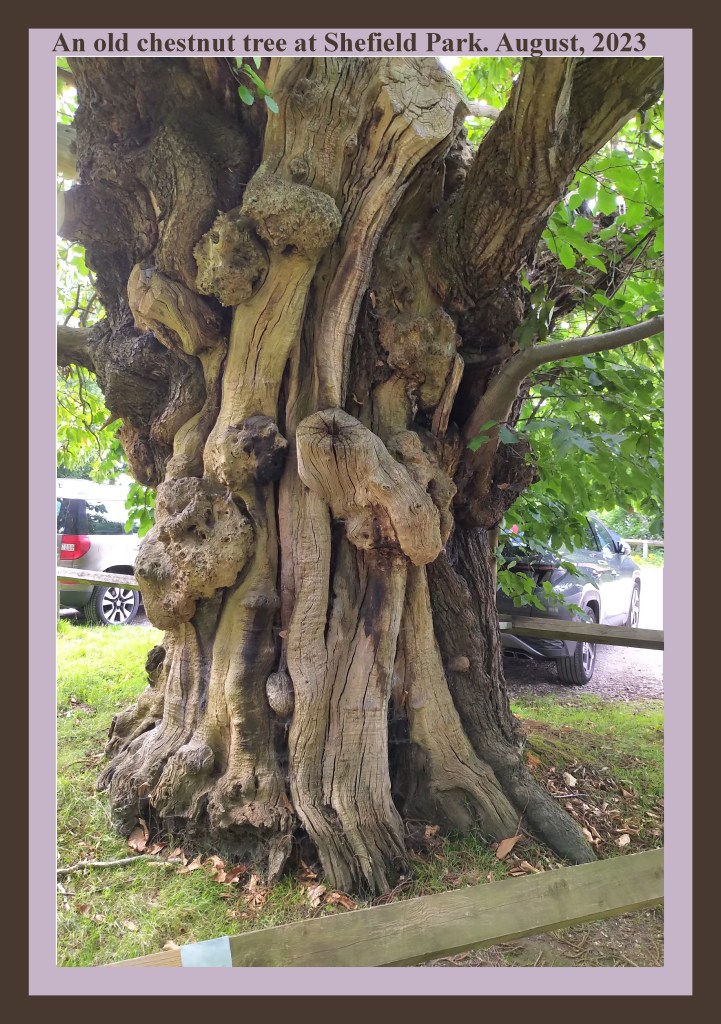
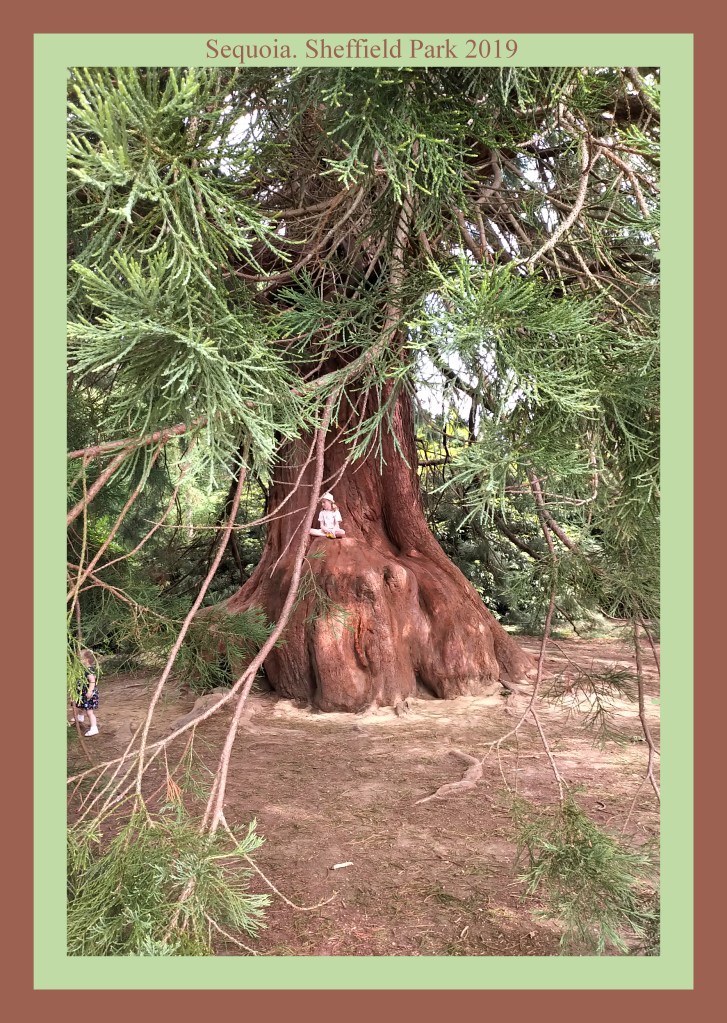
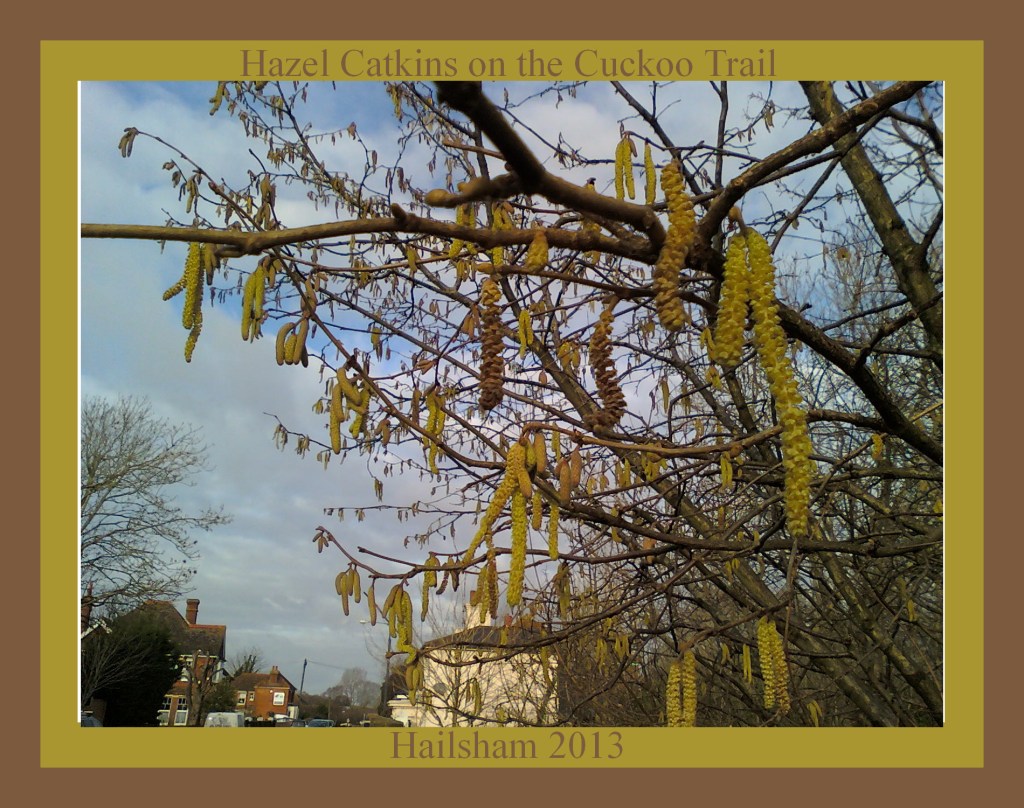
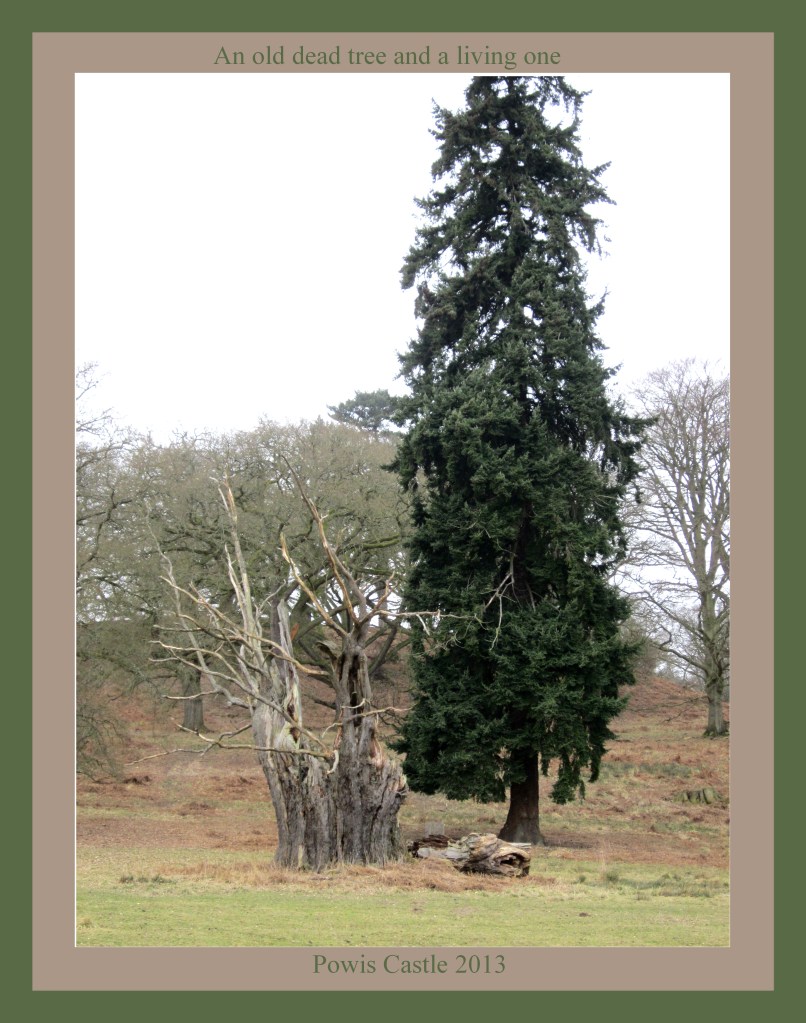
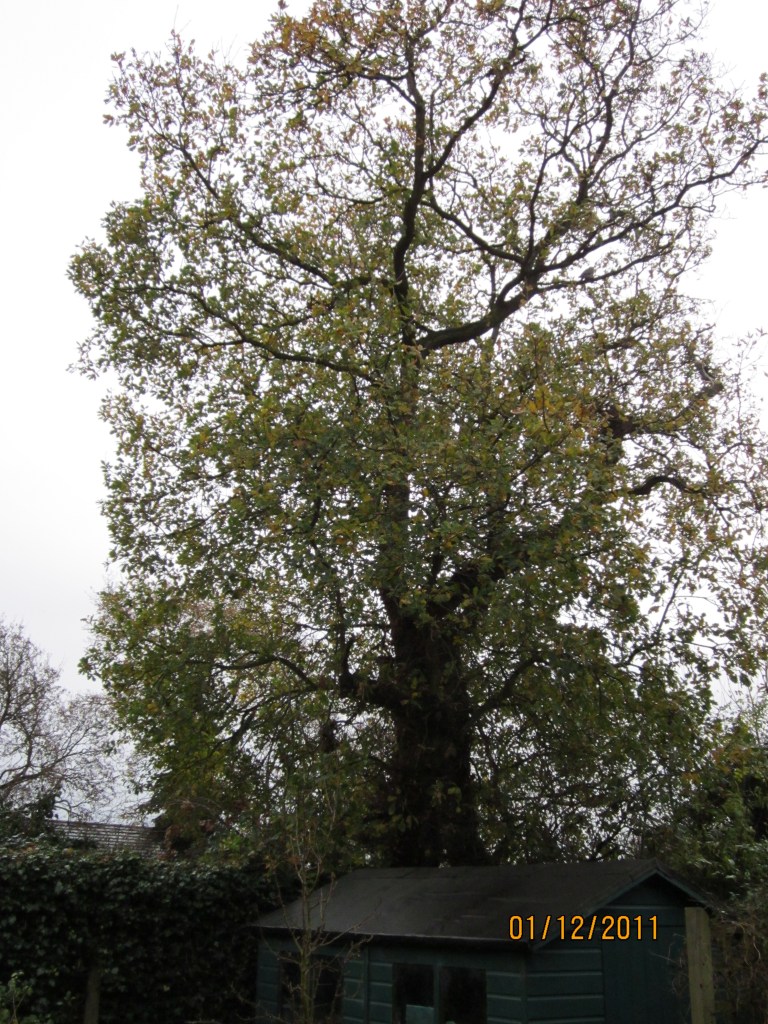
I was looking through some of my photographs the other day and came across several of lovely trees. I thought I’d share them.

I love trees, and they are so important, not only for helping with removing carbon dioxide from the atmosphere and turning it to oxygen, but also to preserve other wildlife.

ASCI

Discover the Beauty of Wood Anemones in Spring. British Wild Flowers.

Image by mikezwei from Pixabay

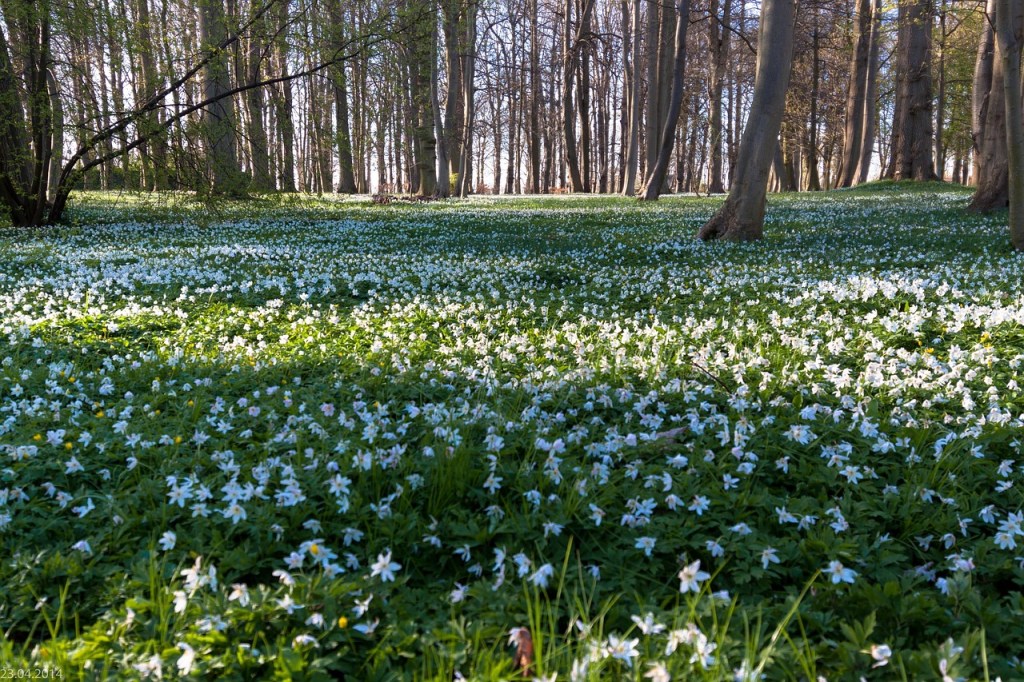
One of the prettiest sights in spring is the carpets of white that cover the ground beneath woodland trees.

This is not a late scattering of snow, but thousands of wood anemones.

The Woodland Trust says:
A sign of ancient woodland.

Wood anemone is an ancient-woodland-indicator plant. If you spot it while you’re out exploring, it could be a sign you’re standing in a rare and special habitat. 

I am lucky enough to have woodlands with these flowers within walking distance of my house. Ancient woodland that has been there since time immemorial.

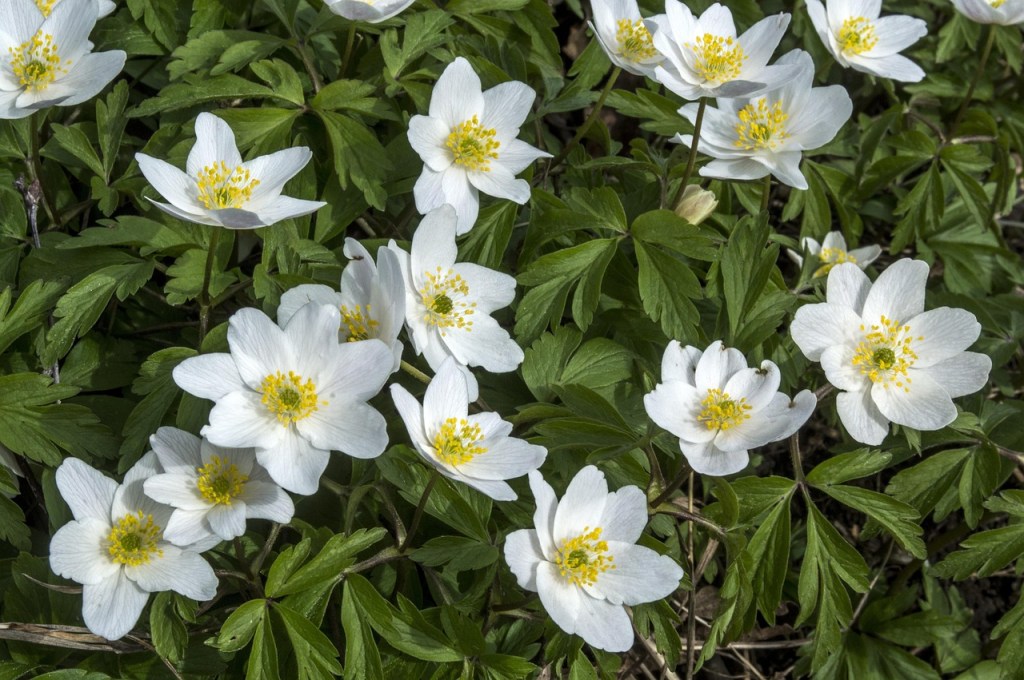
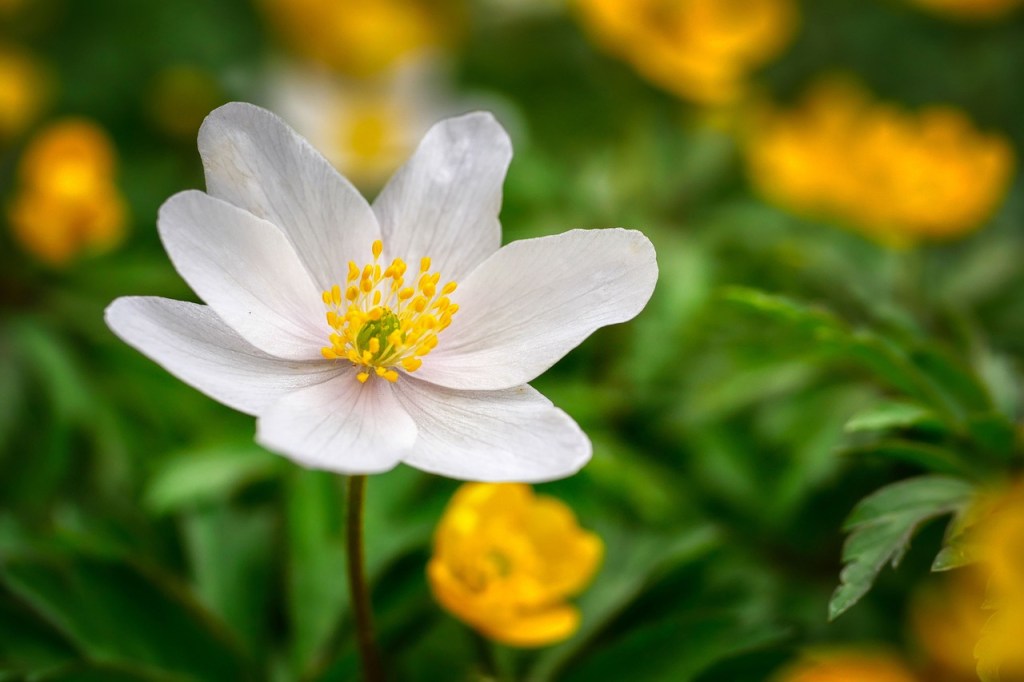
The wood anemone is a delicate-looking plant with white star-shaped flowers.

Image by Pirkko Valtonen from Pixabay

The Wood anemone found in the UK is Anemonoides nemorosa, while in the US there are two species–Anemonoides quinquefolia, which has white stamens as well as white flowers, and the western wood anemone Anemonoides oregana, which is blue.

I am going to talk about ours, though, since this is one my British Wild Flowers posts.

Image by Albrecht Fietz from Pixabay

These plants are very small. Wikipedia says seldom reaching a height of more than 30cm, but I’ve yet to see one anywhere near that height. Most of those I’ve seen are around half that. They have delicate leaf-like bracts beneath the flowers that are divided into three lobes.

We find these little beauties in bloom from May until about April, so they are one of the earliest to appear, flowering before the trees come into leaf and block the sunlight. The flowers are around 2cm across with six or seven petals surrounding a large number of stamens.

It spreads by rhizome, but only extremely slowly. One estimate I read was that it was only 6 feet per 100 years! This is why it can be used as an identifier of ancient woodland. If the ground is covered, then the woodland is several hundred years old.

How useful is it?

Deer and many other herbivores such as rabbits, hares, mice and voles will eat wood anemones. Many insects also feed on it, including small wasps and flies.

The wood anemone is also a host plant for larvae of some butterfly species .

Human uses.

It has been traditionally used to treat some illnesses (although I don’t suggest trying it unless you know exactly what you are doing!)

According to Glenlivet Wildlife “it has been reported to have several medicinal properties, including sedative and cardiovascular benefits, amongst others.

“Wood anemone root extracts have been used to treat a wide range of liver diseases, including chronic hepatitis and liver cirrhosis.”

“In traditional medicine, it is also believed that they can induce menstruation if eaten in large amounts.

“Used by many European countries, they help prevent soil erosion due to their extensive root system, which binds the soil together with their numerous fibrous roots.”

Picking wild flowers wasn’t illegal when I was growing up, and I used to pick many of our wild flowers. The local church had an annual flower show, and one of the classes was for a wild flower arrangement. Wood anemones would not have been good for this as I discovered. They fade and die very quickly when picked.

White heads dancing
In the gentle breeze
Carpet the ground
Beneath the trees

Bees buzz eager
For this new supply
Of nectar from
A flower so shy.

Fill your eyes with
Ethereal sight.
They’ll soon be gone
These flowers so white.

Discover the Beauty of Spring Through Poetry

 I thought I’d write some poems about the seasons. Here is one about spring.

Spring is a lovely month. We’ve lived through the cold of winter and the seeming death of life. Many animals hibernate through the winter and are not seen; the trees are bare; the grass stops growing and many plants die back.

But with the spring, the sun gets warmer and life begins anew. It is an optimistic time of year.

Spring

Dandelions, like gold, cover the meadows.
Newborn lambs frolic in fields.
New leaves on the trees are casting their shadows
And winter’s cold grip quickly yields.

At the edges of woodland the primroses glow
And cowslips their scent fills the air.
Anemones dance when the breezes do blow
And birds sing with never a care.

Then bluebells and campions come into bloom
Their colour the blue of the sea.
The cuckoo, that herald of spring, will come soon,
His call echoing over the lea.

The song of the blackbird is like molten gold.
His notes are so pure and so clear.
Hearing him seems to banish the cold
And brings joy to all those who hear.

Robin is nesting, and other birds too,
The hedgehog is active once more.
The young of the deer and the badger and shrew
Play their games as in old days of yore.

The sun climbs higher and higher each day
Giving more of his heat and his light.
It sparkles like stars fallen into the bay.
All smile at the beautiful sight.

Hope and excitement come with each spring morn.
What blessings will come with this day?
New starts can begin once again with each dawn
And send us all hopeful away.

I hope you enjoyed my spring poem. It can be found in my poetry book, Miscellaneous Thoughts along with many more of my poems, both about the seasons and nature and a variety of other subjects.

If you would like to read more of them, you can click on the book cover in the sidebar, or click the button to take you to the online bookstore of your choice. It is available in ebook format as well as a ‘real’ book.

Overpopulation and the effect on wildlife

I just came across this. It’s the elephant in the room, but very important, in my opinion.

National Poetry Day.

Today is National Poetry Day in the UK. I. Its honour, I decided to add a poem as an extra post.

I wrote a poem for each day of the year, and thought that the one I wrote for October 3rd would be the obvious one. I hoped it would be one of the longer ones, but it’s a tanka. Still, I must go with it. It’s today’s poem, after all.

Created with AI

Stars

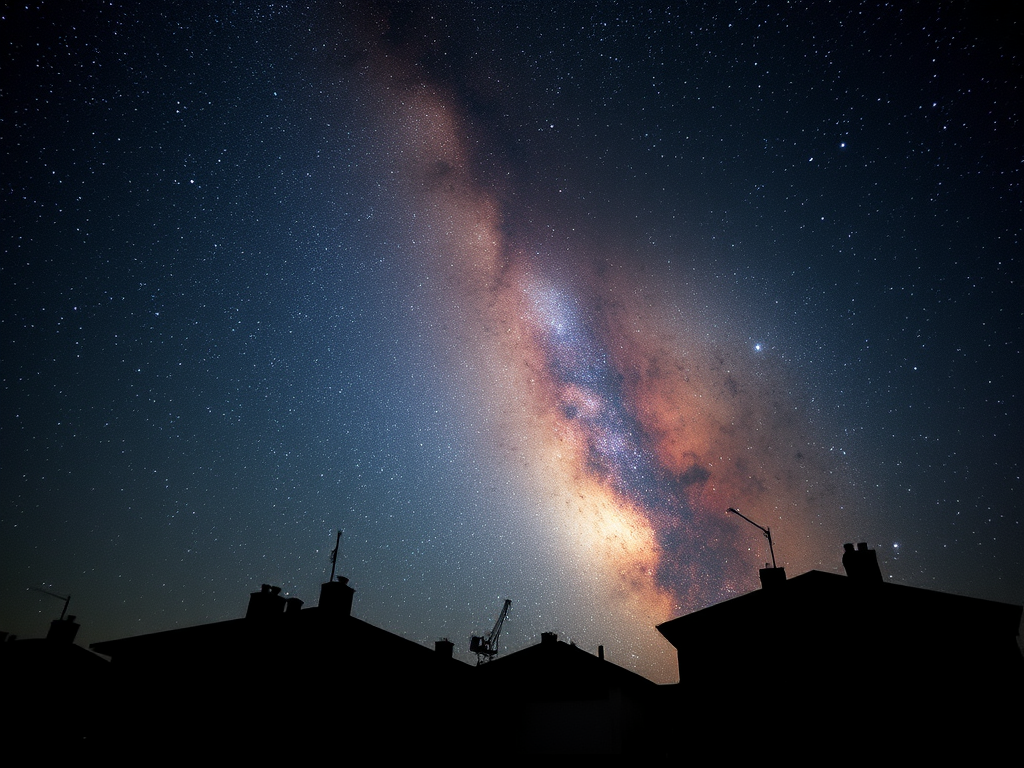
Clear the sky above

The moon has not yet risen

Many stars twinkle

The Milky Way curves above.

Infinity stretched on high.

This is from my One Poem a Day book, July to December.

Last year I wrote one poem each day. It was hard going. I can’t say I didn’t have the occasional lapse, but managed to make up in the next few days.

The poems are very varied. There are tanka and haiku, like this one, lyrical poems, limericks, some rhyming poetry (well, quite a lot, actually) and some non-rhyming. I think there’s something for everyone.

Why not give poetry a chance by reading one a day? Take a look at the books by clicking on the cover in the side bar.

Did you enjoy my tanka? What kind of poetry do you enjoy? Let me know in the comments.

In Defence of the Wasp

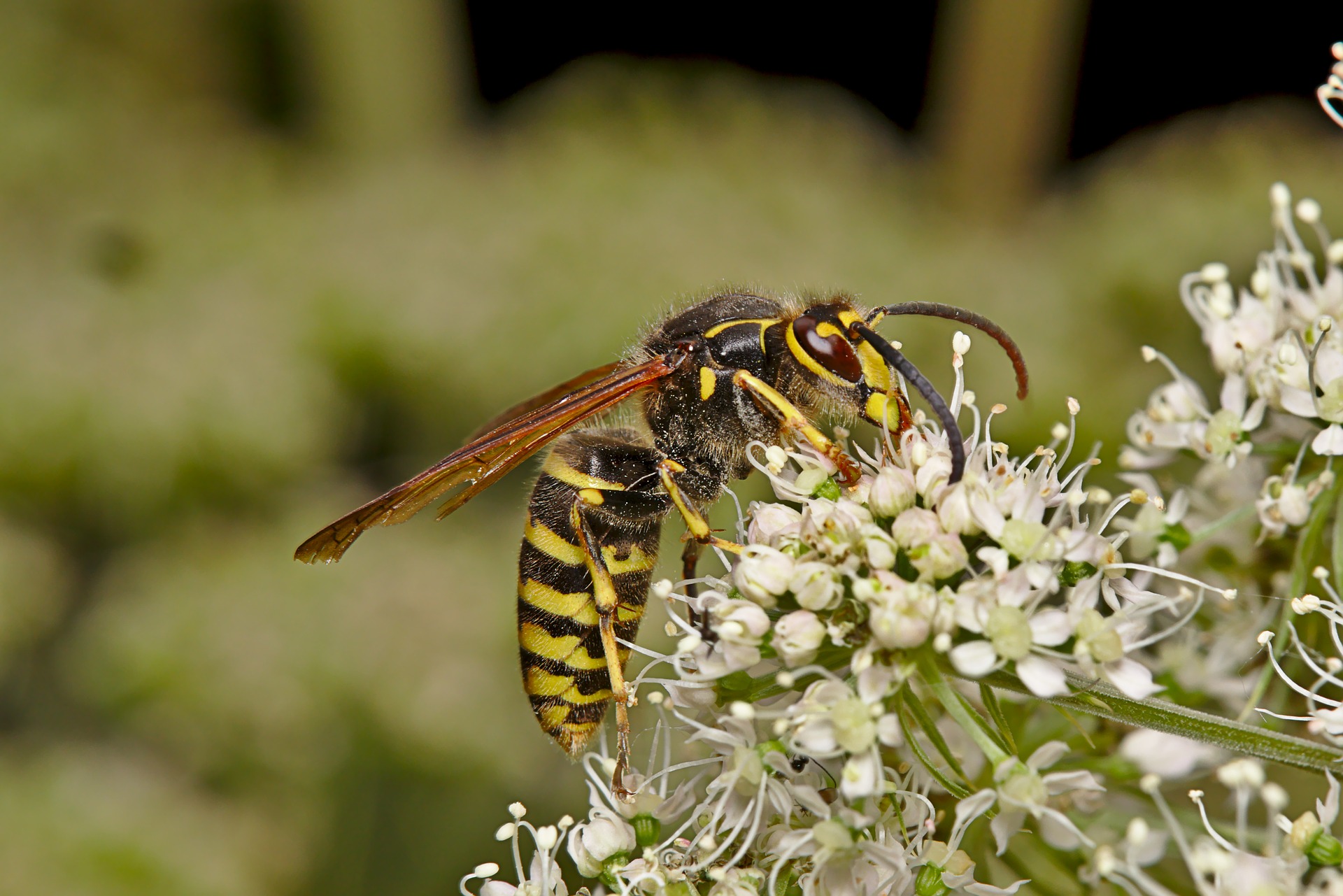
wasp-2300988_1920

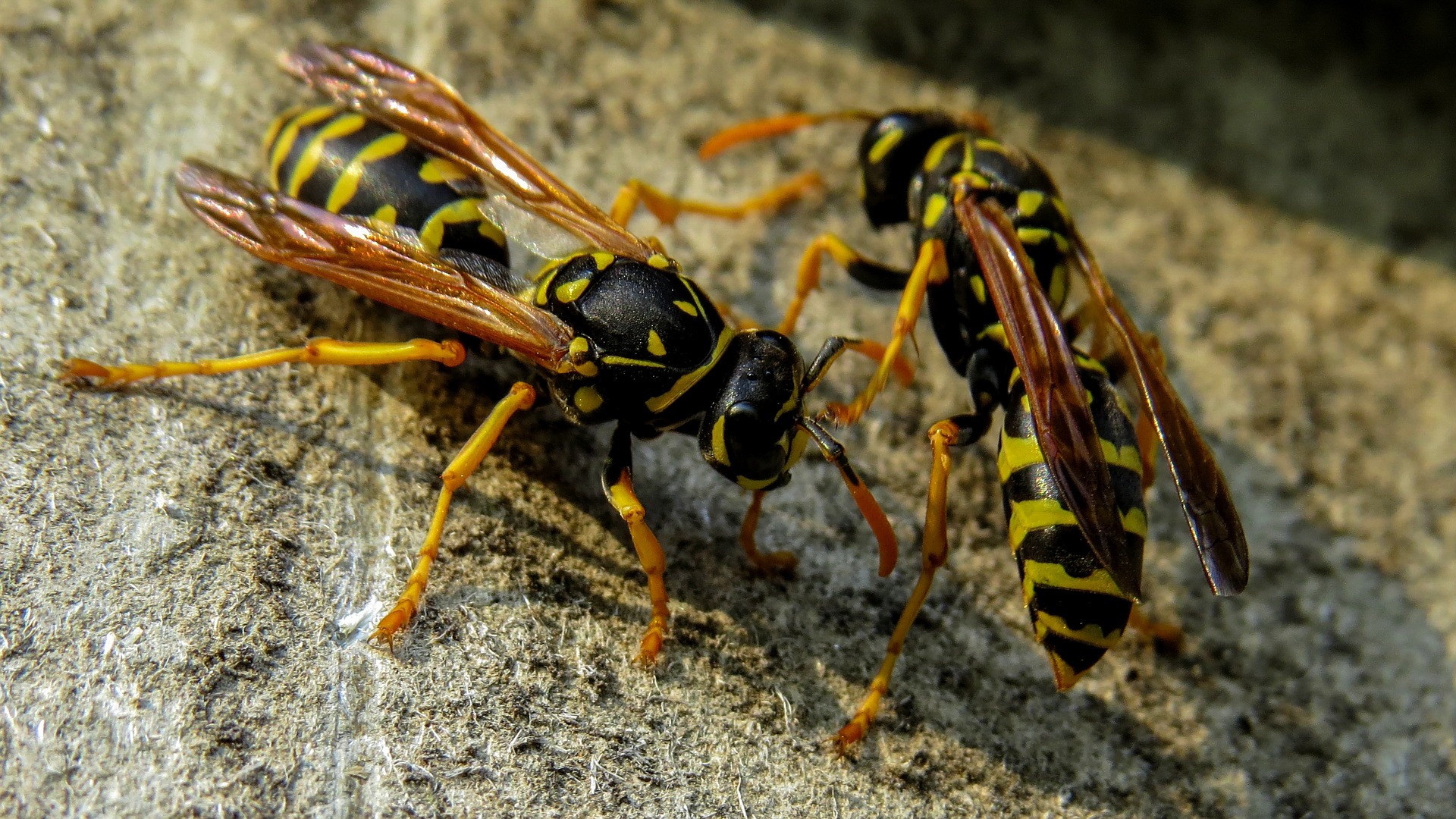
This morning I was watching a wasp flying around the flowers in my garden. It wasn’t bothering me, just going about its business, gathering nectar.

I remembered that I’d posted about wasps at an earlier date, and so decided it was time to repost it. So here it is!

I’ve decided to do a post about a much maligned insect. The Wasp.

We all know the nuisance black and yellow striped creature that buzzes round us when we want to eat outside, and I’ve heard it said, ‘What is the purpose of wasps?’

Well, here it is. Something that I hope will help to mollify your thoughts on the creatures.

I was brought to thinking of them last September when I got stung. In all fairness, it wasn’t the wasp’s fault. Well, not entirely, anyway. I saw one in my daughter’s bathroom and decided to let it out of the window. I failed to get it out, and it must have ended up on my clothes, just under my arm. When I put my arm down, it stung in self defence. Still, it didn’t half hurt, and continued to do so for days!

What we think of as wasps (and hornets), those black and yellow terrors of picnics, are not the only insects to be classified as wasps. Wasps belong to the order of insects called Hymenoptera and there are over a hundred thousand species.

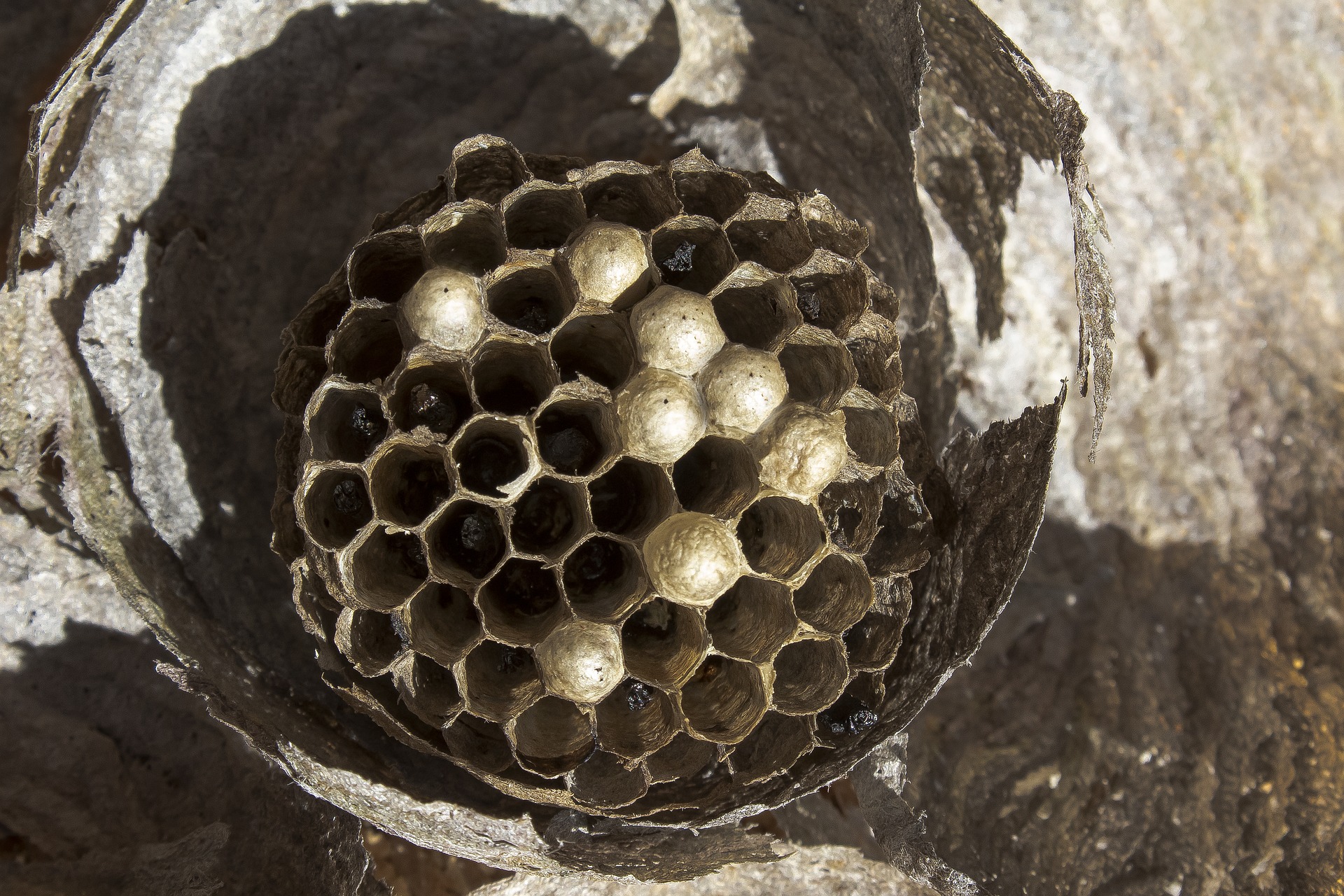
The black and yellow terrors are communal insects. They build nests of a papery substance created from wood. It usually begins in the spring when a queen lays eggs that hatch into workers. The workers are all female, and their ovipositors are what have become their stings.

Each spring, a new queen that has hibernated over winter, begins to build a new nest, built of wood she has chewed and mixed with saliva. Then she lays a few eggs. She has to forage herself for food for the hatched grubs until they become adult worker wasps.

the-hive-3724761_1920

These wasps only become a real nuisance in the late summer when the queen has stopped laying and no more workers are being produced. They search for food—sweet, sugary substances usually—and that is when they come into contact with humans.

And we don’t like it.

Most of the rest of the year, they are happily capturing insects and feeding on nectar from flowers. In fact, they are important pollinators. Not something most people know, but with the problems with the bee population recently, perhaps we should consider them more kindly.

wasp-3603869_1920

Most wasps are not social, though, and live a solitary life. Some live in communities, with nests close to each other, but do not interact, except to sometimes steal each others’ prey. Some species actually build communal nests, but each adult wasp has her own cell, and there is no division of labour or community work. The females each catch and feed their own grubs.

The prey of these wasps is spiders and insects. They feed them to the grubs, which are carnivorous, but the adults usually feed on nectar. As such, they are useful to help get rid of unwanted insect pests.

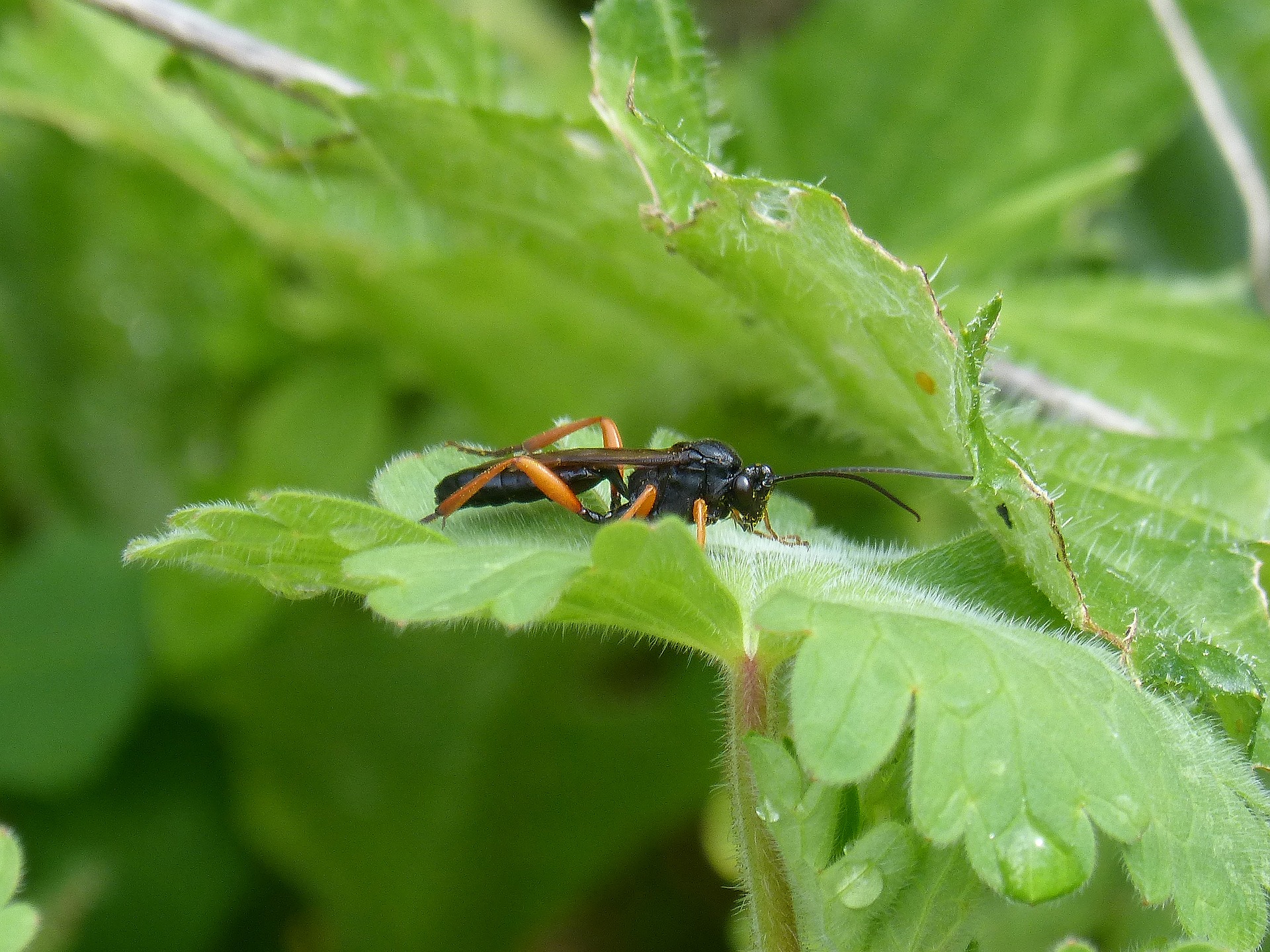
Then there are the parasitic wasps. They lay their eggs in the body of the prey animal. The grubs then eat their way through the insides of the poor creature. Others lay their eggs in the tissue of plants. The plant responds by creating a gall around the growing grub.

ichneumonoidea-2181464_1920


I admit I’m not the most generous of people to wasps. It’s now spring, and the queens are coming out to find a place to build their nests. Just this morning, while I was working at my computer, I heard a buzzing by the open window. It disappeared, but returned soon after. This happened several times and so I got up to investigate. A wasp was clearly inspecting the brickwork around my window. It then had the temerity to enter and start to look around my husband’s computer.

I went downstairs and got the Wasp and Fly killer and zapped it as it went back to the window. (I didn’t want to spray the killer onto my husband’s computer, just in case! I’ve no idea what it might do to it.) I might know they are important predators and pollinators, but I don’t want hundreds of them just outside the room where I work.

So please spare a thought for the poor wasp. They aren’t as useless as you thought.

Please leave your thoughts on the wasp in the comments box. Do you think they are useless, or do they have some use after all?