Category Archives: plants

Discover the Beauty and Benefits of Trees

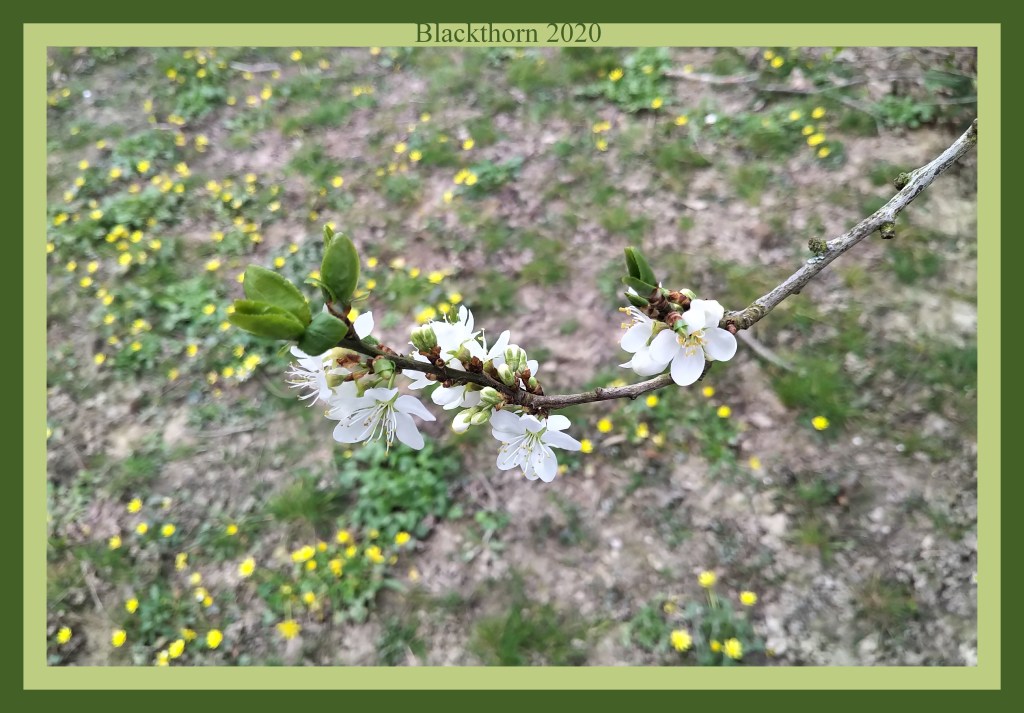
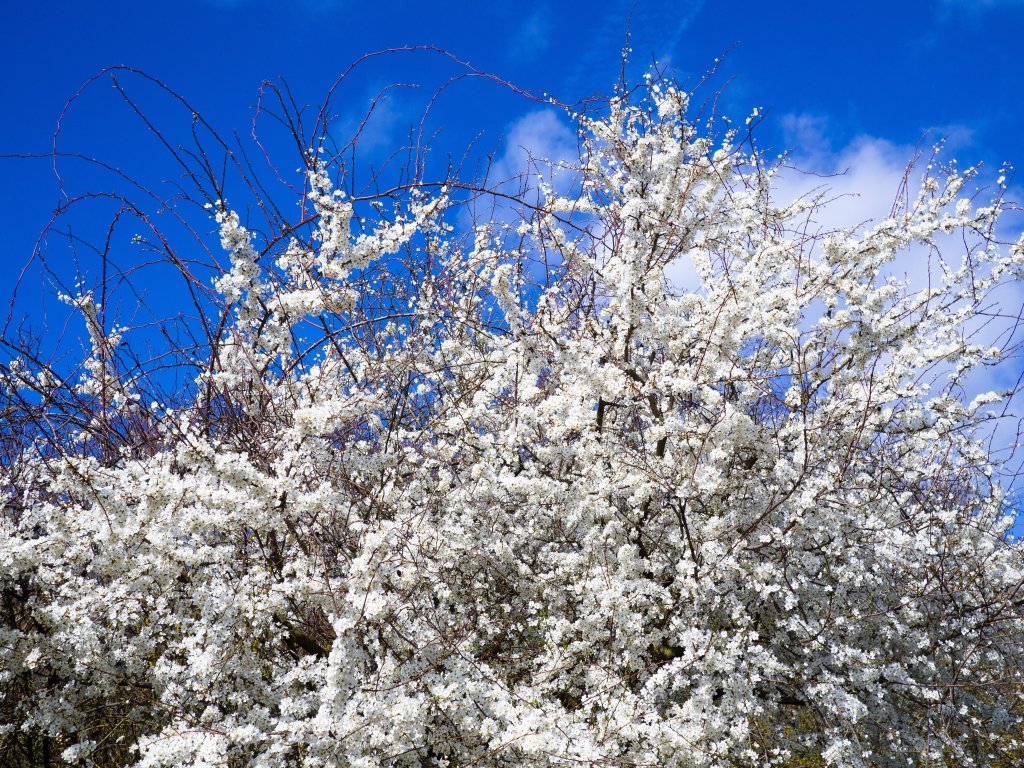
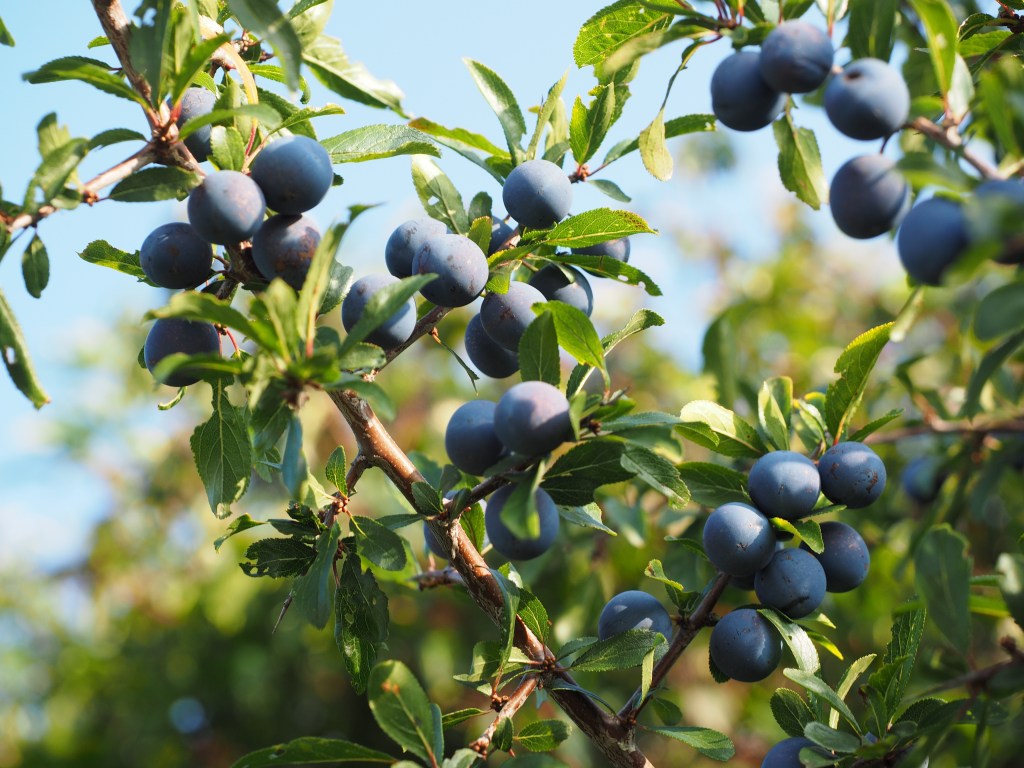
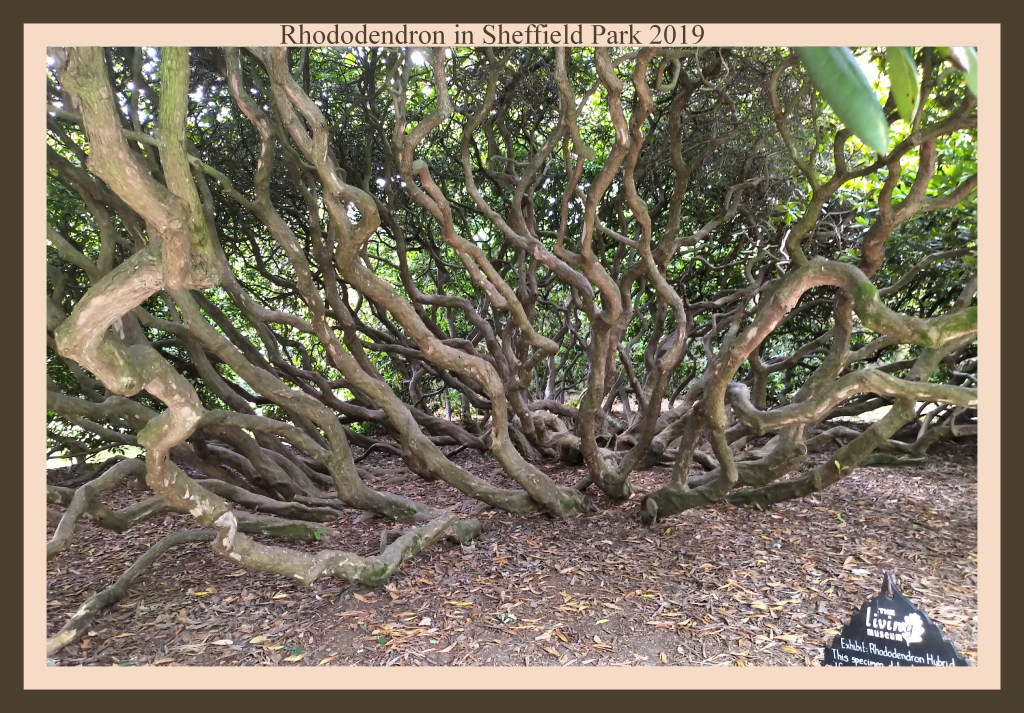
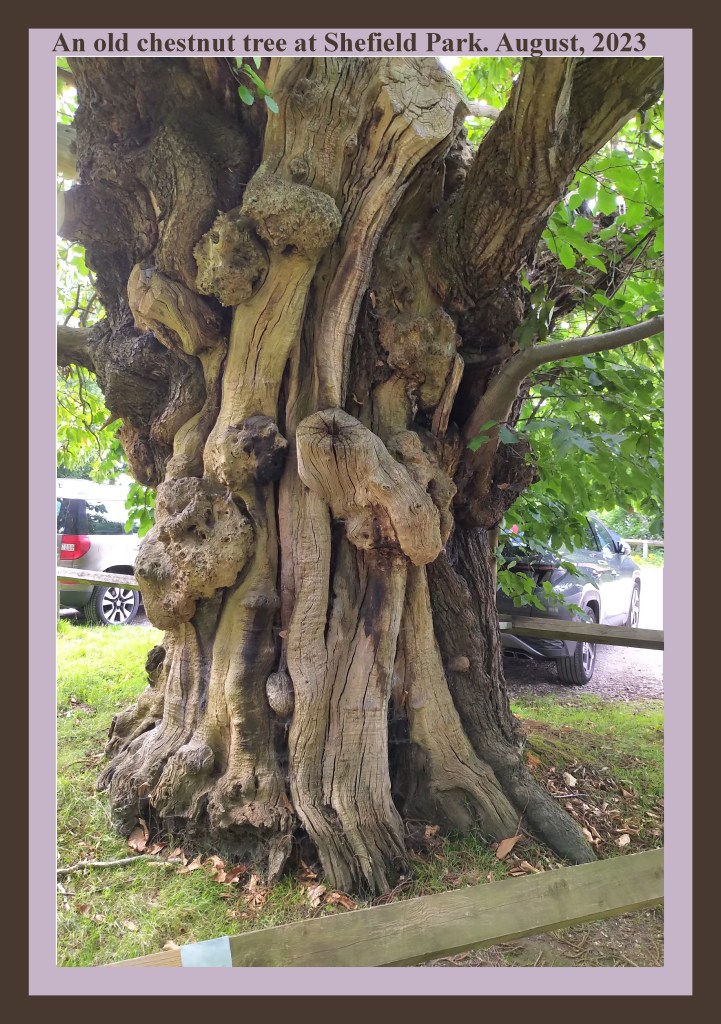
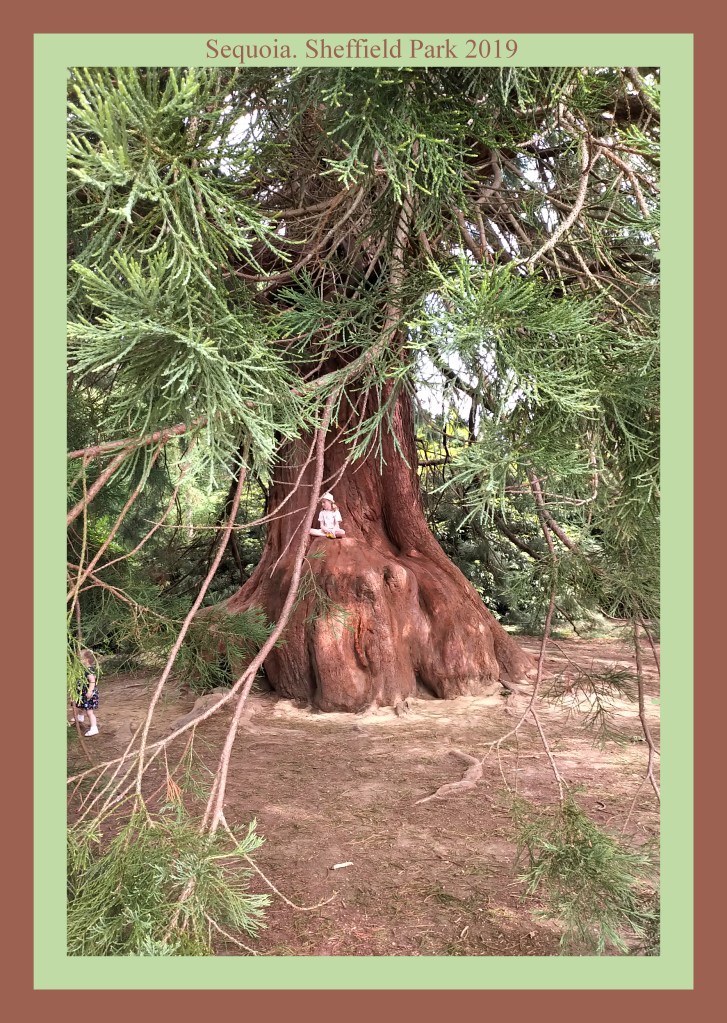
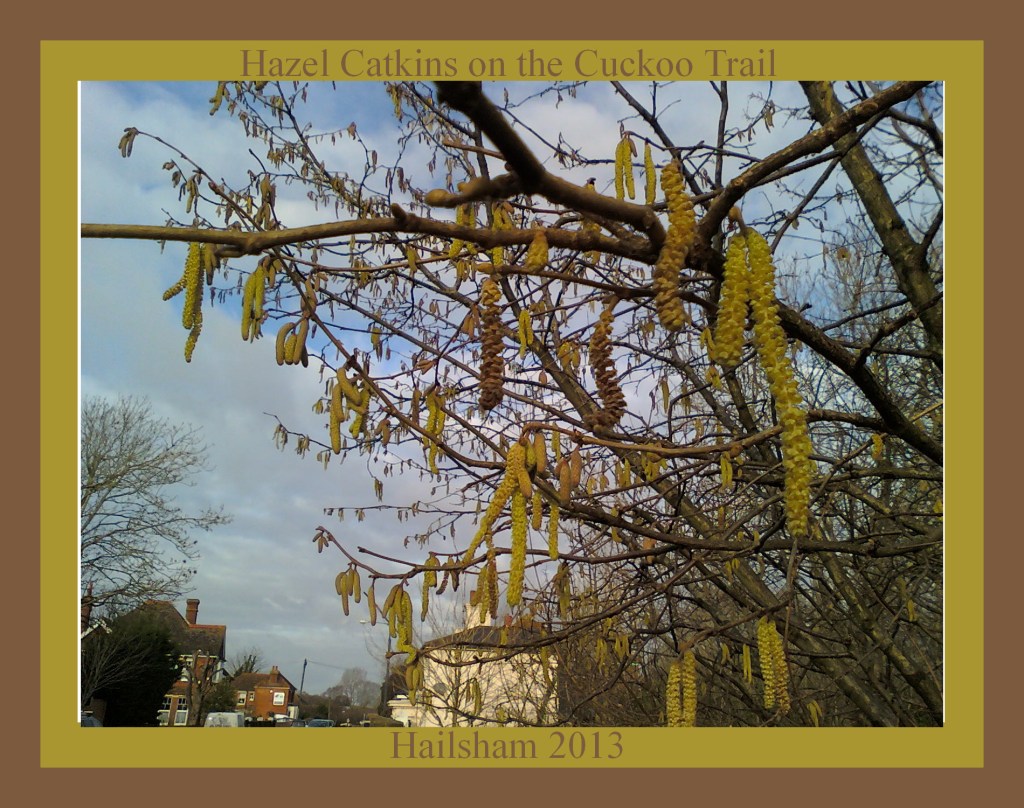
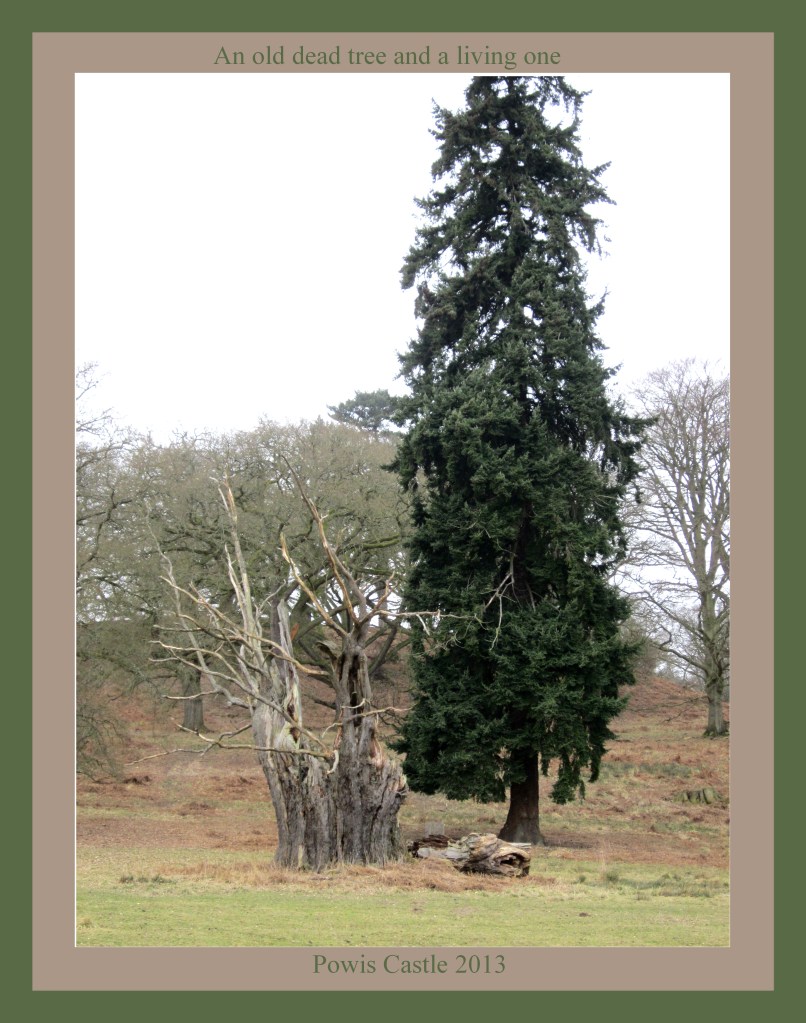
I was looking through some of my photographs the other day and came across several of lovely trees. I thought I’d share them.

I love trees, and they are so important, not only for helping with removing carbon dioxide from the atmosphere and turning it to oxygen, but also to preserve other wildlife.

ASCI

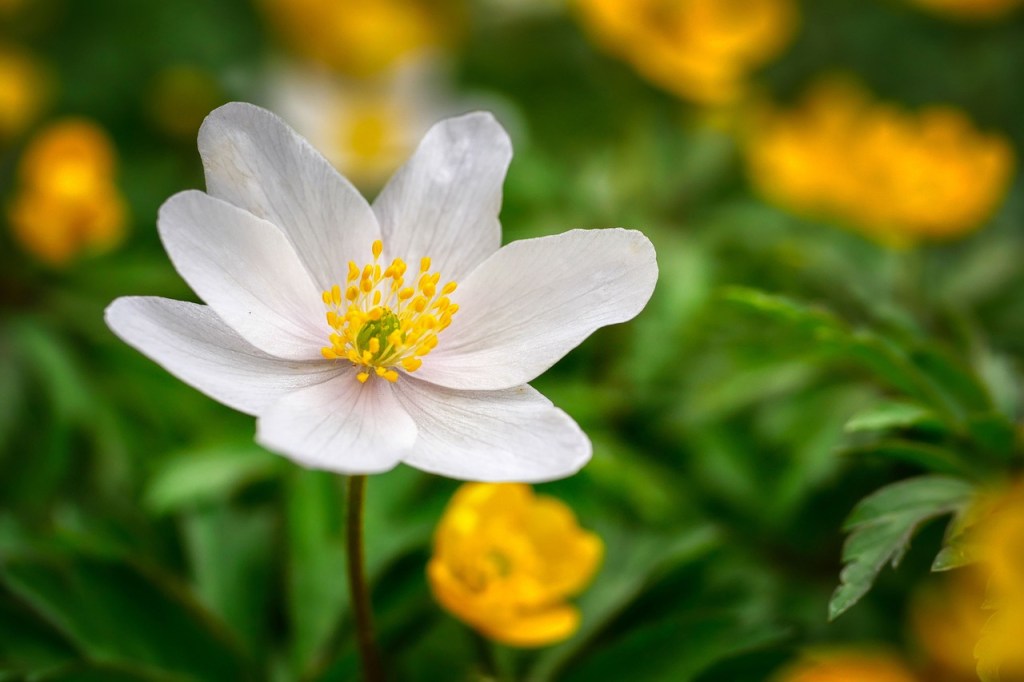
Discover the Beauty of Wood Anemones in Spring. British Wild Flowers.

Image by mikezwei from Pixabay

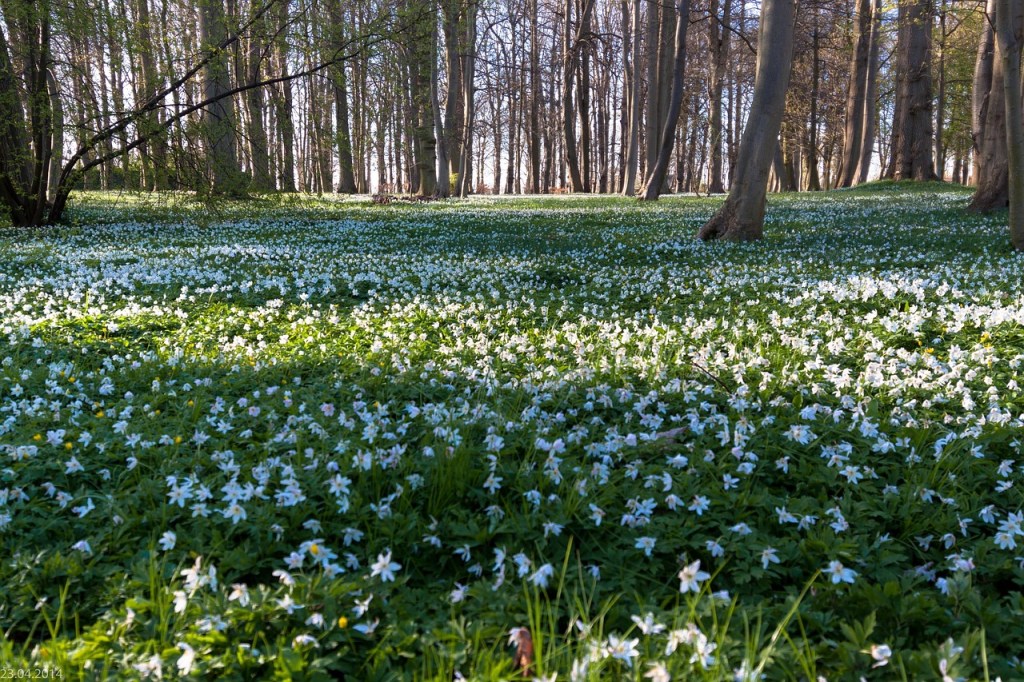
One of the prettiest sights in spring is the carpets of white that cover the ground beneath woodland trees.

This is not a late scattering of snow, but thousands of wood anemones.

The Woodland Trust says:
A sign of ancient woodland.

Wood anemone is an ancient-woodland-indicator plant. If you spot it while you’re out exploring, it could be a sign you’re standing in a rare and special habitat. 

I am lucky enough to have woodlands with these flowers within walking distance of my house. Ancient woodland that has been there since time immemorial.

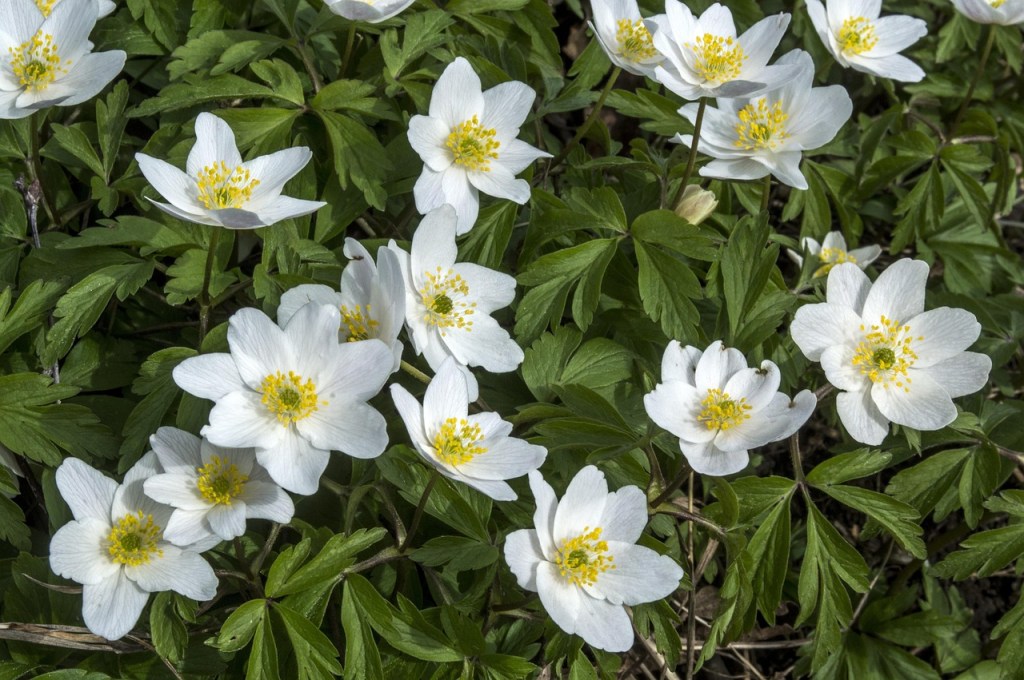
The wood anemone is a delicate-looking plant with white star-shaped flowers.

Image by Pirkko Valtonen from Pixabay

The Wood anemone found in the UK is Anemonoides nemorosa, while in the US there are two species–Anemonoides quinquefolia, which has white stamens as well as white flowers, and the western wood anemone Anemonoides oregana, which is blue.

I am going to talk about ours, though, since this is one my British Wild Flowers posts.

Image by Albrecht Fietz from Pixabay

These plants are very small. Wikipedia says seldom reaching a height of more than 30cm, but I’ve yet to see one anywhere near that height. Most of those I’ve seen are around half that. They have delicate leaf-like bracts beneath the flowers that are divided into three lobes.

We find these little beauties in bloom from May until about April, so they are one of the earliest to appear, flowering before the trees come into leaf and block the sunlight. The flowers are around 2cm across with six or seven petals surrounding a large number of stamens.

It spreads by rhizome, but only extremely slowly. One estimate I read was that it was only 6 feet per 100 years! This is why it can be used as an identifier of ancient woodland. If the ground is covered, then the woodland is several hundred years old.

How useful is it?

Deer and many other herbivores such as rabbits, hares, mice and voles will eat wood anemones. Many insects also feed on it, including small wasps and flies.

The wood anemone is also a host plant for larvae of some butterfly species .

Human uses.

It has been traditionally used to treat some illnesses (although I don’t suggest trying it unless you know exactly what you are doing!)

According to Glenlivet Wildlife “it has been reported to have several medicinal properties, including sedative and cardiovascular benefits, amongst others.

“Wood anemone root extracts have been used to treat a wide range of liver diseases, including chronic hepatitis and liver cirrhosis.”

“In traditional medicine, it is also believed that they can induce menstruation if eaten in large amounts.

“Used by many European countries, they help prevent soil erosion due to their extensive root system, which binds the soil together with their numerous fibrous roots.”

Picking wild flowers wasn’t illegal when I was growing up, and I used to pick many of our wild flowers. The local church had an annual flower show, and one of the classes was for a wild flower arrangement. Wood anemones would not have been good for this as I discovered. They fade and die very quickly when picked.

White heads dancing
In the gentle breeze
Carpet the ground
Beneath the trees

Bees buzz eager
For this new supply
Of nectar from
A flower so shy.

Fill your eyes with
Ethereal sight.
They’ll soon be gone
These flowers so white.

Discover the Beauty of Spring Through Poetry

 I thought I’d write some poems about the seasons. Here is one about spring.

Spring is a lovely month. We’ve lived through the cold of winter and the seeming death of life. Many animals hibernate through the winter and are not seen; the trees are bare; the grass stops growing and many plants die back.

But with the spring, the sun gets warmer and life begins anew. It is an optimistic time of year.

Spring

Dandelions, like gold, cover the meadows.
Newborn lambs frolic in fields.
New leaves on the trees are casting their shadows
And winter’s cold grip quickly yields.

At the edges of woodland the primroses glow
And cowslips their scent fills the air.
Anemones dance when the breezes do blow
And birds sing with never a care.

Then bluebells and campions come into bloom
Their colour the blue of the sea.
The cuckoo, that herald of spring, will come soon,
His call echoing over the lea.

The song of the blackbird is like molten gold.
His notes are so pure and so clear.
Hearing him seems to banish the cold
And brings joy to all those who hear.

Robin is nesting, and other birds too,
The hedgehog is active once more.
The young of the deer and the badger and shrew
Play their games as in old days of yore.

The sun climbs higher and higher each day
Giving more of his heat and his light.
It sparkles like stars fallen into the bay.
All smile at the beautiful sight.

Hope and excitement come with each spring morn.
What blessings will come with this day?
New starts can begin once again with each dawn
And send us all hopeful away.

I hope you enjoyed my spring poem. It can be found in my poetry book, Miscellaneous Thoughts along with many more of my poems, both about the seasons and nature and a variety of other subjects.

If you would like to read more of them, you can click on the book cover in the sidebar, or click the button to take you to the online bookstore of your choice. It is available in ebook format as well as a ‘real’ book.

Overpopulation and the effect on wildlife

I just came across this. It’s the elephant in the room, but very important, in my opinion.

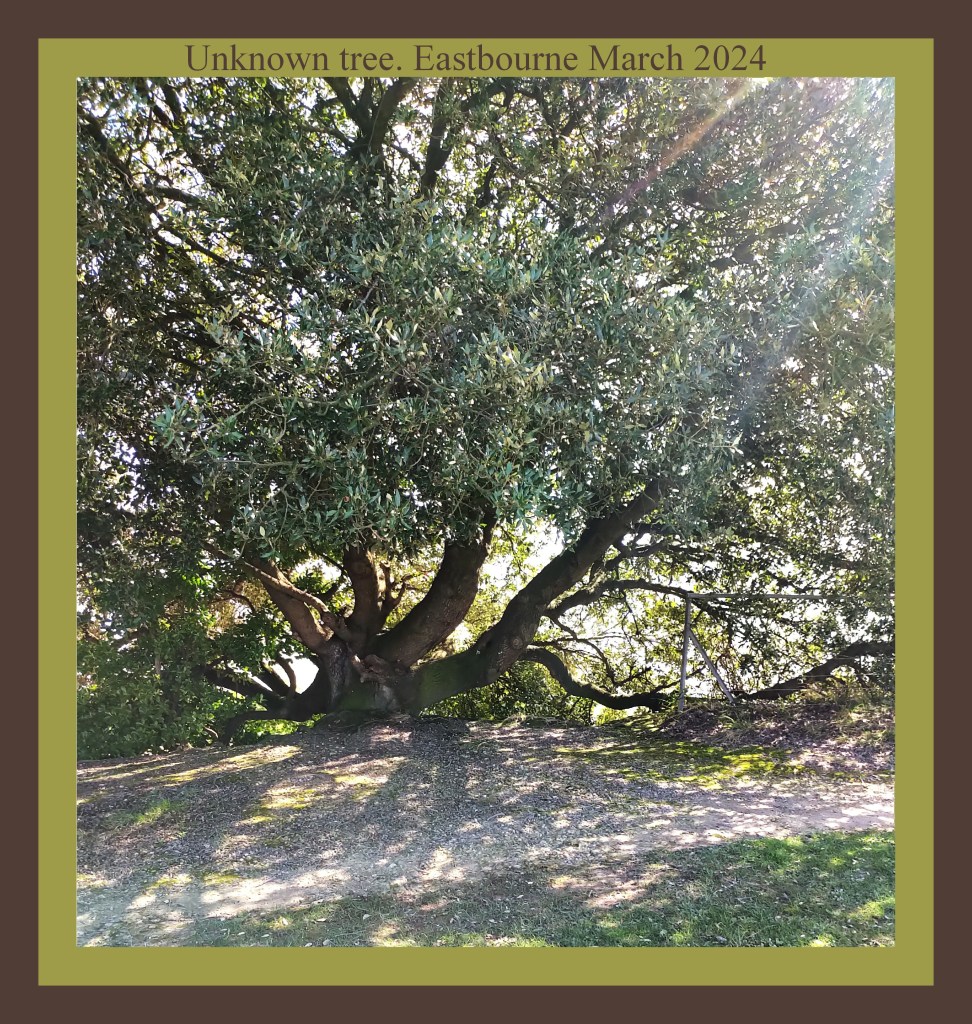
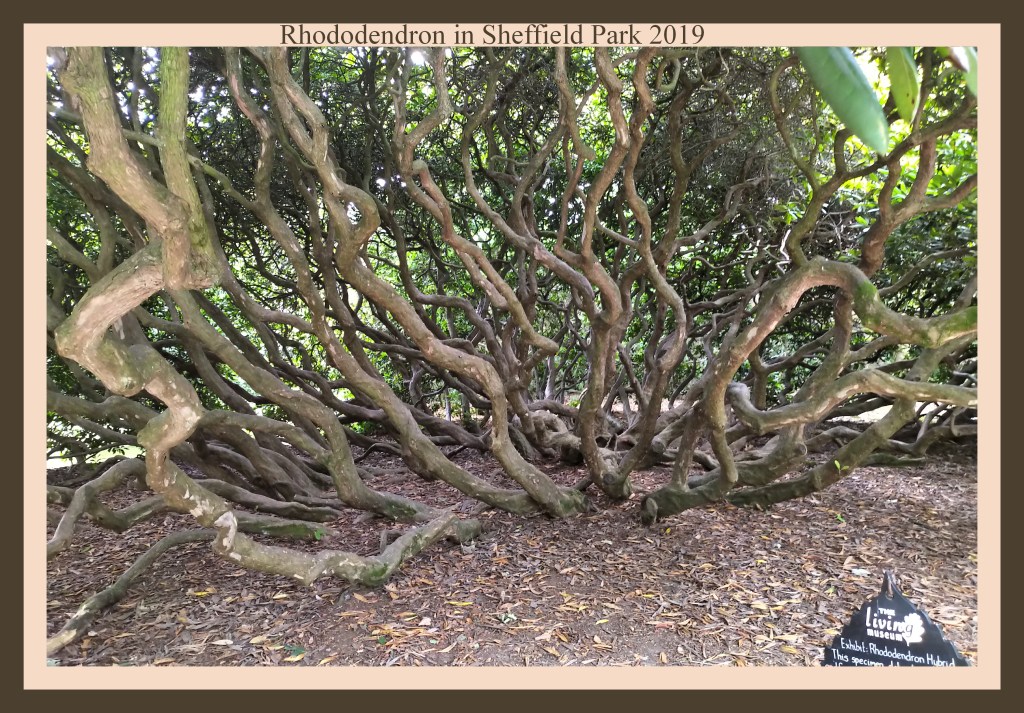
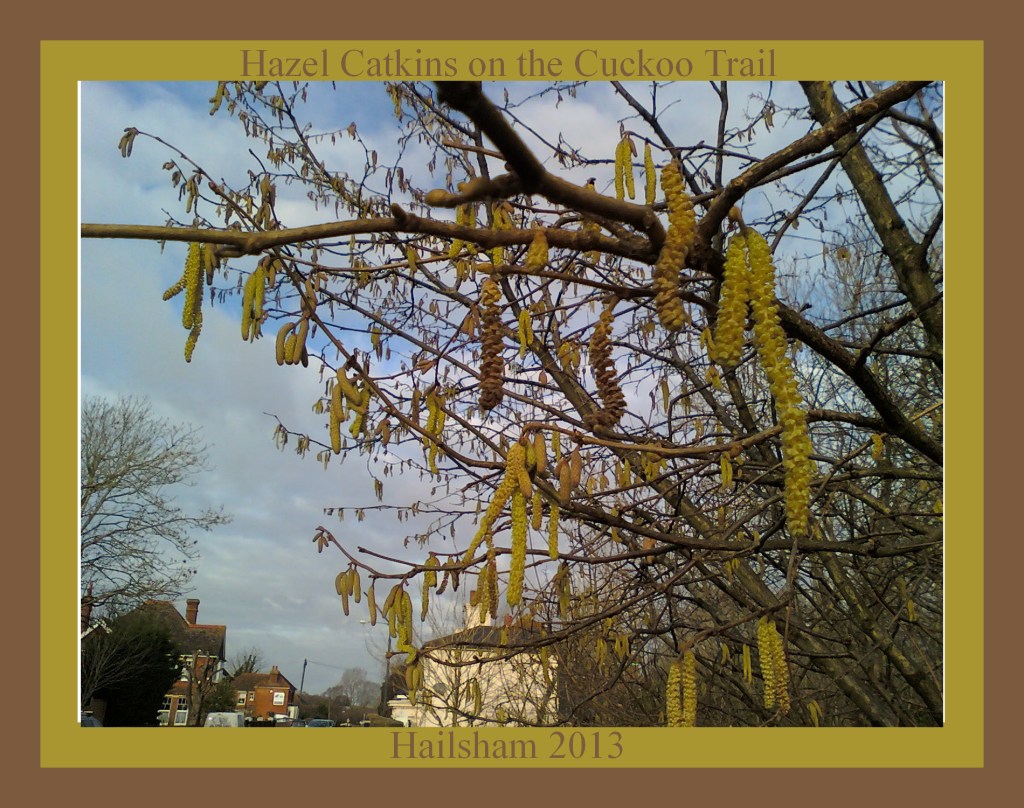
Trees

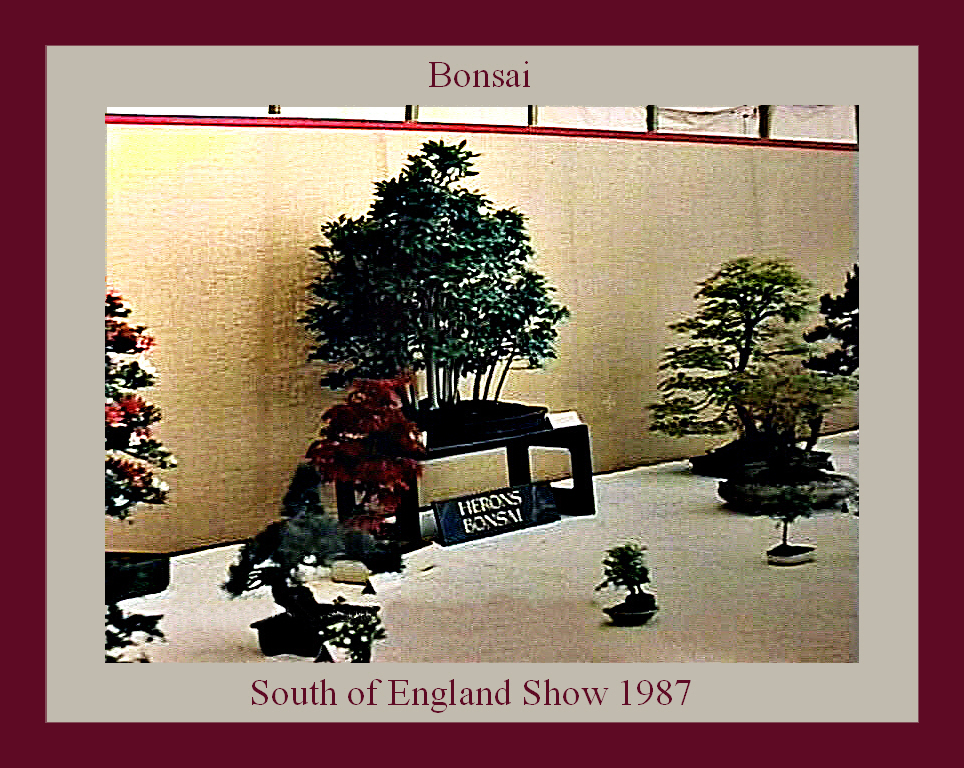
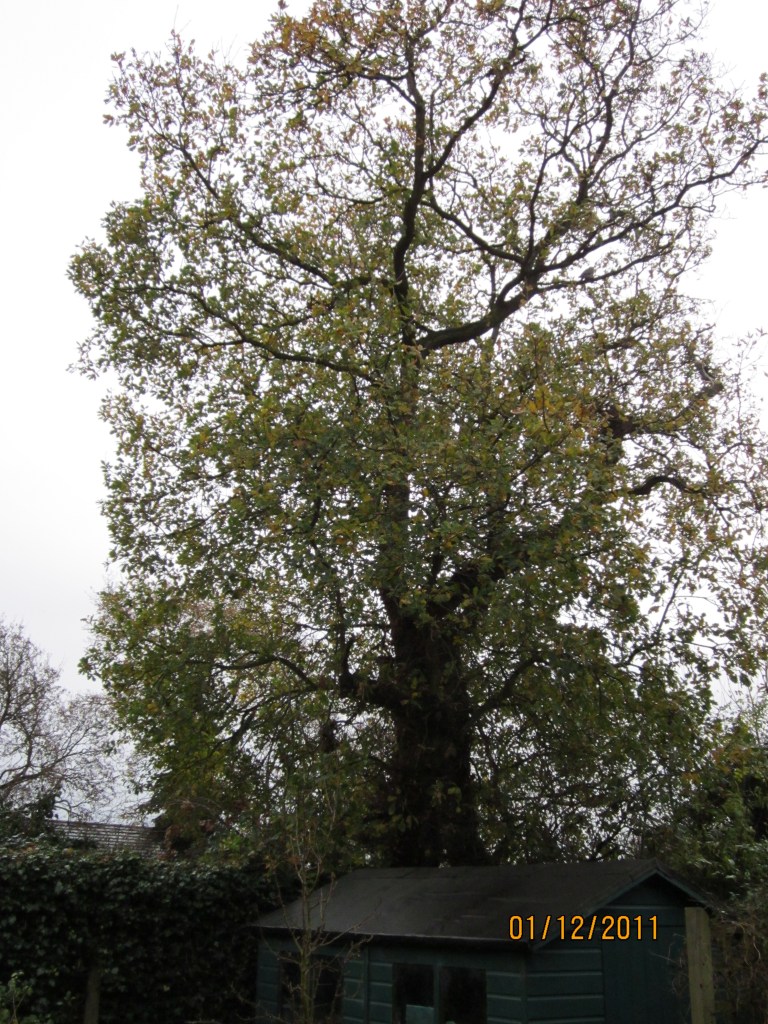
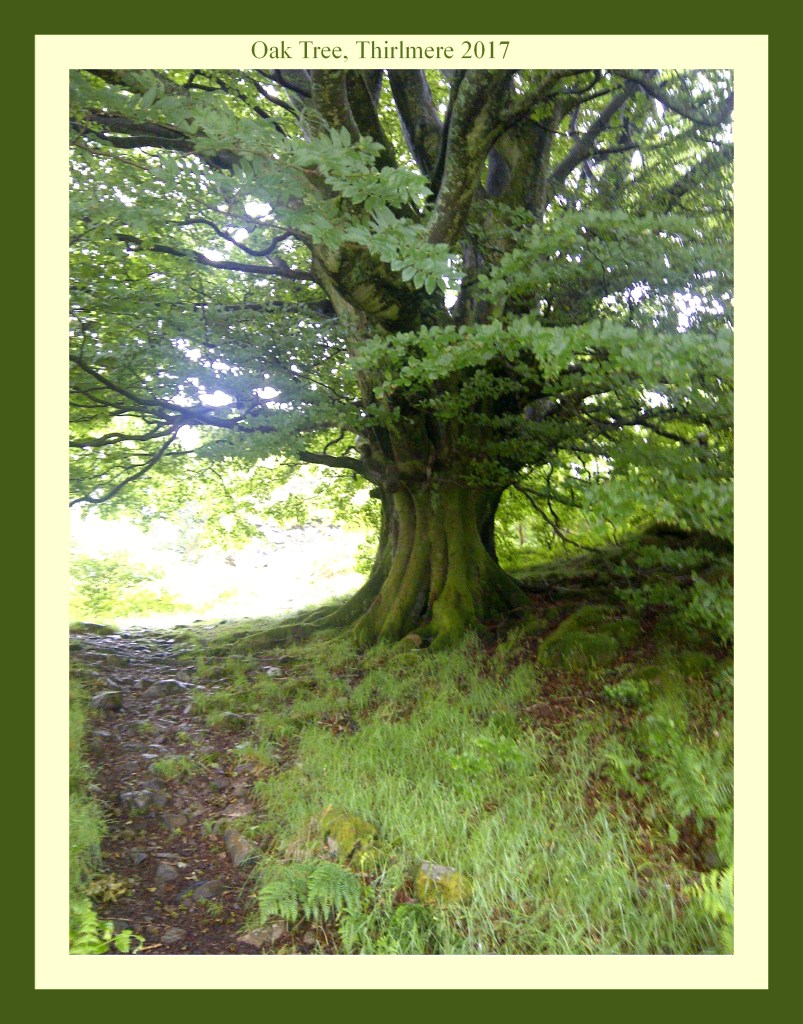
I love trees, the older and gnarlier (I have a squiggly red line saying this isn’t a word. Well it is now!) the better. Here are some pictures of trees I’ve come across.

ASCI

This was an oak tree behind our house in December, as you can see by the date. It was still green!

I had some other photos of trees that I wanted to add, but can’t find them. Still, these are all lovely.

What do you think about trees? They are important, but also beautiful, but too many can be a nuisance and block the sun. There is a poplar behind out garden that cuts the summer sun to our garden. Every few years, the council pollards it, and what a difference it makes to us and our plants!

Lobelia Cardinale

A couple of years ago we went to South Wales on holiday. Imagine our delight to find we were just a stone’s throw from The National Botanic Gardens of Wales.

We actually went twice in the week we were there, and the second time came across the beautiful and stunning Lobelia Cardinale.

If like me, you thought lobelias were little blue flowers that people put in their hanging baskets to trail over the edge, be prepared for a surprise. These are tall and bright red!

We decided we would like to get some for our garden, and so I went online and found somewhere that sold them. We got 6 plug plants and nurtured them. One died and one was eaten by snails. That one regrew, to my delight when put in a pot separate from the others.

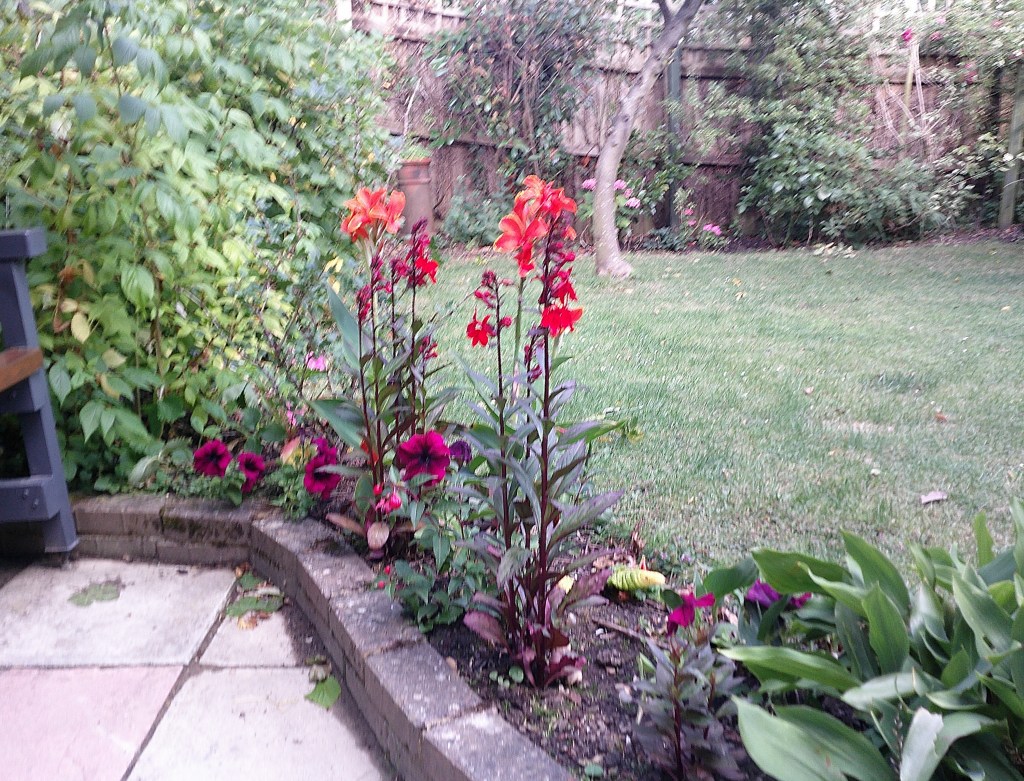
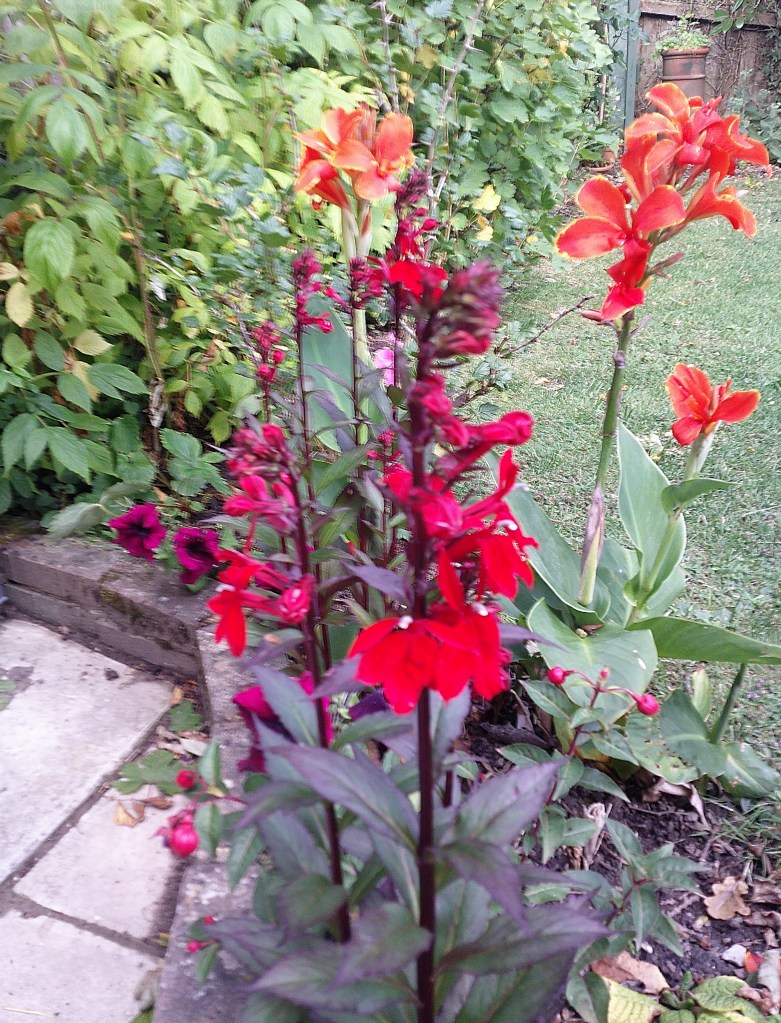
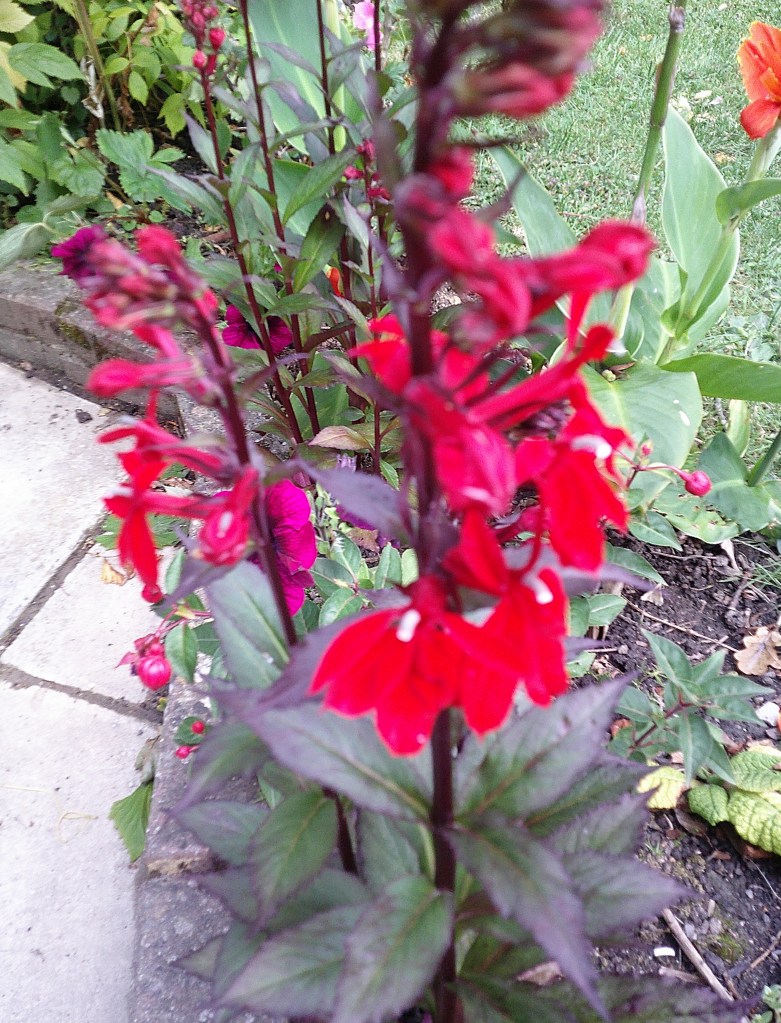
They grew and flourished the first summer, but did not flower, but this year, to our delight, they are magnificent. I promised to post some pictures, so here they are.

$CoMmEntˆ
$CoMmEntˆ
$CoMmEntˆ

I’m afraid the last two are not perfectly in focus. My camera was trying to focus on the farther shoots!

Do you know of this variety of lobelia? Please let us know your thoughts in the comments.

More British Wild Flowers.

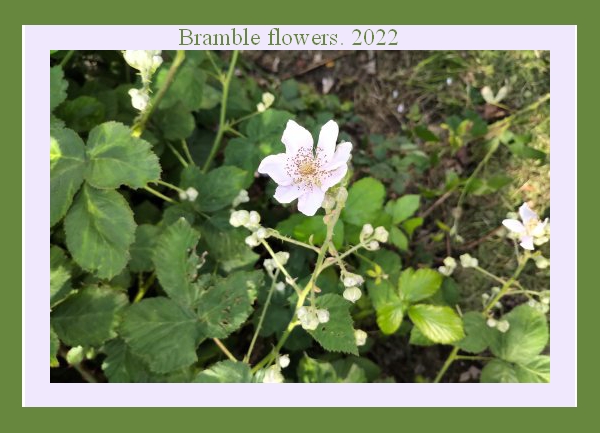
Today I’m going to talk about something that is useful as well as pretty. this flower graces our hedgerows every spring and gives us wonderful free fruit in the summer.

I am, of course, referring to the Bramble.

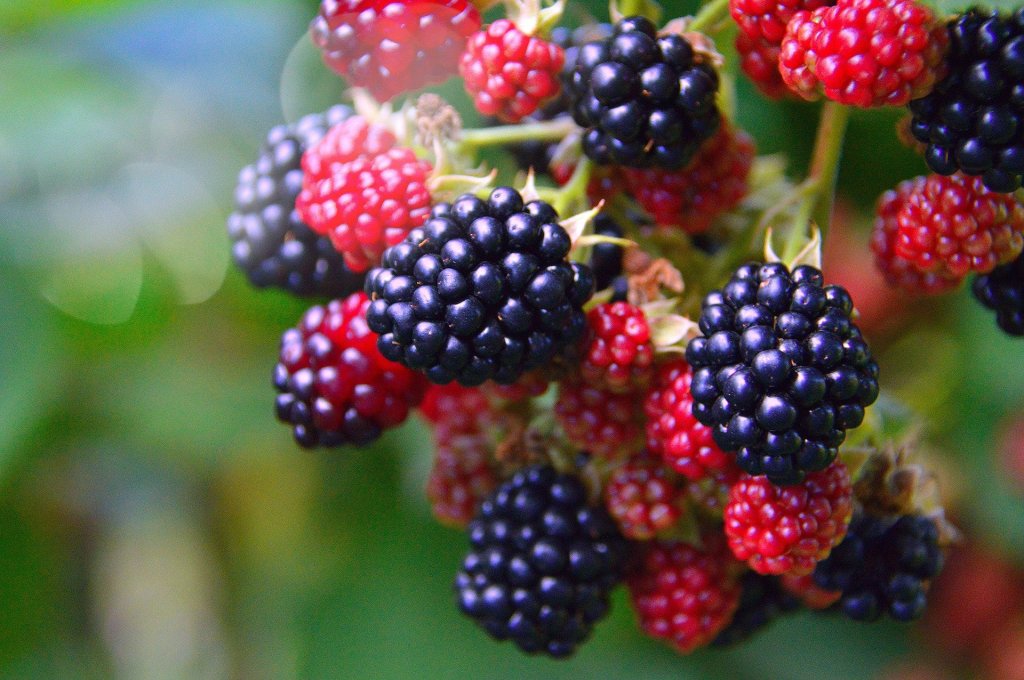
Bramble fruits are known as blackberries because of their black colour. And they are delicious in a pie or crumble, especially when paired with apples.

Image by Gábor Adonyi from Pixabay

As you can see, the fruit is red before it turns black, but it is only ripe when black. The red fruits are hard and sour. Each ‘fruit’ is made up of a number of small

Brambles are found in hedgerows and have long, thorny stems. Gathering them can be a somewhat painful experience, but well worth the occasional scratch.

If you wait too long to go out foraging for this delicious fruit, you will find the wildlife has got there before you. Not only humans, but the birds enjoy this fruit as well as a variety of insects.

Brambles belong to the Rosaceae family, which also includes the rose. Five heart-shaped petals and five sepals. The leaves are divided into three or five serrated leaflets. The leaf stalks are also prickly.

They grow almost anywhere, and have long roots which, I can tell you from experience, are almost impossible to get up. In spite of their wonderful fruits, they are a nuisance when they appear in your garden. They can root and produce new plants if the stems touch the ground, thus quickly taking over. This isn’t a problem in the hedges or scrubland, but not welcome in the garden.

Having said that, they are important to wildlife. They are a food source for bees, both honey and bumble. Some caterpillars eat their leaves, and foxes badgers, mice and birds eat the berries. A large clump will also provide a good habitat for wildlife, especially grass snakes (which, incidentally, are harmless).

You can buy cultivated blackberries in the supermarkets, but why would you do that? You can get this fruit absolutely free, and it’s a great afternoon out with the kids.

Just be sure that everyone has long sleeves, and if you have a dog, make sure he doesn’t like them, too. I had a dog that enjoyed them, abd we couldn’t put the bowl of gathered fruit down or he’d eat them.

FUN FACT.

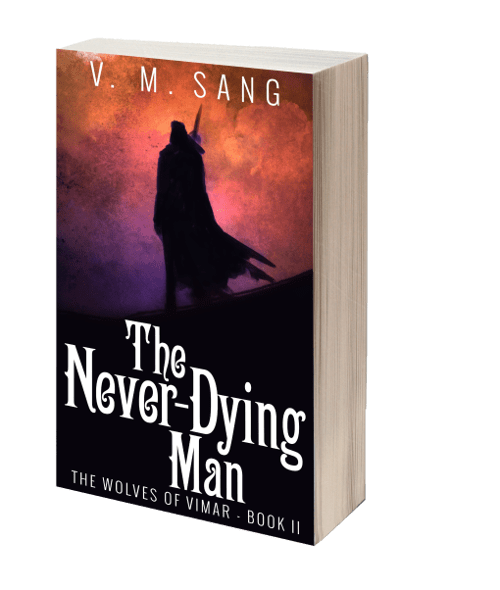
I gave the name of Bramble to a dog that attached itself to Fero in my Wolves of Vimar series, Book 2, The Never Dying Man.

(Here are links to Book 1, The Wolf Pack, and Book 3, Wolf Moon.)

If you want to make a blackberry and apple crumble, it’s the easiest thing in the world.

  1. Peel and slice the apples and mix with the washed blackberries and put into an ovenproof dish, size depending on how much fruit you have.
  2. Add sugar to the blackberries and apples, according to your taste.
  3. In a large bowl, sift 170 grammes (6 oz ) of plain (all purpose) flour.
  4. Add 85 grammes (3oz) softened butter, cut into small pieces. Using your fingers, rub the butter into the flour until resembles fine breadcrumbs.
  5. Add 85 grammes (3oz) of caster sugar and mix well in.
  6. Sprinkle the flour mixture over the fruit and press down slightly.
  7. Sprinkle with sugar (optional) and cook in a pre-heated oven, 180C, until golden brown.
  8. Serve with custard or ice cream.

You can alter the quantities of crumble mix depending on the amount of fruit you have.

I had some of the mix left over last time I made a crumble. I seemed a waste to throw it away, so I pressed some into a couple of biscuit moulds and put them in the oven. I cooked them until they were golden brown. They turned out to be rather sweet, but crunchy biscuits!

For more recipes, and a few old-fashioned hints, you can buy Viv’s Family Recipes by clicking on the link, or the book cover in the sidebar. You can then choose your favourite book site to buy.

In this recipe book I give some tried and trusted recipes from my family and friends, as well as some from my grandma, dated 1909. (Most of which I’ve not tried! They are very carb and fat-heavy, and many require long cooking. But it’s interesting to see what they used to eat in days gone by.)

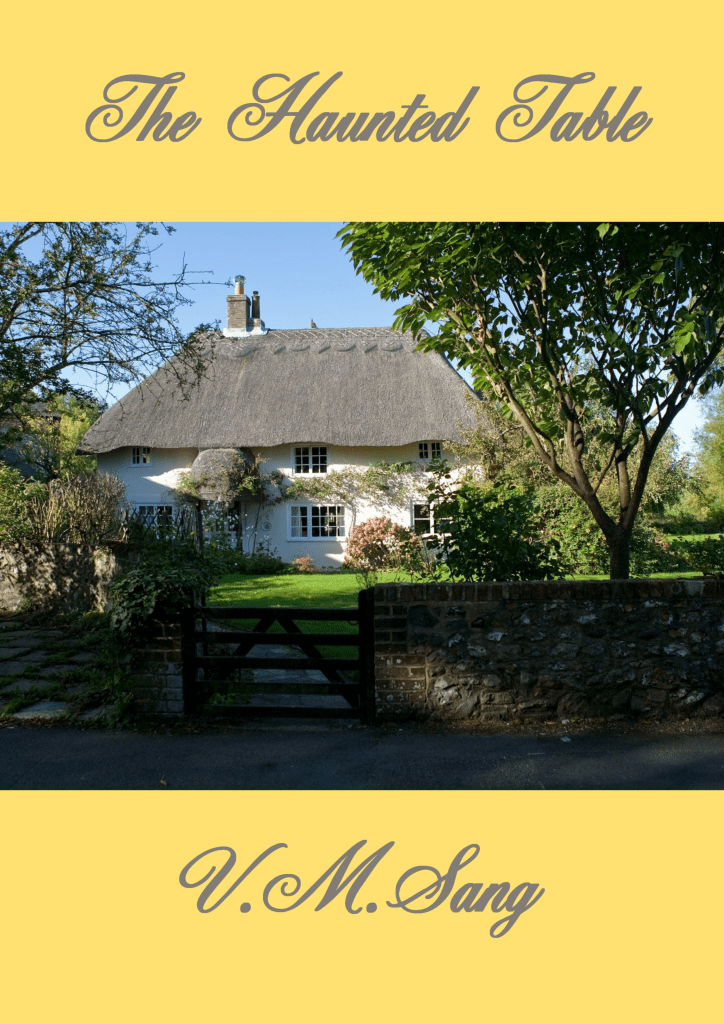
If you would like to receive an exclusive, free short story by me, called The Haunted Table, simply click the link. This will take you to the page where you can download it.

Maria and Tom have bought an antique table for the old cottage they have bought. When they hear strange noises in the night that sound like crying, they worry their house is haunted, but the sounds seem to come from the table.

They set about trying to find what is causing the disturbances. The answer is stranger than either of them had thought.

(Clicking the link will add your email address to my email list, but don’t worry, you can unsubscribe immediately if you wish. Nor will you get any spam. I only send out an email each quarter, or if I have any exciting news–like a new release.)

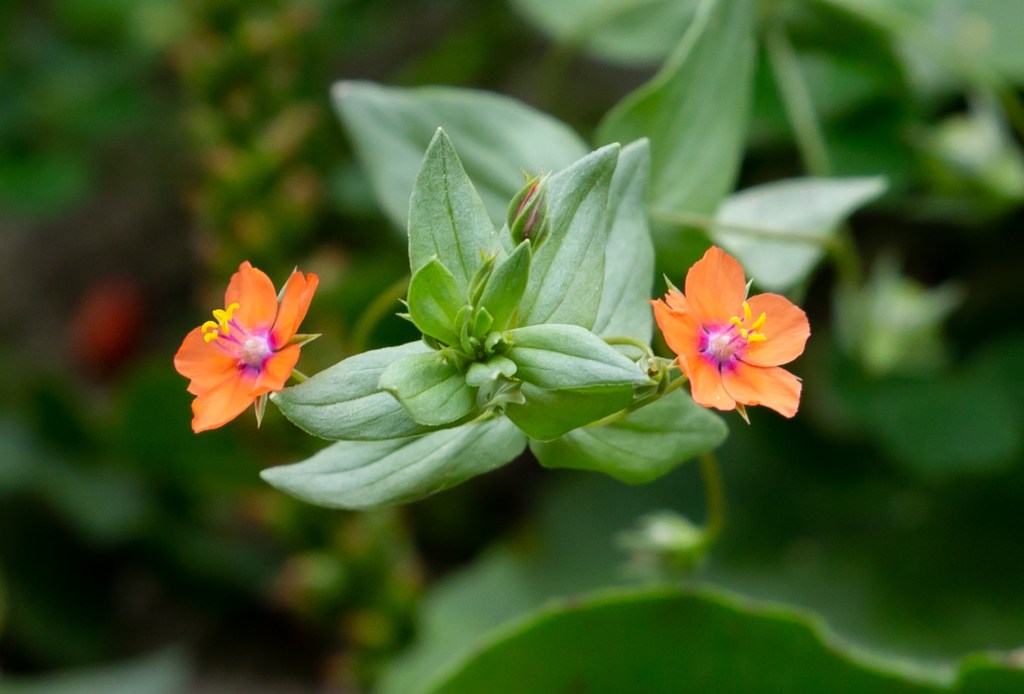
British Wild Flowers: The Scarlet Pimpernel

Many of you will have heard of the book by Alexander, Dumas, The Scarlet Pimpernel. This story told of a British aristocrat who rescued French aristocrats in the Revolution. He got his name because he took as his emblem a simple, small red flower.

This flower is also known as Poor Man’s Weathervane, or, according to the Wildlife Trust, Old Man’s Weathervane, or Shepherd’s Weathervane, but where I come from originally, it was Poor Man’s Weathervane!

This simple little flower got its name because it closes its petals when the pressure falls, and bad weather is on the way.

It is a pretty little flower that was once a weed of cereal crops, is now in decline because of the way farmers now farm the land, spraying crops with herbicides to maximise their yield. It is now found mainly in gardens and roadside banks, and other waste ground.

It is easily overlooked because of its small size, which is a pity, because it’s a pretty little flower.

The picture, which I got from Pixabay, makes it look larger than it is in real life. The flowers are only about 1 cm across. I think it’s a lovely little flower and I hope it doesn’t decline further.

I have one small plant in my garden that comes back each year, and I hope it stays. I don’t think of it as a weed, because a weed is a plant growing where you don’t want it, and I want this wild, little beauty.

Do you have a favourite wild flower? If so, what is it? Where does it grow?

Please leave your comments and answers in the comments box.

If you would like to receive an exclusive, free short story by me, called The Haunted Table, simply click the link. This will take you to the page where you can download it.

Maria and Tom have bought an antique table for the old cottage they have bought. When they hear strange noises in the night that sound like crying, they worry their house is haunted, but the sounds seem to come from the table.

They set about trying to find what is causing the disturbances. The answer is stranger than either of them had thought.

(Clicking the link will add your email address to my email list, but don’t worry, you can unsubscribe immediately if you wish. Nor will you get any spam. I only send out an email each quarter, or if I have any exciting news–like a new release.)

Wild Flowers of Britain. 1. The Dandelion

Some people will refer to these plants as weeds. But what is a weed? Grass growing on your lawn is not a weed, but if it grows between your beloved flowers in the flowerbed, then it is.

In the above case, the grass is growing where you don’t want it, hence it’s a weed. So a weed is any plant growing where it’s not wanted.

I have, in the past, bought plants from garden centres and put them in my garden. Sometimes I regretted it as they wanted to take over the whole garden, even though they might be pretty. They have become weeds.

A weed is a plant growing in the wrong place.

So here are a few wild flowers, not growing in the wrong place!

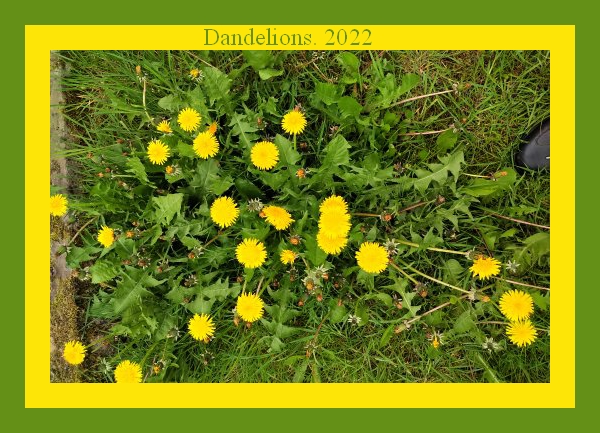
The first of these is one that is often disparaged, and called a weed wherever it grows. That’s the Dandelion.

These plants are so-called from the French, ‘dent-de-lion’, meaning ‘lion’s tooth’. If you look at the leaves, you can see how this name came about. However, the French call it ‘piss-en-lit’ or ‘wee the bed.’

When I was growing up, we told each other not to pick dandelions or we’d wet the bed. There is a miniscule truth in this as the sap of the plant has diuretic properties.

I also believe that the leaves make a spicy addition to a salad, but I’ve never tried it myself.

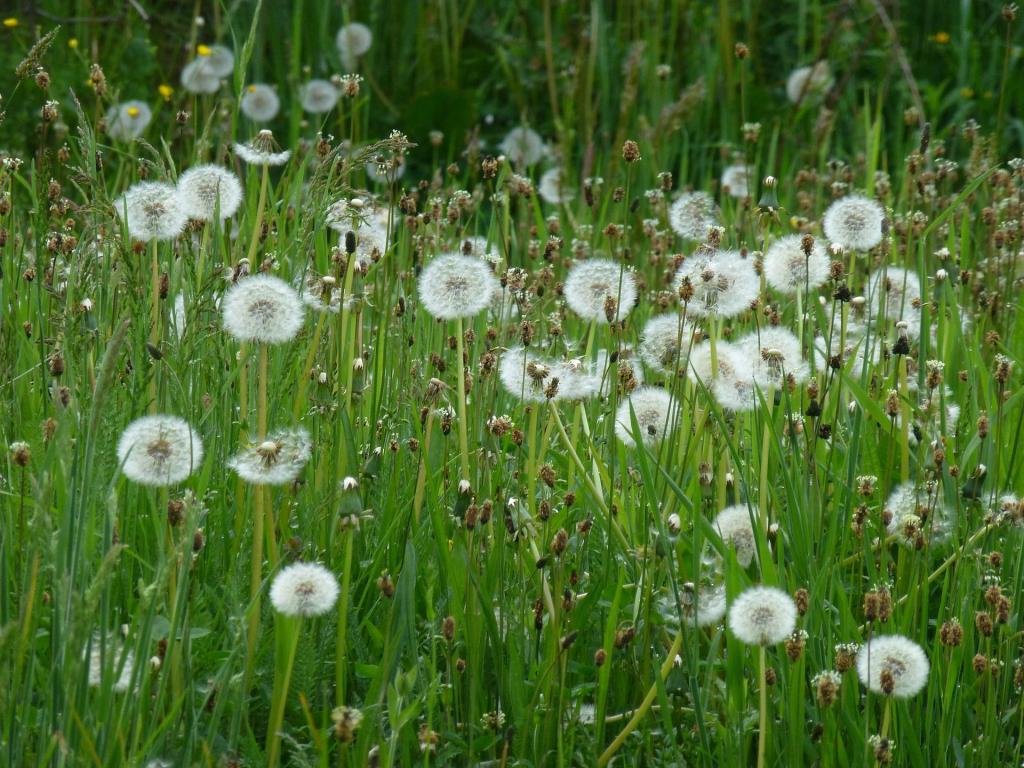
When we were growing up, we used to call the seed heads ‘Dandelion clocks’. We blew the seeds of, counting ‘one o’clock, two o’clock etc’ until all the seeds were gone. then that was the time. We never really believed it, but it was a fun thing to do. And it helped spread the dandelion seeds.

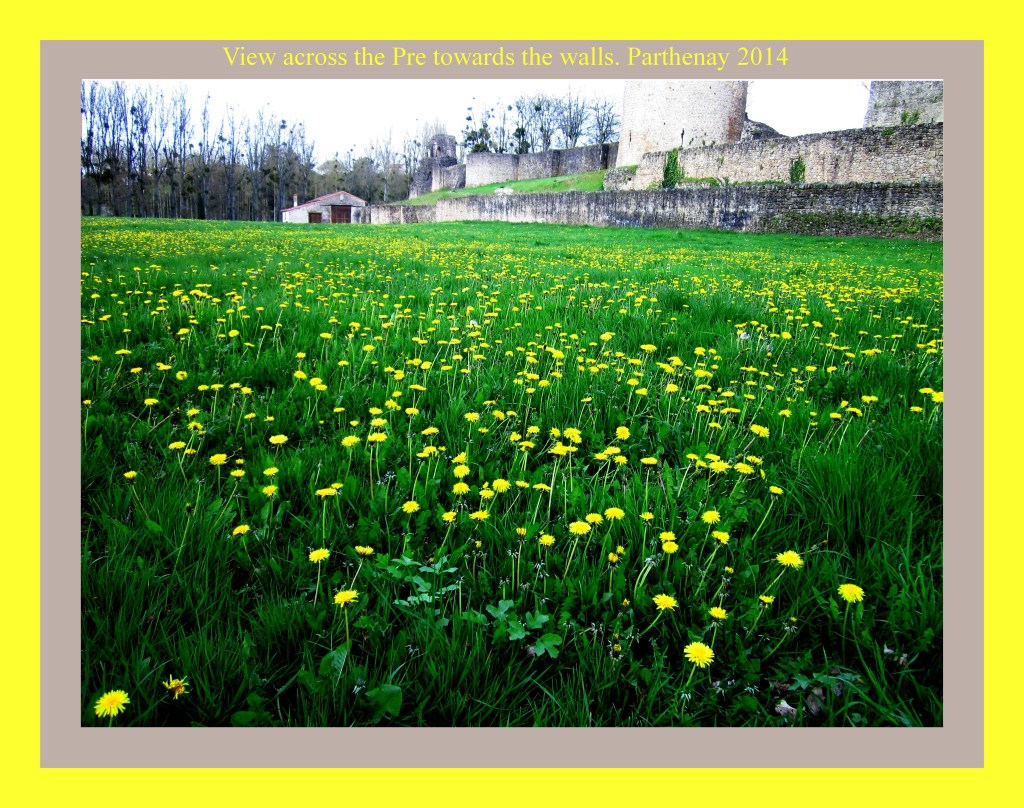
Personally I like dandelions. They are lovely flowers, and make a bright carpet in the springtime on roadside banks.

Here is a picture of a field of dandelions in Parthenay, France, just outside the walls.

I have a vague memory of being told that during WW2, people used to make coffee from the long tap roots. It would certainly be caffeine free! Anyone who has ever tried to dig up a dandelion can testify to those roots!

Dandelions, though, have a high propensity for absorbing things around them, that includes weedkillers and pesticides, as well as heavy metals such as lead, so it is as well not to eat them from anywhere near roads, or places where herbicides and pesticides can be absorbed.

Wikipedia tells me that dandelion flowers were used to make a pale yellow dye, and the inner ribs of the leaves made a purple one.

They can self-pollinate, which is useful for them as they flower early, so they can pollinate themselves before insects are around, but their bright yellow flowers attract bees as soon as they emerge in the spring. Be careful of using herbicides on them, though, as it can harm or kill the pollinating insects.

And, of course, the Rolling Stones made a song about this flower. Here’s a link to YouTube so you can listen to it.

If you would like to join my mailing list and receive a quarterly email about what I’ve been up to, click the button below.

You will receive a free and exclusive short story by me as a thank you.

A visit to the National Botanical Gardens of Wales

Last September I had a holiday in South Wales. It was one that had been cancelled during lockdown, but now we could go on holiday once more.

The weather was fantastic, and two things pleased us. The first was that a leg of the Tour of Britain (cycling) was starting from the local town. The second was that The National Botanical Gardens of Wales was just down the road.

These gardens are in the Towy valley in Carmarthenshire. They were opened in 2000 on the site of a mansion belonging to a family called Middleton. They built their mansion here in the early 17th century. It was bought in 1789 by Sir William Paxton, who had the idea of turning it into a water park.

There is a lot of history to this place, and you can find out more on Wikipedia, by following this link. https://en.wikipedia.org/wiki/National_Botanic_Garden_of_Wales

We visited these gardens twice, and I thought I would share some of the pictures I took with you.

Here they are.

The Dome was divided into areas representing different parts of the world.

I don’t know what this plant is, but it’s interesting.

This was the apothecary’s hall with an interesting apothecary’s garden behind.

I was intrigued by this poem. Sadly, I didn’t take any photos of the garden behind the hall.

In the tropical house there were many plants in flower. Here are some of them.

And finally, not from Wales, but my garden. It’s a pity I can’t post the scent of the daphne bush. It’s wonderful. This was last year, and it’s even better this year.

I love to hear your thoughts, so please add your comments to the comments box.

If you would like to receive an exclusive, free short story by me, called The Haunted Table, simply click the link. This will take you to the page where you can download it.

Maria and Tom have bought an antique table for the old cottage they have bought. When they hear strange noises in the night that sound like crying, they worry their house is haunted, but the sounds seem to come from the table.

They set about trying to find what is causing the disturbances. The answer is stranger than either of them had thought.

(Clicking the link will add your email address to my email list, but don’t worry, you can unsubscribe immediately if you wish. Nor will you get any spam. I only send out an email each quarter, or if I have any exciting news–like a new release.)

If you would like to receive an exclusive, free short story by me, called The Haunted Table, simply click the link. This will take you to the page where you can download it.

Maria and Tom have bought an antique table for the old cottage they have bought. When they hear strange noises in the night that sound like crying, they worry their house is haunted, but the sounds seem to come from the table.

They set about trying to find what is causing the disturbances. The answer is stranger than either of them had thought.

(Clicking the link will add your email address to my email list, but don’t worry, you can unsubscribe immediately if you wish. Nor will you get any spam. I only send out an email each quarter, or if I have any exciting news–like a new release.)