Category Archives: Uncategorized

my latest book has gone to the publisher

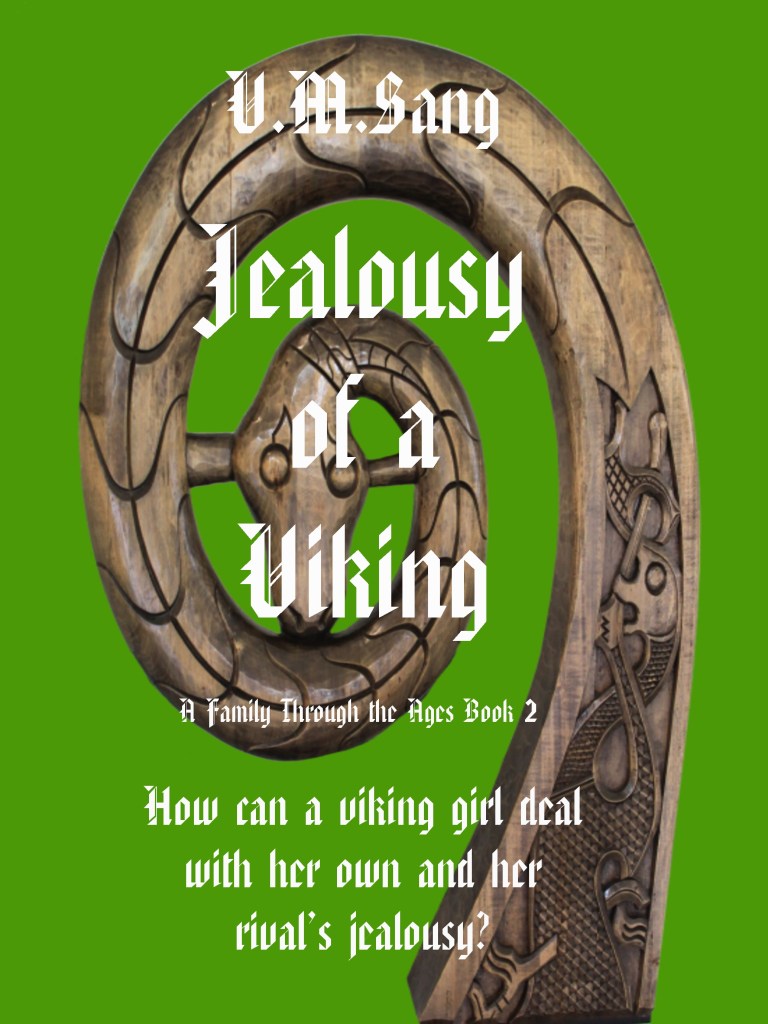
This is not the final cover, but one I knocked up as a temporary measure.

On Saturday I sent the manuscript of Jealousy of a Viking to my publisher. This one has been long in the making. I don’t know why, but I seemed to want to go over it and over it.

Eventually I decided I had to bite the bullet and send it, so there it is—residing with the publisher until they can get around to dealing with it.

I know they have a load of books to publish, but it’s this waiting time I find so difficult. I’ll let you know as soon as I know something, of course. When that will be, who knows.

This book tells the story of Helgha, a young Viking girl who has to come to terms with jealousy both in herself and her lover’s wife.
This eventually leads to disaster, of course.

When I know a bit more of what is happening I’ll let you know, but until then, here’s a taster.

CHAPTER 1

Helgha wrinkled her nose while digging up the bulbs of the ramsons plants. The pungent smell that arose as she dug tickled her nostrils. She looked at her spoils, decided she had gathered enough and picked up her basket.

The sun was sinking toward the horizon making the shadows of the trees creep like hands reaching to grab her. She shivered. Soon the wolves would be hunting.

A swishing sound, like footsteps in the dead leaves fallen from the trees sounded in her ears. She whirled around, her ash blonde hair whipping her face. No one from her village would be coming from that direction. The road led deeper into the forest and all the villagers would be at home now. Could it be an outlaw? Strangers were not to be trusted.

She looked around. She should not have stopped to gather the extra ramsons, even though, with the winter approaching, it would be needed for the inevitable coughs and colds.

Helgha listened. A blackbird scrabbled in the leaves under a small bush. A squirrel chattered at her from high in the tree above, angry at her presence. She drew her brows together. What had she heard?

Concentrating, she discerned a voice muttering, but could not make out the words. Who was this person speaking to? Did it mean more than one person approached? She looked at the shadows of the trees. They would help to hide her, but her walk back to the village would be in near darkness; dangerous for a girl out alone.

A young man leading a grey horse appeared from around a bend in the road. He murmured to the animal as he walked. Seeing the stranger, Helgha backed toward the bushes at the edge of the track. She hoped to make herself invisible in the shadows, but his eyes turned in her direction, the movement giving her away.

“Hey,” He looked toward where Helgha had pushed her way into the undergrowth. “Can you help me? I’m lost.”

Helgha backed farther into the bushes looking for somewhere to run. Perhaps the narrow animal track behind her would lead to a wider one where she could make her escape and run back to Thoringsby.

The branches snatched at her long skirts. I wish I were a man. Then I’d wear breeches. She pulled her grey woollen overdress from an elder bush.

The man called again. “I won’t hurt you. I only want to find a way out of this endless forest and back on the road to Jorvik.”

Helgha stopped. She could not go any farther. A large bramble bush prickled her back, its thorns penetrating the woollen cloak she wore.
The man dropped the horse’s reins and animal stopped, obedient to the signal. The stranger walked toward where he had seen Helgha before she pressed into the undergrowth.

“I understand why you’re afraid. I know strangers can be scary.” He smiled, making his grey eyes light up. “My name’s Erik.” He stopped walking and continued to speak. “I’m assuming there’s a farm or a village ahead and that’s where you’ve come from.”

Helgha stepped out from the bramble bush. She had to wrest her cloak free from the wicked thorns trying to pull her back. The man had seen her, so it was no use pretending she was not there. If he wanted to he could come after her. Anyway, she could go no farther with the dense brambles blocking her way.

“My home is a few minutes away.”

“Will you help me find a way out of the forest?”

Helgha looked at the man. He had light brown hair, a beard and a long moustache, as did most of the Danish men. His clothes looked of good quality and an expensive brooch pinned his cloak at the shoulder. She estimated him to be about eighteen years old—a few years older than herself.

As she looked at him, a hundred butterflies took flight in her stomach. She pressed her fist against it to try to stop their fluttering wings.

He’s not a beggar, nor even a poor man. Certainly not an outlaw, dressed in those clothes. And he has a friendly face. A handsome face. He’s lost as well.

She made a decision to help this man. As she began walking along the road, she beckoned Erik to follow. He picked up the reins and pulled his horse forward. It shook its head as if in denial before beginning to follow.

Helgha stopped and walked back to where the reluctant horse limped forward. She patted the animal talking gently to it. “You’re a beauty, aren’t you. Does your leg hurt?”

She turned to Erik. “What happened to your horse?”

“She tripped over something as we followed some game. I hope she’s not done too much damage to her leg. She’s a good horse.”

Helgha smiled. “Father’ll have a look at her when we get home. He’s good with horses. Have you walked far?”

“It seems like hundreds of miles.” He shrugged. “But it’s probably only a few.”

“How did you come to be lost?”

“My friends and I went hunting. As we cantered along, Stjarna tripped. The others rode on and I started to return to Jorvik. We’d ridden into a part of the forest we didn’t know—chasing a stag.’ He laughed. “He gave us a good run. I hope the others caught him. On the way back I must have taken a wrong turn somewhere.”

“You must have. We’re almost a day’s journey from Jorvik.”

“No wonder I felt I’d walked for weeks. I’ve gone in completely the wrong direction.”

They continued to walk along the forest road that wound between tall trees, mainly oaks, with bramble and bracken growing beneath their canopies. The leaves had begun to turn a yellow-gold and many had dropped to form a carpet beneath their feet. They swished like the sound of waves invading the beaches as their feet and hooves passed through them.

Helgha sniffed the air. A familiar scent reached her nose. This time of year fungi grew in abundance and people used them to flavour their stews.

“Wait a moment.” She rushed toward a fallen tree trunk where she picked some edible fungi from its bark. “These are good to eat. Mother will be pleased to have them.” She continued walking, looking back to see if he followed.

After a little while, the ground began to rise and the forest thinned. Shortly, the trees stopped altogether. Ahead a cleared area at the top of a little hill came into view. Fields surrounded the village with partially harvested crops growing in them. A small coppice of hazel grew on one side of the hill. The villagers used the wood for making everything from baskets to houses, and the nuts were a valuable crop for the winter.

As they climbed to the top of the hill a palisade with an open gate appeared. This was Helgha’s home. A large longhouse stood in the centre of the village surrounded by smaller ones in the same style. All the houses had thatched roofs that came almost to the ground. A frame of wood made up the walls, with a lattice of sticks woven between them. The houses had been made weatherproof by having a sticky clay substance daubed on thickly.

“Tie your horse here, Erik, then come into the house.” Helgha pointed to a post next to the palisade.

The Dane did as she bade him and followed her into the large longhouse.
The pair entered through a door set in the middle of one of the longer sides of the building. Compared to outside, the house was dark, but their eyes soon became accustomed. A fire pit glowed in the centre of the single room, the smoke curling toward holes cut in the thatched roof. These holes allowed light to enter as well as letting the smoke from the fire to escape.

One end of the longhouse was closed off. Animals shifted around in that space, and occasionally there came the lowing of a cow. The scent of the animals permeated the large room, mingling with the smell of the smoke from the fire. At the other end of the longhouse, a wooden wall closed off another room.

A double row of wooden pillars ran the length of the house. Wide benches filled the gaps between them. A sheepskin and a blanket lay on each bench.

Three boys, all younger than Helgha, sat on one of the benches playing some sort of game while farther down two women gossiped as they span wool into yarn.

A pot hung over the fire and a woman with ash blonde hair, very like Helgha’s, stirred it. The woman straightened and rubbed her back smiling at Helgha. “You’re back. I was becoming anxious as it’s getting dark. Who’s this you’ve brought?”

“This is Erik. I met him as I started for home. He was lost.”

As they talked, the door opened to admit a tall man with light brown hair. He walked over to the fire and warmed his hands. “It’s getting cold in the evenings,” He looked around and noticed Erik. “Who’s this?”

Erik stepped forward and introduced himself.

“So, my daughter found another stray. This one’s a bit bigger than most.” He laughed and put his arm around Helgha to give her a hug. “She has a kind heart and often finds something that needs looking after.” He turned to the girl. “Speaking of your waifs, you’d better go and see to that orphaned fawn you brought home. He’ll need to go back to the forest soon.”

Helgha turned with a glance toward Erik that set all the butterflies off in her stomach again. She dragged her feet through the door, pausing once more to look back at Erik and her father.

Helgha’s father was big and had the look of a warrior. He had a full, bushy beard and twinkling blue eyes that he now turned toward Erik.

“I’ll show you the road to Jorvik tomorrow,” Helgha heard him say as she left to feed the orphaned animal. “It’s going dark now and it’ll be dangerous to leave. Stable your horse with the other animals. Over there.” He pointed to the room holding some cattle and pigs.

Helgha left and entered the stable end of the house. She pulled some hay over to a young deer as Erik led his horse through the door. She stood and patted the mare. “What’s her name?”

Erik gave the horse some water. “Stjarna.”

“A pretty name,. But she’s a pretty horse so should have a name to match.”

Helgha’s father pushed the door open. “Let me have a look at your animal. She looks to have hurt herself.” He knelt down and ran his hand down the leg. The mare shifted as he touched a sore spot.
“ I don’t think there’s anything to worry about. It’s a bit bruised that’s all. Rabbit hole, was it?”

“Yes. I didn’t see properly. I was too busy getting up and looking where my friends had gone. I noticed she was limping, so I couldn’t chase after them.”

Although it was not close to the fire, the warmth of the animals kept the stable end of the house warm. When he had made his horse comfortable, Erik returned to the main part of the house, Helgha following.

Once they were back indoors, Helgha’s father said, “If you’re staying here tonight, I should introduce you to the family.” He laughed—a loud and cheery sound. “I’m Biorn. My wife is Ædelflaed. Helgha you know. Boys, come here,” he called to the three sitting in the shadows. “This is Hartvigg. He’s seen eleven summers. Then there’s Laeff. He’s seen nine summers and little Sigmund five. Helgha has fourteen, or is it fifteen? I forget sometimes.”

Ædelflaed shook her head. “Really!” she scolded, with a smile at her husband. “She’ll be fifteen in three weeks time. You know that as well as I do.”

“Well she’s fourteen now,” her husband argued and turned to Erik. “It’s late. You must stay tonight and I’ll show you the road to Jorvik tomorrow. Your friends? Will they be anxious about you?”

Erik laughed. “I expect so, and when they return to Jorvik without me, my father will no doubt punish them before sending them out to find either me or my body.”

When Ædelflaed served the stew and they all sat eating, Helgha watched Erik and followed his gaze as he looked at the round shield and battle-axe hanging on the wall opposite him.

He turned to Biorn. “You were a warrior then? When did you come here?”

“With the Great Army. We conquered this area. The Anglo-Saxons are weak fighters. It wasn’t too hard.”

“And you decided to stay?”

“Not straight away. I went back to Denmark. Then I came again. There was land here for the taking. Good land. Rich and fertile. I met Ædelflaed soon after that and we married.”

“Many came to settle,” Erik said. “My own family did. My father fought with the Great Army, too, and was there when they took Jorvik. He still tells tales of that battle; how the Anglo-Saxons tried to fight back, and we killed their leader.”

Helgha gazed at Erik throughout this conversation. She tried to memorise his features. She knew when he left she would not see him again. She thought he was the finest man she had ever seen. He was handsome and tall with the muscular body of a warrior.

He turned to look at her and she blushed. Erik smiled and that made her face heat up even more. The idea that he might know she liked him embarrassed her. She was only a young girl, but she was of marriageable age. Many girls as old as she was were married already.

Her parents would find her a suitable husband, and she would endeavour to be a good wife, but she wanted to remember Erik. She could dream of him at night and imagine his kisses, but only if she could remember exactly how he looked.

She had been watching him, remembering how he held his head and threw it back when he laughed. She noted the way he smiled. He loved his horse, too. She had watched as he patted it and spoke in a low voice so as not to startle it. Yes, she had enough stored to remember this man who had come so unexpectedly into her life and would as quickly leave it.

That night as she lay on the bench in her furs, she wept in silence for what could not be.

I hope you enjoyed this little taster of my latest work and are as anxious looking to read the rest as I am to hear more from the publisher.

What did you think about this first chapter? Does it whet your appetite for more?

If you want to find out more about me and my writing, then sign up to join my quarterly newsletter by clicking on the join button.

JOIN

change the way you see me.

World4women has posted this lovely way of representing women. Click on the link to read the post.

 The Way You See Me

WORLD4WOMENCOM

woman-nature

Dear Society,

You see me as tears, saga of a broken beaten self. But I am a rain drop that has many rainbows hidden in its embrace.

You see me as dust that can be swept under the carpet of your fallacious ego. But I am the earth from whose lap life emanates.

Change The Way You See Me – world4womencom (wordpress.com)

Feel free to share this with your readers, and leave a comment in the comments box.

If you would like to find out more about me and my writing, then join my mailing list by clicking here. I promise, NO SPAM. I hate it as much as everyone else. You will find more about me and my writing, and get the first views of covers and information about new releases. I usually send an email every three months, with occasional ones in between, so you won’t be inundated with emails filling up your inbox!

Appearence on Smorgasbrod cafe and bookstore

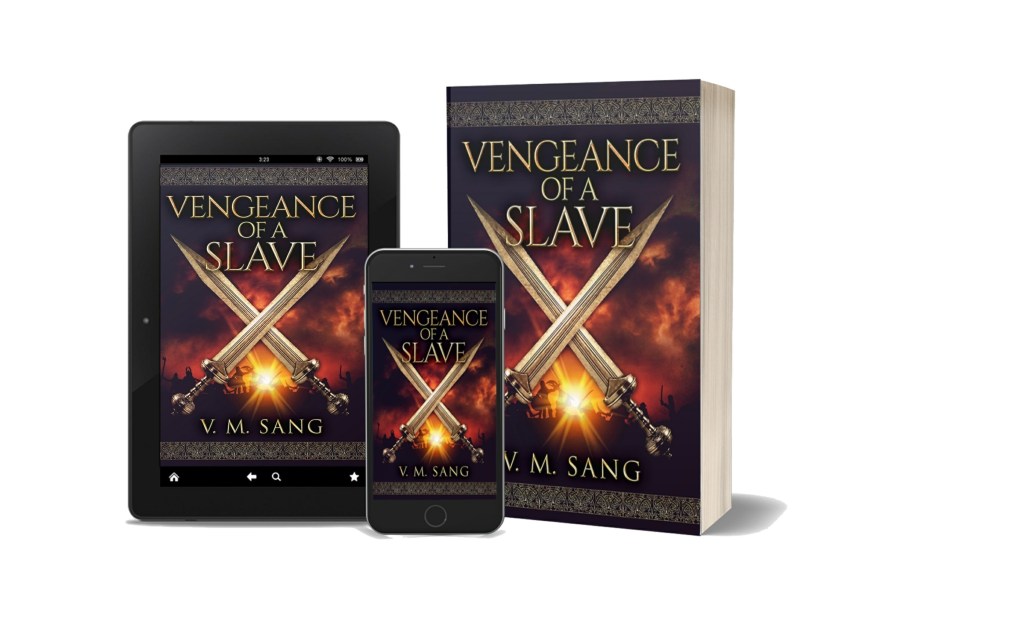
Today, Sally has featured my book, Vengeance of a Slave on her bookstore. I am grateful for all the help Sally gives to writers. She’s a marvel.

Pop over to her site and take a look at my book, and while you are there, browse some of her other posts. Well worth the time.

Click here to visit.

review of the dialectic of agony, echo 3 by Kent Wayne

Overview.

Another extremely enjoyable book in the Echo series by Kent Wayne. This book picks up where book 2 ends and has a surprise towards the end.

Blurb

While Crusader Kischan Atriya fights to keep his life and sanity, his mentor Chrysalis Verus undertakes a perilous journey across the wilds of Echo. Their separate paths intertwine in the unlikeliest of places and across all borders, both psychic and physical.

Story

Atriya is in a bad way after his fight in Book 2. He has ‘boosted’ three times in 24 hours. The recommended number is 1 or severe brain damage might occur.
This book follows Atriya and his friend and mentor, Verus, across realms both physical and mental.

Characters

The characters are, as in the o ther books, believable. They have their flaws, especially Atriya. During this book he develops in many ways through his interactions with other characters and begins to see that his life as a Crusader is not what he thought it was.

Writing

On the whole, Mr Wayne’s writing is good and clear. He sets scenes that one can easily picture and draws you into the story with ease, so you don’t want to put the book down.

Conclusion

Another 4* stars for this one, largely because of things that slightly irritated me, like the way he uses ‘earth’ when he means ‘ground’. We are not on Earth.

I hope you enjoyed this review. These books are definitely worth a read. They are not simply adventure stories, although they are that, but they have a definite philosophical slant as well.

Feel free to reblog this post. The more eyes on these books the better it will be for Kent Wayne.

If you enjoyed this review, please leave a comment in the comments box.

baking

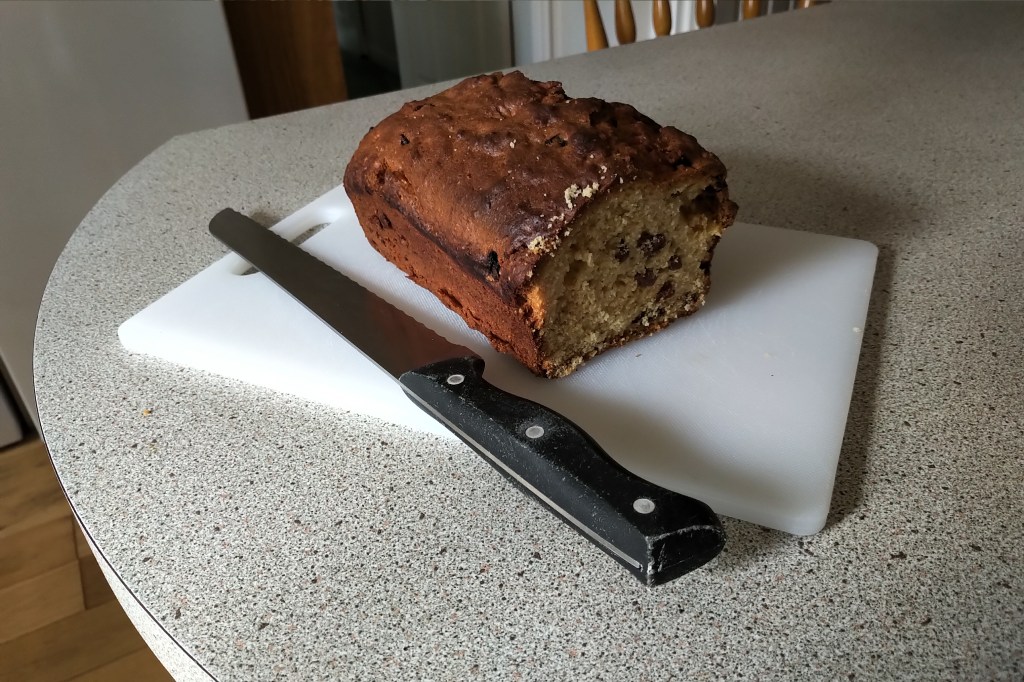
I made this bun loaf. It’s delicious served in slices with butter.

Here’s the bun loaf recipe: It was one from my Mum’s sister, Auntie Millie.

Ingredients

375g flour

250g sugar

170g mixed dried fruit

1 egg

A little milk

½x5ml teaspoon mixed spice

2x20ml tablespoons marmalade

Method

Cream the margarine and sugar together until light and creamy.

Add the egg and beat well.

Fold in the flour and then add the other ingredients.

Put into a well-greased loaf tin and bake at 180C for about 1½ hours.


And now for a rock cake recipe. This was from Auntie Millie’s friend, whom I called Auntie Wyn. (In those distant days, any adult was either Mr or Mrs , or Auntie or Uncle if they were friends of the family. Children calling adults by their first names was not done.)

Ingredients

250g SR flour

125g caster sugar

125g margarine

1 egg

Dried fruit to taste.

Method

Rub margarine into flour until it resembles fine breadcrumbs. (Or use a mixer.)

Add sugar and dried fruit and mix well in.

Add the eggs. This is a very stiff mixture.

Break into pieces and bake on a baking tray at 180 o C for about 10 minutes.

They are delicious straight from the oven. Well. I suggest letting them cool a bit first!

You can find more of my family’s recipes for only 0.99 (£ or $) from today until March 6th in Viv’s Family Recipes.

This little book is not only a recipe book, but gives insight into how different things were in food preparation and cooking in the past. Some of the recipes date back to 1909, from my Grandmother. Many of these old recipes contain a lot of fat, and require long cooking.

I love to hear from you. Please add your comments into the comments box.

To join my newsletter, and find out more about me and my writing, click on this link. I promise I won’t spam you. I only send a letter 4 times a year, with the occasional one in between to tell you of new releases and stuff like that.

An Extract from Vengeance of a Slave

Adelbehrt was taken as a slave at six years old by the Romans. His new owner took him to Britannia, far away from his homeland. Here he grew up as a house slave, but never lost his resentment towards the Romans for his capture. He nurtured an idea that he could escape and return to his home village and find his mother once again.

But this was not to be, and although he did escape, he had to change his name and pose as a Britain. He is now known as Ailbert and has recently arrived in a village near to Eberacum, as the Romans called the city we now know as York. He has made a friend and has confessed that he would like to help get the Romans out of Britannia.

This extract tells of the first meeting of some hot-headed young men intent on rebellion.

As the sun began to set, Ailbert made his way to where Rhodri told him the young men were meeting. As he approached, one young man of about eighteen looked at Rhodri and asked grufflysaid, “What’s he doing here? He’s a stranger. We don’t know if we can trust him.”

“Come on, Rees,” Rhodri replied. “He can be trusted. I know he hates the Romans as much as the rest of us.”

Rees turned to Ailbert. “Rhodri says you hate the Romans. Tell us why.”

Ailbert looked at the other young man and began to chanted his litany of hate.

“They crucified my father; they took my family away from me; they took my home from me; they took my friends from me; they took my country from me; they sent Odila to a brothel; they treated me like a pet animal; they sent Avelina to a brothel; they took our names from us; they made a slave of Maeve; they tortured and killed an old woman for helping us; they made us flee from our new village; Tt: they took Awena’s chosen man from her.”

Upon hearing this, all nine of the young men gathered round the well stared at Ailbert. This litany could not have been made up on the spur of the moment, so they knew some of it at least must be true.

Gareth, who appeared to be their leader, then said, “It seems you have a great deal to hate the Romans for. You can join us if you wish. We’re planning an attack of some kind. It would be great if we could stir a full rebellion, but I don’t think the older men would join us. We need to decide what kind of things we can do to disrupt the Romans as much as possible, and even kill a few. If we cause enough trouble, then maybe they’ll decide it’s not worth staying here and go away.”

“Boudicca nearly succeeded in the south,” put in Ailbert. “Unfortunately, the Romans came back from Mona before everything had settled down.”

“And perhaps Venutius would have had some success if Cartimandua hadn’t been so difficult. If she’d fought the Romans with him and Caractacus, perhaps we wouldn’t be under Roman rule now,” someone said solemnly solemnly.

Gareth looked around. “Now, how are we going to fight the Romans? Perhaps we could send a message around the other settlements, asking people to join us. Then, when we’ve gathered enough men, we could fight a battle that we could win.”

“We’d need thousands, Gareth,” Rees stated from the back of the group. “How are we going to get so many?”

“When people hear about our proposed rebellion, then they’ll come, I’m sure.”

“No, not enough, Gareth. We can’t fight the Romans. Have you seen their organisation? That’s the reason we’ve never won against them. This meeting is a waste of time. The Romans are here to stay and we’ll have to get used to it.”

“Don’t be so defeatist, Rees,” said another voice piped up. “There must be some way we can fight them.”

As Ailbert had been listening to this, he’d had been thinking all the time. He then spoke with an idea that had been going round his head. “You’re all good hunters and are successful in killing your prey. Why is that?”

Silence fell as the young men looked at him and wondered what this had to do with attacking the Romans.

“We all know how to be stealthy and to hide. We only shoot when the animals are confident and not easily spooked.”

Rees said, “This is all nonsense. Hunting has nothing to do with raising a rebellion against the Romans. I’m out of here.”

“Wait, Rees!.” Ailbert’s voice was firm and confident. “Hear what I have to say before you go.”

Rees turned settled down again with a humph and a mutter no one else could make out.

“You’re all successful hunters because you know your prey. You know where they’ll be and when. Then you hide so you can’t be seen, and shoot from cover. The animals don’t know what’s happened. This can be used against the Romans.” Ailbert looked to the back of the group and his eyes found those of Rees. “I agree, Rees. We can’t fight them out in the open and so I propose we hunt them instead.”

Ailbert was surprised when a round of cheering erupted.

Then Gareth spoke. “Ailbert has some excellent ideas. I suggest we make him our leader in this. I couldn’t have come up with a plan like that.”

They greeted this suggestion with another round of cheers; and in this way, Ailbert found himself the battle leader of a group of young hotheads who wanted to fight Roman soldiers.

Until Thursday, March 4th you can get Vengeance of a Slave from Amazon for only 0.99 ($ or £). Don’t miss out on the chance to find out if Ailbert and his friends are successful against the Romans.

Here’s a review the book got on Amazon.

R. J. Krzak, Award-Winning Author
5.0 out of 5 stars A Riveting Story Set in Roman Times


Vengeance of a Slave by V.M. Sang is a riveting story set during the period when Rome controlled Britannia. Follow the trials and tribulations of Adelbhert after he and his sister are taken by the Romans from their mother. They eventually end up as slaves in what is modern-day London. Adelbhert performs a nightly ritual to remind himself of the suffering he and his sister have endured, beginning with the crucifixion of their father. He vows to escape and punish those who have wronged him.

V.M. has created a moving story which will keep you turning the pages to find out how Adelbhert and his sister handle their new life. Experience their sorrow, anguish, and finally hope as they adapt to their changing situation. This is the first novel I’ve red of V.M.’s and it certainly won’t be the last!

I will be delighted to receive your comments. Please add them in the comments box.

If you wish to join my quarterly newsletter, click here. It will let you know how my writing is progressing as well as letting you know of a little more about myself.

the last post

I am feeling sad. I have read Sue Vincent’s post that she entitled The Last Post.

If you don’t know Sue, you have missed knowing someone who is a wonderful person. Her blogs have opened up much of both historical Britain, and that inner light that shines still from her.

Not for much longer, though. She was diagnosed with terminal lung cancer and, brave as she is, carried on posting her wonderful posts, writing her beautiful poems and even writing poetry from her ‘small dog’ Ani.

Now it seems a light is going out in the world.

This may be the final post that I get chance to write for the Silent Eye… that decision has been taken out of my hands. I spent much of last week in hospital, having, as many of you know, been diagnosed with incurable small cell lung cancer last September. It has been an interesting and informative journey on so many levels as familiar things have been stripped away and a gift of love left in its place… rather like the tooth fairy leaving something of real value in place of a discarded incisor.

First to go was the illusion of near-immortality that gets us through life, one way or another. We know there is a certain inevitability about life leading to death, but we tend not to apply it to ourselves until we are forced to pay attention.

Continue reading here

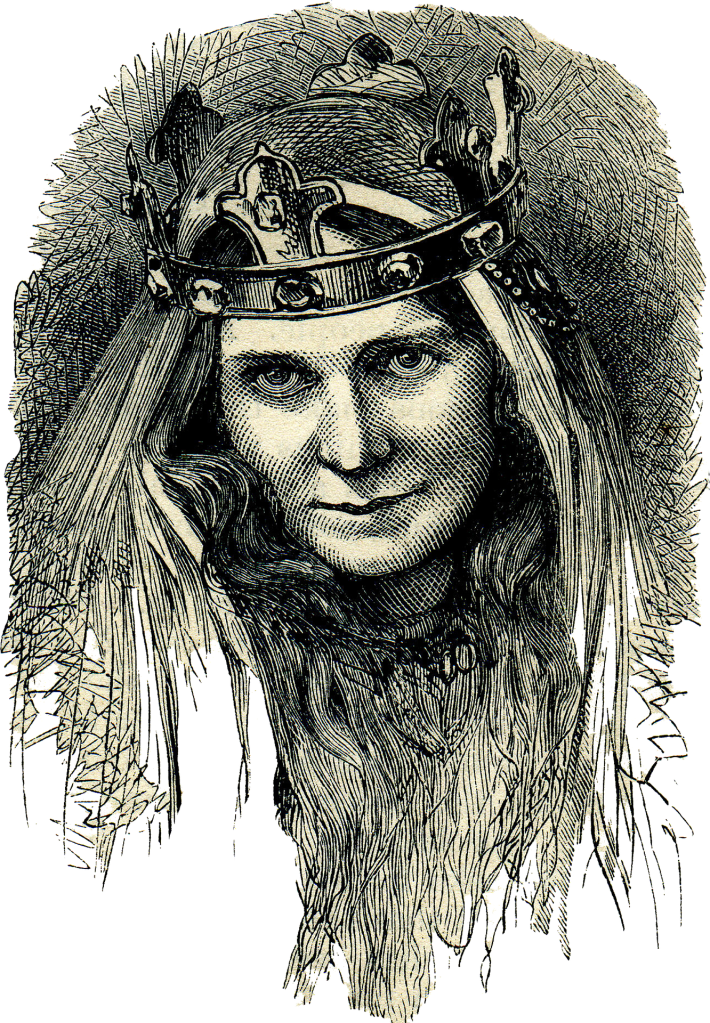
cartimandua, queen of the brigantes

I think most people will have heard of Boudicca and her revolt against Roman occupation of Britain, but how many have heard of Cartimandua, Queen of the Brigantes?

Here is a bit of what is known of her life.

Image by Jo-B from Pixabay

The Brigantes were a Celtic tribe that lived in the North of England. Their territory covered what is now Yorkshire, Lancashire, Cumbria, Northumberland and a little bit of Derbyshire. It was a large territory.

There is little if anything written about how she came to be Queen of the Brigantes, but it is assumed that she was of the Royal family and inherited her position. She was in fact the granddaughter of King Bellnorix. which would give her a claim to the throne.

She was married to a man called Venutius, and when the Romans came in 43 AD she became one of their client kings. The Roman policy was to put a local king in place. This had the dual purpose of letting the people think they were being ruled by their own and of helping secure the territories without having to commit many troops of their own. A clever tactic!

However, in 51 AD, a man named Caractacus, who was leading the resistance to Rome , was defeated in battle. He went to Cartimandua to ask for sanctuary, but instead of granting it, she put him in chains and handed him to the Romans. She gained much wealth as a reward,

This turned her people against her, and when she divorced her husband, Venutius, and married his armour-bearer, Vellocatus, this angered them even more.

Venutius used this anger to incite rebellion against his former wife, and made alliances with other Celtic tribes to invade Brigantia. The queen was lucky, though, and narrowly missed being captured thanks to the intervention of the Romans, who came to the aid of their client monarch.

Venutius waited until 69AD when Rome was in turmoil after the death of Nero. There came a period known as ‘the year of the 4 emperors’ when civil war raged in Rome. The Romans could not afford to send help to Cartimandua.

Cartimandua fled to Deva (Chester) and there she disappears from history. What happened to her? Perhaps there’s a story to be written here. I must think about it.

Thanks to Historic UK, Wikipedia and English Heritage for the help their websites have given me for this post.

I would be delighted to hear from you. Please leave comments in the comments box.

If you would like to join my quarterly newsletter and receive news about my writing and forthcoming books, please click here. I promise, no spam. I hate it as much as you do.

From next Sunday, 28th February, for a limited time, Vengeance of a Slave will be only 0.99 ($ or £). It is set in Britain in the area where Cartimandua reigned, shortly after her defeat.

a review of a taste of ashes (echo 2) by kent wayne

Overview.
I would first warn people that this book details a battle. As a result there is a lot of violence and swearing in it. This is not a criticism, though. In a battle such as the one Atriya and his collegues are in there would be both violence and swearing.
The book takes place over one day, and has a profound effect on Atriya.

Blurb
Most of us change gradually—over the course of decades. For Crusader Atriya, it will happen in a single, agonizing day. On the edge of a decaying cityscape, Atriya struggles to hold onto his identity as he faces death from both enemies and allies alike. In the process, his old self is torn away, and he catches a glimpse of what he may one day become.

Twelve hundred years ago, humanity left Earth to settle on Echo. Despite hopes for a golden age, an era of darkness fell. Government and corporations merged into the Regime. The military and police merged into the Department of Enforcement. Over half the planet is covered by crumbling cityscapes and the elite live high above, removed and remote from the greater populace on the moon-city of Ascension. Hope lies in Atriya, but before he can break the cycle of darkness and ignorance on Echo, he has to do it within himself.

Story
During book 1, Approaching Shatter, Atriya has fallen foul of the Jury, a religious organisation.
Now he is sent on this mission to be killed. If he does not get killed during the mission, his superior officers have orders to shoot him.
He performs some amazing deeds during the battle, saving his comrades many times. Will his deeds persuade then to override their orders and allow him to live?

Characters
Wayne has built a cast of believable characters. Atriya is a man with many demons, good points and bad. He wrestles with these throughout the book during the battle. And he changes gradually during this encounter.
Clement is a thoroughly unpleasant character whom Wayne has built into a believable person. A bully and a coward. I hated him!
I did like the retrieval office, Liber, though. He had not lost all semblance of humanity as many others had. He does have some sympathy for others.

Writing
The writing is, on the whole, good. Mr Wayne builds the tension throughout the story.
There were one or two little places that grammar could have been improved, but, unless, like me, you are a member of the Grammar Police, I don’t think you’d notice. It’s not enough to warrant removing a star.
The descriptions of the battle are vivid (including the injuries and people being blown to bits). The story moves at a fast pace, as it should in such a time.

Conclusion
An excellent read for anyone who enjoys fast-action and adventure stories. Having said that, don’t read it before reading Book 1, Approaching Shatter.

I have awarded this book 5*

I hope you enjoy my reviews. I try to review all books I read. As an author myself, I realise how important reviews are to authors, and to readers, too, of course.

You will get to know a little about me from reading my posts, but you can learn more by joining my newsletter. I only send out 4 regular ones each year, so you won’t be bombarded. (Next one due March 1st.) Joining my newsletter, though, gives you previews of covers, news of special offers and any other titbits that come up related to my books and writing.

You can join by clicking on the link.

excerpt from the wolf pack

Silently, Thadora and Fero slipped through the rapidly lightning forest until they came out on an escarpment overlooking some flatter land. The trees disappeared here, and they could see the Grosmerian plain spread before them. To the east, the hills continued to rise to meet the mountains, but to the north and west the plains began.

Tracts of forest and open countryside separated small farmsteads They could just make out the lights coming on in Roffley, a day’s journey away, as people rose to their morning tasks.

Fero held out his hand to warn Thadora to be silent. They wormed their way forward on their stomachs, and looked down from the cliff top to the plain below and found themselves about twenty feet above the plain . Below them they saw a pack of wolves.

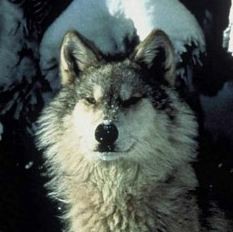
Thadora watched the animals in fascination. They were obviously a closely-knit group, with the exception of one animal, much paler than the rest, who seemed to hold itself aloof, or the others were ostracising it. Fero whispered that she, (for it was a she-wolf, he told her) was a stranger, and probably trying to join the pack. She had not been there when he caught sight of them yesterday. Maybe she had lost her own pack. He told Thadora that pack sizes were usually between six and ten, but that ten was rare. ‘More than about eight, and one kill would not suffice, and less than six and the pack would find it difficult to hunt down larger animals like deer,’ he whispered.

He pointed out the alpha male and female to her. The alpha male was a reddish brown animal, quite large, and the alpha female was a smaller, black creature. Fero told Thadora that only these two would mate, and the others would help in the rearing of the cubs.

Another large black male had begun to sniff at the pale she-wolf. She was cautious and bared her teeth at him, at the same time, crouching down, ears flattened to her head.

Of the others, one, obviously much younger, had a reddish coat again. She was obviously one of the cubs of the alpha male. There was another black wolf, slightly smaller than the very large one, and two greyish ones, one of which was a small female and the other was a very small adult male. Fero thought that the smaller dark wolf and the greyish female were probably littermates, the way they seemed to stick to each other’s company.

They watched for some time, and Thadora became fascinated. Then the large black wolf sniffed the air as the wind gusted and changed direction. He swung his head in their direction and gave a sharp bark at which the leader turned and led his pack at a loping trot away from the cliff.

‘Damn!’ swore Fero, ‘Wind changed direction and he smelled us. We’d better get back to the others. They should be ready to leave and we’ve still got our things to pack up.’

‘Thanks, Fero,’ said Thadora on their way back, ‘But, hey, those wolves didn’t seem scary. I don’t think I’ll be such a bloody wuss as far as wolves are concerned in future.’

Fero smiled.

When they got back to the camp, they found that the others had indeed packed up, including Fero and Thadora’s things, and that Basalt had made oatmeal porridge that he said would sustain them well for their trek.

Fero and Thadora sat down and took the wooden bowls of porridge that they were handed. The group sat round eating, then when they were finished, they wiped out the bowls, tied them to their packs and were ready to leave. Fero saw to it that they had put the fire out completely before they left, and they returned to the road.

Thadora was very quiet as they walked along. She had a frown on her face. Fero hoped that what she had seen of the wolves would help her with her fear.

She came up to Fero and asked, ‘’Ow common are th’ colourings o’ that pack, like?’

‘Well now—wolves come in a range of colours ranging from very pale to black. However, the very pale coat of the she-wolf we saw trying to join the pack is not common this far south, although they are more so in the snowy north. Maybe that was why she didn’t have a pack. Sometimes albinos are turned out. However, she wasn’t a true albino. Her eyes were brown and she had some colour to her coat.’

‘Hmm!’

When they stopped for a midday break, Thadora suddenly said, ‘Carthinal, that poem about soddin’ wolves that you ’ad, right? D’you still ’ave it?’

‘Somewhere in one of my pockets. I expect. Did you want me to read it?’

‘No, Mother taught me ter read, so I c’n read it by meself. She learned at Madame soddin’ Dopari’s, right? It were somethin’ th’ damn Madame insisted all th’ girls learn. Would yer lend it t’ me for a while?’

‘Of course. You can keep it. I don’t know why I’ve still got it, since it seems to have no relevance to us or our quest.’

Carthinal gave the poem to Thadora and she began to read it.

All the afternoon, Thadora kept perusing the poem as they walked. No one seemed to be able to get anything out of her, and they all thought her behaviour a little odd and out of character, but she had obviously been working something out. Fero thought she was trying to work through her fear of wolves, but Kimi had the feeling it was something more. She expressed her thoughts to Davrael.

‘I expect she’ll tell us when she’s good and ready, and not before,’ her husband replied. Davrael was a man of few words.

‘Yes, you’re right of course,’ Kimi replied, linking her arm through his. He placed his other hand over hers and smiled down at the small young woman with love. They continued in this way in silence.

Thadora did not reveal her thoughts until after they had stopped for the night. After they had eaten, she opened the paper with the poem on and began to read it aloud.

“The wolves will fight ’gainst every foe
The balance to maintain
But far and wide the pack must go
All borders they disdain.

The pack contains the strangest group,
The one whose pride comes with her
And one who slips through every loop
The wilful one, the tracker.

“The leader with his anger held,
The ones who hunt the horse
The rock that’s strong completes the meld
And makes the pack a force.

“The wolf pack’s members are filled with zest
And all do have their place
The hunt their foes with ruthlessness
Then vanish without trace.

“In times of danger all must know
The wolf pack will be there.
They work as one. They keep their vow.
For each other they will care.”

‘I think this bleedin’ poem refers to us.’

The others looked at her in surprise.

‘What makes you think that?’ queried Basalt.

‘It was, like, when I were watchin’ th’ wolves wi’ Fero. They seemed in lots o’ ways ter be like us, see. Th’ leader was a big, soddin’, reddish brown animal that made me kinda think o’ you, Carthinal, right? There were somethin’ about ’im that seemed so kinda dangerous, but hey, ’e didn’t show any behaviour to th’ others that made my feelin’ logical, see? I think it were just that ’e seemed ter be holdin’ somethin’ inside o’ ’imself, right? You give me that feelin’ too, Carthinal. An’ that, wi’ ’is colouring an’ all were what made me, like, think o’ you.

‘Then I looked at th’ others. We was all bleedin’ well there. A small black wolf, the alpha female Fero called ’er, was you, Asphodel. Small and pretty, but wi’ plenty o’ spirit you know. Then there were a damn big, black wolf that were obviously Fero. A little distant, yer know. I noticed that ’e sometimes wandered off, sniffin’ around—fer game I suppose, or danger.

‘A small reddish one, much younger than the rest were me, see, while th’ two ’oo was littermates and was always together was Davrael and Kimi. Th’ male o’ these was black too. Th’ other two were obviously Basalt, a small adult wolf, and a light-coloured female for Randa. The pale wolf were findin’ it hard ter get accepted inter th’ pack, a bit like Randa is wi’ us, like. (Sorry Randa, but it’s true, ain’t it?) Then th’ large black, Fero, showed interest in th’ pale wolf. Don’t look away, Fero. I’ve seen yer eyes on Randa when you think no one’s lookin’.’

At this comment, Fero looked embarrassed and Randa looked annoyed, but Thadora continued, ‘So I wanted ter look at th’ damn poem again, right? Here is ’ow I sees it. Th’ wolf pack in th’ poem is us. OK? I’ll ignore th’ first verse as I don’t know what that means. Th’ second starts to describe th’ wolves. “The one whose pride comes with her” is Randa. Hey, you are rather proud an’ ’aughty yer know, Randa, and th’ “one who slips through every loop” puzzled me at first, but I think it’s me. I seem to allus manage ter get away when some bleedin’ person is on me track for some damn scrape or other.

‘Now the “wilful one” I think is Asphodel, right? You told us you ’ad to leave ’Ambara because you ’ad annoyed the bleedin’ Great Father o’ th’ temple by disobeyin’ orders because yer didn’t agree wi’ them. That’s wilful! And “tracker” is obviously Fero, OK?’ She paused for breath and looked round at them.

They were all looking at her with interest.

‘“The leader” is Carthinal, right?’ she continued. ‘You seem to ’ave a ’idden anger too, Sometimes not so idden, either, Carthinal, so that fits in wi’ “with his anger held.” “The ones who hunt the horse” are Davrael and Kimi, though strictly speaking you don’t ’unt ’orses, but ’erd ’em; and finally, Basalt is “the rock that’s strong.” Basalt is, I think, a rock. Is it strong?

‘I’ve not got no further wi’ th’ meanin’ o’ th’ first verse, but th’ last obviously means that we must stick t’gether and be as a wolf pack.’

‘Maybe,’ said Basalt sceptically, ‘but it could just be coincidence, couldn’t it?’

‘I think Thadora is right,’ Randa disagreed, surprisingly agreeing with Thadora and earning a sharp look from Basalt, and a murmur of ‘Of course. Never do to agree with a dwarf!’

‘Basalt, don’t be like that,’ whispered Kimi. ‘She’s a right to voice her own opinion.’

The dwarf stopped grumbling and sat scowling to himself instead.

Randa continued, ‘Look at it this way then. We were unsure as to how many of us there should be. This poem makes that quite clear. There should be eight of us. It makes it clear who should be here.’ Here she threw a glance at Carthinal and Basalt who had been reluctant to have her in the group at first. ‘Those wolves that Thadora and Fero were watching served to jog Thadora’s mind about the poem and to set her thinking. Yes, I agree that it refers to us, and someone has put those wolves where we would see them. Everything seems to be happening rather too conveniently for it all to be accidental.’

Asphodel had been thinking as well. ‘The first verse,’ she said slowly, frowning as she spoke, ‘refers to the Balance. Some clerics believe that in order for the world to work, there must be a balance between good and evil. Just as there is night and day, so we can sleep at night and wake in the daytime refreshed for our daily tasks. We, it seems must maintain the Balance and to do so, we must cross borders and travel far.’

‘And last verse say we must “Work as one and keep our vow,” and look out for each other. Much like wolf pack. But we have make no vows, do we?’ This came from Davrael. ‘Well, not all to whole group.’ He looked at Kimi as he spoke of vows, and smiled.

‘Well, that can be remedied,’ Carthinal spoke for the first time in the discussion. ‘We have a representative of the gods here.’ He gestured towards Asphodel. ‘I’m willing to swear to protect you and treat you as the brothers and sisters I never had.’

The others agreed, and they all stood in front of Asphodel.

Carthinal thought for a few seconds and then said, ‘I think I have the words. I will let you decide if they are appropriate before we swear.’

When they had heard his thoughts, the others concurred and he said, ‘I will be as the wolves, and learn from them how to live for the pack. I will put the good of the pack before my own good, and protect the other members to the best of my ability. I will follow my destiny wherever it may lead, and through whatever dangers may befall, serving the pack and the land in all things. This I swear, and may the gods hear my vow.’

The all agreed that the words were good, and then they all joined hands and repeated them.

Then Thadora said, impulsively, ‘We are Wolf.’ and the others repeated her words.

So was born Wolf, from a group of unlikely companions, sworn to each other and to the world.

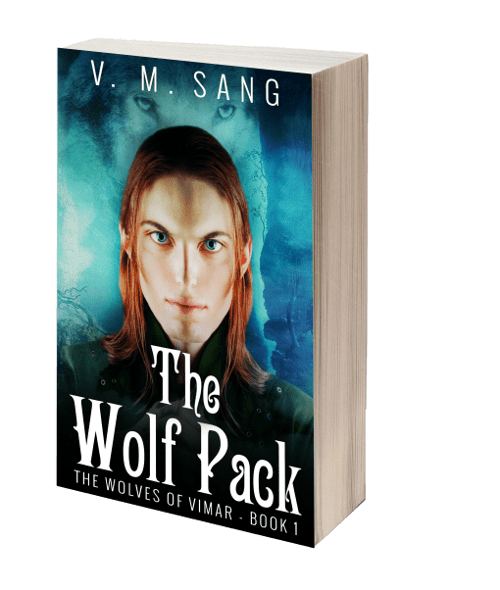
I hope you enjoyed this excerpt from The Wolf Pack. If you would like to read more about Wolf and their exploits, you can buy the book by clicking here or on the cover in the sidebar. It will take you to Amazon where you are.

The Wolf Pack is available in a number of different formats, including audio.

Every 3 months I send a newsletter to people on my mailing list. It tells you more about me and my writing. I occasionally send an extra one if there is something extra to tell you. To join, click here.

I welcome comments so please add yours in the comments box.