Cover Reveal

I am excited to reveal the cover for my poetry book, Miscellaneous Thoughts. I hope you like it.

Let me know in the comments.

I’m still keeping my fingers crossed that it will be out before Christmas. I’ve just done the formatting check and there are a number of things to correct, not least one of the limericks being there no less than 17 times! It’s one I like, but it’s not THAT good that it needs to be repeated over and over.

Most of the poems are rhyming poems and those that don’t rhyme have rhythm.

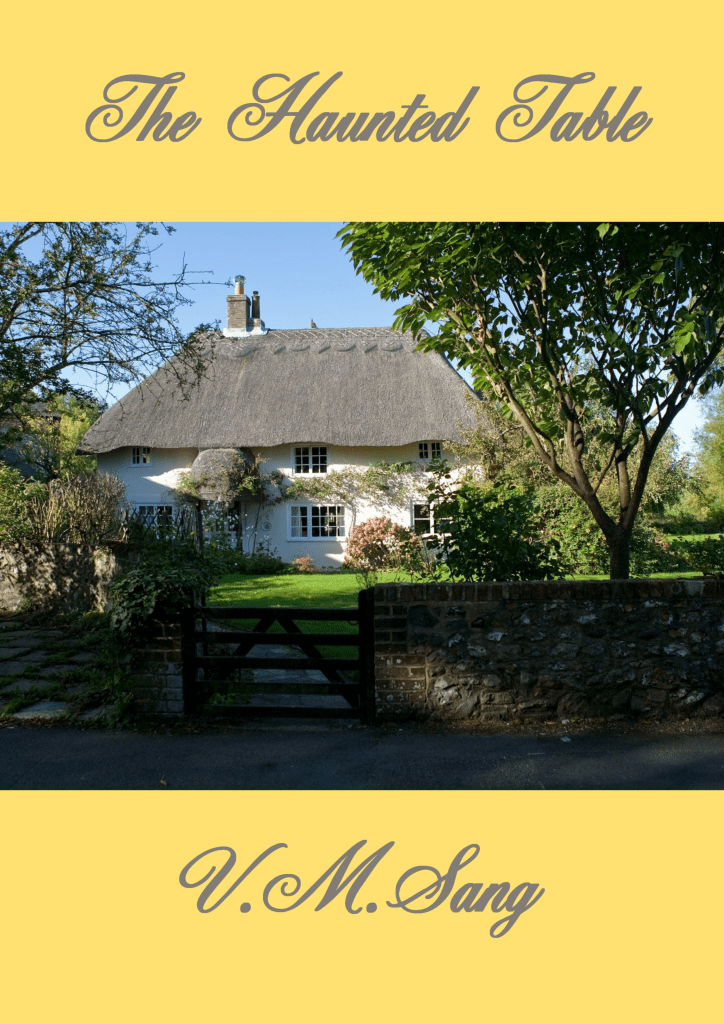
If you would like to receive an exclusive, free short story by me, called The Haunted Table, simply click the link. This will take you to the page where you can download it.

Maria and Tom have bought an antique table for the old cottage they have bought. When they hear strange noises in the night that sound like crying, they worry their house is haunted, but the sounds seem to come from the table.

They set about trying to find what is causing the disturbances. The answer is stranger than either of them had thought.

(Clicking the link will add your email address to my email list, but don’t worry, you can unsubscribe immediately if you wish. Nor will you get any spam. I only send out an email each quarter, or if I have any exciting news–like a new release.)
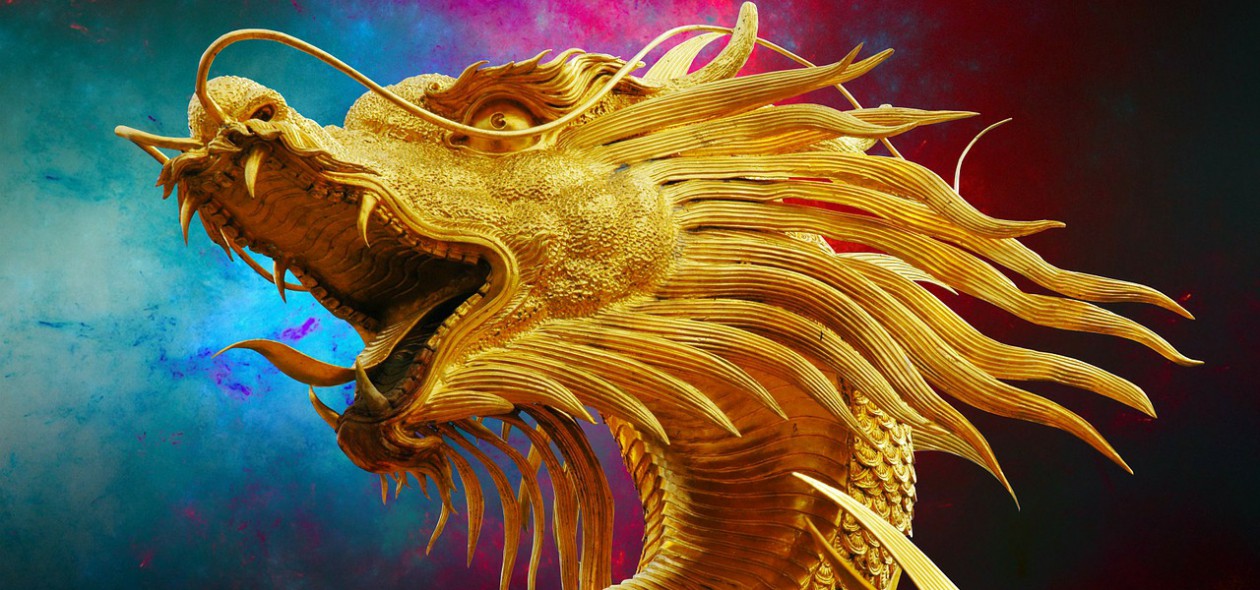
Which generation has seen the most innovation?

I think many people would consider people born in the last 50 or 60 years to have seen the most innovation, but I beg to differ. Some might even say it was the generation born in the 1920s or 30s. Again, I would beg to differ.

It wasn’t the people growing up in the medieval period, either. Not much changed for centuries, as I understand. 

Much changed in society when the Romans came, and again when they left. The Vikings, too, made their mark, but new innovation, not much.

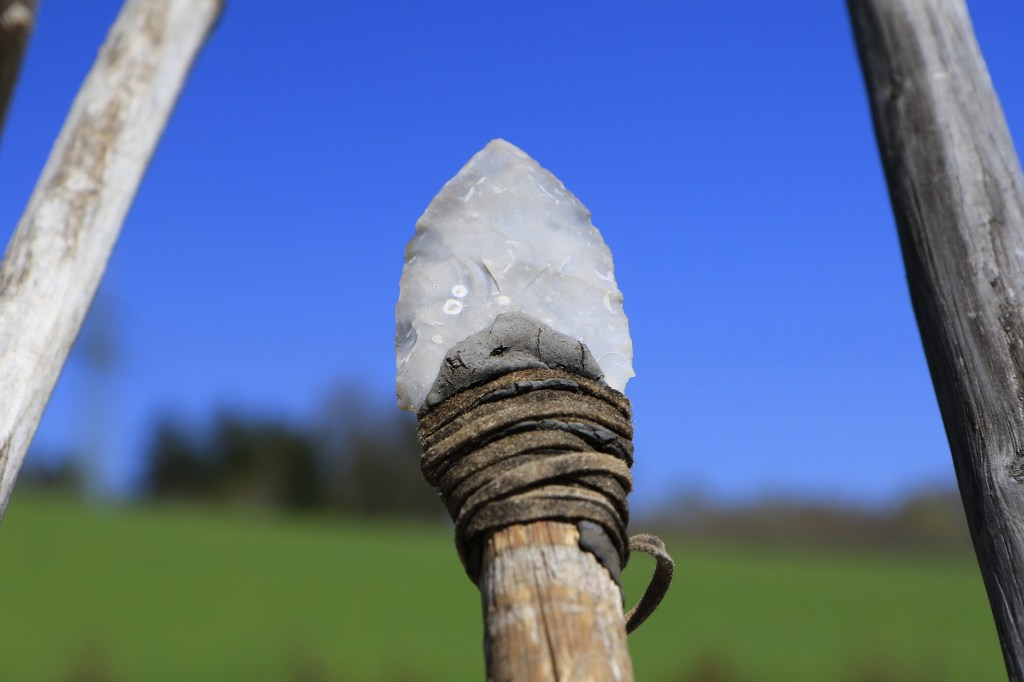
Change happened when humans learned that flint could be chipped to create sharp tools, and with the invention of spears and spear thrower. These things made it much easier to catch prey. And the discovery of how to create fire was a major (if not the major) discovery of humans.

The domestication of animals and agriculture, too, were major things that greatly changed society.

Which generation do I think has seen the greatest innovation? I would argue that it was those born towards the end or the 19th century.

My grandmother was born in 1878 and died in 1965. Now let’s see the innovations she saw.

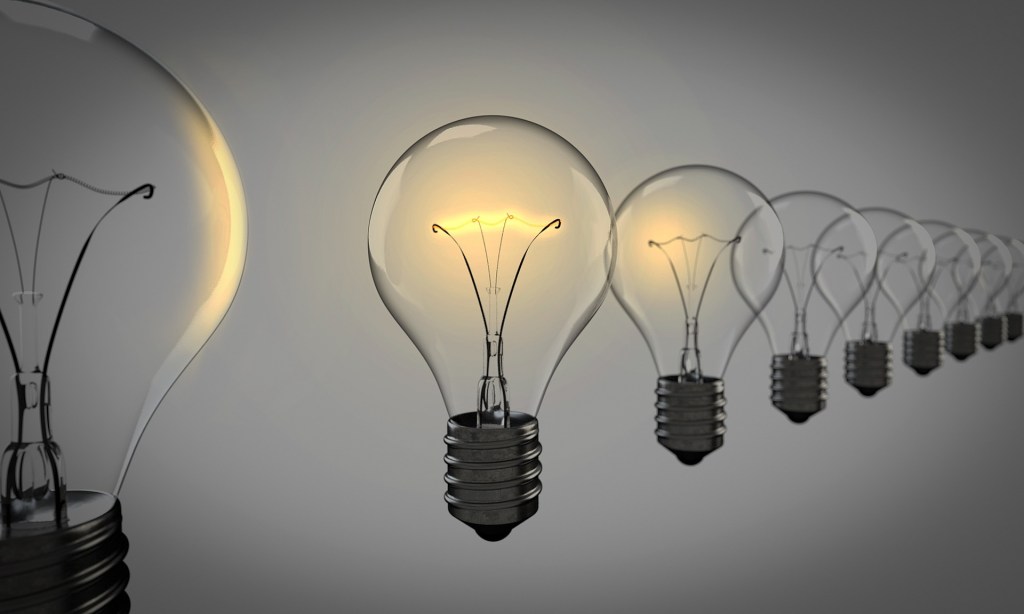
  • Edison developed the electric light bulb in 1879, the year after my grandmother was born. In 1881, the first streetlights were used in the UK.
  • With further development of electricity, it became used in domestic homes; something we cannot conceive of living without nowadays.
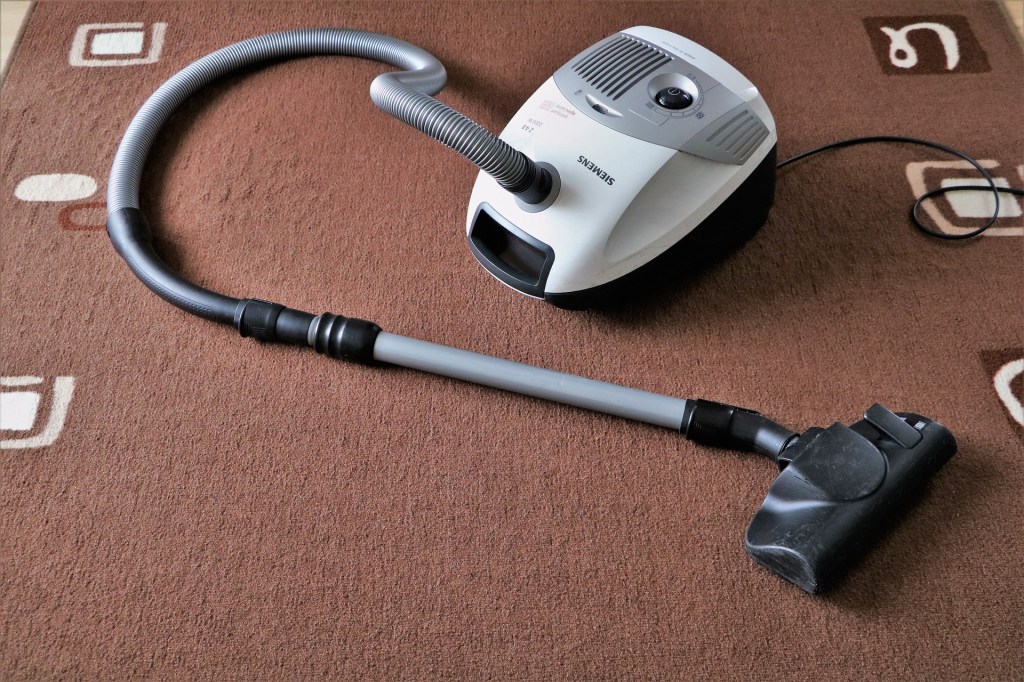
  • In 1901, the first vacuum cleaner was invented. Before that, carpets (which were not fitted) were taken outside, hung on a line and beaten with a carpet beater.
  • Electric washing machines were invented in 1904. Although there were machines before that, they still relied on hand power to work.
  • 1876 the first telephone was patented. Until it became common, communication at a distance was by letter. Even in the 1950s and early 1960s, not every house had a telephone and people had to go to a telephone box to make calls.
  • 1876, the first usable internal combustion engine was invented. Grandma was born in the age of the horse.
  • In 1888 the first motion picture.
  • 1887. The first gramophone. Known as a phonograph.
  • Louis Pasteur created the first vaccines.
  • 1832 Babbage created the first mechanical calculator.
  • 1885. The motorcycle.
  • 1893. The diesel engine.
  • 1885. The automobile.
  • 1903. The aircraft. And in 1906 the first usable jet engine, although jet power had been known since 150 BC. Steam was used through two nozzles to turn a sphere. But was not put to any practical use.

You could say that there have been many inventions since, but think for a moment. Many of the things we think of as modern are actually simply improvements on these things invented in my grandma’s lifetime.

We now have lightbulbs that are energy efficient, but they are still lightbulbs.

Dyson invented the cyclone vacuum cleaner, but it was only an improvement on the current ones, which generated a vacuum to suck dirt up.

We now have washing machines that not only wash, but spin, too. Some even dry clothes. But they aren’t new ideas.

But we now have mobile telephones. The old ones were fixed to the house by wires. But they are still telephones, just greatly improved and combined with computers.

Motion pictures! They were uncommon in Grandma’s early days. But what we have now, colour, amazing sound, even 3D are simply developments of the original idea. And television and radio. That must have been amazing when it first came into being.

Gramophones have been improved to the extent that we now have CDs and DVDs instead of holes punched in paper.

I might argue with Louis Pasteur inventing vaccination. I seem to remember being taught about Edward Jenner discovering a way to prevent smallpox in the 18th century. But Pasteur did discover the causes of disease and invented a way to make milk safe. It’s called after him. Pasteurization.

Computers, I hear you say. They’re new. No! The first computer was invented to simply calculate tables. It was invented in the 1820s.

Our current cars and motorcycles are simply improvements on the old ones Grandma saw come to light.

She saw the birth of flight, the first transatlantic flights and the use of Concorde.

And not least, in the 1950s, space flight came into being and she saw the first artificial satellites, live transatlantic broadcasts, and first person in space. Sadly, she died not 4 years before the first moon landing, so did not see a human walk on the moon.

I rest my case that the people who lived between the middle of the 19th century and the middle of the 20th century saw the most innovation.

Do you think there were any other times that saw more? Please let me know in the comments box.

Guest Spotlight with Sci-Fi Author, Kent Wayne, aka The Dirty Sci-Fi Buddha

Here is an interview by Kent Wayne, author of the dystopian novels, Echo. I thoroughly enjoyed these books, and also Kor’Thank, A High School Absurdical, a scifi romp through high school.

I have yet to read A Door to Evermore, which is Kent’s first foray into fantasy, but am looking forward to it.

You can read the interview by following the link below.

Welcome

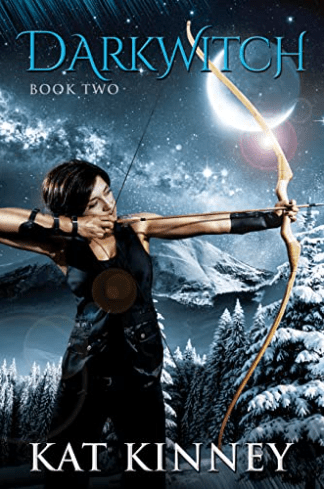
Review of Darkwitch by Kat Kenney

OVERVIEW

This is the sequel to Dyrwolf that I reviewed previously. It is a good story, and I enjoyed it. It took me a little while longer to get into the story than the previous book, though. I’m not quite sure why this was.

STORY

This continues the story from Dyrwolf. The dyrwolves, a kind of werewolf, and the humans have learned to live together after the events in Book 1, although it is an uneasy truce, neither fully trusting the other. As well as that, some humans, and some Wolves have left the colony to form groups in opposition to the treaty, and each other.

It is in this scenario that Lea Wylder, a half wolf girl, and Henrick, a wolf shifter, find themselves. Lea is having visions of a mysterious man firing an arrow that kills Henrick. How true are her visions, and can she prevent them from happening?

There is a twist at the end that I didn’t see coming.

BLURB

After twenty years of oppression, Lea Wylder has freed the Colony, one of the last human cities in the Nordvend, from the wolves. But freedom has come at a terrible cost. Radical forces threaten unrest. Wolf shifters and humans are more divided than ever. Lea’s nightmares have returned, except this time it isn’t her own death she sees—it’s Henrik’s, the wolf shifter she saved the previous fall, who possesses a terrible magic that has marked him as a target among humans and shifters alike.

Attacks on the Colony increase by the day. Something lurks out in the dark, frozen woods, just beyond what Lea can see in her visions, and she must discover who is hunting Henrik before it’s too late.

CHARACTERS

I found I liked the characters in the story. Lea is battling with her heritage of being half wolf-shifter after she discovers this in Book 1. Her mother had been raped by a wolf-shifter, and given birth to twins. Lea and boy, Gunnar. Gunnar had been brought up with the shifters, and Lea with her mother and her husband whom she believed to be her father. When her mother left to find Gunnar, Lea believed she had been abandoned, and she has to battle this and the conflict when she finds her mother again.

All this and the growing romance between her and Henrick, the Darkwitch of the title, makes her a compelling character.

Henrick, too, has his demons. He has inherited great powers. Greater than all the other shifters. His mother had these gifts and misused them to hold power over the shifters in a cruel way. He is terrified he will becone like her.

The other characters are equally well-drawn and have their own problems to deal with.

WRITING

The writing is on the whole, good. Ms Kinney sets the scene well and draws the reader into the story and the characters. If I have one complaint it would be about the number of superfluous words used. An example is ‘Moonlight spills in through the yellow-paned window glass over my pillow.’

The words ‘in’ and glasse are not necessary, and it would read better, in my opinion, without it.

‘Moonlight spills through the yellow-paned window over my pillow.’

There are many instances such as this, and overuse of the word ‘just’, which most times can be left out to strengthen the writing.

Ms Kinney has built a wonderful world, full of vivid scenes. I can really picture where the characters are and the surroundings.

I give it 4*

My ranking of books. In order to get a particular number of stars, it is not necessary to meet all the criteria. This is a guide only.

5* Exceptional. Wonderful story. Setting well drawn, and characters believable. Not perfect, but with flaws. Will keep you up all night. No typos or grammatical errors.

4* A thoroughly enjoyable read. Great and original story. Believable setting and characters. Very few grammatical errors or typos.

3* I enjoyed it. Good story. Characters need some development. Some typos or grammatical errors.

2* Not for me. Story not very strong. Unbelievable and flat characters. Setting not clearly defined. Many typos or grammatical errors.

1* I hated it. Story almost non-existent. Setting poor. Possibly couldn’t finish it.

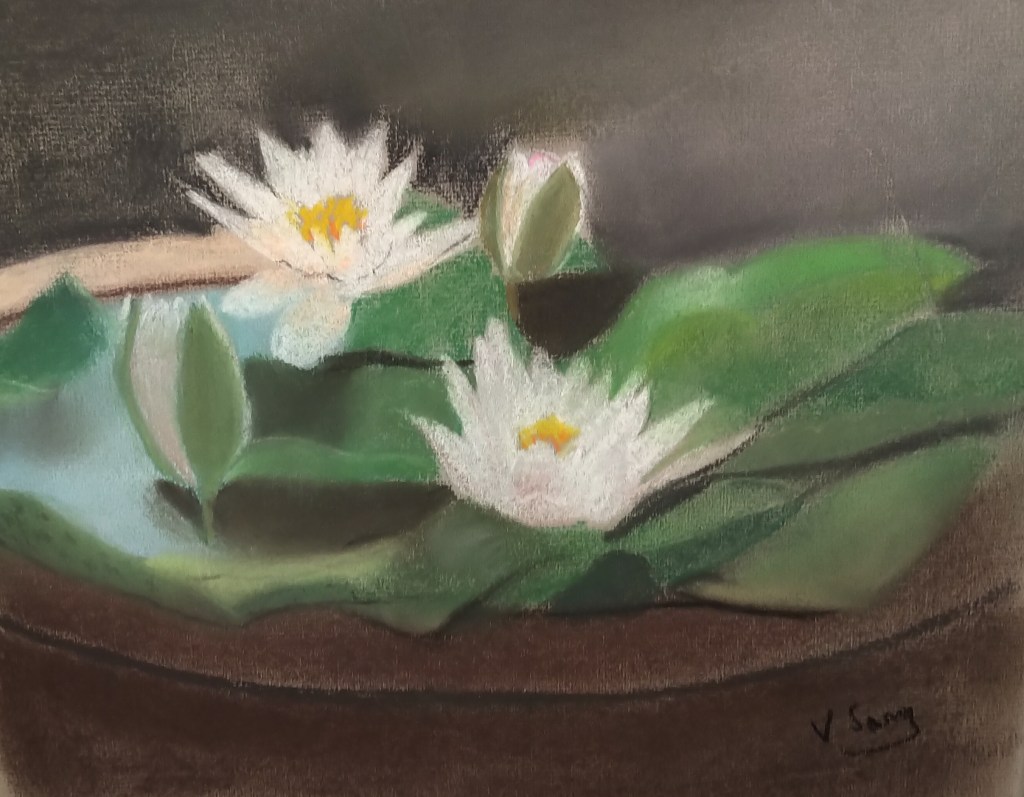
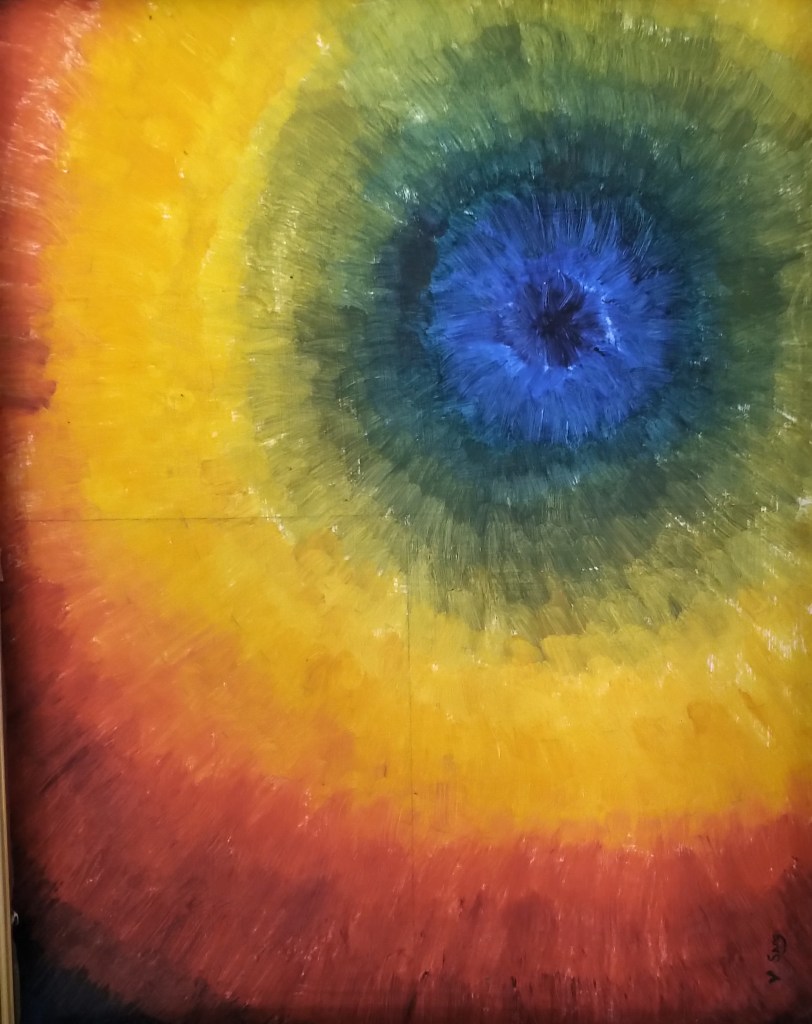
Some of my Art Work

I thought I’d post one or two of my paintings and drawings today, for a change, so here they are. I hope you like them.

Waterlilies. Pastel

Not a patch on Monet’s, but I tried!

Etang Aumee, in Brittany, France. Pencil on paper.
Colour Burst. Oil on card.

This is actually orientated wrongly. I painted it in landscape with the blue at the bottom right. My husband says it doesn’t matter!

A young Marlon Brando. Pencil on paper.

And lastly, a watercolour. Not my favourite medium.

Normandy, France. Watercolour on board.

I hope you like my pictures.

Please leave your comments in the comments box. I enjoy hearing what you have to say.

Why is Amazon HIDING books from readers?

Chris the Story Reading Ape posted this link on his website. I followed it to acflory’s site where she posted this interesting post about Amazon’s latest shenanigans.

Why is Amazon HIDING books from readers?

By acflory

I’ve been buying books from Amazon since the days when the company didn’t make a profit, and the pundits thought that Jeff Bezos was mad. That’s a long time and an awful lot of books. Yet suddenly I can’t be trusted to choose books for myself????

For those who do not yet know, Amazon has a new ‘feature’ whereby an algorithm decides which books you should see when you go to an author’s ‘Author Page’. The ‘feature’ is called Top Picks and:

‘…allows Amazon customers to see personalized recommendations from your catalog of books. Customers will see this on your Author Page and it will suggest books based on these traits:

• New releases and pre-order books matching their interest.
• Unread books from a series they started.
• The customer’s reading and purchase history.

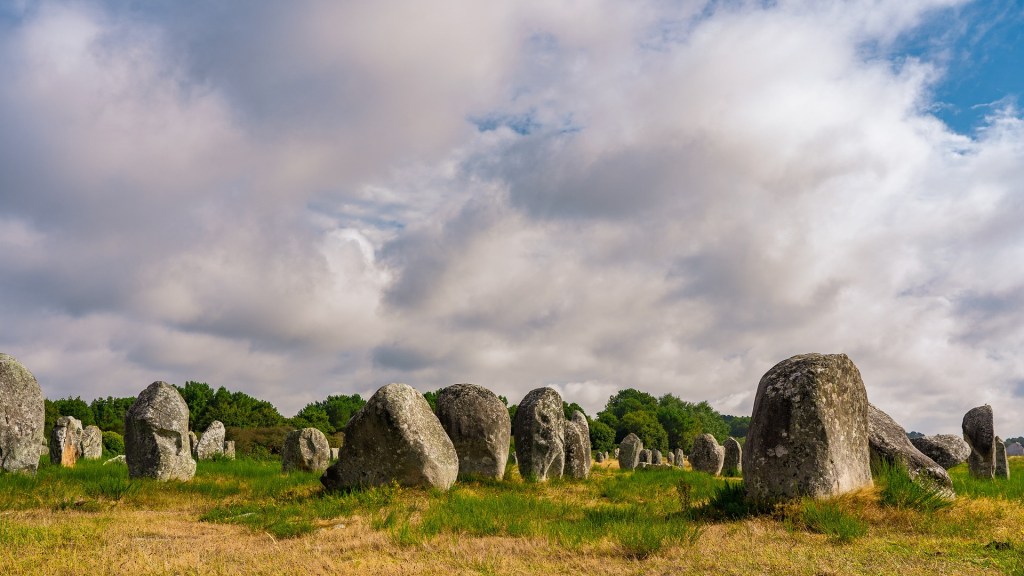
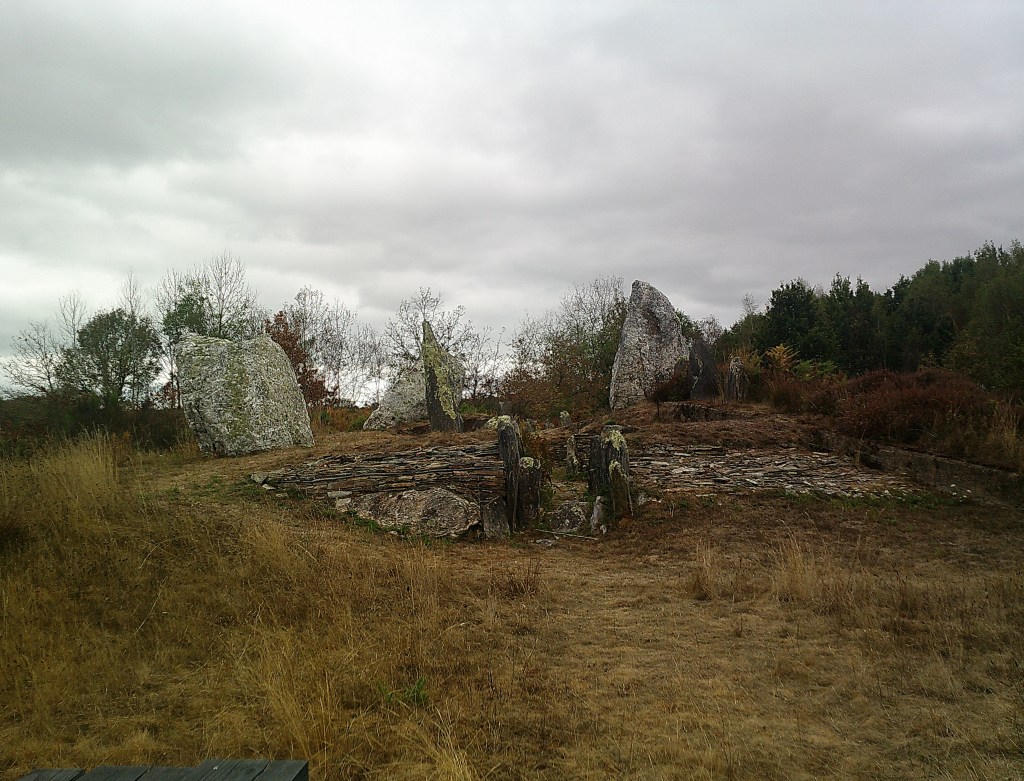
St Juste. A megalithic site in Brittany.

Image by 🌼Christel🌼 from Pixabay

Most people know about Les Alignements near Carnac, in Brittany, France, but how many know about the Site Megalithique near the town of Redon, between Nantes and Vannes?

I don’t know if these are Carnac stones, because the image doesn’t say, but they are very similar.

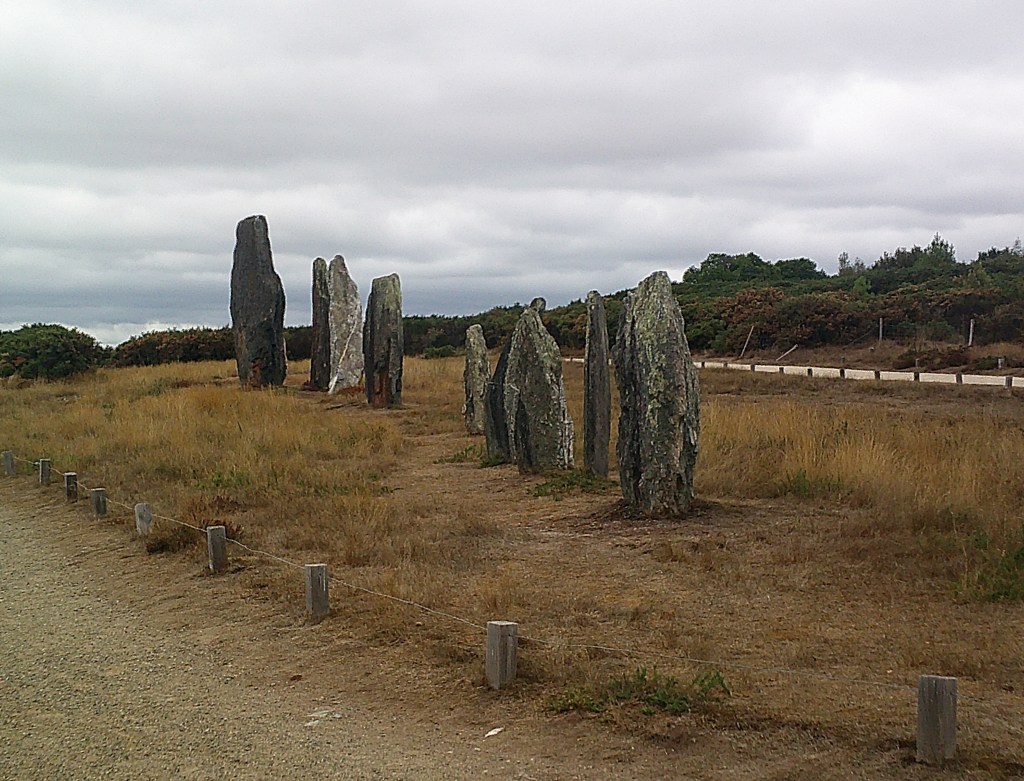
However, near Redon, also in Brittany, there is a large megalithic site that is not anywhere near as well known. Here there are alignments of standing stones, but not in the quantity there are at Carnac.

$CoMmEntˆ

There are three alignments as I understand. I only took a photo of this one.

There are not only standing stones here, though. There are megalithic burial sites.

$CoMmEntˆ

The site is being managed for wildlife as well as the megalithic stones, so there are many bushes around. If you want to find out more about this fascinating site, you can visit http://www.megalithic.co.uk.

Destiny in Fiction

I recently read the following post by Charles Yallowitz on his Legends of Windermere website. While I suspect those of you who are not writers probably won’t find it useful, perhaps you will find it interesting. Just one of the many problems we have to sort out.

Very few tropes are as common in fantasy as the destined heroes. This motivation has existed since the days of mythology and continues to be used today. Authors find twists and variations on the concept of destiny and fate, but it tends to boil down to the same thing. The hero is on a path that was chosen for them by a greater power, which brings up the question of if they are in control of any of their actions. Needless to say, readers and authors have railed against the concept. Does that mean it should be shunned and ignored? I’d be a hypocrite if I said yes since the God of Destiny is a major player in my stories. In fact, Legends of Windemere is all about destined heroes . . . Of course, there’s more to it than that, which I will get into after we go over ‘Fate vs Free Will’.

This has been a debate for years if not decades. It shouldn’t be surprising since the concept of destiny has been overused to the point of ultra-cliché. Audiences see the use of destiny or fate or being chosen by a higher power as a cop out by the author. Why does the hero go on this dangerous adventure? Well, they don’t have a choice. More importantly, it goes against our desire for freedom, which is shown through free will. Readers want to connect to the characters and destiny can be a glaring obstacle.

What do you think about the idea of destiny in novels?

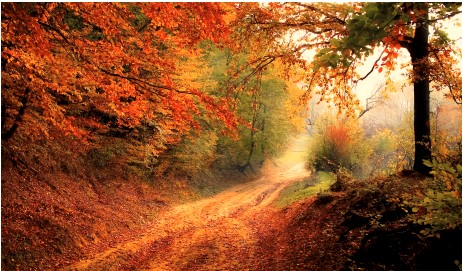
Autumn in Sussex. A Poem

I’m currently away in Southern Spain for a week and so I’m reblogging a poem I wrote some time ago. I hope you enjoy it.

The Downs are wreathed in mist, like smoke
From a dying fire.
The leaves are turning red and gold
Like flames upon a pyre.

Spring’s little lambs are grown to sheep
The swallows they have flown.
The blossoms that the summer brought
Their petals all have thrown.

Now autumn’s bounty fills the woods,
The hedgerows are ablaze
With hips and haws in colours bright
The senses to amaze.

The smoke from wood fires fills the air,
The scent of autumn true.
The autumn sun is cooler now
And mornings filled with dew.

The cobwebs shine with dewdrops bright.
The spider in her lair
Thinks nothing of the rainbow hue
That scatters in the air.

And children kick the fallen leaves
As laughingly they run
To gather conkers, shiny brown,
Gleaming in the sun.

We gather blackberries from the hedge
And apples from on high.
Up in the tree they ripen now
To turn into a pie.

But autumn sometimes has a kick
And the rain it lashes down.
The wind, it howls within the eaves
And through the trees doth moan.

This poem is in the poetry book I submitted to my publisher some time ago. I’m still waiting to hear if and when the book will be published. I’ll let you know when it becomes available.

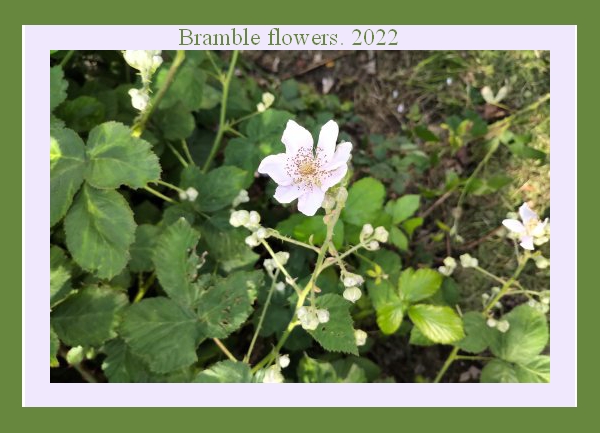
More British Wild Flowers.

Today I’m going to talk about something that is useful as well as pretty. this flower graces our hedgerows every spring and gives us wonderful free fruit in the summer.

I am, of course, referring to the Bramble.

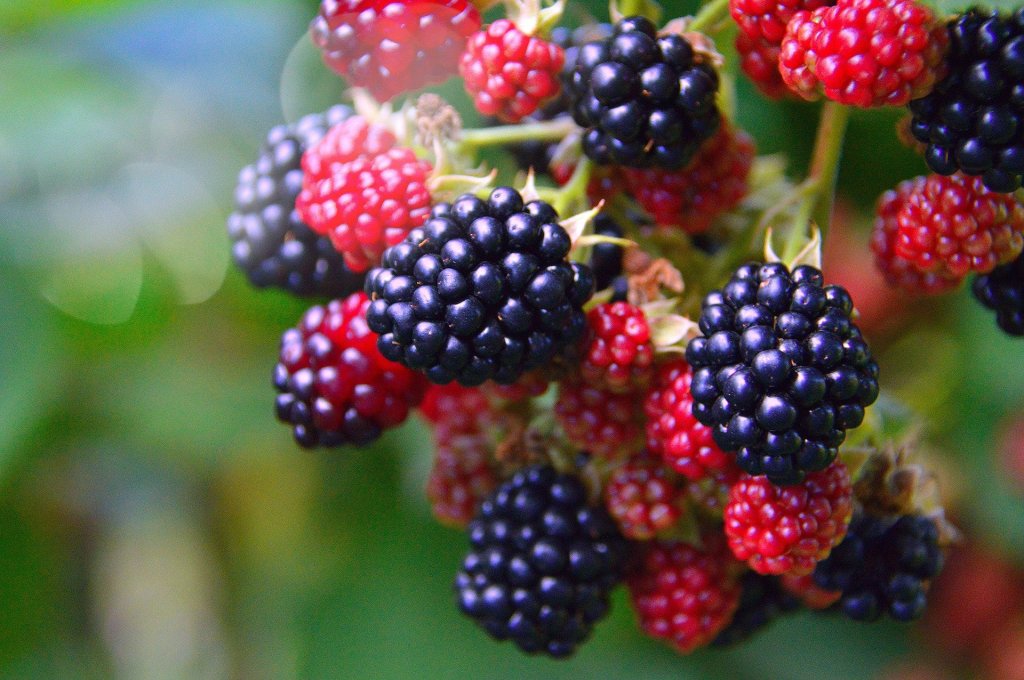
Bramble fruits are known as blackberries because of their black colour. And they are delicious in a pie or crumble, especially when paired with apples.

Image by Gábor Adonyi from Pixabay

As you can see, the fruit is red before it turns black, but it is only ripe when black. The red fruits are hard and sour. Each ‘fruit’ is made up of a number of small

Brambles are found in hedgerows and have long, thorny stems. Gathering them can be a somewhat painful experience, but well worth the occasional scratch.

If you wait too long to go out foraging for this delicious fruit, you will find the wildlife has got there before you. Not only humans, but the birds enjoy this fruit as well as a variety of insects.

Brambles belong to the Rosaceae family, which also includes the rose. Five heart-shaped petals and five sepals. The leaves are divided into three or five serrated leaflets. The leaf stalks are also prickly.

They grow almost anywhere, and have long roots which, I can tell you from experience, are almost impossible to get up. In spite of their wonderful fruits, they are a nuisance when they appear in your garden. They can root and produce new plants if the stems touch the ground, thus quickly taking over. This isn’t a problem in the hedges or scrubland, but not welcome in the garden.

Having said that, they are important to wildlife. They are a food source for bees, both honey and bumble. Some caterpillars eat their leaves, and foxes badgers, mice and birds eat the berries. A large clump will also provide a good habitat for wildlife, especially grass snakes (which, incidentally, are harmless).

You can buy cultivated blackberries in the supermarkets, but why would you do that? You can get this fruit absolutely free, and it’s a great afternoon out with the kids.

Just be sure that everyone has long sleeves, and if you have a dog, make sure he doesn’t like them, too. I had a dog that enjoyed them, abd we couldn’t put the bowl of gathered fruit down or he’d eat them.

FUN FACT.

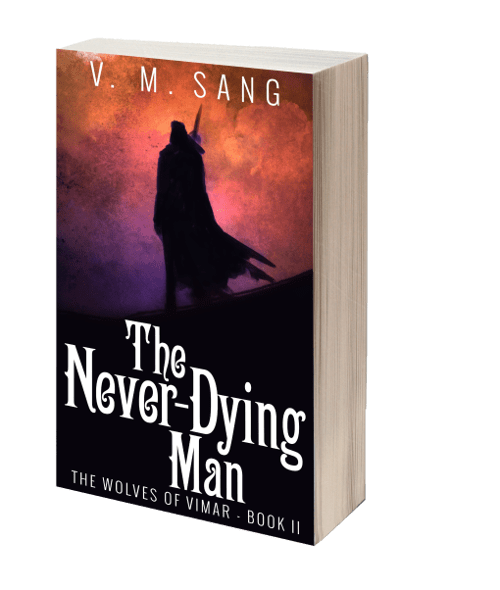
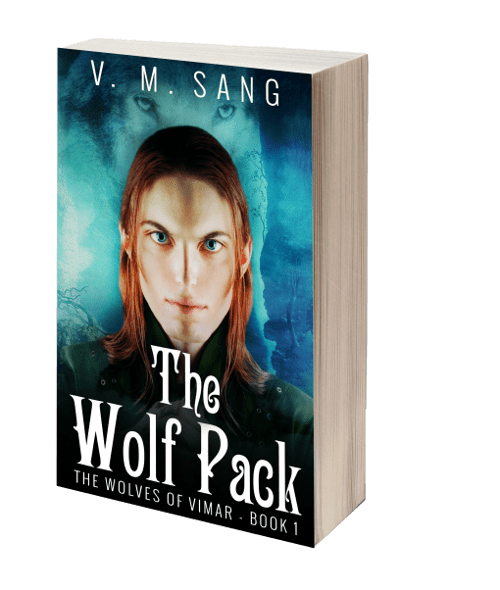
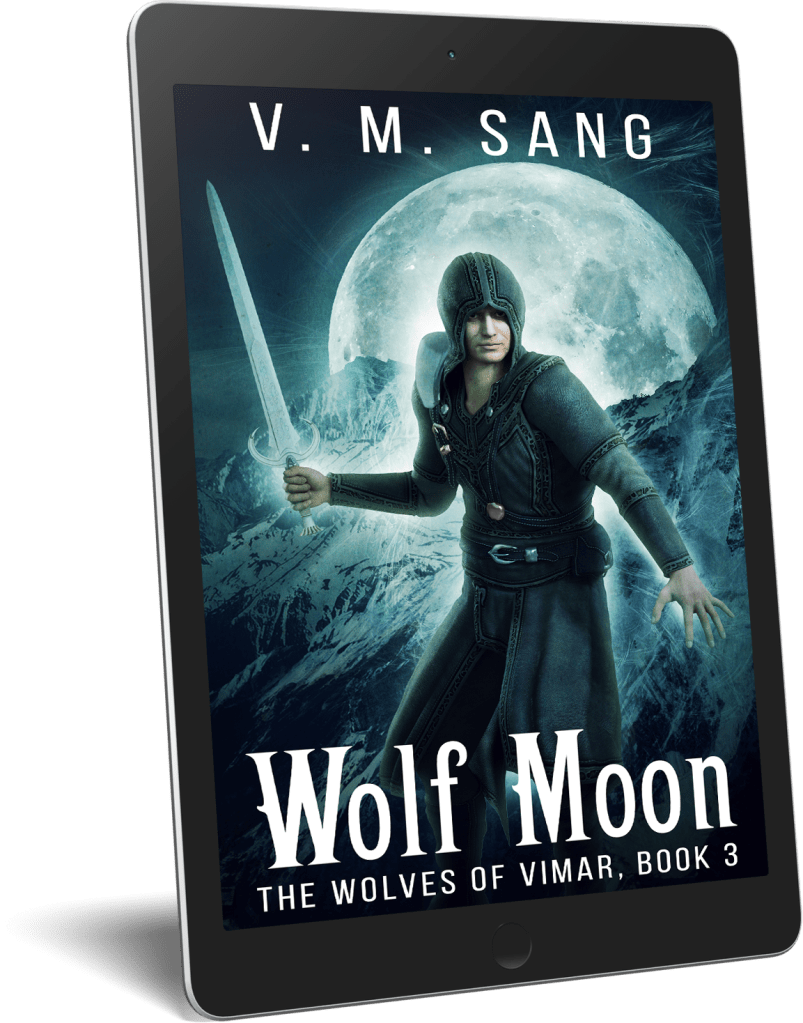
I gave the name of Bramble to a dog that attached itself to Fero in my Wolves of Vimar series, Book 2, The Never Dying Man.

(Here are links to Book 1, The Wolf Pack, and Book 3, Wolf Moon.)

If you want to make a blackberry and apple crumble, it’s the easiest thing in the world.

  1. Peel and slice the apples and mix with the washed blackberries and put into an ovenproof dish, size depending on how much fruit you have.
  2. Add sugar to the blackberries and apples, according to your taste.
  3. In a large bowl, sift 170 grammes (6 oz ) of plain (all purpose) flour.
  4. Add 85 grammes (3oz) softened butter, cut into small pieces. Using your fingers, rub the butter into the flour until resembles fine breadcrumbs.
  5. Add 85 grammes (3oz) of caster sugar and mix well in.
  6. Sprinkle the flour mixture over the fruit and press down slightly.
  7. Sprinkle with sugar (optional) and cook in a pre-heated oven, 180C, until golden brown.
  8. Serve with custard or ice cream.

You can alter the quantities of crumble mix depending on the amount of fruit you have.

I had some of the mix left over last time I made a crumble. I seemed a waste to throw it away, so I pressed some into a couple of biscuit moulds and put them in the oven. I cooked them until they were golden brown. They turned out to be rather sweet, but crunchy biscuits!

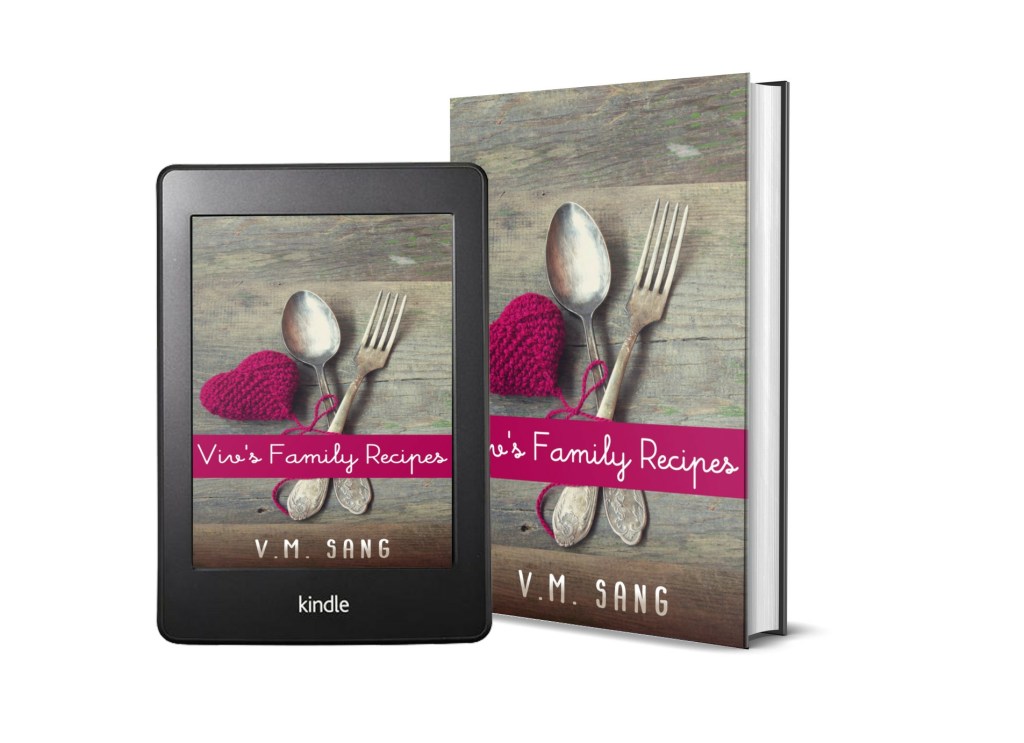
For more recipes, and a few old-fashioned hints, you can buy Viv’s Family Recipes by clicking on the link, or the book cover in the sidebar. You can then choose your favourite book site to buy.

In this recipe book I give some tried and trusted recipes from my family and friends, as well as some from my grandma, dated 1909. (Most of which I’ve not tried! They are very carb and fat-heavy, and many require long cooking. But it’s interesting to see what they used to eat in days gone by.)

If you would like to receive an exclusive, free short story by me, called The Haunted Table, simply click the link. This will take you to the page where you can download it.

Maria and Tom have bought an antique table for the old cottage they have bought. When they hear strange noises in the night that sound like crying, they worry their house is haunted, but the sounds seem to come from the table.

They set about trying to find what is causing the disturbances. The answer is stranger than either of them had thought.

(Clicking the link will add your email address to my email list, but don’t worry, you can unsubscribe immediately if you wish. Nor will you get any spam. I only send out an email each quarter, or if I have any exciting news–like a new release.)
There are dragons and magic in the world if only you look for them… V.M. Sang