AI is everywhere these days. Almost everything we have any contact with is AI in some form or other.
Fears About AI
One thing we must remember, though, is that AI isn’t sentient. It’s only following what it’s been programmed to do.
People are afraid of AI. They wonder what the rapid growth will entail, and will AI eventually be the cause of the end of humanity. I say that’s possible.
The Robot Army and AI Takeover
What most people envisage is AI taking over. There are several ways that Sci-Fi has shown this.
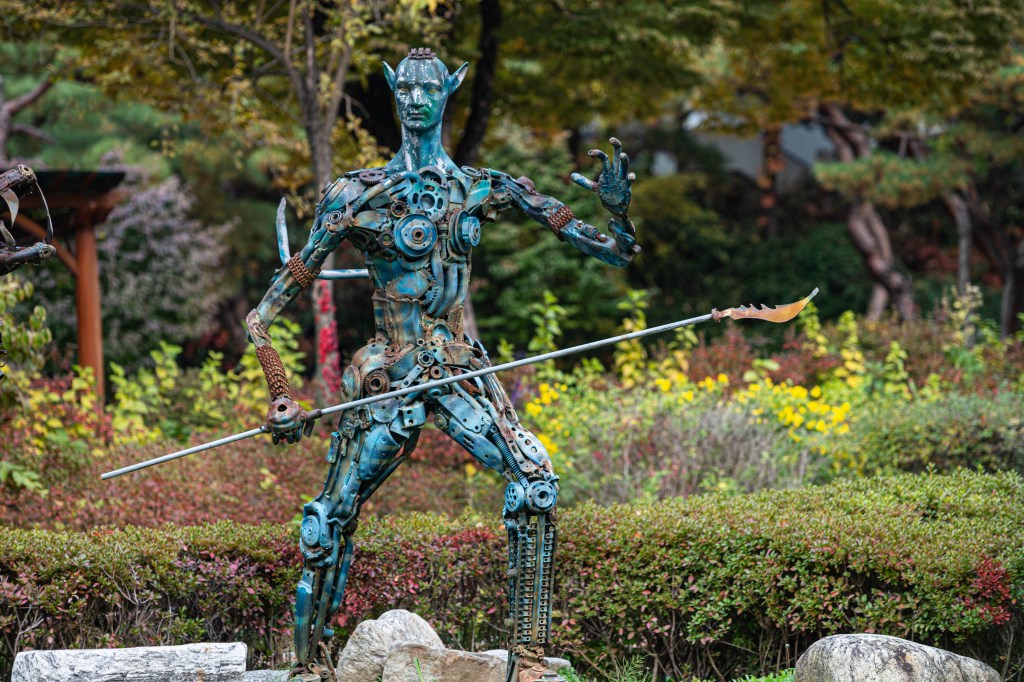
There is the robot army. Humanoid robots with weapons fighting the army. Constructing new robots to replace those destroyed by people. Quickly effecting repairs on injured robots far more quickly than flesh and blood can repair itself.

Then there are computers. These wage a different kind of war. One where they put people into jobs to perform certain tasks, and as they have no concepts of things like boredom, they insist people continue with their allotted tasks ad infinitum. Perhaps they will begin to control reproduction. Perhaps they had human autocratic masters in the beginning who were harsh with anyone who did not comply with their orders. The computers would continue to enforce these rules and laws even when their masters have disappeared.
AI in the Arts
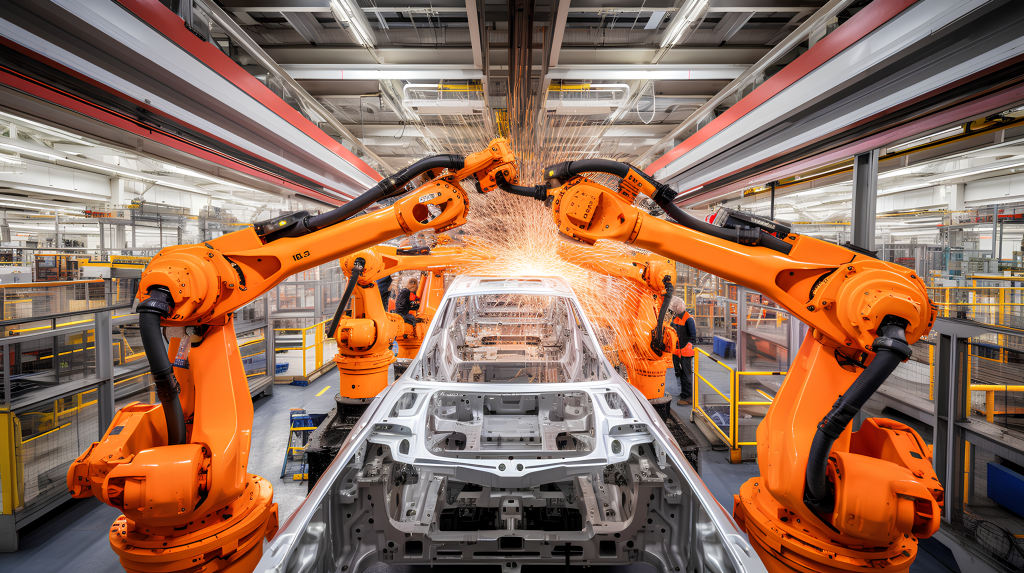
Another thing people worry about is if robots will take over their jobs. I think this is a much more real problem. I saw a video of a humanoid robot sweeping the floor in a house. There are those which cut grass without supervision, build cars in factories where there once were lots of people working. Now only one or two.
Then there are the Arts. Will robots be writing our novels, writing the music we listen to, painting pictures we visit in Art Galleries? And is it important as long as it’s good? Which it isn’t at the moment.
AI in Medicine
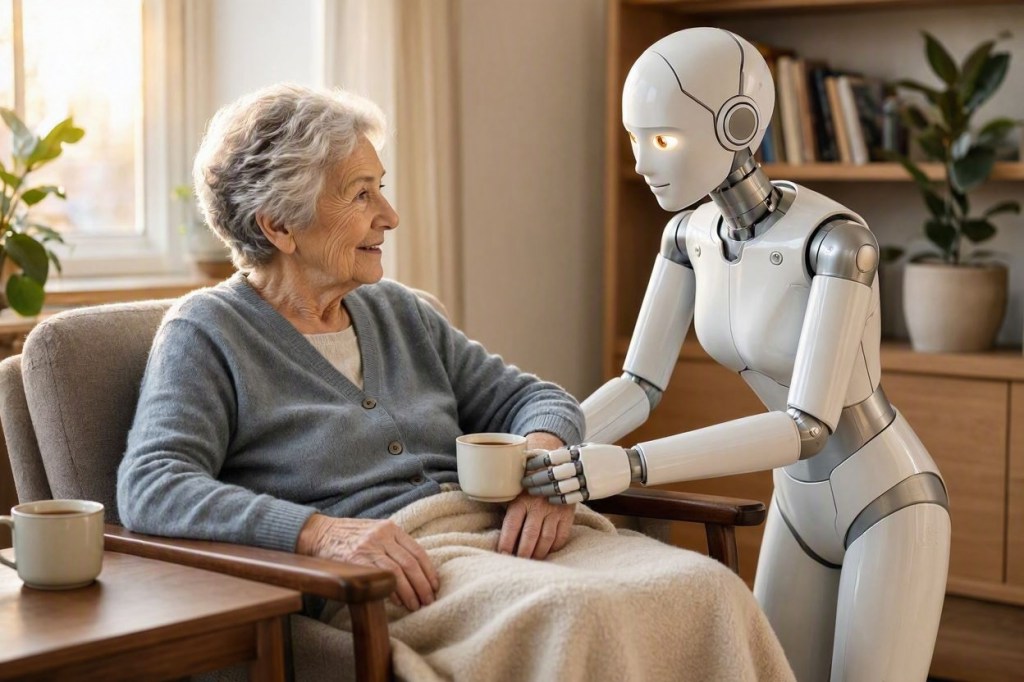
The medical profession. Do we want to be interviewed about our illnesses by a computer or by a real person? What about our teeth being filled or extracted by a robot, and not a humanoid one at that? And the carers? Do we want robot carers?
These are all concerns, and I’m sure you can think of many more. But what I think is the worst part of all this AI business isn’t any of that.
Everyday AI We Already Use
AI tells us what to do in many cases, already. I’ve consulted AI about a problem I had transferring photos from my phone to my pc. Yes, it was good, on the whole, but it didn’t foresee some of the problems. But whenever we ask Google a question, the first thing that comes up is AI.
- Drive a car? It tells you when you are straying from your lane. It’ll tell you if it thinks you’re tired, you can get cars that prevent you from getting too close to the car in front.
- You can tell it where you want to go and it’ll calculate the best route and tell you as you are driving, where to turn, and when to get into which lane.
- We can now, using QR codes, tell a restaurant what we want to eat before we get there.
- Our Smart TVs ask if they should suggest something for us to watch.
All these things mean we don’t need to make decisions for ourselves. AI will do it for us. This means we’re not using our brains.
The lack of using our brains to solve these little problems means that there will be an increasing stupidity and inability to solve problems. It’s already starting!
We used to have to have a map, read it and then plot our routes manually. We used to have to decide what TV programme we wanted to watch. We didn’t have Amazon suggesting what we should buy based on what we already bought.
The Real Danger: Forgetting How to Think
This is what I consider the real danger of AI–the downgrading of human ability to think.
You can call me hypocritical if you wish, but I did use AI in the production of this post. I used WordPress’s Agent. The words are mine, the pictures from Pixabay, except the one I created with Bing, just the layout is from AI.

