Tag Archives: technology

The Real Danger of AI: Are We Forgetting How to Think?

AI is everywhere these days. Almost everything we have any contact with is AI in some form or other.
Fears About AI

One thing we must remember, though, is that AI isn’t sentient. It’s only following what it’s been programmed to do.

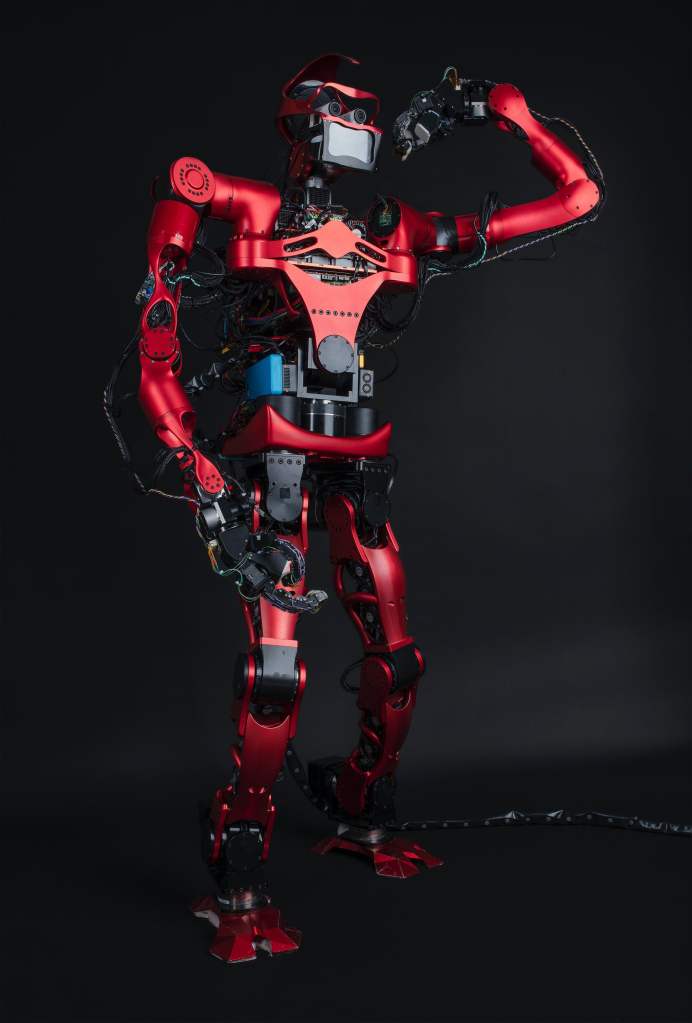
People are afraid of AI. They wonder what the rapid growth will entail, and will AI eventually be the cause of the end of humanity. I say that’s possible.

The Robot Army and AI Takeover

What most people envisage is AI taking over. There are several ways that Sci-Fi has shown this.
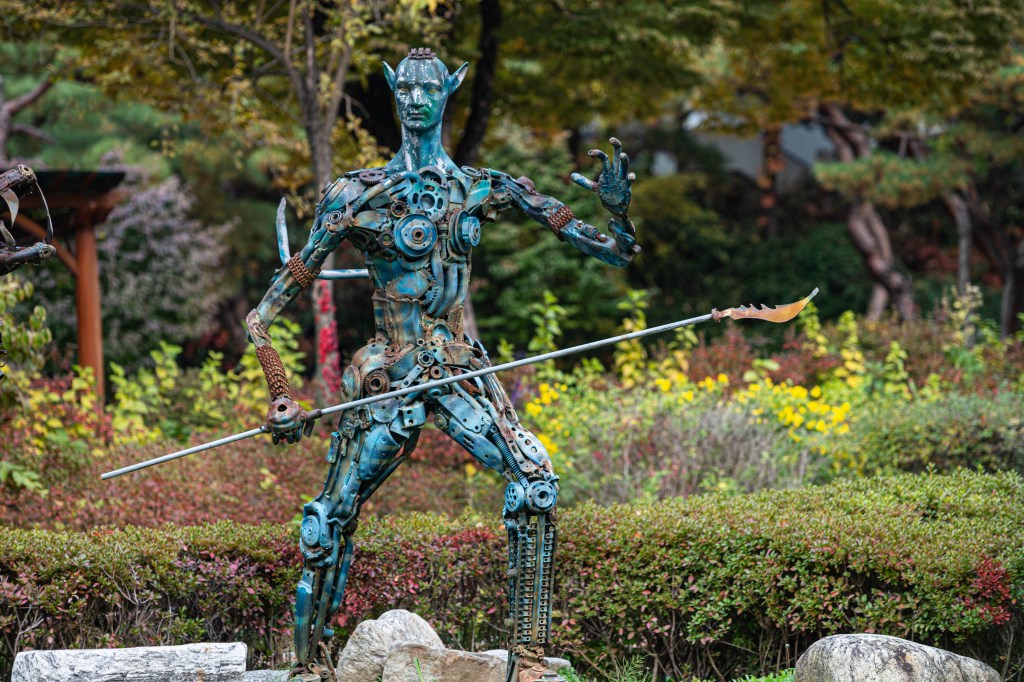
There is the robot army. Humanoid robots with weapons fighting the army. Constructing new robots to replace those destroyed by people. Quickly effecting repairs on injured robots far more quickly than flesh and blood can repair itself.

Then there are computers. These wage a different kind of war. One where they put people into jobs to perform certain tasks, and as they have no concepts of things like boredom, they insist people continue with their allotted tasks ad infinitum. Perhaps they will begin to control reproduction. Perhaps they had human autocratic masters in the beginning who were harsh with anyone who did not comply with their orders. The computers would continue to enforce these rules and laws even when their masters have disappeared.
AI in the Arts

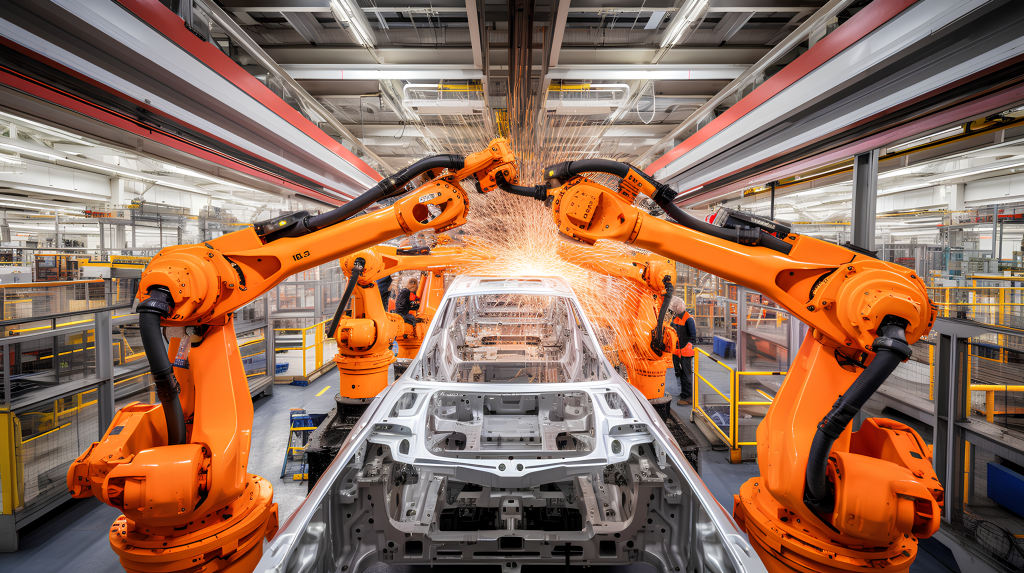
Another thing people worry about is if robots will take over their jobs. I think this is a much more real problem. I saw a video of a humanoid robot sweeping the floor in a house. There are those which cut grass without supervision, build cars in factories where there once were lots of people working. Now only one or two.

Then there are the Arts. Will robots be writing our novels, writing the music we listen to, painting pictures we visit in Art Galleries? And is it important as long as it’s good? Which it isn’t at the moment.

AI in Medicine
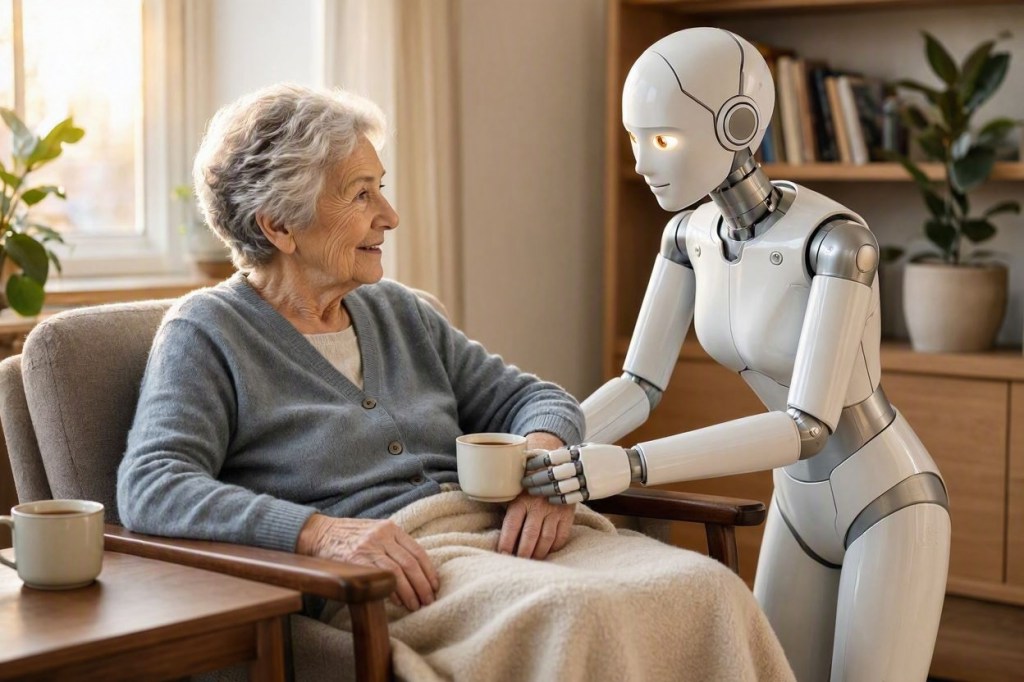
Created with Bing AI

The medical profession. Do we want to be interviewed about our illnesses by a computer or by a real person? What about our teeth being filled or extracted by a robot, and not a humanoid one at that? And the carers? Do we want robot carers?

These are all concerns, and I’m sure you can think of many more. But what I think is the worst part of all this AI business isn’t any of that.

Everyday AI We Already Use

AI tells us what to do in many cases, already. I’ve consulted AI about a problem I had transferring photos from my phone to my pc. Yes, it was good, on the whole, but it didn’t foresee some of the problems. But whenever we ask Google a question, the first thing that comes up is AI.

  • Drive a car? It tells you when you are straying from your lane. It’ll tell you if it thinks you’re tired, you can get cars that prevent you from getting too close to the car in front.
  • You can tell it where you want to go and it’ll calculate the best route and tell you as you are driving, where to turn, and when to get into which lane.
  • We can now, using QR codes, tell a restaurant what we want to eat before we get there.
  • Our Smart TVs ask if they should suggest something for us to watch.

All these things mean we don’t need to make decisions for ourselves. AI will do it for us. This means we’re not using our brains.

The lack of using our brains to solve these little problems means that there will be an increasing stupidity and inability to solve problems. It’s already starting!

We used to have to have a map, read it and then plot our routes manually. We used to have to decide what TV programme we wanted to watch. We didn’t have Amazon suggesting what we should buy based on what we already bought.

The Real Danger: Forgetting How to Think

This is what I consider the real danger of AI–the downgrading of human ability to think.

You can call me hypocritical if you wish, but I did use AI in the production of this post. I used WordPress’s Agent. The words are mine, the pictures from Pixabay, except the one I created with Bing, just the layout is from AI.
What are your opinions on AI? Do you think it’s a danger to humanity, and in what way?

Online Scam Ads Exposed: From Deepfake Celebs to Fake Products

Recently I’ve been seeing a lot of ads when playing games on my tablet. I checked on many of them and found they are misleading at best, and fraudulent at the worst.

That inspired me to write this post.

I contacted the game developer and had the reply that they get their ads from Meta. They said they’ll look into them, and in all fairness, some of the ads I’ve complained about have decreased significantly, but there are still too many. In fact, I would almost say that the majority are scams.

AI generated image from Pixabay

These are divided into several groups.

Common Types of Online Scam Ads

  • Play to Earn Money: These ads show games where it appears you can earn significant amounts of money. One actually says that the actor (I assume it’s an actor) earned enough to give up her job and play the game 2-3 hours a day, earning enough to live. Another group have a poor person, always looking dirty! who can’t afford to buy food. She may attempt to steal either money or food. A kind person asks for her phone which she hands over. To a complete stranger, no questions asked! The stranger then downloads an app. She plays and immediately ‘wins’ a large amount of money. These ads are misleading at the least. The games do not give out anything like the amount of money suggested. They give pennies only for each game completed. Many of them have impossibly large amounts that have to be reached before you can cash out, and sometimes cashing out is made extremely difficult. Some don’t give you the cash at all.
  • Deep Fakes: These ads use an AI generated image of a well-known celebrity who is endorsing something, often crypto. These are fake. AI generated videos use captured samples of the celebrity’s voice, and videos made from photos or other videos of the celebrity.
  • Celebrity Impersonation: Another one is using Mr Beast’s image in the same way as above. This one shows Mr Beast handing out huge amounts of money to random strangers. He then says that you can ‘earn’ vast sums if you download his arrows game. He says he wants to help people. Now the real Mr Beast has nothing to do with this game. It’s a scam.
  • Fake Products: These scams do actually have a product for sale. The ones I’ve seen are for a top with a built-in bra, a birdbath fountain thingy, advent calendars with amazing gifts, like lego, model vehicles, model highland cows, etc. And there’s one with a robotic puppy. If you buy from these, the product is shabby and of poor quality, or not as the ad says. The puppy one shows a very realistic puppy, running around and snuggling up to its owner’s face, just like a real puppy. It’s very appealing. But it’s AI generated, and the actual product apparently only moves forwards and backwards, and squeaks! Most of these have difficult return procedure: extremely high postage, or no return procedure at all. You may not even receive the product.

Every time I see an ad that looks appealing to me, I go to Google and ask if it’s legitimate. Most aren’t!

How to Spot a Scam

Of course, there are those that are legit, like the Red Cross, PayPal, the RSPCA, Vintage Cash Cow etc. But I warn you to be EXTREMELY CAREFUL about responding to online ads.

Always check their website. If an email address is a generic address, like Gmail or Hotmail, it won’t be genuine.

How to Protect Yourself

Here are some practical steps to protect yourself from online scam ads:

  • Search before you click. If an ad looks interesting, Google the company or product name plus the word “scam” or “review” before doing anything else. What comes up will tell you a lot.
  • If it sounds too good to be true, it is. No game will pay you enough to quit your job. No stranger online is giving away free money. No celebrity is personally endorsing a crypto scheme in a social media ad.
  • Check the website carefully. Look for a professional domain (not Gmail or Hotmail), clear contact details, a returns policy, and secure checkout (https://). Poor grammar and spelling are also red flags.
  • Reverse image search. If a product ad shows amazing photos, drag the image into Google Images to check if those photos appear elsewhere — often they’re stolen from other sites.
  • Check reviews on independent sites. Look for reviews on Trustpilot, Reddit, or consumer watchdog sites — not just reviews on the seller’s own website.
  • Report scam ads. If you see a scam ad, report it to the platform (Meta, Google, etc.) and to Action Fraud (in the UK) or your country’s equivalent consumer protection body.

The best defence against scams is a healthy scepticism. Take a moment to pause and check before you click, download, or buy — it could save you a lot of money and frustration.