Tag Archives: history

My Visit to Mary Deal.

First of all, before I begin this post, I would like to say that I tried to respond to the comments and suggestions that many of you gave for my story based on Snow White and the Seven Dwarves. For some reason, WordPress said they couldn’t respond. Apologies. I hope the replies get through eventually. I did try several times!

I have been honoured to appear on Mary Deal’s blog. I love Mary’s books, she is an excellent author of mystery and thriller, and all the books I’ve read kept me on the edge of my seat.

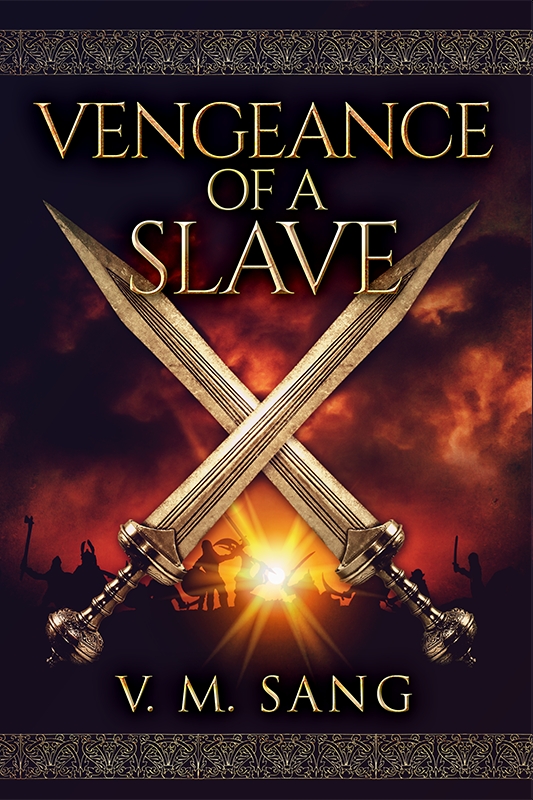
Mary has featured an excerpt from my historical novel, Vengeance of a Slave. This is set in Roman Britain and tells the story of a slave boy, ripped from his family at merely six years old, and how he builds up his hatred of the Romans in the hope of escaping and taking revenge.

There is also a link to an interview I did with Mary some time ago.

If you would like to be featured on Mary’s website, she is kindly offering to do so. You can contact her by clicking on ‘Write Any Genre’ above.

A Chilling Comparison.

Morgan has compared the rise of Hitler to that of Trump.

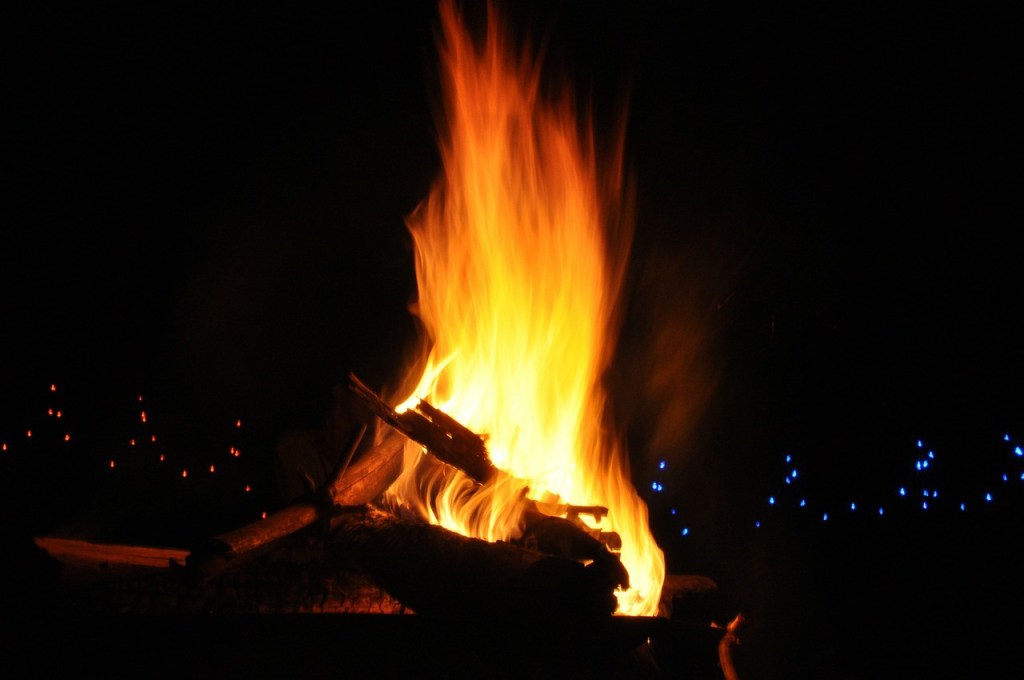
Why We Celebrate Bonfire Night: A Blend of Tradition

Image by FindingSR from Pixabay

In the year 1605, a group of Roman Catholics plotted to overthrow the king. 

The king in question was James 1st of England (6th of Scotland) who had come to the throne after the death of the childless Elizabeth 1.

The catholics had hoped that the religious persecution they had suffered under the previous monarch would abate, but that proved to be a false hope. They therefore plotted to kill the king and put his daughter, 9 year old Elizabeth, on the throne.

The plan was to blow up the Houses of Parliament on November 5th during the State Opening, when the king would be present. Then they planned a revolt in the Midlands.

The plan was to plant explosives beneath the House of Lords. 

In charge of this was a man called Guy Fawkes. He had been a soldier in the Spanish Netherlands and had 10 years of experience fighting there, so he was deemed a good person to have charge of explosives.

On 26th October, an anonymous letter was sent to  William Parker, 4th Baron Monteagle, a Catholic member of Parliament. He reported this to the authorities.

On November 5th, a search was made of the cellars and GuyFawkes was discovered guarding 36 barrels of gunpowder.

On learning that they plot had been discovered, the other 11 conspirators fled London, Some made a last stand, and only 8 were brought to justice. They were hanged, drawn and quartered.

For many years, the thwarting of the plot was celebrated by the ringing of bells, but nowadays in Britain, we hold firework displays and light bonfires on which we burn an effigy of Guy Fawkes.

For many years, I and others thought that Guy Fawkes had been burned at the stake. So we were told, anyway, but that wasn’t the case. He was hanged, drawn and quartered like the other conspirators.

So why the bonfires and burning of an effigy? Well, it’s all become mixed up with the Celtic festival of Samhain (pronounced sowin). In the Celtic pagan times it was believed that the veil between the living and the dead became thin, as I’m sure you all know. It was the end of harvest and the start of the Celtic New Year. This was celebrated on November 1st, but as the Celts began their day at sunrise, in our calendar it is the night of October 31st. They extinguished their home fires, and lit a bonfire to scare away the evil spirits.

The Christian Church, naturally, didn’t like this and designated the 1st of November as All Hallows. However, the habits remained to pass to us as Halloween. 

But the bonfires weren’t part of that, so they got moved in the UK to November 5th and linked to the Gunpowder Plot. 

Why do we burn an effigy of Guy Fawkes? Well, I’ve not been able to definitely confirm it, but I’ve come across, in the past, the view that the Celts performed Human Sacrifice on this day and burned a person (alive or dead, I don’t know) to ensure the new crops would succeed and they would have a good harvest. This could easily have been transformed into the burning of an effigy of one of the conspirators.

One thing that does seem to have disappeared, though, is the ‘penny for the guy.’ Children, during the runup to Bonfire Night, used to make a ‘guy’ out of old clothes and go and sit on the street with it in order to raise money to buy fireworks. Passers by would drop money into a hat. I remember this happening since we’ve lived in our current house, where we moved in 2002, so it’s only recently stopped.

So, in my opinion, Bonfire Night is a mixture of Samhain and a celebration of the thwarting of a plot to kill the king. 

NB: In 1649, James 1 son, Charles 1, was executed at the end of the English Civil War, but it wasn’t the catholics who benefitted, but the puritans. So a king was killed after all.

Please leave any comments in the comments box.

The Battle of Hastings: New Theories on the Site

King Harold engaged in two battles in Northumbria. He was defeated in the first, but triumphed in the second, which occurred five days later, resulting in the deaths of the opposing leaders, his brother Tostig and Harald Hardrada, the King of Norway.

Harold learned that Duke William of Normandy had embarked on an invasion of England to lay claim to the throne.

William’s landing occurred on September 28th near Pevensey, at a location now called Norman’s Bay. His initial plan was to invade in August, but due to unfavourable weather conditions, he postponed it until September.

On landing, William established his camp within the ancient Roman fortification at Pevensey, from where he marched towards Hastings, ten miles away. Once in Hastings, he built a wooden castle from pre-fabricated parts brought with him. (Was this the first flat-pack?) 🙂

Meanwhile, Harold became aware of William’s invasion fleet during his southward march. Although he had left part of his forces in the north, he gathered additional troops en route to London, where he paused to muster more soldiers. From London, he made his way towards the south coast.

Most believe that the encounter between Harold and William occurred not at Hastings, for which the battle is named, but at Senlac Hill, which is now the town of Battle. Nevertheless, I have come across recent claims suggesting an alternative location for the battlefield.

Archeological investigations at Battle Abbey, which is said to be built on the site of the battlefield, apparently show no indications of a battle taking place there. Medievalists.net cites a paper, “Heathfield Down: An Alternative Location for the Battlefield of Hastings, 1066,” by Rebecca Welshman and Simon Coleman. This paper suggests that the battle might have taken place at a place called Heathfield Down. (I also came across something that stated that this place is also known locally as Slaughter Common.)

Also, on Medievalists.net I read this:

“Welshman and Coleman also find importance in a passage from the Anglo-Saxon Chronicle (D text), which explains that “com him togenes æt þære haran apuldran, and Wyllelm him com ongean on unwær, ær þis folc gefylced wære.” (“[Harold] came against him [William] at the grey apple tree. And William came upon him by surprise before his people were marshalled”). They believe that the English forces would have gathered at this apple tree because it was a significant landmark. There was such a ‘hoar apple tree’ in Heathfield that served as a boundary marker.”

If you go on to read the article, you will find an interesting map to show how the coastline has changed since 1066, and a section on how the weather would have impacted the battle if it took place on Senlac Hill.

In my current WIP, Wrath of an Anglo Saxon, I haven’t bothered too much about the situation of the battle, but more about the battle itself and the aftermath. This battle had a huge impact on life in England and is considered the beginning of the feudal system, whereby there is a strict hierarchy with the king at the top. and the peasants, or villeins as they are sometimes called, at the bottom. (This is where we get our word ‘villain’ from, although now it had become perjorative in its use.)

Here is an extract from the work g. Please bear in mind that this is certainly not the finished version, but only the first draft.

Durstan has been knocked unconscious during the battle. When he regains consciousness, he makes his way to where the defeated Anglo Saxon troops have gathered. After being treated for a head wound, he sleeps.

Durston opened his eyes, only to close them again quickly. 

Who made the sun so bright?

Gradually, he tried a tiny sliver. Not too bad. He parted his eyelids a bit more until they were fully open.

He reached to his head and let his fingers probe his injury.

It hurt, but like a bruise. It didn’t feel as if anything inside was damaged. He struggled to his feet. A bit of dizziness, but the trees were standing still now. He glanced at the sky. Still quite early. 

He ambled towards where he met Earl Edwin yesterday. There was a lot of activity. A few more men had arrived, and as he watched, two more straggled in. Some of the men were seriously injured, and Earl Edwin ordered them to be carried to the healers. 

Durston approached the earl. “My Lord, I am much recovered. I would like to gather those of my followers who survive and join with any counter attack.”

Earl Edwin turned to him. “Ah! Theign Durston.” He turned to a tall dark-haired man standing next to him. “Theign Durston was injured in the battle. I sent him to the healers. A blow on the head, it seems.”

“Well met, Theign Durston. I am Earl Morcar.”

Two men rushed up to the two earls carrying a man between them. They set him on the ground and bowed to the earls.

One of them panted, hands on knees. “My Lords, we found the king’s body and brought it here.”

Earl Edwin glanced at the corpse on the ground before him. “This man is not dressed like the king. He is dressed as one of the ordinary fighters.”

“When we found him, sir, he was dressed as a king should be, with the crowned helmet.”

Earl Edwin glared at the two men. “Then where is it now? Have you stolen it? Is it hidden for you to collect later and sell to the Bastard?”

The second man looked stricken. “No, my Lord. We wouldn’t betray our country.” He turned to his companion. “Tell him, Cenric.”

“We was searching for any survivors, my Lord, when we saw the king. We knew him by his helmet, see. I’ve never seen the king, so that was how we knew it were him.” He coughed. “He were obviously dead, but we knew we should bring him back here.”

His friend nodded. “But there were a lot of the enemy looking for their survivors, so we thought,’What if they catch us wi’ the king?’ We spotted a body close by. Been shot with an arrow right through his eye, he had.” He shook his head. “Poor bastard. Must have been a painful way to go.”

Cenric continued. “We took his armour and clothes and swapped them with the king’s, so no one would know that the body we had was King Harold.”

Earl Edwin knelt next to the body. “He’s pretty cut up.” He peered into the face and looked up to Earl Morcar “It’s Harold, alright. I knew him quite well.” He turned to the two men. “Well done. You will be rewarded. Go and find some rest while we decide what to do with him.”

Durston staggered. His head still hurt and standing listening to the two men and the earls had made him dizzy.

Earl Edwin turned to him. “You need to go home, Durston. We’re planning a retaliation to take our country back, but I don’t think you are fit to join us.”

Durston’s heart sank. His stomach felt filled with lead. He wanted to fight; to help kill William the Bastard and to see young Edgar Aethling on the throne. His feet dragged as he made his way back to where the injured were being tended.

Plonking onto a log, he sank his head into his hands. 

Someone spoke. “Are you unwell, my Lord?”

He glanced through his fingers. It was Hrodgar, one of his loyal followers. He lowered his hands. “I’ve just been told I can’t help in resisting this takeover.”

“With all due respect, Lord Durston, I think the earls are correct. You were unconscious for a long time, I heard, and are still suffering the effects.”

Durston shook his head and immediately regretted it. Pain shot through his brain.  He sighed. “I suppose you are right. I would be a hindrance, not a help.”

Hrodgar went away and returned shortly with a flagon of ale. Durston drank gratefully and stood. The dizziness had gone. “How many of our men survived? Do you know?”

“Only about four or five, I think.”

Durston groaned. All those others dead. They had families, too. 

“Lord Durston.” A voice sounded through his thoughts. 

A young man approached. Durston has seen him with the earls.

“Earl Edwin wants to see you, my Lord.”

Durston followed the young man to where he had been talking to the earl.

“I have a job for you, Durston,” the earl said. “We must take the king’s body away from here. There’s no saying what those Norman’s would do with it if they found it.” He pulled at his beard. “Since you have been injured in the fighting, I would like you and a few of the less seriously injured, to take the king’s body to Waltham Abbey.  It was a place close to his heart. The king can be buried there with the correct ceremonies.”

Durston felt his heart sink once more. He was being sent away. Away from the defence of his homeland.

It will be a while before this book is published, but I’ll keep you informed as to its progress.

If you enjoyed this brief extract and would like to read more of my work, you can click on the book cover in the side bar to take you to the online retailer of your choice.

I wonder how correct the new ideas about the battle site are? What do you think?
My Visit to Cordoba

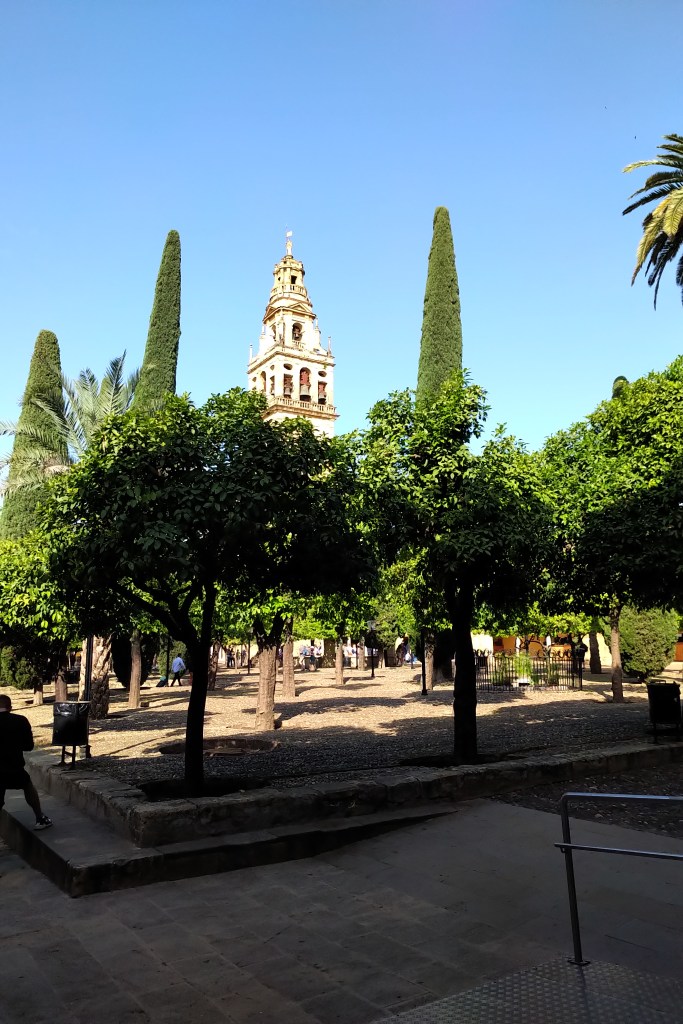
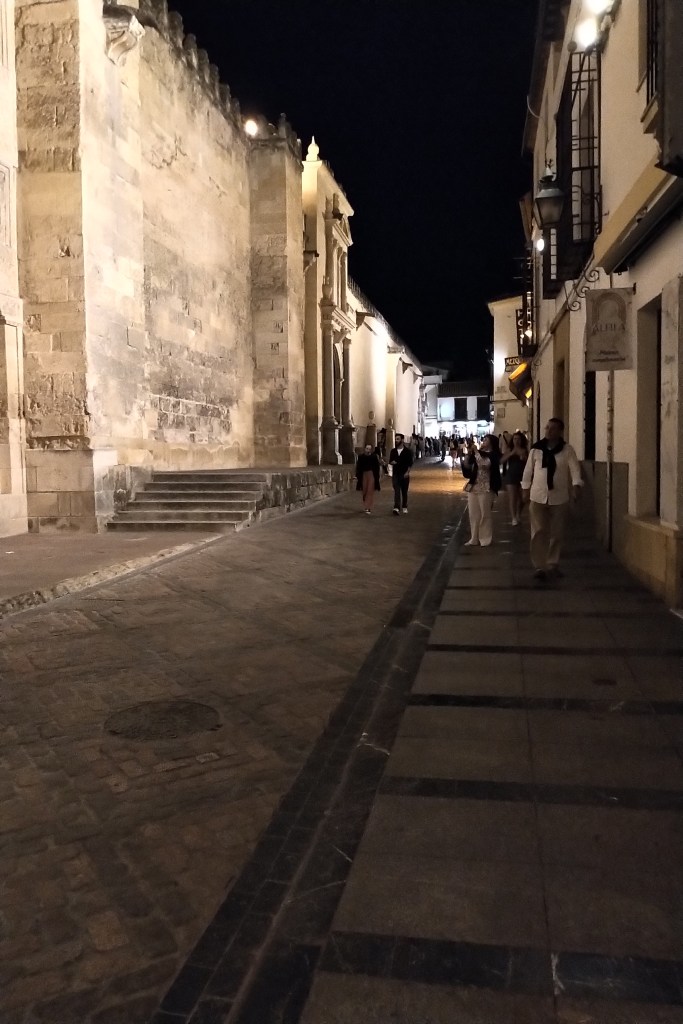
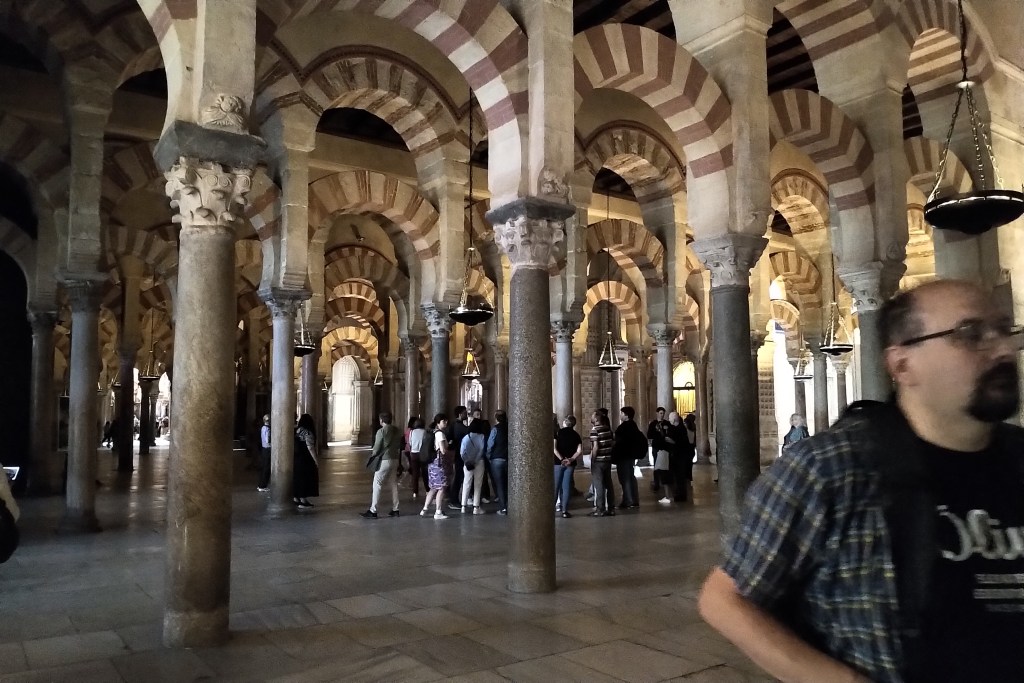
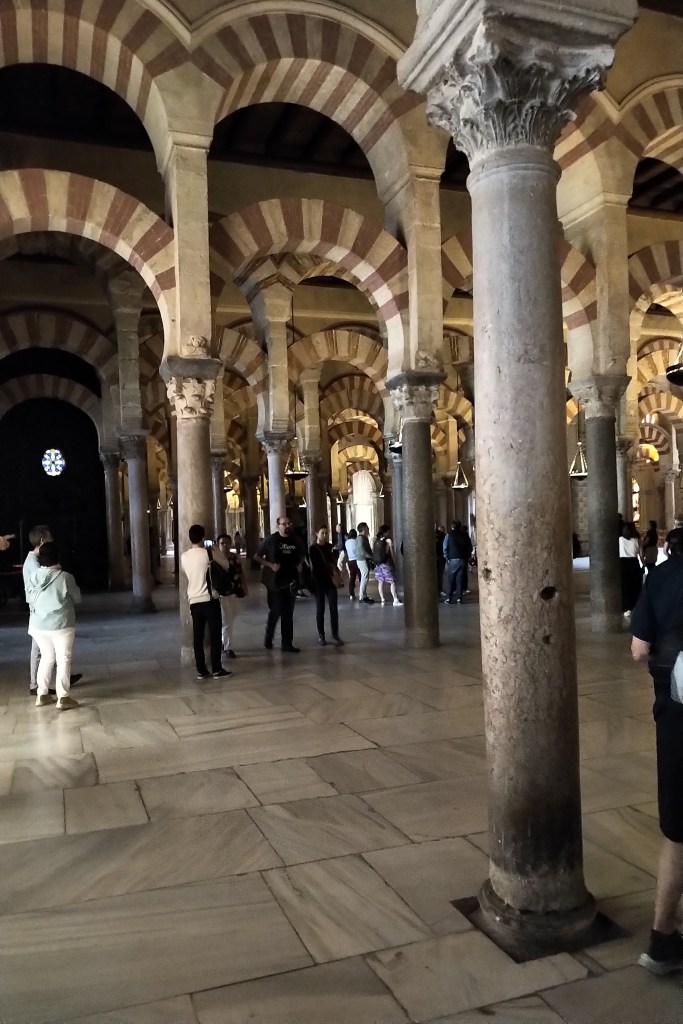
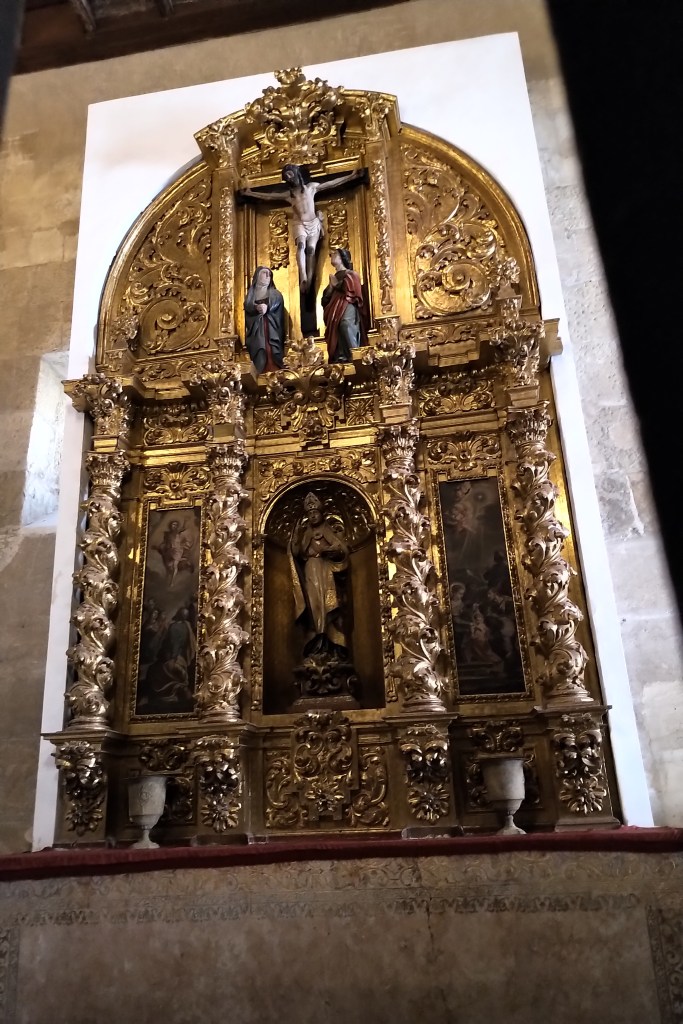
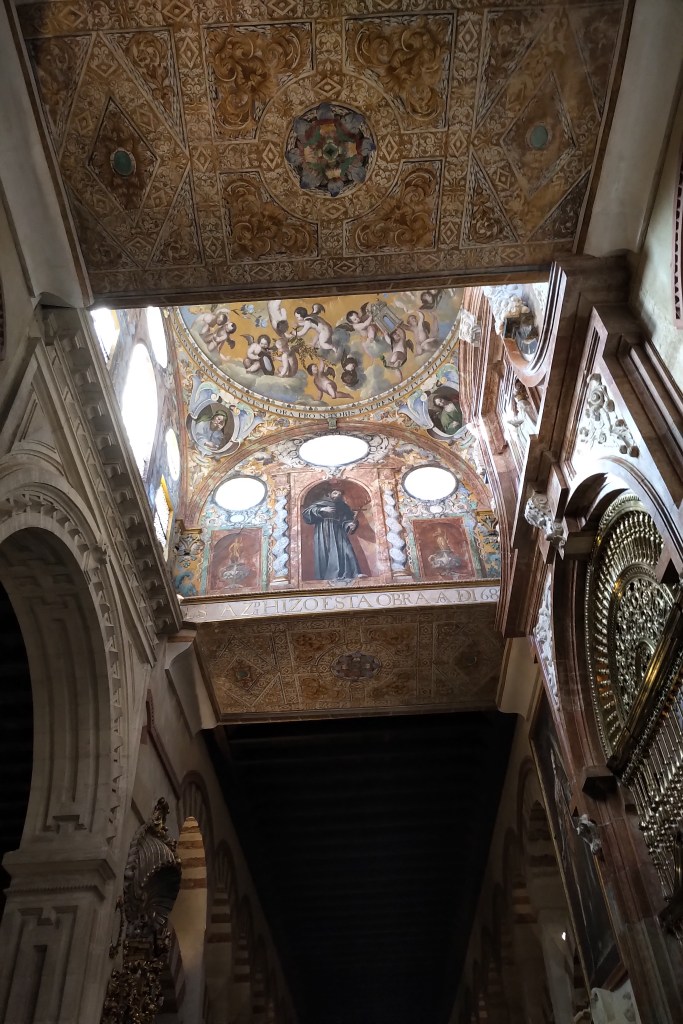
In April, I visited the Spanish city of Cordoba. I thought you might like to see some of the pictures I took.

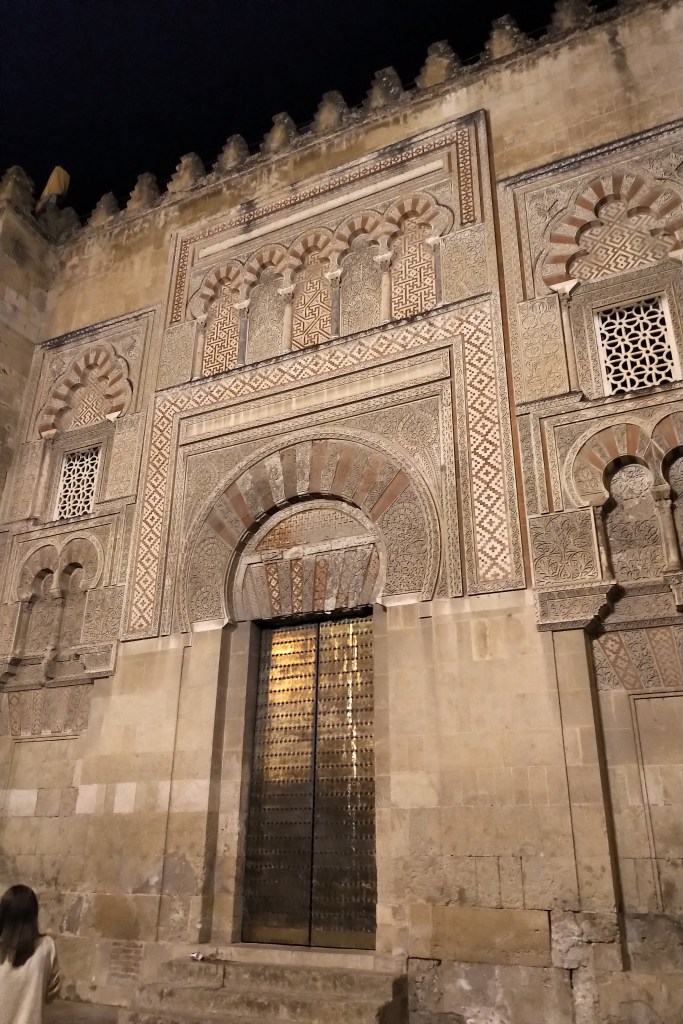
First, the Mesquita. This was a mosque constructed in 785 when Spain was under Muslim rule. There is some disputed history that there was a mosque earlier than that, which was also used by Christians as a church. this sharing of a building indicates to me that there wasn’t the animosity between the two religions as there is nowadays.

When Ferdinand and Isabella reconquered Spain in the 15th century, the mosque was converted to a cathedral. To find out more, here’s a link to Wikipedia.

This is the oldest gate, called the Visier’s gate and it’s decoration dates back to 855.

This gate was right opposite our hotel!

Now for some other pictures of the cathedral.

The street outside our hotel, showing the cathedral on the left.

Of course, full of tourists!

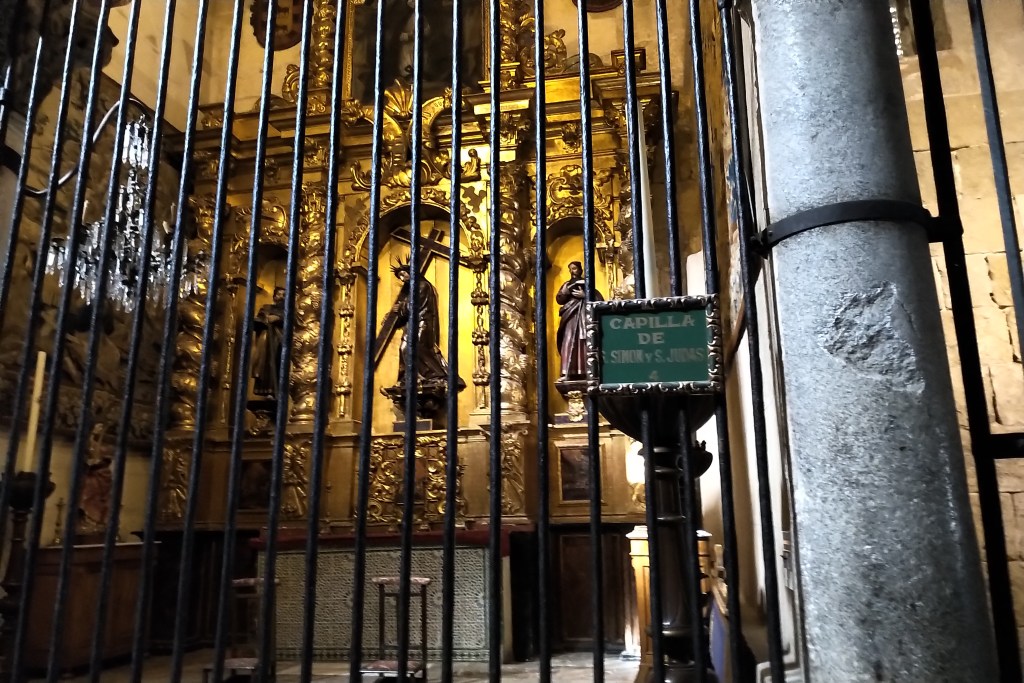
One of the chapels.

And a part of the ceiling.

Another chapel. the amount of gold was amazing. All stolen, I suppose, from South America.

I’ll post more of my pictures another time. This was the Cathedral. More of the city next time.

If you would like to post a comment, please feel free to do so. Have you been to Cordoba? What did you think of the city?

I would like to remind you of my poetry book, July to December, that came out a couple of weeks ago. It follows on from my January to June book, which is free on all platforms. July to December is only 1.99. Each book gives you one poem to read each day for a year.

Some are humerous, some based on nature, some are short, others longer and narrative.

If you purchase, please leave a review.

Here’s the latest ranking on Amazon.

Best Sellers Rank: #13,136 Free in Kindle Store (See Top 100 in Kindle Store)

1 in Women’s Poetry

3 in Contemporary Poetry

5 in British & Irish Poetry

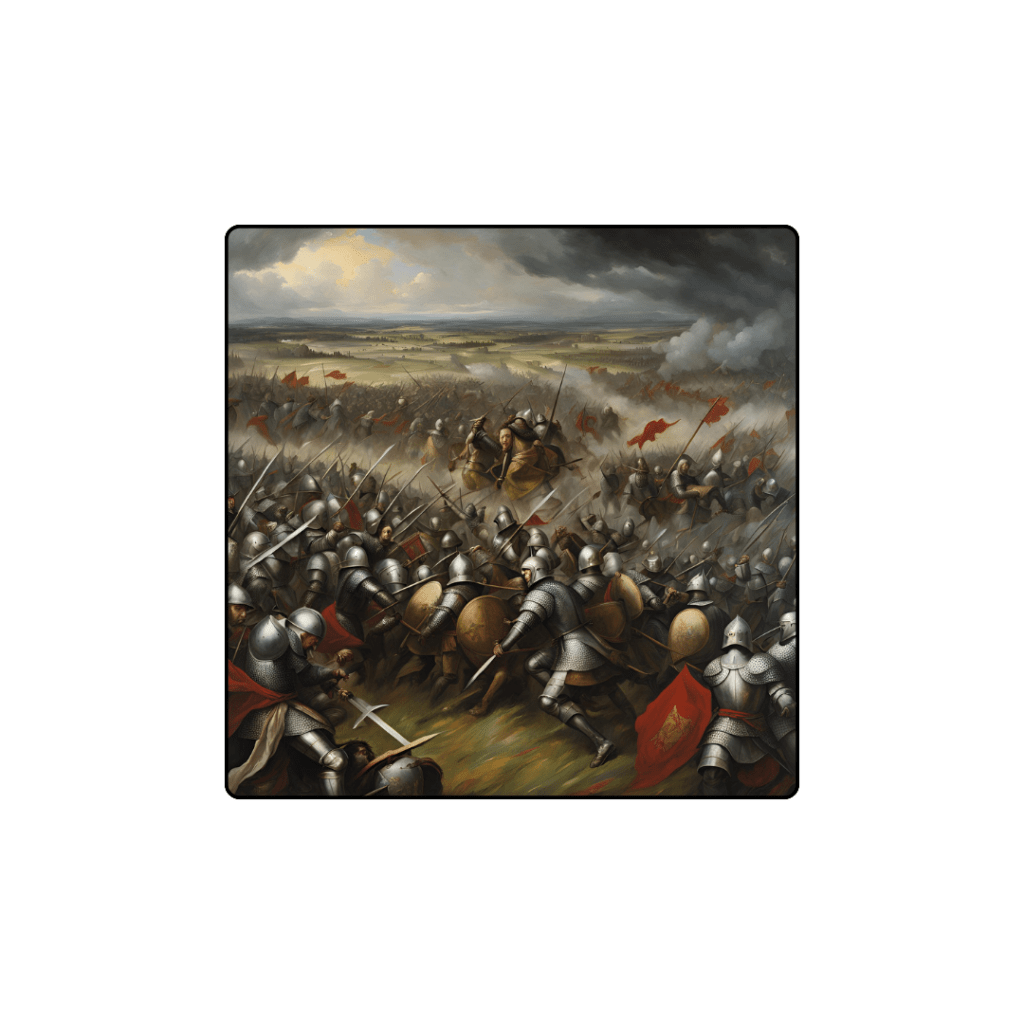
The Battle of Hastings.

Image by Gioele Fazzeri from Pixabay

I am now King of England. King William I. Doesn’t that sound great? However it wasn’t such an easy position to gain. Let me go back to the beginning.

Edward, my second cousin, was in exile in Normandy after Cnut had taken the English throne. I decided to go and see him as he was family, after all, and had no heirs.

While I was there, I played on the family connection, and reminded him that, although he might eventually get an heir with his wife, Emma of Normandy, if he should die suddenly, there would be no obvious claimant to the English throne.

Well, he hummed and hawed and didn’t make a decision then. I’m not surprised, really, because his mother had married Cnut and had a son by him. She supported her son, Harthacnut, and eventually he became king of England.

Edward was lucky. Harthacnut died, and Edward sailed unopposed into England to take the throne. Not long after, he sent his son-in-law, Harald Godwinson to tell me that he had decided to make me his heir. King William sounded good, I thought, but I didn’t trust Harald, so I had him imprisoned. Eventually, in order to regain his freedom, he swore an oath of fealty to me, the rat!

In the year of our Lord, 1066, King Edward, who had become to be know as The Confessor, due to his religious conviction, died. Harald, the rat, took the throne and was crowned the day after Edward’s death. He said that Edward had made him his heir on his deathbed. A likely story!

It was then I decided that I needed to go to England and sort this man out. He had broken a holy oath, and I was the rightful king. But it seemed I wasn’t the only one to want the crown of England. Harald’s own brother, Tostig, joined forces with the Norwegian king, Harald Hardrada, and launced an invasion.

They met initially at a place called Fulford, in the north of England, not far from the city of York. This was 0n September 20th 1066. It seems the invaders won, but Harald was not to be defeated so easily. He fought another battle five days later at a place called Stamford Bridge where both Tostig and Harald Hardrada were killed.

Well, this was too good an opportunity to miss. I had set sail, knowing that Harald would be occupied, and we landed at a place called Pevensey. There had been a Roman castle there, and we made use of that. I ordered a wooden fort to be built inside the Roman walls. It was a good defesive position.

The whole area was marshland, and the sea came up to the fort walls. I ordered the troops to begin marching over the marshes, heading towards the town of Hastings. Once we got there, I ordered a fort to be built, and we raided the land for supplies.

We waited for Harald to arrive from his battle at Stamford Bridge. We knew they would be tired after a forced march. I set a watch the night before the battle. I would not have put it past Harald to make a surprise attack, but he didn’t, and so on 14th October, at dawn, the battle began.

I won’t go into details here. Suffice it to say that it was hard fought and lasted all day. In the end, though, we won, and Harald was dead. I was now King of England.

I have begun the research for the next book in the series, A Family Through the Ages. This one will start in 1066 with the Battle of Hastings.

If you would like to catch up on the series, the first book, Vengeance of a Slave, is free as an ebook. Alternatively, you can get it from your favourite store, here.

Jealousy of a Viking, the second book, can be got from your favourite store, here.

Or click on the images in the side bar.

Both books are also available as audio books.

My publisher has released merchandise with the book covers on. These include: t-shirts, mugs, drinking glasses, jigsaw puzzles, tote bags and many more.

Why not go and take a look at what’s on offer? Click here to go to the Next Chapter store.

Please let me know what you think about the story and the books and merchandise in the comments.

Feel free to share this, and any other posts. Just link back to this blog. I will be ever so grateful!

A 5 star review of Vengeance of a Slave

As you might know from my previous posts, Vengeance of a Slave was released on Boxing Day. I have already received a 5 star review.

It has reached the following positions on Amazon.com: #6182 in Action & Adventure Fiction #1481 in British & Irish Historical Literature #6419 in Adventure Stories & Action

Here is the review by Randall Krzak.

Vengeance of a Slave by V.M. Sang is a riveting story set during the period when Rome controlled Britannia. Follow the trials and tribulations of Adelbhert after he and his sister are taken by the Romans from their mother. They eventually end up as slaves in what is modern-day London. Adelbhert performs a nightly ritual to remind himself of the suffering he and his sister have endured, beginning with the crucifixion of their father. He vows to escape and punish those who have wronged him.

V.M. has created a moving story which will keep you turning the pages to find out how Adelbhert and his sister handle their new life. Experience their sorrow, anguish, and finally hope as they adapt to their changing situation. This is the first novel I’ve red of V.M.’s and it certainly won’t be the last! Well done and highly recommended!

And here’s another one I received when I had self-published it, before Next Chapter agreed to publish it under their Legionary imprint.

Review by Ashok.

Vengeance of a Slave (A family through the Ages) by V.M. Sang is about the horrifying experience of siblings Adelbhert and his sister Avelina, his sister, who witness Roman soldiers crucify their father and other men from their village. These small children are snatched from their mother by the Romans to be sold as slaves. Bought by a rich merchant, they are taken to a distant island Brittania where they are treated as pets. When they grow bigger, plans are made to sell them as house slave and courtesan.
Adelbehrt’s experiences have embittered him and he dreams and plans to extract revenge from the Romans, and he plans to escape with his sister. How they escape, the dangers they face, the stratagems they use to stay hidden, the helpful and cruel people they encounter, their adventures… These make up the remaining plot.

A great narration of a novel idea with good word pictures which drew me into that period, I found the overall narration and language to be gripping. But for some errors I found, I would have said it is five star material.

These typos have now been sorted, of course,

And it has also received another 5 stars without a review attached!

A Poem from my Work in Progress.

viking-1755606_1280

This story is set in Britain, in what is now Yorkshire at the time of the Danes and tells of the trials and tribulations of Helgha. This is a saga told by a scald (the Danish equivalent of a bard.) It tells of how Erik won Helgha from her father.

“Erik loved the beauteous maiden, Helgha,
The most beautiful maid
Amongst all the Danes.
Her flaxen hair flowed like moonlight on the seas
And her blue eyes glowed like the sky in summer.
But they could not marry.
For Erik was promised to another.
He visited his love often
Until her father challenged him
To a battle.
Sword rang on shield.
Axe split the air with sound like thunder.
Young and strong, was Erik,
Older and wily was Biorn.
Who would win?
Youth and strength or
Guile and Experience?
Biorn struck first with his axe,
But Erik raised his shield.
Biorn’s axe glanced off.
Erik fought bravely
Until Biorn’s shield broke.
Biorn hit Erik with the edge and drew first blood.
Brave Erik did not flinch.
Blood streamed from the gash in his cheek
But he fought on, ignoring pain and blood.
The battle continued for hours.
Erik parried the axe with his shield.
His sword longing for blood.
His eyes burning with the pleasure of the fight.
Then Erik saw Biorn tiring
The man’s steps became slow,
His axe dragged
As if reluctant to hit this brave young warrior.
Erik backed into a barn wall and feigned a slip.
When Biorn came with raised axe
To finish the battle and send Erik to Valhalla,
The young warrior rolled beneath the axe
And as Biorn raised his weapon,
Erik sent his sword upwards.
Into the heart of his foe it went.
Blood flowed over both.
As Biorn crashed down, Erik rolled away.
Helgha screamed.
Her lover and her father both drenched in blood.
Who lived and who died?
Then Erik rose and seized the maiden.
He fled to Stjarna, his horse,
And leaped to her back with Helgha.
They galloped all night
Until at dawn they arrived in Jorvik.
Now Erik has a beautiful bed-slave.
And a scar on his cheek
To remind all of his bravery.”

The book is undergoing the editing process at the moment. I’ll keep you all informed as to how it’s getting on. Nearly through the first rewrite.

A Sneak Peek at my latest Work in Progress.

This is an extract from my latest work, Jealousy of a Viking. It follows Helgha, a descendant of Adelbehrt from Vengeance of a Slave.

At the beginning of the book, Helgha helps  young man, Erik, who is lost in the forest and finds him very attractive. She begins to have dreams of a life with him, but her father has arranged a marriage with a neighbour’s son.

celebrating-1297376_1280


One morning, about ten days after Erik’s final departure, her father came to her. ‘I’ve chosen a husband for you. I’ve decided on Gunnar Janson’s son. I spoke with Gunnar yesterday and he is in agreement.’
Helgha hung her head. She must obey her father, but her dream of becoming Erik’s wife dissolved as she foresaw a life lived with a man she did not like.
Gunner Janson’s son will not make any woman a good husband. On the few occasions they met, he had treated her with disdain. He did not seem to like women and had told her once that he thought them weak. They did not know how to fight, and fighting was life.
But she must do as her father said and so she whispered, ‘Yes, father’, hoping she sounded acquiescent, but a feeling of tightness encompassed her chest, and her hands clenched involuntarily.
Helgha took a deep breath then carried on with her tasks with a heavy heart. She would have to obey her father, but all her dreams of a life with Erik came crashing down around her ears. Thoughts of rebellion flashed through her mind but immediately disappeared. She did not know if Erik felt the same way. Most probably he did not. They had been beautiful dreams though.
Crushing those thoughts, she left the longhouse and walked to the well. Hearing the drumming of hooves on the road, she looked up. Her stomach turned over and her heart beat faster as Erik rode through the gate. He slid from his horse and jogged over to where she stood. Taking the buckets from her he looked into her eyes. Helgha thought she saw something there. Something that made her think her dreams were not in vain.
‘Hello, Helgha,’ Erik said, then looked away.
Had she imagined what she saw in his eyes? ‘Hello, Erik.” She felt redness creeping up her neck and infusing her face.
Leaving the other women who were at the well staring after them, the pair walked to the house in silence.
Why had he come? Surely her dream had not come true and he intended to ask for her hand in marriage. He must have some other reason to come here. Yes, that was it. He was on his way somewhere else and stopped at Thoringsby because it was convenient.
They entered the house, Erik following Helgha. He put the buckets down and spoke to Aedelflaed. ‘Thank you for your hospitality the other week. I would not be alive now if it weren’t for your kindness.’
Aedelflaed smiled at the young man. ‘No thanks are necessary. We did what anyone would do. You could have been killed by wolves or bears out there in the dark.’
‘I have something for you. To thank you. Wait a moment and I’ll go and get it.’ Erik ducked through the door, and a moment later returned with his saddlebags over his arm.
First, for you, Aedelflaed, I have this.’ He handed over a necklace of glass beads.
Aedelflaed gasped. ‘This is beautiful, Erik.’
‘It was made in Jorvik. We don’t make much glass there, but what we do is usually made into beads or rings, and is of fine quality. Now, for Biorn I’ve got some wine. I’m sure he’ll enjoy it when he comes in.’
Helgha smiled at the thought. Biorn drank more ale than wine, but she felt sure he would enjoy the change.
Erik pulled something else from his saddlebags. ‘For Hartvigg I have this wooden sword. He needs to learn how to fight like a true Dane. I have a Kubb set for Laeff and for Sighmund this toy boat.’ Then he turned and smiled at Helgha. Her stomach turned somersaults. ‘And for you, this amber necklace. The amber comes all the way from the Baltic Sea.’
Helgha blushed as Erik fastened it round her neck, and she looked at her mother.
Aedelflaed frowned. Helgha knew what thoughts passed through her mind. Like the ones passing through her own head. Why had Erik brought her such a valuable gift? Did he want to court her? Neither she nor her parents knew anything about him. He appeared to be well off if his clothing were anything to go by. But would Erik’s father want his son to marry someone from a family of lower status?
Helgha sighed, pushing those thoughts away. If it were the case that Erik wanted to marry her, then his father would speak to hers. She would be the last to know.
After this, he came every week on some pretext or other, but no message arrived from his father to Biorn suggesting a marriage. Erik, however, behaved as if he and Helgha were already betrothed.
One day, Biorn tackled Erik on this subject. Helgha held her breath, half-hoping Erik would say his father would send a message to Biorn about a betrothal.
‘You’ve been coming here a lot, Erik,’ Biorn said. ‘You spend a lot of time with Helgha, but we’ve heard nothing from your father about a betrothal.’
Erik went red and hung his head. ‘I would truly like to be betrothed to your daughter, but my father would never agree. You cannot pay the dowry he would expect.’
Biorn’s face grew dark, and his eyes flashed. ‘You come here courting my daughter, yet you have no intention of marrying her. This is an insult to my family.’
Helgha held her breath as Erik continued to look at the floor. ‘I mean no insult to you, Biorn. My father will not agree to me marrying Helgha, but if I could, I would do so.’ He looked up and into Biorn’s eyes. ‘I’m afraid my father wishes me to marry someone who can bring wealth and influence to our family. Someone, I suspect, who is closer to Halfdan than he is.’
‘Then this means I will have to defend the honour of my family. I will not have you dishonour my sons and myself.’ He went to the wall and took down his shield and battle axe. ‘I must kill you. You have insulted my family. Have you amused yourself with my Helgha? Is she ruined?’
Erik faced Biorn. ‘Should we not fight outside?
Biorn grunted. Helgha stood with her hands over her mouth and her eyes wide. As the two men went through the door, she ran after them screaming.
‘No! No! No!. Don’t fight over me. Please. Father, don’t kill him.’
She rushed over to Biorn and tried to pull his axe from his hands.
He shoved her away. ‘This is man’s business. Go back to your mother.’
Helgha fell to the floor, scrambled up and ran back towards the longhouse. Her mother appeared through the door.
‘Mother! Stop them. They’ll kill each other.’
Her mother looked at her. ‘One of them will kill the other. That’s the way it is. Erik has insulted our family by coming here as if to court you, but making no offers. Your father has to have his honour satisfied. If he fails, then it will be up to your brothers to kill Erik when they are old enough.’

I would be interestd in your opinion of this extract. Please post a comment in the comments box.

Historical Recipes FREE.

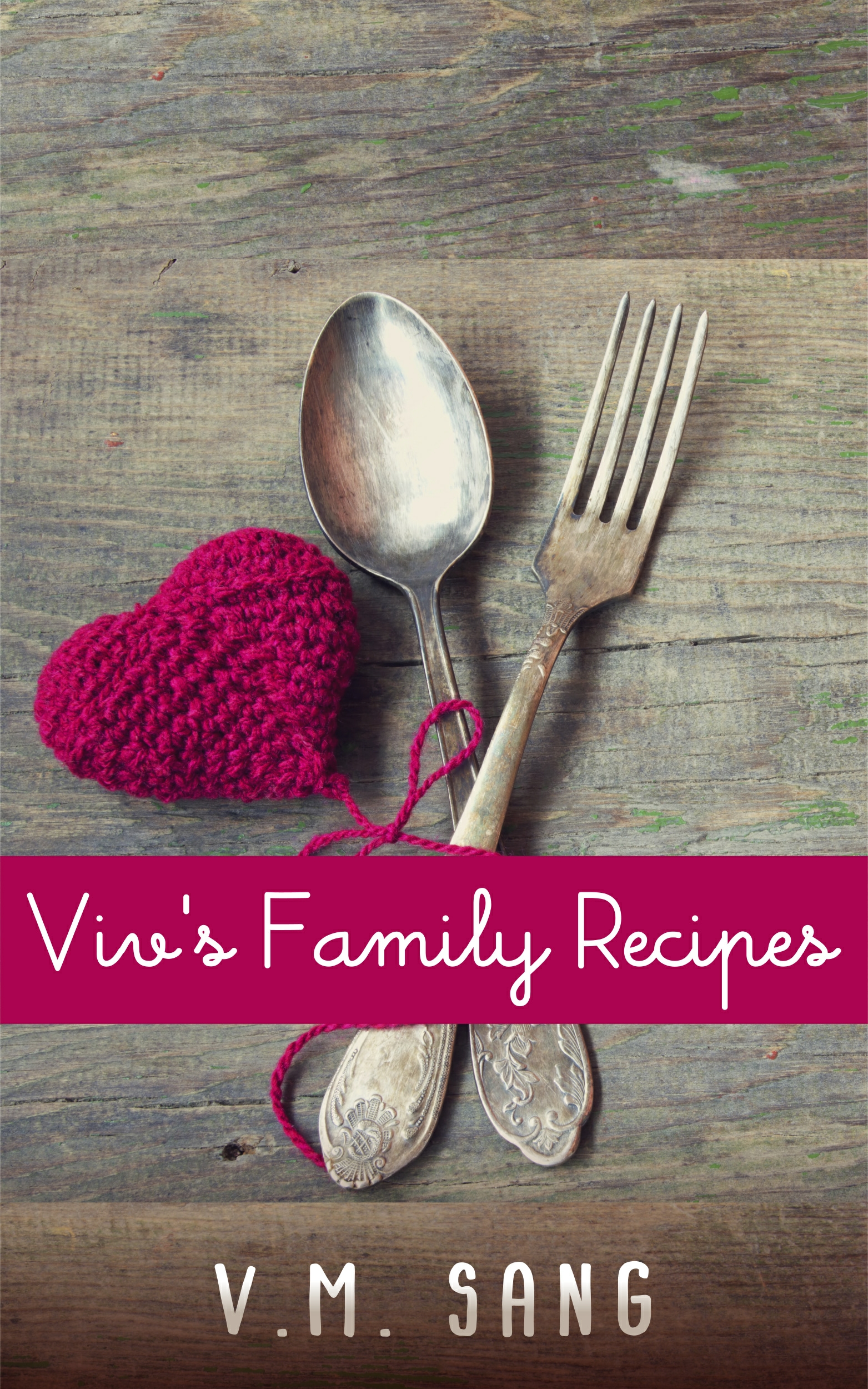
Do you enjoy cooking? Do you like history? Well, you will enjoy Viv’s Family Recipes.

This little book is a collection of recipes from the author’s family, collected over the 20th century from 1909 to the end. It gives an insight into how we ate and cooked throughout the last century, as well as a few comments about the people whom she got the recipes from.

vivsfamilyrecipecover

The book  also contains a few hints and tips from long ago about cleaning, as well as cures for coughs and colds.

From today, 5th February, until 20th Feb, Viv’s Family Recipes is FREE on Amazon.

Don’t miss out on the opportunity to get this interesting book absolutely free. Just click on the book cover.

if you buy this book, please leave a review on Amazon. Reviews are important to authors. That’s the way most of us get our books in the public eye.

Thank you for reading, and if you have, for buying this book. Leave a comment in the box. I’d love to hear from you.