Tag Archives: blogging

Addition of a new page.

Hi, Everybody,

I have been writing historical novels under the name of Emily Littler. I currently have one pubished, called Vengeance of a Slave. I started a website in order to promote it and get it known that it exists. However, I’m finding it well nigh impossible to keep up with both this site and that oneĀ  so I’ve decided to add a page here dedicated to Emily’s novels.


Samhain. A Poem

Samhain is the pagan pre-curser to what we now call Hallowe’en. It was thought that on the nights of the equinox the veil separating the world of the dead from our own world thinned, and the dead could come through.

Not all the dead were consindered scary, though. The people thought that their recent dead visited them, and they put out food, or set an extra place at the table to accommodate them. These dead came to see their loved ones were going on alright.

Evil spirits, though, could come through, too, and so bonfires were lit to keep them at bay. The home fires were put out, too, to be relit the following day from the bonfires.

Pope Gregory decided that some of the pagan dates should be incorporated into the Christian calendar as psople were used to celebrating on those days. Samhain was one of these. The Pope designated it to be All Saint’s Day, hence the night before became All Hallow’s Eve. (Hallows being another word for ‘holy’ or ‘saint’.)

Pope Gregory also fixed the date of Christmas to co-incide with the pagan festival of Yule, and turned some of the pagan gods into saints. He also used pagan worshiping sites to build Christian churches, on the same principal. People were used to going there to worship.

Here is a poem I wrote for Samhain. I hope you like it.

ghost-50055_1280

SAMHAIN

Don’t go near the graveyard, darling,
Samain is tonight.
Don’t go near the graveyard, darling,
The dead will walk this night.

Keep your candle burning, darling,
Keep it glowing bright.
Keep your candle burning, darling,
Be sure it gives you light.

The bonfires have been lit, darling,
To fill the dark with light.
The bonfires have been lit, darling,
Their flames reach such a height.

Put your home fires out, darling.
Be sure to do it right.
Put your home fires out, darling.
From bonfires we’ll relight.

Put food by the door, darling.
Leave it in plain sight.
Put food by the door, darling.
For our own to have a bite.

Do not be afraid, darling,
They see that we’re alright.
Do not be afraid, darling,
No harm from them tonight.

But evil spirits come, darling.
We must put them to flight.
But evil spirits come, darling;
Them we must try to fight.

Go and watch the bonfires, darling.
Stand in their bright light.
Go and watch the bonfires, darling,
They keep us safe this night.

I hope you enjoyed my poem. Please leave a comment.

2 frequently misused words

scrabble-2378253_1280


There are two words that most people get wrong, these days. Strangely, they do not have similar spelling, nor similar sounds. When they are used wrongly, it grates on me.

Many well-educated people do not seem to be able to get it right, either.

What are these words?

They are Number and Amount.

The word ‘Number’ is rarely misused but ‘Amount’ is. All the time.

Let me try to explain the difference.

NUMBER This refers to, not surprisingly, the number of things.

It is used when we count things. 1,2,3,4,5 etc.

We can also say, for those techies amongst us, it is a digital word.

It tells us how many of something there is.

AMOUNT This refers to a measurement.

It is used when we don’t actually count individual things.
It is an analogue word.

It tells us how much of something there is.

Thus, to say ‘The amount of people at the party was 30′ is wrong. We are counting those people, not measuring them.

However, it is correct to say ‘The amount of rain that fell in October was less than normal.’ We are measuring the rainfall.

I don’t thing I’ve ever heard number used for a measurement, unless it is something like ‘The number of inches of fabric you need is…’, but then it’s counting, not measuring.

I would like this to get to as many people as possible, as I am getting increasingly stressed by this incorrect usage. Please re-blog it for my sanity’s sake.

The Storm

A lovely day, the sun was warm
It had shone on us since dawn.
The heat oppressed us all the day,
Even as in bed we lay.

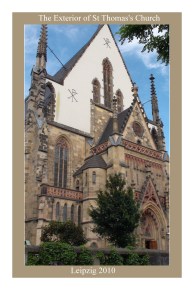
110exteriorstthomasleipzig

We went to Leipzig in the heat.
In Thomaskirke we took our seat
To hear St John by J.S.Bach.
It did not end till after dark.

When we emerged it was in rain.
We rushed to find our car again.
The thunder rolled across the sky,
The lightning flashed, but now we’re dry.


germany-870135_1280

We drove towards Chemnitz and saw
O’er Dresden, flashes like the War’
Was it ’45 again
With bombs falling like the rain?

The lightning flashed, the thunder boomed.
We thought that wewere surely doomed’
It must at least be Armageddon,
Such brightness in a sky so leaden.

lightning

The storm went of for several hours
Showing nature’s awesome powers
And even though it scared us some
We were impressed. It struck us dumb.


If you liked my poem, which was written after an actual storm in Germany, please add a comment and I’ll get back to you. If you woul like to re-blog it I would be very grateful.

Time on the world of Vimar

For some reason, this post got posted as a page, not a post. Twice! I’ve removed it as the 2 pages, and just in case anyone didn’t see it, I’m re-posting it as this week’s blog. If you’ve already seen it, my apologies.


The time of Vimar, the planet on which the continent of Khalram stands, is calculated differently from that of Earth. Here is a little about it.

From early times, it was known that the planet Vimar took almost exactly three hundred and sixty days to travel around its sun, the people divided this into twelve months of thirty days each. This number, and the three hundred and sixty days in the year meant that the number six took on a significance, and so they further divided each month into five ā€˜weeks’ of six days each. This was called a ā€˜sixday’.

The months were unrelated to moon phases as the planet has two moons, Lyndor and Ullin, each with a different cycle, but the study of the moon phases became important as they were believed to indicate something of the future, both for individuals and the world as a whole.

The year was deemed to begin at the Vernal Equinox when life was beginning to spring anew, and each of the twelve months was named after one of the gods of Vimar. (See Appendix 2)Ā  the first month of Grilldar was called after the god Grillon, god of nature.

The months are as follows:

SpringĀ Ā Ā  Ā Ā Ā  Ā Ā Ā Ā Ā Ā Ā  Ā Ā Ā  Ā Ā Ā Ā Ā Ā Ā  Remit of GodĀ Ā Ā  Ā Ā Ā  Ā Ā Ā Ā Ā Ā  Ruling God

GrilldarĀ Ā Ā  Ā Ā Ā  Ā Ā  Ā Ā Ā  Ā Ā Ā Ā Ā Ā Ā Ā Ā Ā Ā Ā Ā Ā  NatureĀ Ā  Ā Ā Ā  Ā Ā Ā  Ā Ā Ā Ā Ā Ā Ā Ā Ā Ā Ā  Ā  Ā  Grillon

KassidarĀ Ā Ā  Ā Ā Ā  Ā Ā Ā  Ā Ā Ā Ā Ā Ā Ā Ā Ā Ā Ā Ā Ā Ā Ā Ā  AllĀ Ā Ā  Ā Ā Ā  Ā Ā Ā Ā Ā Ā Ā Ā Ā Ā Ā Ā Ā Ā Ā Ā Ā Ā Ā Ā Ā Ā Ā Ā  Kassilla

ZoldarĀ Ā Ā Ā Ā Ā Ā Ā Ā Ā Ā Ā Ā Ā Ā Ā Ā Ā Ā Ā Ā Ā Ā Ā Ā Ā Ā  Ā Ā Ā  KnowledgeĀ Ā Ā  Ā Ā Ā  Ā Ā Ā Ā Ā Ā Ā Ā Ā Ā Ā Ā Ā  Zol

Summer

CandarĀ Ā Ā Ā Ā Ā Ā Ā Ā Ā Ā Ā Ā Ā Ā Ā Ā Ā Ā Ā Ā Ā Ā Ā Ā Ā  Ā Ā Ā  Weather and SeaĀ Ā Ā  Ā Ā Ā Ā Ā  Candello

SylissdarĀ Ā Ā Ā Ā Ā Ā Ā Ā Ā Ā Ā Ā Ā Ā Ā Ā Ā Ā Ā Ā Ā Ā  Ā Ā Ā  Life and HealingĀ Ā Ā  Ā Ā Ā Ā Ā Ā  Sylissa

AllendrindarĀ Ā Ā Ā Ā Ā Ā Ā Ā Ā Ā Ā Ā Ā Ā Ā  Persuasion and deceitĀ Ā Ā  Ā Ā Ā  Allandrina

Autumn

PardarĀ Ā Ā Ā Ā Ā Ā Ā Ā Ā Ā Ā Ā Ā Ā Ā Ā Ā Ā Ā Ā Ā Ā Ā Ā Ā  Ā Ā Ā  AgricultureĀ Ā Ā  Ā Ā Ā  Ā Ā Ā Ā Ā Ā Ā Ā Ā Ā Ā  Parador

RothdarĀ Ā Ā Ā Ā Ā Ā Ā Ā Ā Ā Ā Ā Ā Ā Ā Ā Ā Ā Ā Ā Ā Ā Ā  Ā Ā Ā  Mining and Ā Ā Ā  Ā Ā Ā  Ā Ā  Ā  Ā  Ā  Ā Ā  Roth

metalworking

BardarĀ Ā Ā Ā Ā Ā  Ā Ā Ā  Ā Ā Ā  Ā Ā Ā Ā Ā Ā Ā Ā Ā Ā Ā Ā Ā Ā Ā Ā Ā Ā Ā  WarĀ Ā Ā  Ā Ā Ā  Ā Ā Ā  Ā Ā Ā Ā Ā Ā Ā Ā Ā Ā Ā Ā Ā Ā  Barnat

Winter

BramadarĀ Ā Ā Ā Ā Ā Ā Ā Ā Ā Ā Ā Ā Ā Ā Ā Ā Ā Ā Ā  Marriage and the familyĀ Ā Ā  Bramara

MajordarĀ Ā Ā Ā Ā Ā Ā Ā Ā Ā Ā Ā Ā Ā Ā Ā Ā Ā Ā Ā Ā Ā Ā  Ā Ā Ā  MagicĀ Ā Ā  Ā Ā Ā  Ā Ā Ā  Ā Ā Ā Ā Ā Ā Ā Ā Ā Ā Ā Ā Ā  Majora

KhaldarĀ Ā Ā Ā Ā Ā Ā Ā Ā Ā Ā Ā Ā Ā Ā Ā Ā Ā Ā Ā Ā  Death and the underworldĀ Ā Ā  Khalhera

Days used to begin at dawn whatever the season or place in the world, but eventually it was seen fit to begin them at the time of dawn at the Vernal Equinox in all parts of the world, which was the equivalent of 6 am on Earth. Each day was about the same length as that of Earth, and because of the importance of the number six and its multiples, each day was divided, as on Earth, into twenty four hours and hours into sixty minutes. Seconds not usually considered on the planet as timing to that accuracy was neither needed nor for most people possible. Thus the second hour of the day would be equivalent to 8 am on Earth. Noon on Earth corresponds to the sixth hour on Vimar etc.

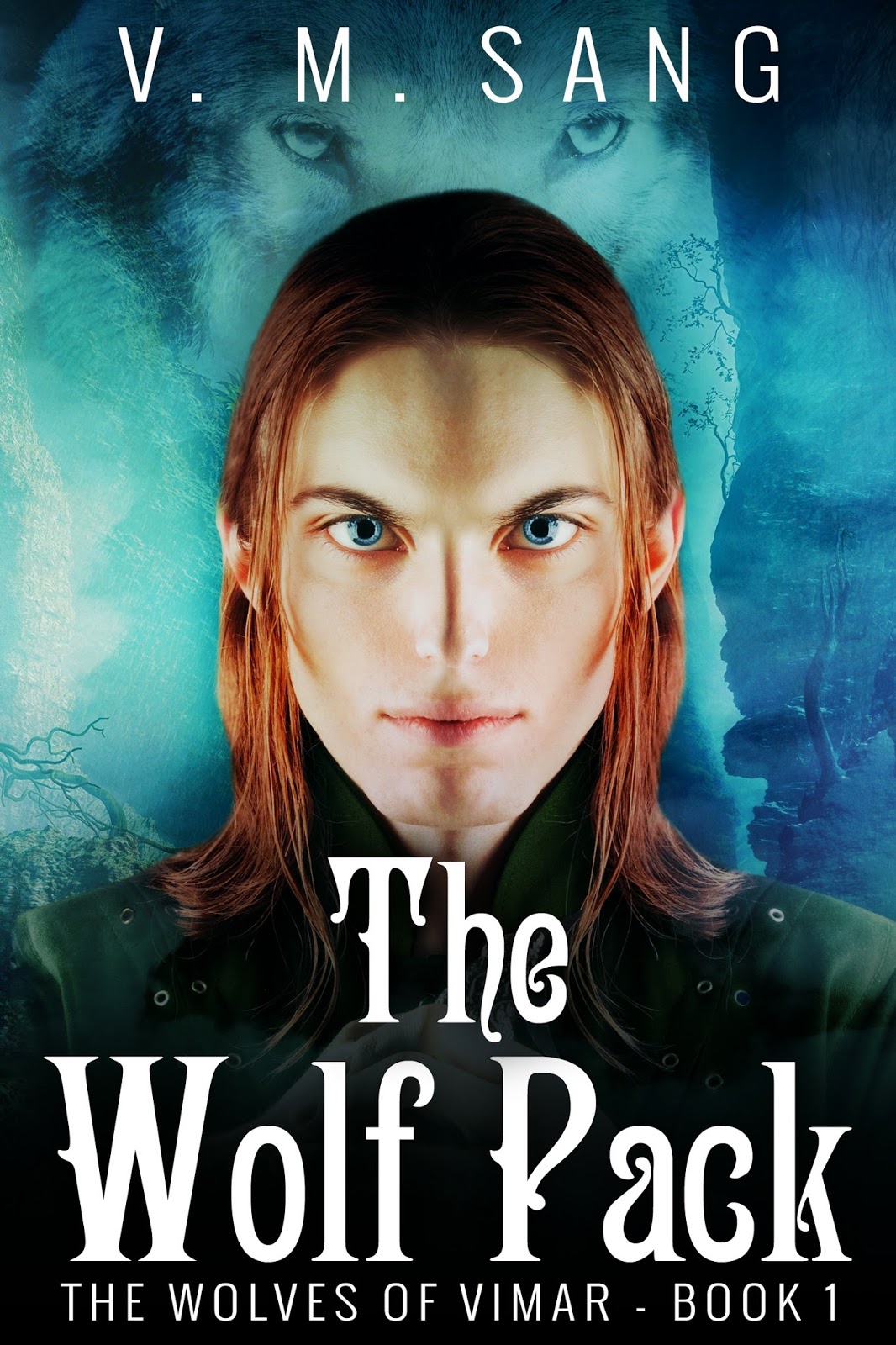
You can buy books 1 and 2, The Wolf Pack and The Never Dying Man by following the links below.

http://myBook.to/thewolfpack

http://myBook.to/NeverDying

Some thoughts on the Arts today.

kitten-1582384_1280

The kitten has nothing ot do with this post, but I thought it cute!


I’ve been thinking a bit recently about the Arts, and how there is a similar feel to most of them these days. what I am going to say might just make some people say ‘Well, what do you expect from an old person,’ and that’s fine.

First let’s think about Music.

I grew up in a musical family. Although she did not play any instruments herself, my grandmother made sure her daughters learned the piano. She was a bit old-fashioned, I suppose, because her sons did not learn to play any instruments.

Her eldest daughter had a beautiful singing voice. She was a contralto and she had proper training. Her voice had been likened to that of Kathleen Ferrier, a very famous contralto of the time.

She told the tale of being on holiday with her husband and another couple, lifelong friends. They were in a group, on a boat, I think, and the group started singing. A distinguished white-haired man came up to her and gave her his card. He said ‘You have a beautiful voice, my dear. Come to my hotel tomorrow and I can help you get a career in music.’

She said no way was she going to go to the hotel of an unknown man. Who he was she never found out, but her voice was outstanding enough for her to be picked out. She could also play the piano by ear.

My youngest aunt had a music degree and taught the piano as well as music in schools. She played the organ, too. A famous tenor, who sang at the local performance of Handel’s Messiah, said she was one of the best accompanists he’d sung with.

My mother, although she could play the piano and enjoyed singing in a choir, was not exceptional, musically.

When we had family get-togethers, there was always music. We children were encouraged to sing or play and when we did something as a family, it was always in harmony. Everyone, it seemed could harmonise.

I myself learned to play the piano and the violin (or vile din, as my mother called it), and have been in several choirs.

I tell you all this so you can know something of my musical background.

I was listening–no, it came on while I was in the car–to a piece of modern music by Stephen Crowe. It began with a trumpet. the sounds from the trumpet were unmusical to say the least. If it were a child learning to play it would have been unacceptable, but no, this was supposed to be music. I didn’t hear much more because my husband changed the channels.

Much of the modern music of today (and here I’m talking classical) is discordant and atonal. It is not beautiful. To me it grates on my ears. Sometimes it sounds as if the orchestra is just tuning up.

I once heard an interview with a conductor, many years ago, when he was asked if he would be able to tell if a player made a mistake. He said he wouldn’t.

Now the visual arts. I’ve visited galleries of modern art and been singularly unimpressed. I have some minor talent with painting and drawing, and I know how difficult it is to produce a masterpiece. I’ve gazed in awe at the work and talent of the Great Masters.

I sat for a long time in Firenze, looking at Michelangelo’s David, and in the Vatican at his Pieta. Beautiful works, and it took an immense talent to realise them.

Tracey Emin’s unmade bed? The pile of bricks that was in the Tate at one time? A pickled calf, by Damien Hirst?

Speaking of Damien Hirst. Why was a large anatomical model of a human, just like a big version of the ones we had in school, a work of art? The parts weren’t painstakingly carved by Mr Hirst unlike the wonderful marble sculptures I’ve seen, and the bronzes, too.

Paintings of black and white stripes, or a square on a background, whatever the colour are not difficult to do. Similarly the very simple, ‘flat’, childlike paintings many artists do are not greatly difficult. That’s why they are ‘childlike’, of course.

Poetry has gone the same way. Modern ‘poems’ are just prose divided into lines. Yes, they might have ‘poetical language,’ but they have no rhythm. I heard one being read on the radio the other day. I forget the poet, but he might just as well have been reading a bit of prose, because that’s what it sounded like. Poetry MUST have at least rhythm. That’s the most important thing. Rhyme, yes, but I’ll allow for blank verse. I’ve written blank verse myself, but they did have rhythm.

So what am I saying in all this?

It seems to me that art is reflecting life. Music is chaotic and so is the world today. People don’t want to spend large amounts of time doing anything. We are in a world where everything is a rush, so an artist won’t spend years completing a work of art.

Modern cathedrals are stark in comparison to the ones built in the middle ages. We think we don’t have the ‘time’ to spend years and decades building them (except for the Familia Sagrada in Barcelona, of course).

Listen to some Bach and then some modern composer. One is sublime, the other–not.

Look at a painting by Titian or Rembrant. The work and talent that has gone into it is tremendous. Unlike the painting of black and white stripes I saw many years ago in the Fitzwilliam museum, Cambridge.

We have become lazy in our art as in much else in life these days. So much, I think, that much art the majority of people could do. I could put random notes down on a manuscript and say it’s a piece of music, or record random noises for the same thing.

Anyone can paint squares, on a canvas, or drop a pile of bricks, or leave their bed unmade, or cast sheets into a stream. (Yes, I read someone had got a grant to do this very thing.)

Poetry. Now that’s another thing. ‘Poems nowadays seem to be prose broken into lines. I’m not saying that some of these aren’t poetic, just that they aren’t poems. Poems don’t have to rhyme, but they must have some structure. The only way I can tell, sometimes, that it is a poem being read is by the tone of voice of the reader (often the poet). If it were read in a ‘normal’ voice, I suspect no one would know it was a poem.

Anyone can string words together and call it poetry.

There’s no skill in that. The skill comes in being able to convince everyone else that it’s art. That’s the true art with these people, not in their works.

Feel free to add a comment.
Time on the World of Vimar

The time of Vimar, the planet on which the continent of Khalram stands, is calculated differently from that of Earth. Here is a little about it.

From early times, it was known that the planet Vimar took almost exactly three hundred and sixty days to travel around its sun, the people divided this into twelve months of thirty days each. This number, and the three hundred and sixty days in the year meant that the number six took on a significance, and so they further divided each month into five ā€˜weeks’ of six days each. This was called a ā€˜sixday’.

The months were unrelated to moon phases as the planet has two moons, Lyndor and Ullin, each with a different cycle, but the study of the moon phases became important as they were believed to indicate something of the future, both for individuals and the world as a whole.

The year was deemed to begin at the Vernal Equinox when life was beginning to spring anew, and each of the twelve months was named after one of the gods of Vimar. (See Appendix 2)Ā  the first month of Grilldar was called after the god Grillon, god of nature.

The months are as follows:

SpringĀ Ā Ā  Ā Ā Ā  Ā Ā Ā Ā Ā Ā Ā  Ā Ā Ā  Ā Ā Ā Ā Ā Ā Ā  Remit of GodĀ Ā Ā  Ā Ā Ā  Ā Ā Ā Ā Ā Ā  Ruling God

GrilldarĀ Ā Ā  Ā Ā Ā  Ā Ā  Ā Ā Ā  Ā Ā Ā Ā Ā Ā Ā Ā Ā Ā Ā Ā Ā Ā  NatureĀ Ā  Ā Ā Ā  Ā Ā Ā  Ā Ā Ā Ā Ā Ā Ā Ā Ā Ā Ā  Ā  Ā  Grillon

KassidarĀ Ā Ā  Ā Ā Ā  Ā Ā Ā  Ā Ā Ā Ā Ā Ā Ā Ā Ā Ā Ā Ā Ā Ā Ā Ā  AllĀ Ā Ā  Ā Ā Ā  Ā Ā Ā Ā Ā Ā Ā Ā Ā Ā Ā Ā Ā Ā Ā Ā Ā Ā Ā Ā Ā Ā Ā Ā  Kassilla

ZoldarĀ Ā Ā Ā Ā Ā Ā Ā Ā Ā Ā Ā Ā Ā Ā Ā Ā Ā Ā Ā Ā Ā Ā Ā Ā Ā Ā  Ā Ā Ā  KnowledgeĀ Ā Ā  Ā Ā Ā  Ā Ā Ā Ā Ā Ā Ā Ā Ā Ā Ā Ā Ā  Zol

Summer

CandarĀ Ā Ā Ā Ā Ā Ā Ā Ā Ā Ā Ā Ā Ā Ā Ā Ā Ā Ā Ā Ā Ā Ā Ā Ā Ā  Ā Ā Ā  Weather and SeaĀ Ā Ā  Ā Ā Ā Ā Ā  Candello

SylissdarĀ Ā Ā Ā Ā Ā Ā Ā Ā Ā Ā Ā Ā Ā Ā Ā Ā Ā Ā Ā Ā Ā Ā  Ā Ā Ā  Life and HealingĀ Ā Ā  Ā Ā Ā Ā Ā Ā  Sylissa

AllendrindarĀ Ā Ā Ā Ā Ā Ā Ā Ā Ā Ā Ā Ā Ā Ā Ā  Persuasion and deceitĀ Ā Ā  Ā Ā Ā  Allandrina

Autumn

PardarĀ Ā Ā Ā Ā Ā Ā Ā Ā Ā Ā Ā Ā Ā Ā Ā Ā Ā Ā Ā Ā Ā Ā Ā Ā Ā  Ā Ā Ā  AgricultureĀ Ā Ā  Ā Ā Ā  Ā Ā Ā Ā Ā Ā Ā Ā Ā Ā Ā  Parador

RothdarĀ Ā Ā Ā Ā Ā Ā Ā Ā Ā Ā Ā Ā Ā Ā Ā Ā Ā Ā Ā Ā Ā Ā Ā  Ā Ā Ā  Mining and Ā Ā Ā  Ā Ā Ā  Ā Ā  Ā  Ā  Ā  Ā Ā  Roth

metalworking

BardarĀ Ā Ā Ā Ā Ā  Ā Ā Ā  Ā Ā Ā  Ā Ā Ā Ā Ā Ā Ā Ā Ā Ā Ā Ā Ā Ā Ā Ā Ā Ā Ā  WarĀ Ā Ā  Ā Ā Ā  Ā Ā Ā  Ā Ā Ā Ā Ā Ā Ā Ā Ā Ā Ā Ā Ā Ā  Barnat

Winter

BramadarĀ Ā Ā Ā Ā Ā Ā Ā Ā Ā Ā Ā Ā Ā Ā Ā Ā Ā Ā Ā  Marriage and the familyĀ Ā Ā  Bramara

MajordarĀ Ā Ā Ā Ā Ā Ā Ā Ā Ā Ā Ā Ā Ā Ā Ā Ā Ā Ā Ā Ā Ā Ā  Ā Ā Ā  MagicĀ Ā Ā  Ā Ā Ā  Ā Ā Ā  Ā Ā Ā Ā Ā Ā Ā Ā Ā Ā Ā Ā Ā  Majora

KhaldarĀ Ā Ā Ā Ā Ā Ā Ā Ā Ā Ā Ā Ā Ā Ā Ā Ā Ā Ā Ā Ā  Death and the underworldĀ Ā Ā  Khalhera

Days used to begin at dawn whatever the season or place in the world, but eventually it was seen fit to begin them at the time of dawn at the Vernal Equinox in all parts of the world, which was the equivalent of 6 am on Earth. Each day was about the same length as that of Earth, and because of the importance of the number six and its multiples, each day was divided, as on Earth, into twenty four hours and hours into sixty minutes. Seconds not usually considered on the planet as timing to that accuracy was neither needed nor for most people possible. Thus the second hour of the day would be equivalent to 8 am on Earth. Noon on Earth corresponds to the sixth hour on Vimar etc.

You can buy books 1 and 2, The Wolf Pack and The Never Dying Man by following the links below.

http://myBook.to/thewolfpack

http://myBook.to/NeverDying

Review of Judas by Roy Bright

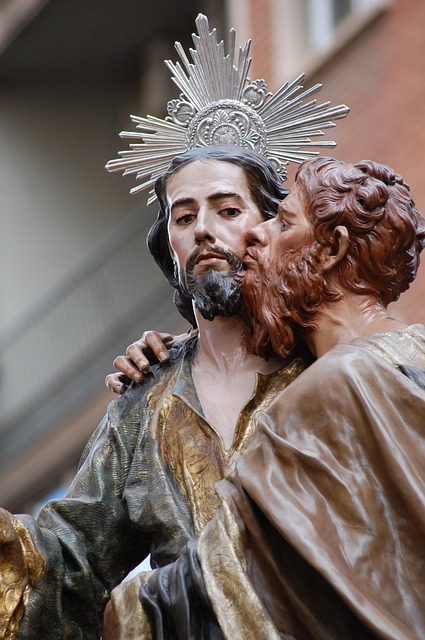
jesus-501753_640


Judas Iscariot. A name reviled down the ages. It was thought he committed suicide when he realised the enormity of what he had done in betraying Jesus Christ, but his punishment is far worse.

God condemned him to walk the Earth forever, never able to die.

Now he has been given a task. He has to look after a small girl until she passes her seventh birthday. Just a few days. that’s all. A simple task, you would think, but, of course, it’s never that simple. This is a special girl. One who will prevent Lucifer from entering the world.

Lucifer actively seeks the child, sending his devils in disguise. Murder and meyhem ensue…

I am not saying any more about the plot of this book. I don’t want to spoil it for you.

The character of Judas is well drawn. He is complex, as one might expect, having lived 2,000 years. The other characters are believable, too. There is the policeman who is forced to re-evaluate his religious beliefs when confronted with the evidence of his own eyes, and also the hooker dragged into the conflict, who shows courage she didn’t know she had.

Finally, Charlotte, the little girl. She is very much like a typical six-year-old, except for the fact that the horrors she witnesses do not seem to faze her. Yes, she is afraid, but a normal child of her age would be traumatised. But then, she’s not a normal child, is she?
The writing is good. The pace keeps you on the edge of your seat, waiting for the next event. At first, I thought I would not like the fact that it is written in the present tense, but as I got into the book, I realised it adds to the immediacy and tension of the story. It also helps wit flashbacks, which are written in the past. You know that this is a previous event.

There is one thing that I found a bit disconcerting, though, Towards the cmimax of the story, the author does rather a lot of ‘head-hopping’, jumping from one charachter’s point of view to another.

All in all, a good read,

An Interview with Magister Robiam, the chief Mage in the land of Grosmer. From The Wolf Pack–a fantasy adventure.

This month I have managed to prize an interview out of
Magister Robiam, the chief mage in the Mage Tower in tower-2410961_1280
Hambara.

Me: Thank you very much for allowing me this time in what must be a very busy schedule.

Robiam: Not at all, my dear. We must keep the press happy. Magic is still not fully trusted you know.

Me: After the Mage War and the Forbidding I suppose you mean. Arch-Mage Yssalithisandra told me about that.

Robiam: Yes. I can’t understand why it is taking so long for people to realise that
magic isn’t evil. It’s just a tool, and the users can equally put it to good or bad use. Just as a knife can be used to cut up food for the preparation of a meal, and also to kill or injure someone. The knife isn’t evil, just the user.

Me: Quite. You are a magister, sir. Tell me what that means.

Robiam: It is the highest rank that a mage can reach. When an apprentice passes
his or her tests, they are welcomed into the ranks of mages and go by the title
of simply ‘Mage’. The first year of their ‘mageship’ if you wish to call it that, is a
probationary year. They cannot ‘fail’ this year though. It is mainly to let people know
that this person is very newly qualified. Thus, folk know that their experience is limited
and not expect too much of them. The probation can be extended or shortened.
depending on the mage in question.

Me: What happens after the probation is finished?

Robiam: The mage continues to be a simple mage until, or if, they reach a certain
standard when they will become an Arch-Mage. Many do not progress beyond
being a simple Mage of course.

Me: And to progress to Magister an Arch-Mage must reach another, much higher
standard?

Robiam: You’ve got it; but the level for Magister is extremly high and few manage
to make it.

Me: So there are only 3 ‘levels’ in the magic profession?

Robiam: Yes. Of course, once there were many more. Newly-qualified mages were
known as a Conjurors, then they would progress to Magicians, Sorcerors, Wizards etc.

Me: Why was this scrapped?

Robiam: It was too cumbersome, and mages are rather fond of their independence. They are free spirits, if you like. They do not like to be regimented, and so it was simplified.

Me: Why not do away with ranks completely then?

Robiam: It was suggested, but the Magister in charge of the Tower at the time thought
that the general public should have at least some idea of the power of the mage they
were dealing with, and so it was decided to retain 3 ranks. (Although if you consider it,
there are really 4, including the probationary mages.)

Me: Thank you for making that clear, Magister. I was wondering, however, ahout those
who fail their mage tests. What happens to them?

Robiam: Unfortunately there are always a few who have a little magic but insufficient to pass the tests. We do not turn them out into the world to create havoc, which they could easily do. We make them associates of the Tower and they become entertainers, keep shops selling magic items, become adventurers etc.

Me: Thank you very much, Magister for your time.

If you would like to know more about the magic on Vimar, the world in which Magister Robiam and the other people I’ve interviewed live, you can buy the first two books in the Wolves of Vimar Series, available from Amazon in ebook ot paperback formats. They are The Wolf Pack and The Never-Dying Man. Follow these links.

http://mybook.to/thewolfpack/

http://mybook.to/NeverDying/

If you have read either or both of these books I would be most grateful if you would post a review, Reviews are important to authors because it is the main way that other people find their books. If you have done so, or are going to do so, Thank you very much.

Book Release

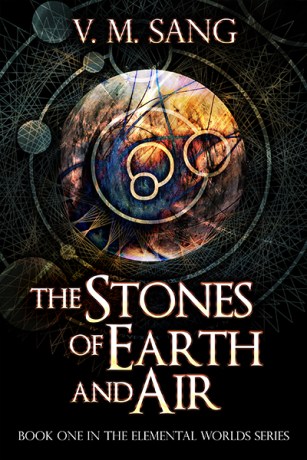
The Stones of Earth and Air will be released next week. It’s book 1 in Elemental Worlds. Here’s a bit about it.

earth-and-air

Pettic is the best friend of Torren, the Crown Prince of Ponderia. When Torric starts behaving out of character, Pettic sets about trying to find out why. He discovers that Torren has been kidnapped and a doppleganger put in his place.

He decides he cannot let his friend remain a prisoner, nor allow the cruel impostor to remain as Crown Prince and ultimately King as he would no doubt become a tyrant. Pettic therefore sets about rescuing his friend.
He discovers that Torren is imprisoned in a mini-plane created by a magician. The only way in is using four gems associated with the four elements, Earth, Air, Fire and Water.

There is a problem, though. Each gem has been hidden on one of the four Elemental Worlds. Pettic resolves to enter each of these worlds and find the gem. How can he find a single gem in a whole world, though? And he can’t return without the gem.

On each world, he has to perform a task to help the inhabitants.

Can he discover the gems, or will he remain trapped on one of the worlds? What are the tasks he has to perform, and can he get back and then enter the mini-plane and rescue Torren before the false prince becomes king?