Tag Archives: England

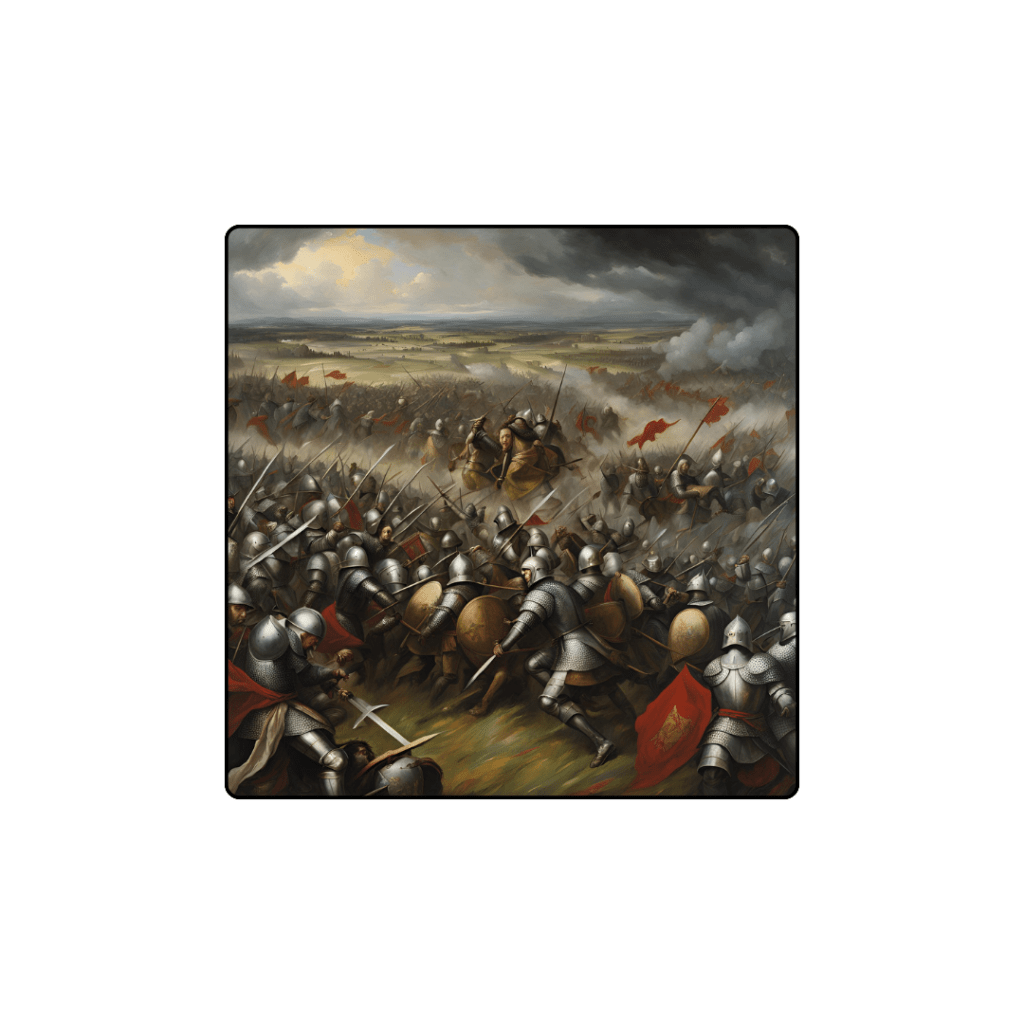
The Battle of Hastings: New Theories on the Site

King Harold engaged in two battles in Northumbria. He was defeated in the first, but triumphed in the second, which occurred five days later, resulting in the deaths of the opposing leaders, his brother Tostig and Harald Hardrada, the King of Norway.

Harold learned that Duke William of Normandy had embarked on an invasion of England to lay claim to the throne.

William’s landing occurred on September 28th near Pevensey, at a location now called Norman’s Bay. His initial plan was to invade in August, but due to unfavourable weather conditions, he postponed it until September.

On landing, William established his camp within the ancient Roman fortification at Pevensey, from where he marched towards Hastings, ten miles away. Once in Hastings, he built a wooden castle from pre-fabricated parts brought with him. (Was this the first flat-pack?) 🙂

Meanwhile, Harold became aware of William’s invasion fleet during his southward march. Although he had left part of his forces in the north, he gathered additional troops en route to London, where he paused to muster more soldiers. From London, he made his way towards the south coast.

Most believe that the encounter between Harold and William occurred not at Hastings, for which the battle is named, but at Senlac Hill, which is now the town of Battle. Nevertheless, I have come across recent claims suggesting an alternative location for the battlefield.

Archeological investigations at Battle Abbey, which is said to be built on the site of the battlefield, apparently show no indications of a battle taking place there. Medievalists.net cites a paper, “Heathfield Down: An Alternative Location for the Battlefield of Hastings, 1066,” by Rebecca Welshman and Simon Coleman. This paper suggests that the battle might have taken place at a place called Heathfield Down. (I also came across something that stated that this place is also known locally as Slaughter Common.)

Also, on Medievalists.net I read this:

“Welshman and Coleman also find importance in a passage from the Anglo-Saxon Chronicle (D text), which explains that “com him togenes æt þære haran apuldran, and Wyllelm him com ongean on unwær, ær þis folc gefylced wære.” (“[Harold] came against him [William] at the grey apple tree. And William came upon him by surprise before his people were marshalled”). They believe that the English forces would have gathered at this apple tree because it was a significant landmark. There was such a ‘hoar apple tree’ in Heathfield that served as a boundary marker.”

If you go on to read the article, you will find an interesting map to show how the coastline has changed since 1066, and a section on how the weather would have impacted the battle if it took place on Senlac Hill.

In my current WIP, Wrath of an Anglo Saxon, I haven’t bothered too much about the situation of the battle, but more about the battle itself and the aftermath. This battle had a huge impact on life in England and is considered the beginning of the feudal system, whereby there is a strict hierarchy with the king at the top. and the peasants, or villeins as they are sometimes called, at the bottom. (This is where we get our word ‘villain’ from, although now it had become perjorative in its use.)

Here is an extract from the work g. Please bear in mind that this is certainly not the finished version, but only the first draft.

Durstan has been knocked unconscious during the battle. When he regains consciousness, he makes his way to where the defeated Anglo Saxon troops have gathered. After being treated for a head wound, he sleeps.

Durston opened his eyes, only to close them again quickly. 

Who made the sun so bright?

Gradually, he tried a tiny sliver. Not too bad. He parted his eyelids a bit more until they were fully open.

He reached to his head and let his fingers probe his injury.

It hurt, but like a bruise. It didn’t feel as if anything inside was damaged. He struggled to his feet. A bit of dizziness, but the trees were standing still now. He glanced at the sky. Still quite early. 

He ambled towards where he met Earl Edwin yesterday. There was a lot of activity. A few more men had arrived, and as he watched, two more straggled in. Some of the men were seriously injured, and Earl Edwin ordered them to be carried to the healers. 

Durston approached the earl. “My Lord, I am much recovered. I would like to gather those of my followers who survive and join with any counter attack.”

Earl Edwin turned to him. “Ah! Theign Durston.” He turned to a tall dark-haired man standing next to him. “Theign Durston was injured in the battle. I sent him to the healers. A blow on the head, it seems.”

“Well met, Theign Durston. I am Earl Morcar.”

Two men rushed up to the two earls carrying a man between them. They set him on the ground and bowed to the earls.

One of them panted, hands on knees. “My Lords, we found the king’s body and brought it here.”

Earl Edwin glanced at the corpse on the ground before him. “This man is not dressed like the king. He is dressed as one of the ordinary fighters.”

“When we found him, sir, he was dressed as a king should be, with the crowned helmet.”

Earl Edwin glared at the two men. “Then where is it now? Have you stolen it? Is it hidden for you to collect later and sell to the Bastard?”

The second man looked stricken. “No, my Lord. We wouldn’t betray our country.” He turned to his companion. “Tell him, Cenric.”

“We was searching for any survivors, my Lord, when we saw the king. We knew him by his helmet, see. I’ve never seen the king, so that was how we knew it were him.” He coughed. “He were obviously dead, but we knew we should bring him back here.”

His friend nodded. “But there were a lot of the enemy looking for their survivors, so we thought,’What if they catch us wi’ the king?’ We spotted a body close by. Been shot with an arrow right through his eye, he had.” He shook his head. “Poor bastard. Must have been a painful way to go.”

Cenric continued. “We took his armour and clothes and swapped them with the king’s, so no one would know that the body we had was King Harold.”

Earl Edwin knelt next to the body. “He’s pretty cut up.” He peered into the face and looked up to Earl Morcar “It’s Harold, alright. I knew him quite well.” He turned to the two men. “Well done. You will be rewarded. Go and find some rest while we decide what to do with him.”

Durston staggered. His head still hurt and standing listening to the two men and the earls had made him dizzy.

Earl Edwin turned to him. “You need to go home, Durston. We’re planning a retaliation to take our country back, but I don’t think you are fit to join us.”

Durston’s heart sank. His stomach felt filled with lead. He wanted to fight; to help kill William the Bastard and to see young Edgar Aethling on the throne. His feet dragged as he made his way back to where the injured were being tended.

Plonking onto a log, he sank his head into his hands. 

Someone spoke. “Are you unwell, my Lord?”

He glanced through his fingers. It was Hrodgar, one of his loyal followers. He lowered his hands. “I’ve just been told I can’t help in resisting this takeover.”

“With all due respect, Lord Durston, I think the earls are correct. You were unconscious for a long time, I heard, and are still suffering the effects.”

Durston shook his head and immediately regretted it. Pain shot through his brain.  He sighed. “I suppose you are right. I would be a hindrance, not a help.”

Hrodgar went away and returned shortly with a flagon of ale. Durston drank gratefully and stood. The dizziness had gone. “How many of our men survived? Do you know?”

“Only about four or five, I think.”

Durston groaned. All those others dead. They had families, too. 

“Lord Durston.” A voice sounded through his thoughts. 

A young man approached. Durston has seen him with the earls.

“Earl Edwin wants to see you, my Lord.”

Durston followed the young man to where he had been talking to the earl.

“I have a job for you, Durston,” the earl said. “We must take the king’s body away from here. There’s no saying what those Norman’s would do with it if they found it.” He pulled at his beard. “Since you have been injured in the fighting, I would like you and a few of the less seriously injured, to take the king’s body to Waltham Abbey.  It was a place close to his heart. The king can be buried there with the correct ceremonies.”

Durston felt his heart sink once more. He was being sent away. Away from the defence of his homeland.

It will be a while before this book is published, but I’ll keep you informed as to its progress.

If you enjoyed this brief extract and would like to read more of my work, you can click on the book cover in the side bar to take you to the online retailer of your choice.

I wonder how correct the new ideas about the battle site are? What do you think?

England. A poem

I almost entered this into a contest a year or two ago, but in the end chickened out. I thought I’d share it with you. I hope you like it.

England

That misty isle across the sea
Will always be a home to me.
The cliffs of white that guard our shores,
The rolling Downs, the bleak, cold moors,
The skylark with his liquid song
Soaring high above the throng
Of hikers, picnickers and such,
Whose hearts he never fails to touch.

The little streams and brooks do run
Through woodlands, glistening in the sun.
The little fish are swimming here;
A kingfisher is always near.
A flash of blue above the stream,
A dive, then gone, that silver gleam
Of minnows, gone to feed his brood
In holes, all waiting for their food.

In cities where the pigeons fly
The wind-blown litter flutters by.
The cars and buses, cycles too,
Line up at lights, forming a queue.
The city’s clamorous roar assaults
The ears, but never, ever halts.
The busy folk all rushing past.
They never slow, time goes so fast.

The little market towns do snooze.
The slightest little thing is news.
In pretty villages with greens
Are cottages with oaken beams.
The church bells echo o’er the fields
Calling us with merry peals
As they have done for many a year
Bringing hope and lots of cheer.

This land does not a climate boast.
Just weather blown from coast to coast.
All in one day, this land can get
All four seasons, sun and wet.
Though no extremes do us attack,
Do not go out without a mac
For rain can come at any time,
Though rarely with a gale force nine.

The English folk are stubborn, too,
As we showed in World War 2.
We do not push, but stand in line,
Waiting patiently till it’s time.
We do not wail and wave our arms
We think such behaviour has bo charms,
But when we’re roused, then just watch out
We’ll demonstrate, wave flags and shout.

And so my country is unique;
Its people never really meek.
An upper lip that’s stiff conceals
A wicked humour that reveals
Our lack of deference for power,
Our love for bird and bee and flower.
Abroad may have its charms, it’s true,
But England’s magic’s ever new.

Did you like this poem? Let me know your thoughts in the comments. I always enjoy hearing from you.

Would you like a short story? Sign up to join my quarterly newsletter and I will send you an exclusive story absolutely free. This story will not be posted on any blog, mine or anyone else’s, nor published in any book or magazine.

If you would like this offer, click on the button below.

You can also join me on social media by clicking on the links in the sidebar.

Release on Smashwords

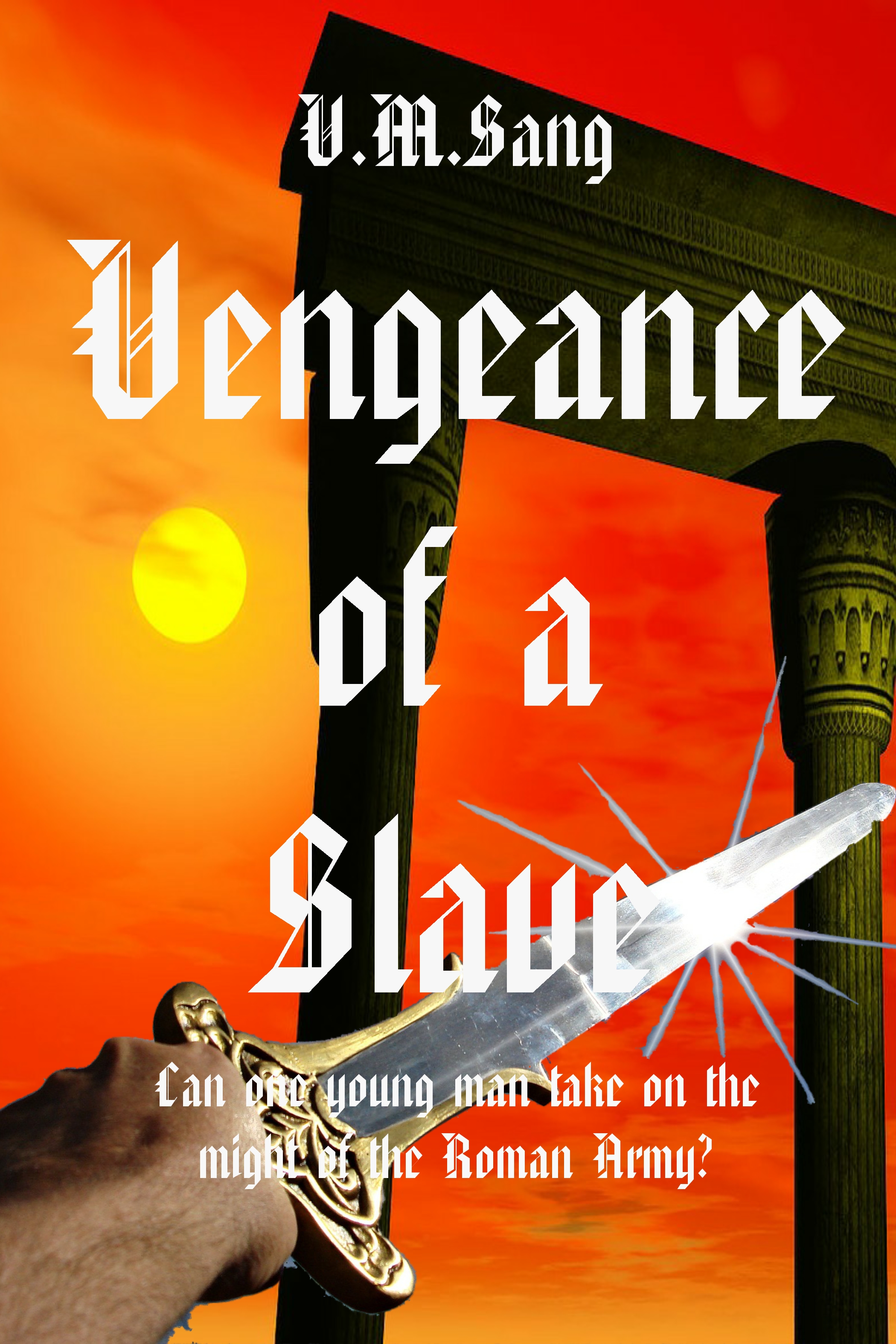
My historical novel, Vengeance of a Slave, has now been released on Smashwords and the other platforms it deals with, such as Kobo, Barnes and Noble etc.


Vengeancecover

You can access it via Amazon by following this link.

http://mybook.to/vengeanceofaslave

Here is a bit about it.

Adelbhert and Avelina, his sister, are forced to watch as the Roman soldiers crucify their father and other men from their village. They are only small children, but the Romans take them from their family and sell them as slaves.
They are bought by a rich merchant who takes them to the distant island of Brittania where they are treated as pets.
Adelbehrt has developed a hatred of the Romans because of his experiences and lives to gain his revenge, and to fulfill the promise he made to his little sister that they would escape one day.
Will Adelbehrt be able to escape? How can one man take on the might of the Roman Empire?
Can Adelbhert rid himself of the hatred that is eating away at his soul?

If you read it, would you mind giving a review. Reviews are very important to both authors and readers as it is the main way that people get to know about books, and lets readers know if they would like the book they are looking at. It does not need to be a long, comprehensive review. Just a few lines saying if you liked the book, and what you did or did not like about it.

Thank you for your time.

Please leave a comment in the comments box.


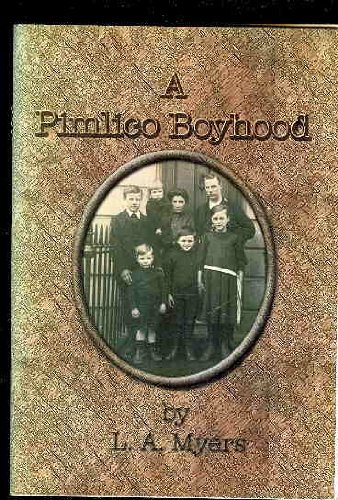
A review of A Pimlico Boyhood by L.A.Myers

I read this book this month, having received a copy for Christmas. I loved it. It was well-written, and gave a clear picture of what life was like in the 1940s in Pimlico. London.
At the beginning of the book, the author gives a little of the history of Pimlico and where it is, as so many will not know this. It is interesting to learn of the wages people were earning in those times, too.
He goes on to tell of the games they played as children in those days, and how girls’ games differed from boys’. How people got around was also of interest. Mr Myers describes the Hansom Cabs that people used before cars became something other than the preserve of the rich. The food they ate and the life of children in school. You name it, and it’s there.
There is so much of the rich life led by the working classes in those distant days that I cannot begin to describe it all. You should read this small book for yourselves.
The only thing I would criticise is the price, which seems rather high for such a small book.
I gave it a 5* review on Amazon.


Some photographs of the Lake District

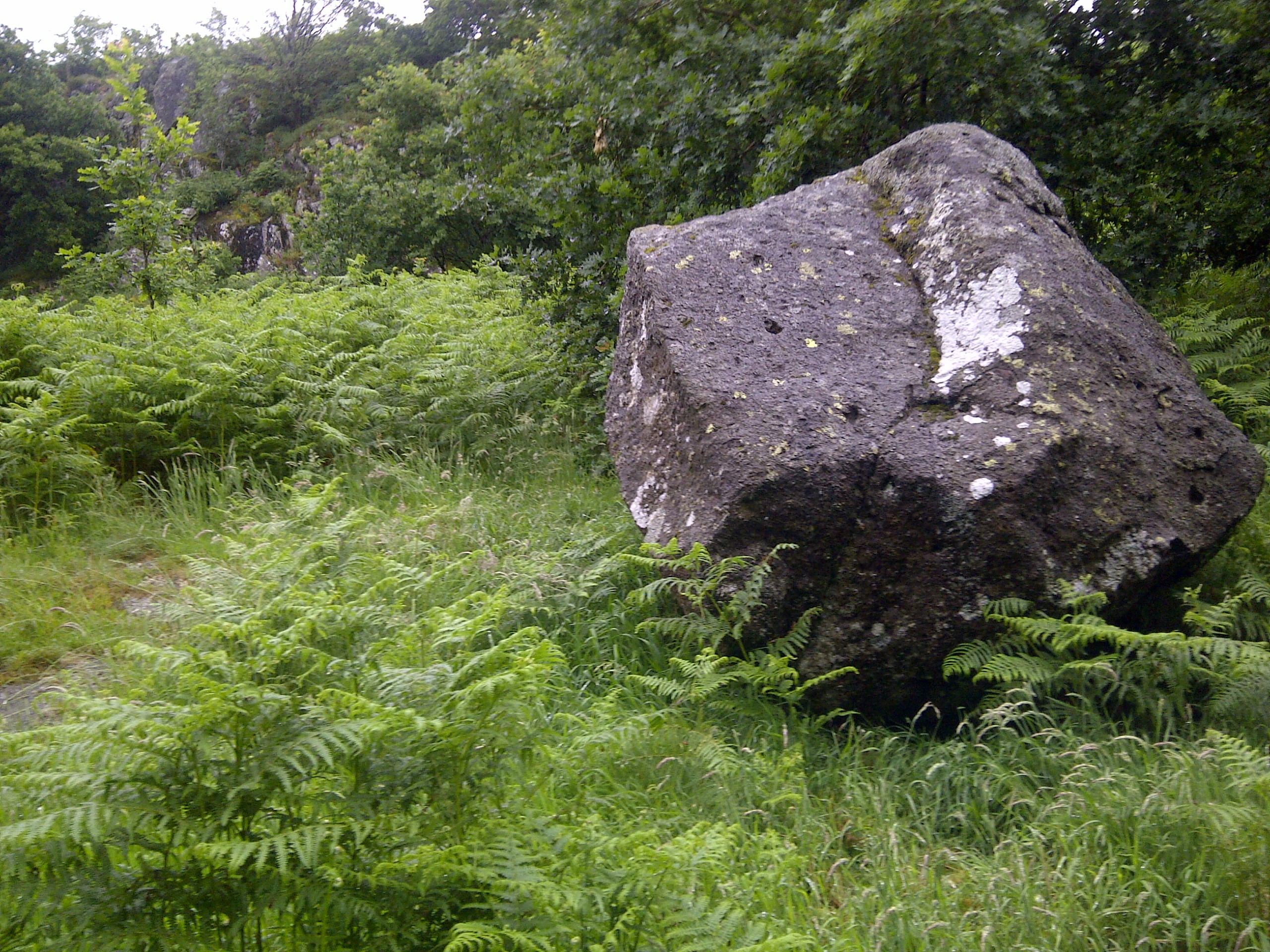
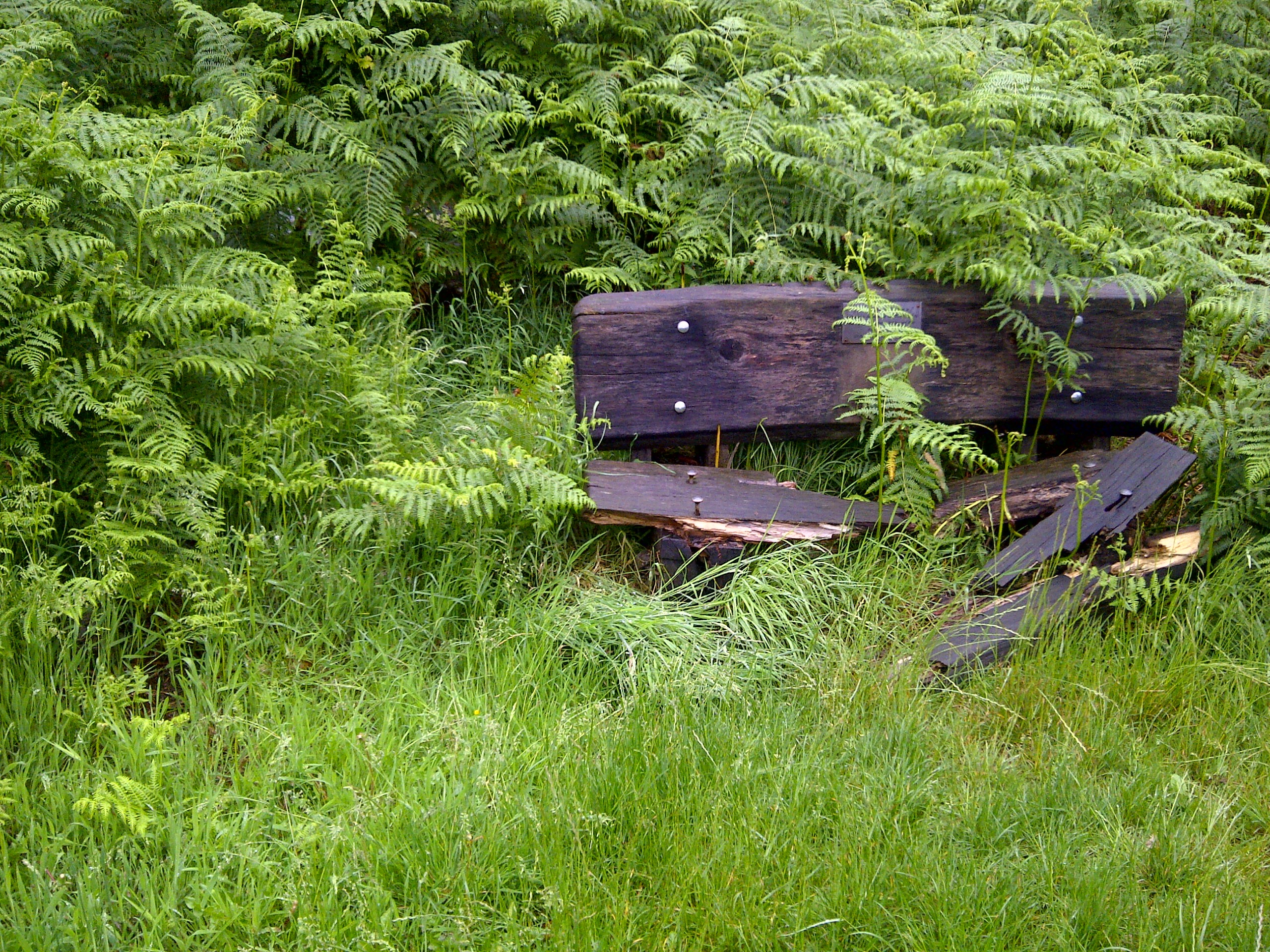
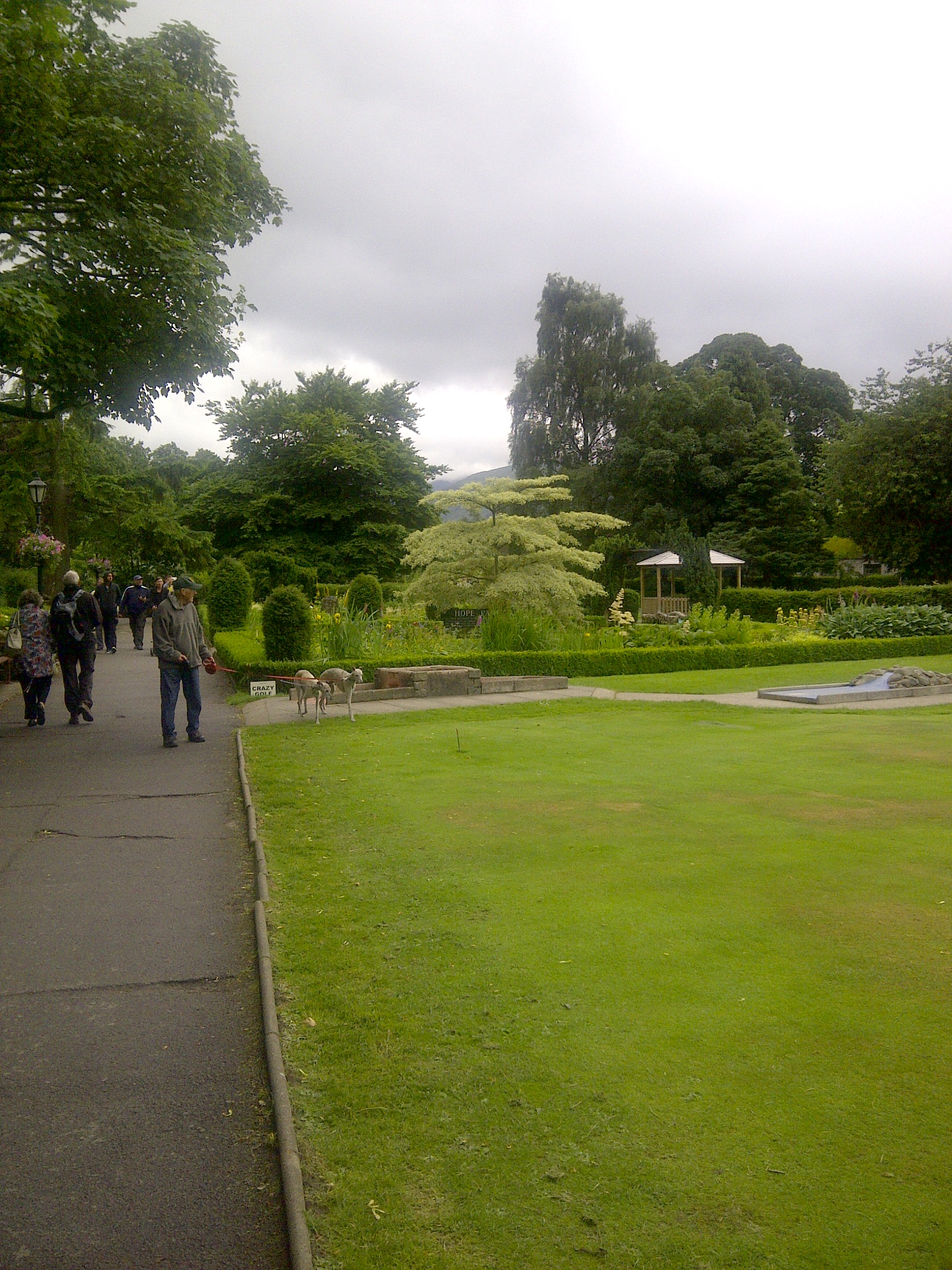
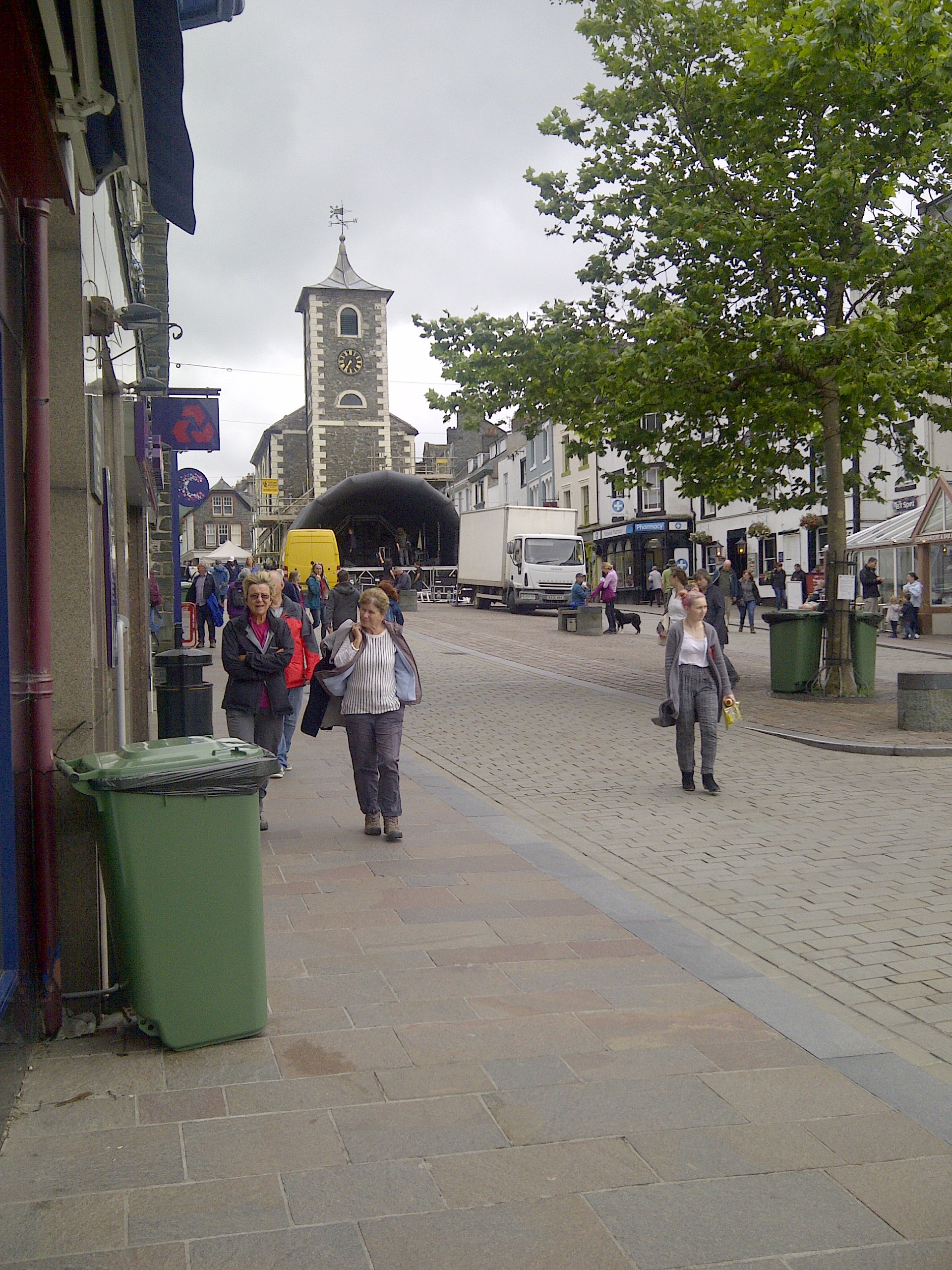
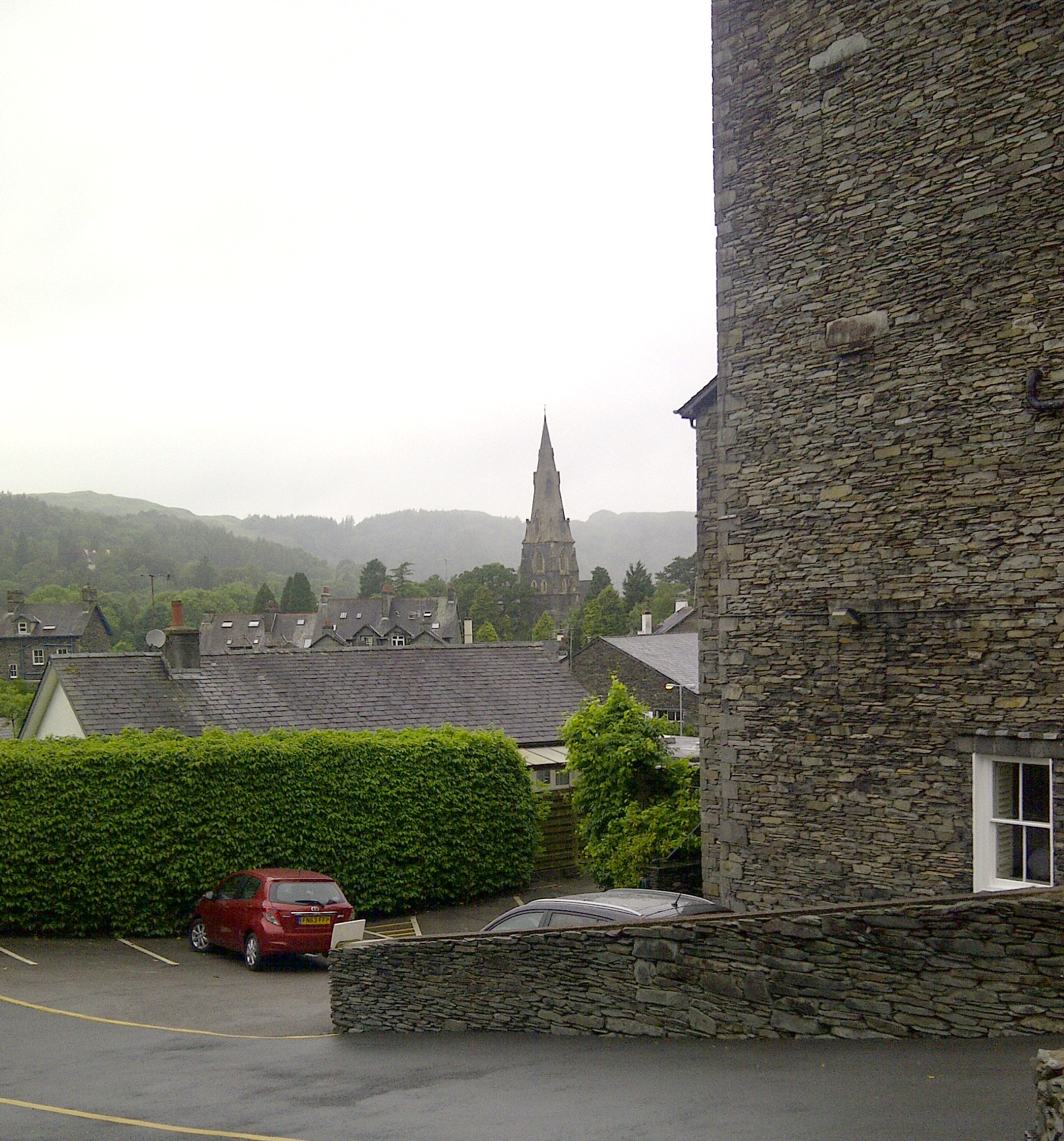
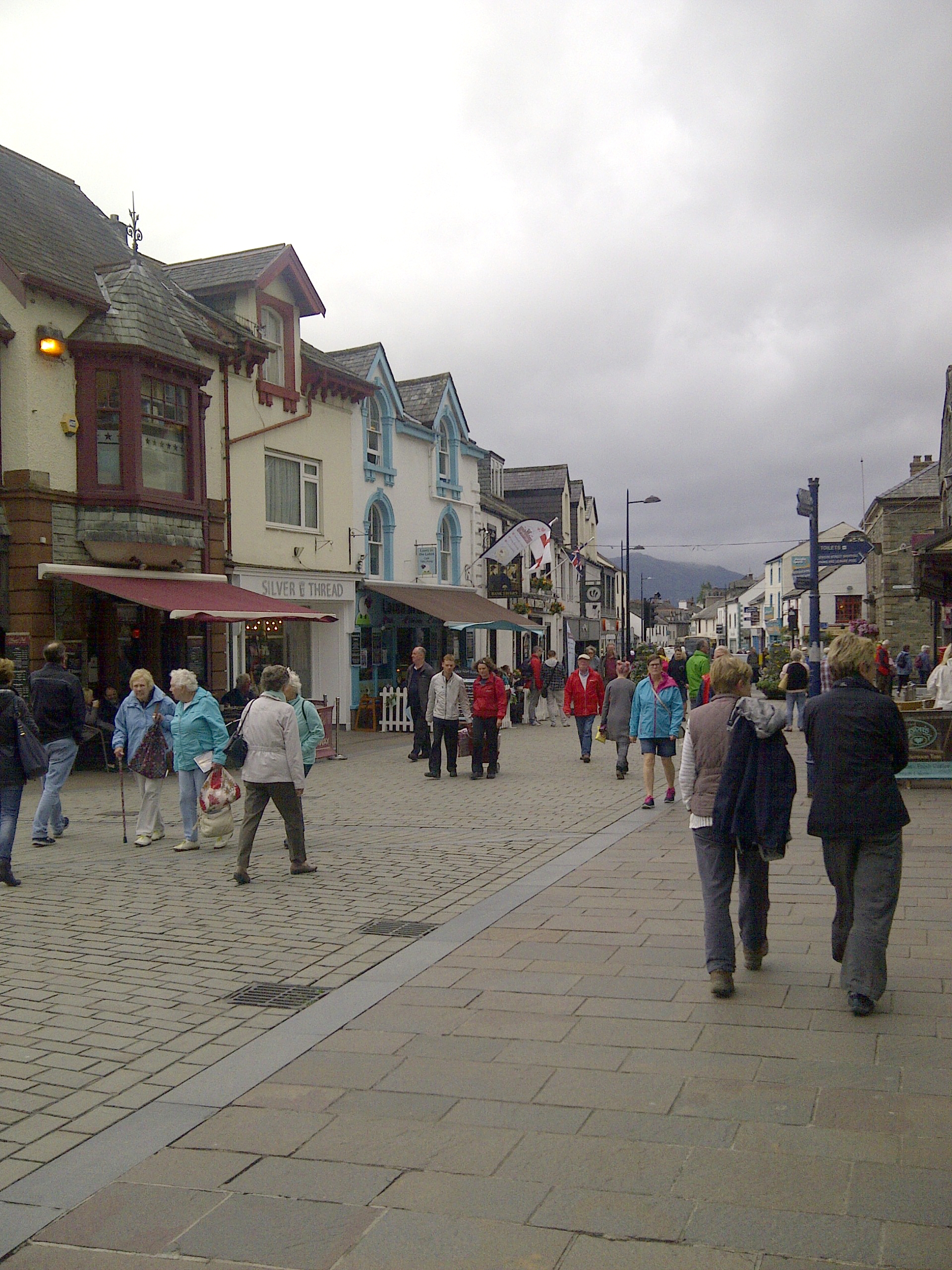
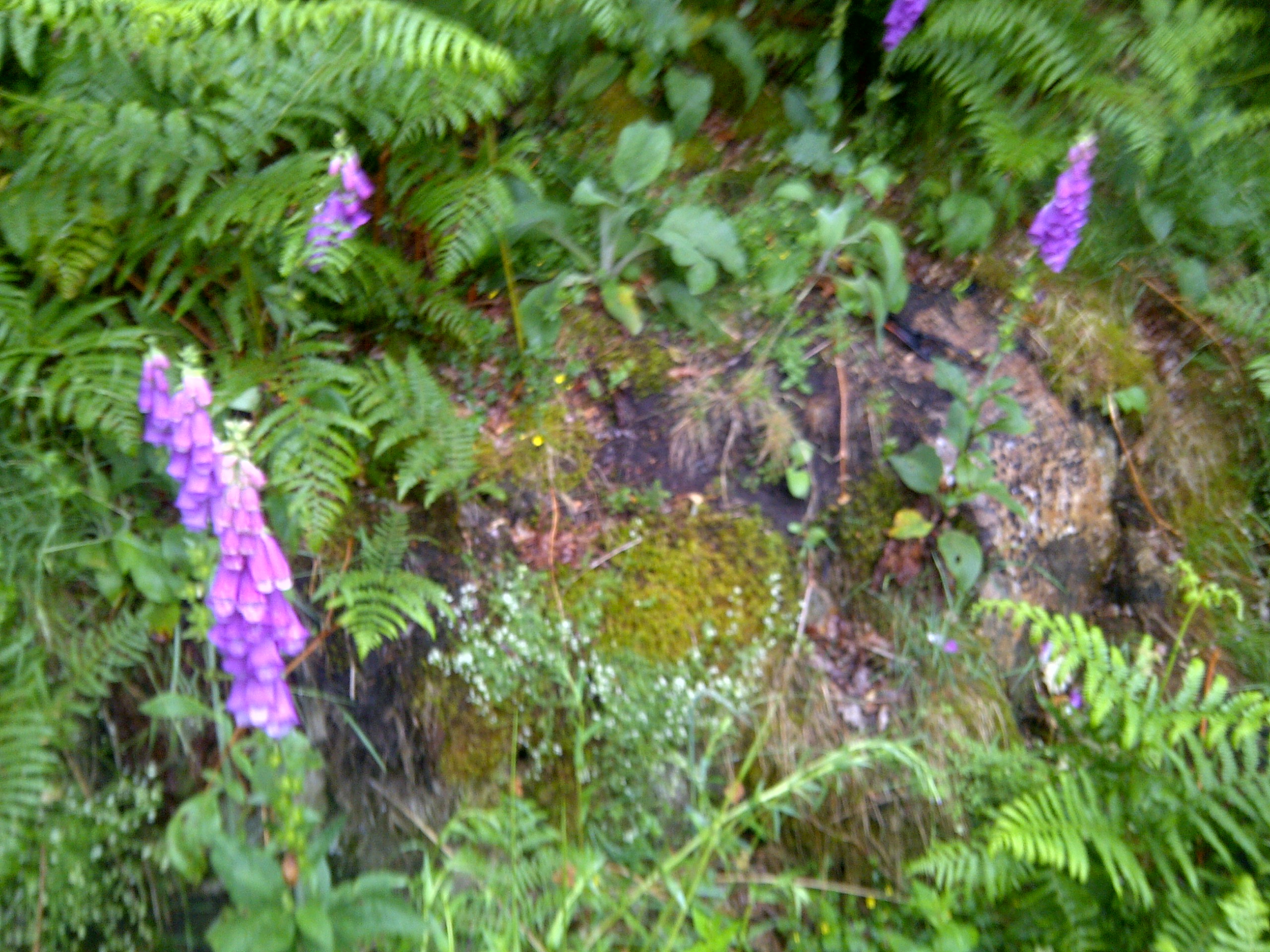
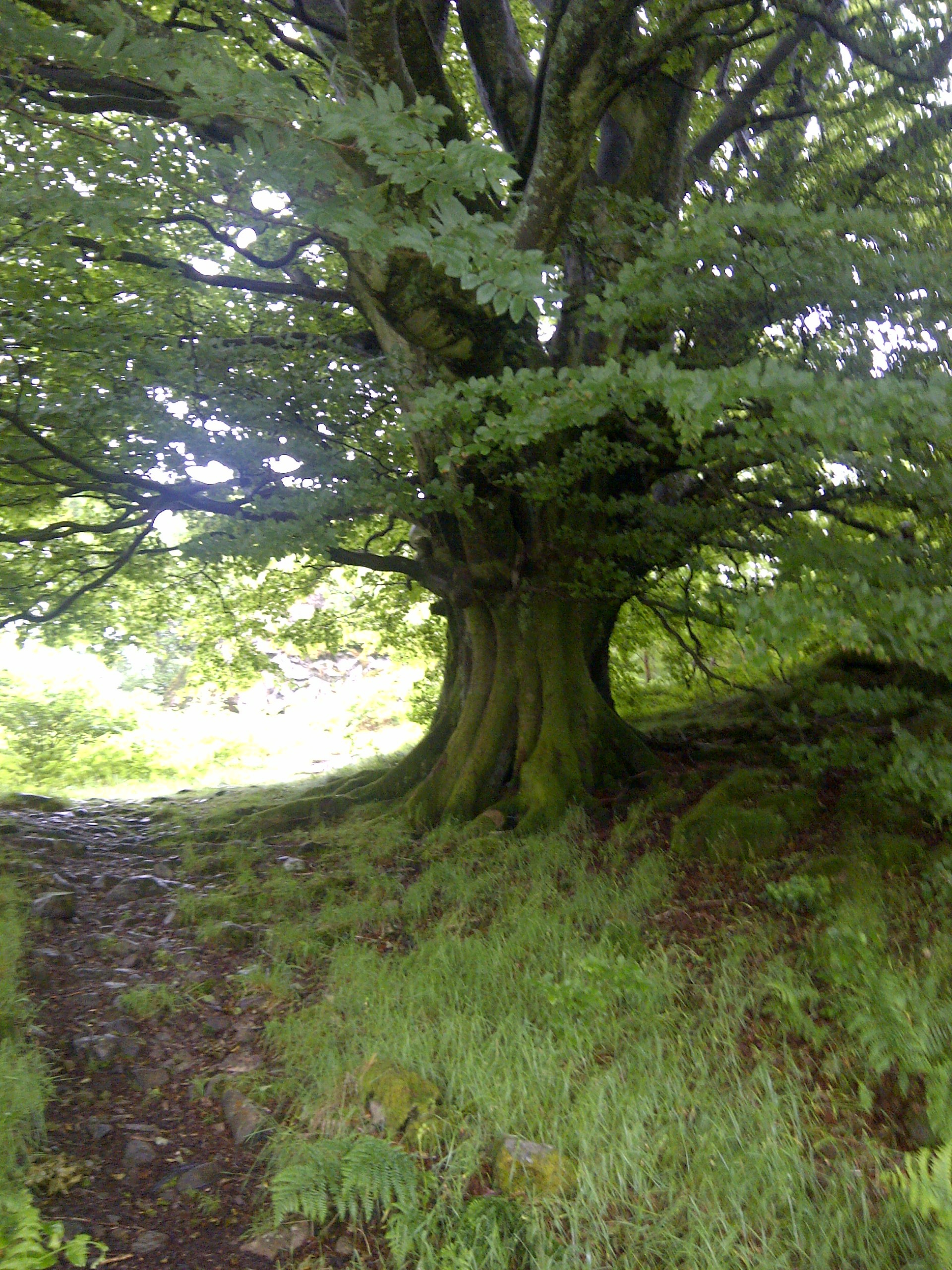
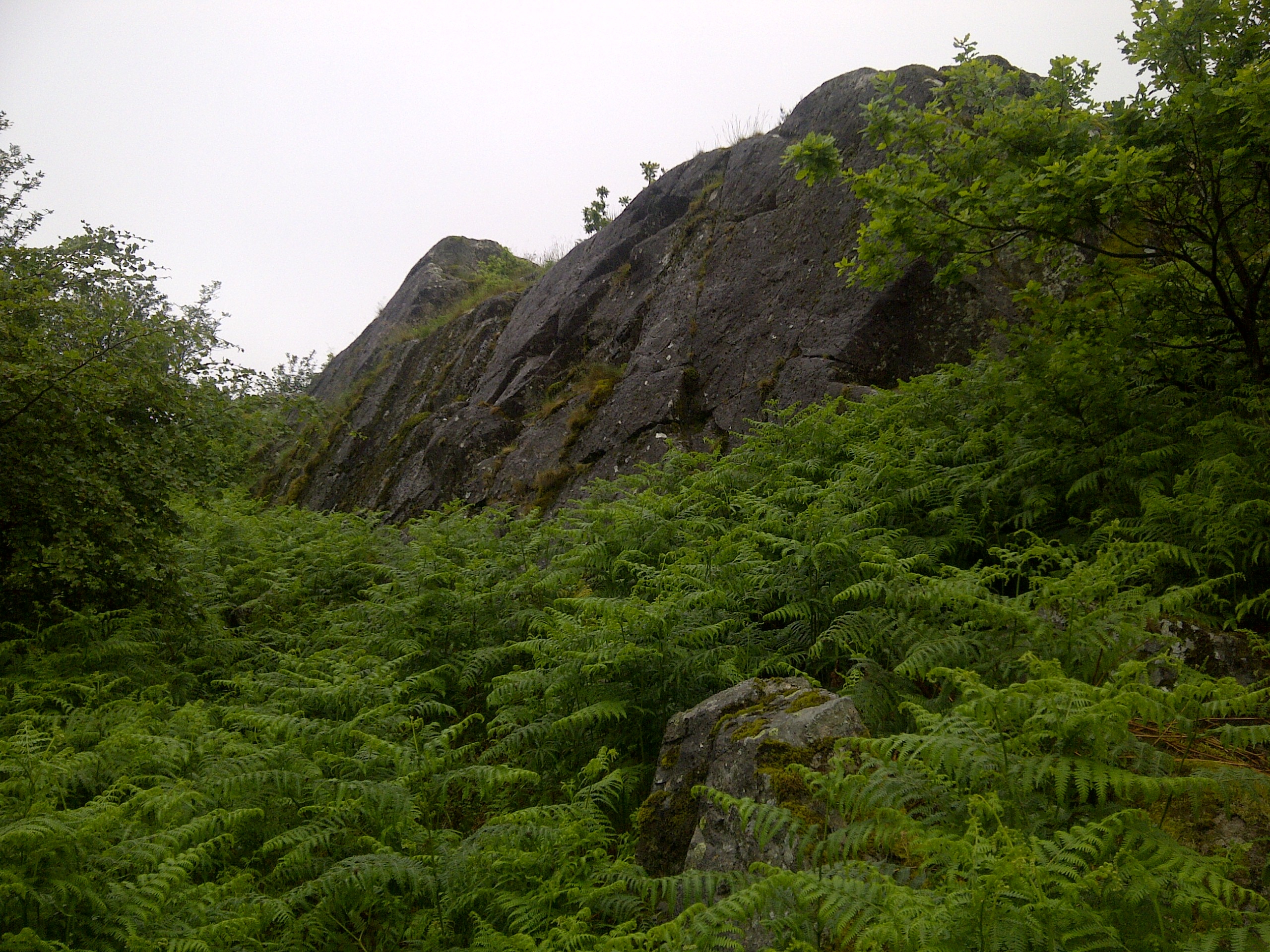
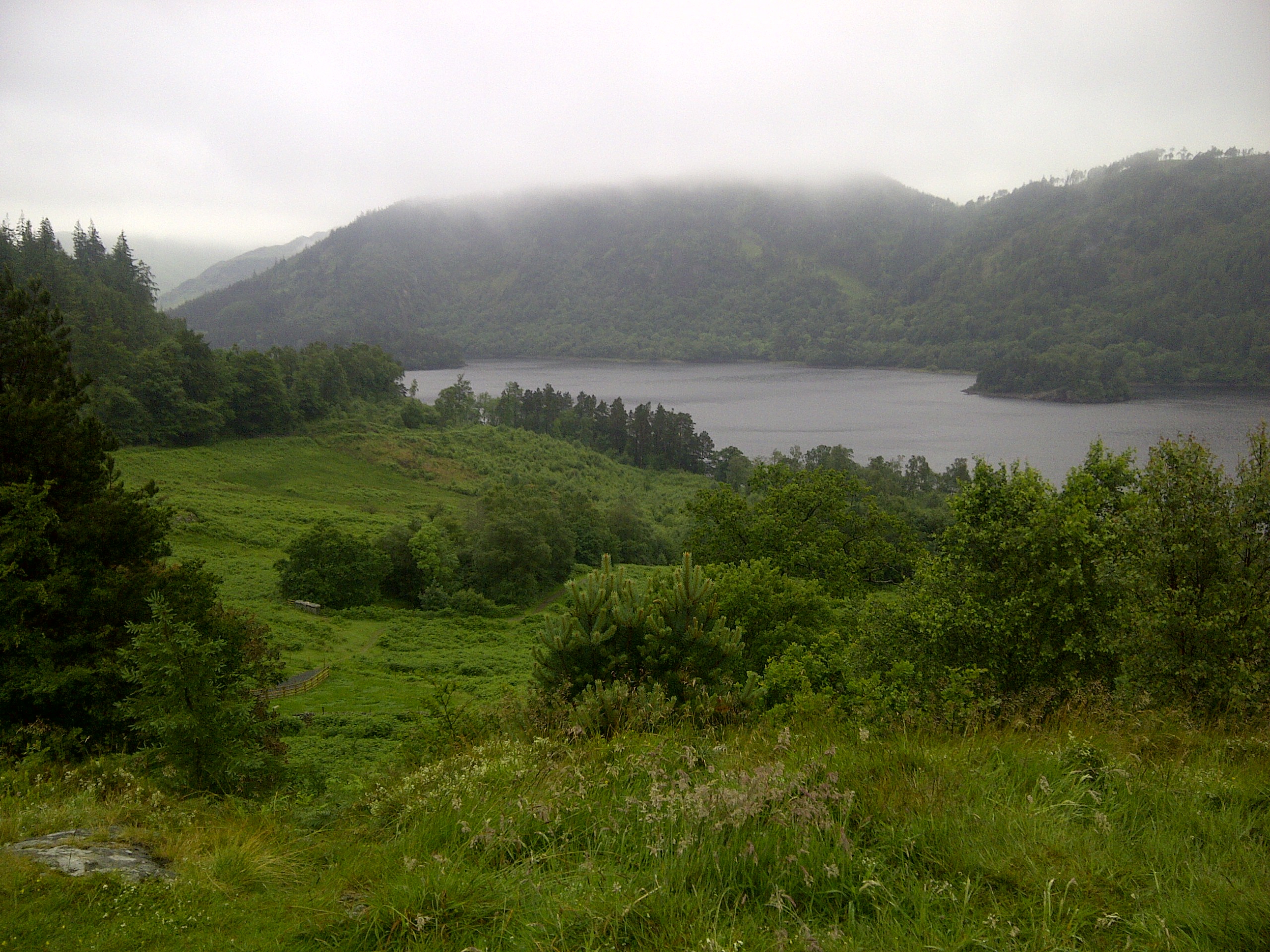
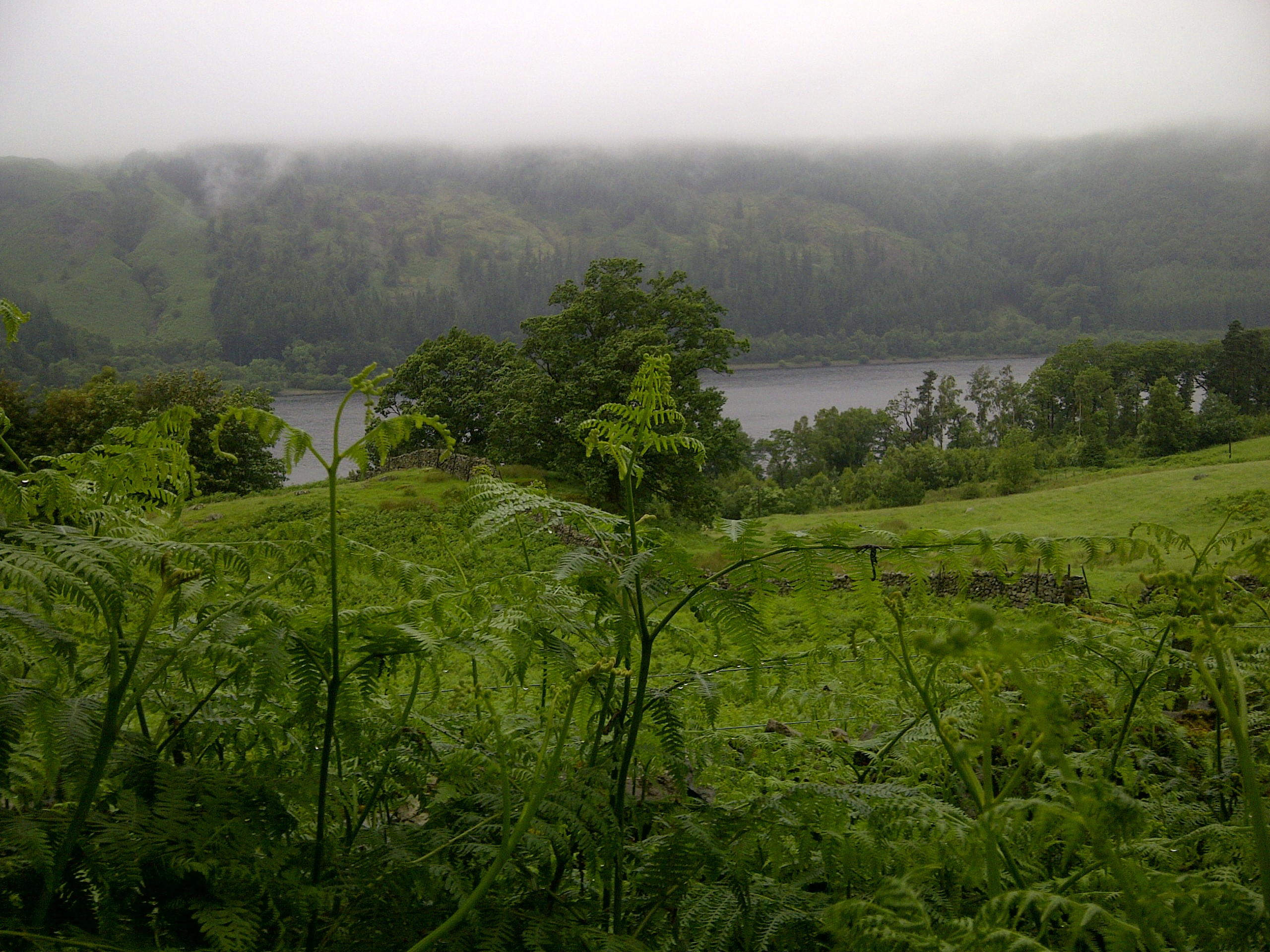
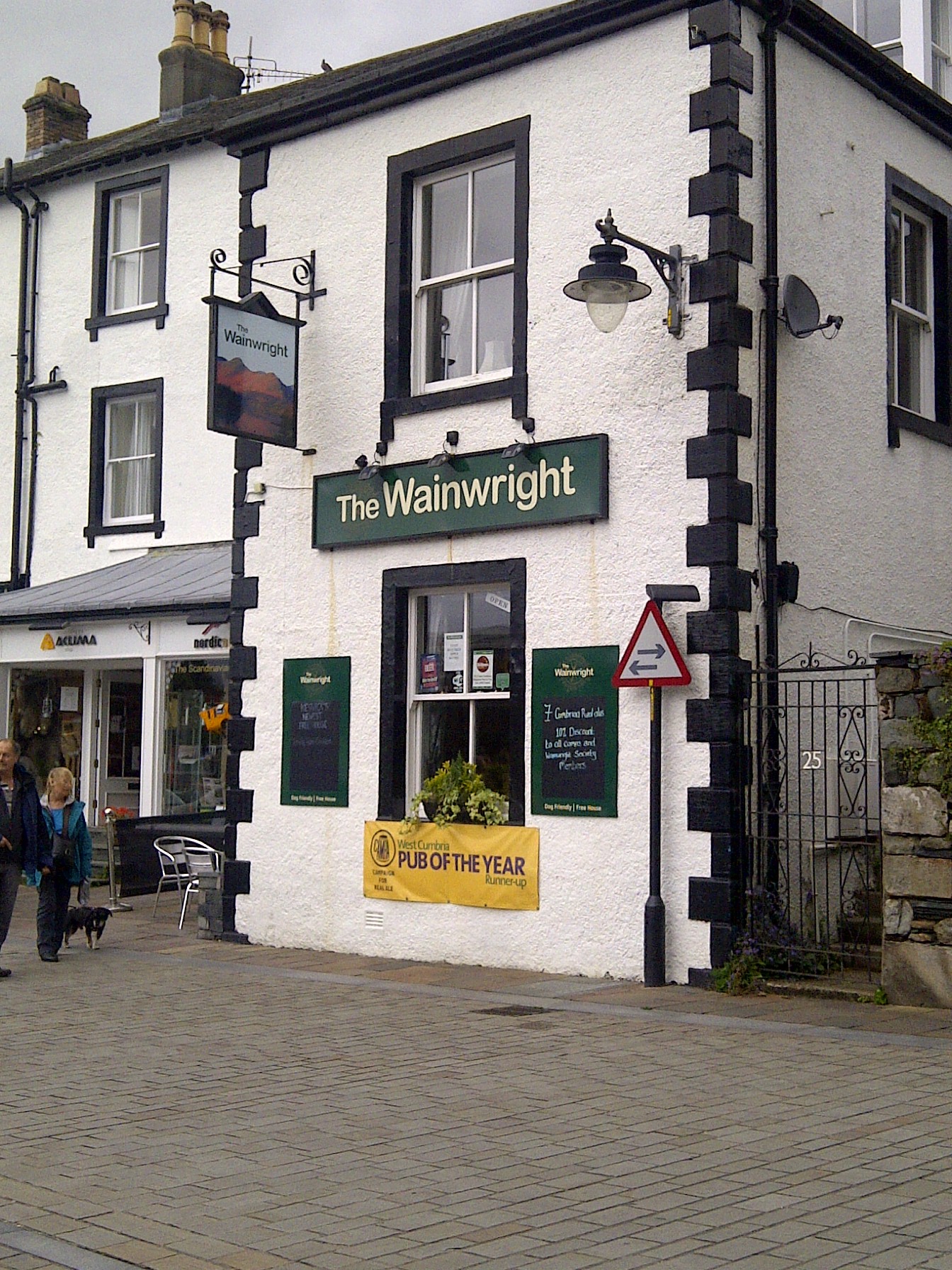
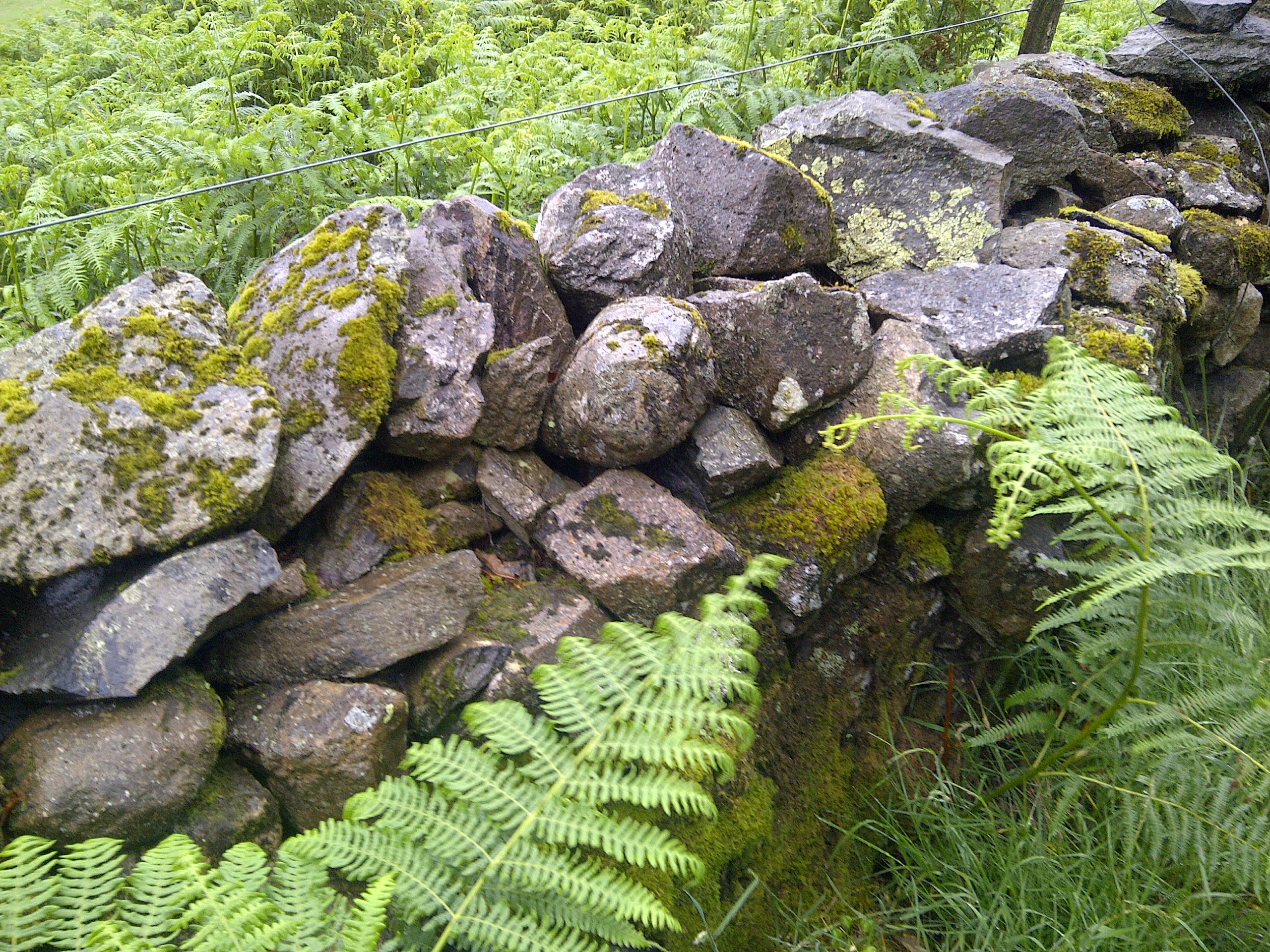
I’ve just had a holiday in the English Lake District. Here are some photographs I took there.

Please leave a comment in the comments section. I love hearing from you.

boulderthirlmere

brokenseatlakes

hopeparkkeswick

keswickstreet2

keswickchurch

keswickstreet1

foxglovesthirlmere

oaktreethirlmere

rocksthirlmere

thirlmere1

viewthirlmere

wainrightpubkeswick

walllakes

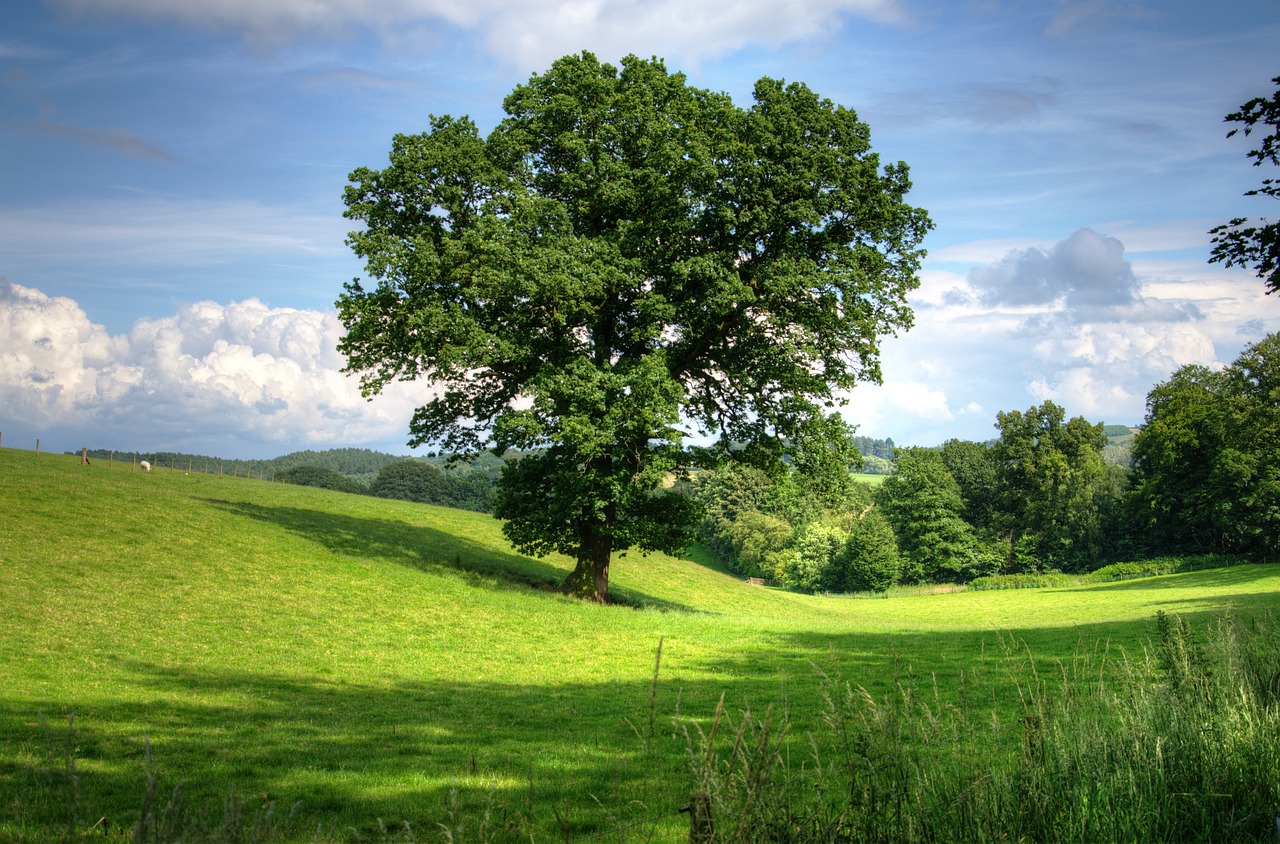
England–A Poem

tree-402953_1280

That misty isle across the sea
Will always be a home to me.
The cliffs of white that guard our shores,
The rolling Downs, the bleak, cold moors,
The skylark with his liquid song
Soaring high above the throng
Of hikers, picnickers and such,
Whose hearts he never fails to touch.

The little streams and brooks do run
Through woodlands, glistening in the sun.
The little fish are swimming here;
A kingfisher is always near.
A flash of blue above the stream,
A dive–then gone, that silver gleam
Of minnows. Gone to feed his brood
In holes, all waiting for their food.

In cities where the pigeons fly
The wind-blown litter flutters by.
The cars and buses, cycles too,
Line up at lights, forming a queue.
The city’s clamorous roar assaults
The ears, but never, ever halts.
The busy folk all rushing past
They never slow, time goes so fast.

The little market towns do snooze.
The slightest little thing is news.
In pretty villages with greens
Are cottages with oaken beams.
The church bells echo o’er the fields
Calling us with merry peals
As they have done for many a year
Bringing hope and lots of cheer.

This land does not a climate boast,
Just weather, blown from coast to coast.
All in one day this land can get
All four seasons, sun and wet.
Though no extremes do us attack
Do not go out without a mac
For rain can come at any time,
Though rarely with a gale force nine.

The English folk are stubborn, too
As we evinced in World War two.
We do not push, but stand in line
Waiting patiently ’til it’s time.
We do not wail and wave our arms,
For such behaviour has no charms.
But when we’re roused, then just watch out!
We’ll demonstrate, wave flags and shout.

And so my country is unique;
Its people are not really meek.
An upper lip that’s stiff conceals
A wicked humour that reveals
Our lack of deference for power,
Our love for bird and bee and flower.
Abroad may have its charms, it’s true
But England’s magic’s ever new.

V.M.Sang
April 2014


Help Requested

bookcover2


I’ve written a book under the pen name of Emily Littler.

It’s a historical novel set in the time of Roman Britain. I decided to put it up on Kindle Scout. Kindle Scout is exactly what it says. Kindle scouting for authors who they then publish (rather than the author self-publishing.) They act just like the mainstream publishers in that they give an advance, (although small!) and do all the formatting and marketing as well as producing an audio version and foreign language translations.

In order to select the books, they hold a ballot. The book (s) with the most recommends will be accepted. All you need to do is click on the link below and then click on the button to nominate or recommend my book.

You can read extracts from it before you click, so you’re not nominating something you’ve not seen.

Please find a few seconds to help me. The link is below.

https://kindlescout.amazon.com/p/UZ8KQW66M6H8/

Thanks
Viv Sang

English National Anthem


englishflag

I’ve posted on this before, but I want to be more specific this time.

The British Government has recently debated whether there should be a National Anthem for England, specifically to be sung at sporting events. Scotland has Flower of Scotland, Wales has Hen Wlad fy Nhadau and Northern Ireland uses Londonderry Air. England has used the UK National Anthem, God Save the Queen but does not have one of its own.

Many people have asked for England to have its own Anthem for events when England competes alone. There have been three main ones and one other that does not seem to have many in favour, although personally, I think it would be the best. These contenders are: Rule Britannia, Land of Hope and Glory and Jerusalem. The unfavoured one is I Vow to Thee My Country.

1. Rule Britannia is not good because it is not England. It’s Britain. The name itself implies Britain. Also, most people don’t know the words except for the two-line chorus. (Rule Britannia, Britannia rules the waves, Britons {Not English, note} never, never, never shall be slaves.) Not a good anthem for England as it refers to Britons, which includes Irish, Scots and Welsh.

2. Land of Hope and Glory is a little better. It is very patriotic and a brilliant tune, but also very much of the 19th century. Can we, in all honesty, in the 21st century sing ‘Wider still and wider shall thy bounds be set’? Imperalism gone mad!

3. The seemingly favoured one and one that has already been used at some sporting events. It was sung at the Commonwealth games, I believe, and I have heard it myself being sung at the current series of cricket matches against South Africa.

This is Jerusalem, of course. Brilliant tune, but what about the words?
Well, as I see it the title of the song is suspect. It’s Jerusalem, for goodness sake. Not London, Liverpool, Manchester, Birmingham, Leeds, etc All good English cities, but Jerusalem, a city in the Middle East. Yes, it is important worldwide as the birthplace and holy city of 3 great religions, but it’s NOT ENGLISH. It’s a national Anthem for England we’re talking about here.

Then there are its religious connotations. It is quite unashamedly Christian.
‘And did those feet in ancient times…’ Whose feet? Jesus’ feet.
‘And was t he Holy Lamb of God…’ Who is the lamb of God? Jesus.
‘And did the countenace divine…’ Whose countenance was divine? Jesus’ countenance.

There are many people in the UK who do not subscribe to Chrisitianity. There are, of course, Hindus, Muslims, Buddists, Sikhs, Jews and many others who won’t be represented by this song, but also the atheists and agnostics and other non-church-going people. We are constantly being told about how the ethnic groups (specifically Muslims) should be encouraged to integrate, and yet a national anthem that will not include them is being seriously discussed.

Finally, on Jerusalem, it is associated with the Womens’ Institute. They sing it at all their meetings.

No, Jerusalem ought to be scrapped as an idea for an English National Anthem, as should any other with overt Christian overtones.

I Vow to Thee My Country is a hymn, yes, but the first verse certainly has no religious implications, just talking about loyalty to one’s country, which is what a National Anthem ought to be about. not vague wishes that Jesus may or may not have come to England, and a wish to build Jerusalem, a city torn apart by religious strife, in our country.