Tag Archives: Historical Fiction

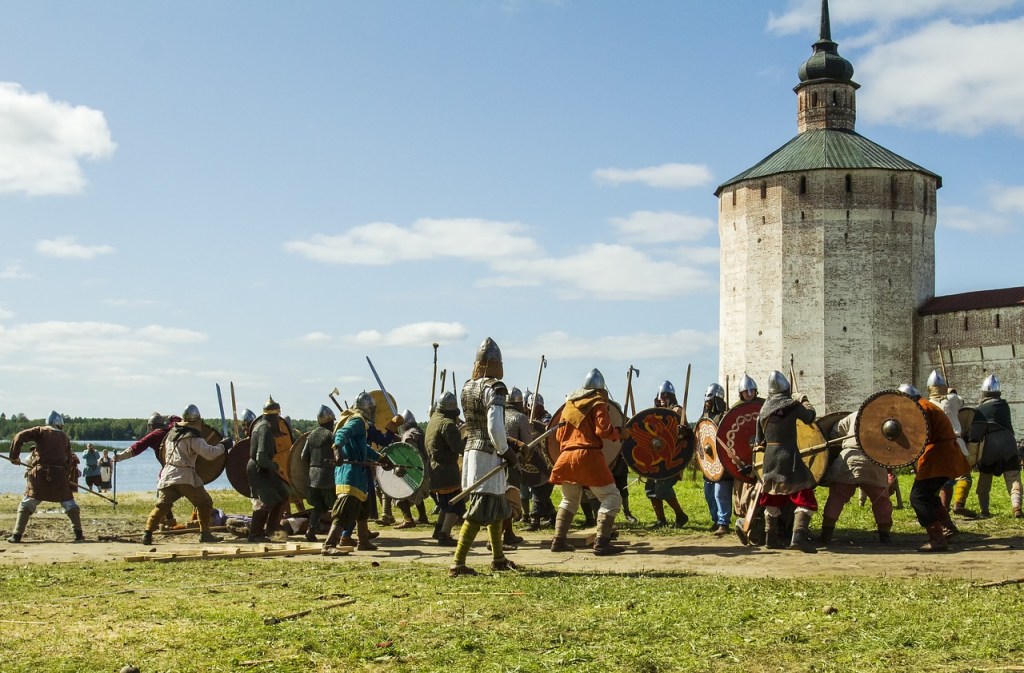
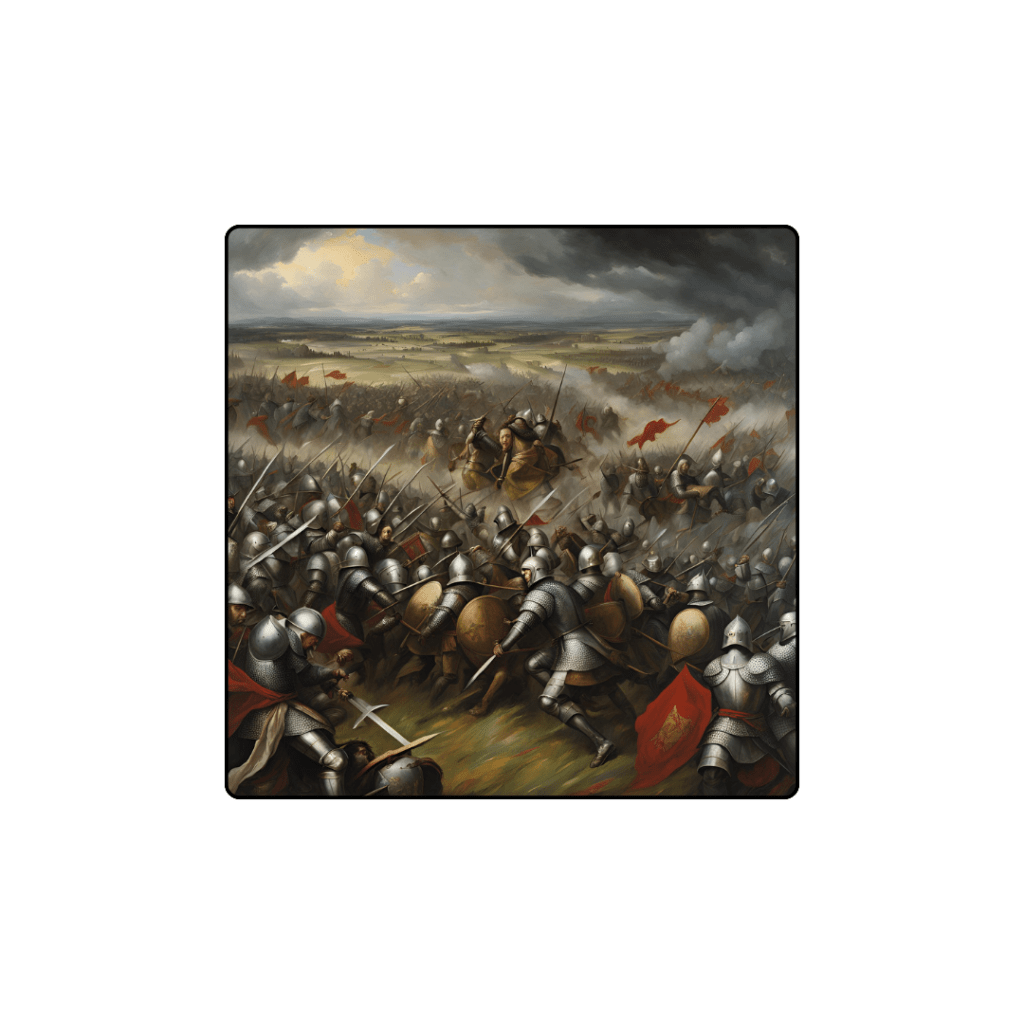
The Battle of Hastings: New Theories on the Site

King Harold engaged in two battles in Northumbria. He was defeated in the first, but triumphed in the second, which occurred five days later, resulting in the deaths of the opposing leaders, his brother Tostig and Harald Hardrada, the King of Norway.

Harold learned that Duke William of Normandy had embarked on an invasion of England to lay claim to the throne.

William’s landing occurred on September 28th near Pevensey, at a location now called Norman’s Bay. His initial plan was to invade in August, but due to unfavourable weather conditions, he postponed it until September.

On landing, William established his camp within the ancient Roman fortification at Pevensey, from where he marched towards Hastings, ten miles away. Once in Hastings, he built a wooden castle from pre-fabricated parts brought with him. (Was this the first flat-pack?) 🙂

Meanwhile, Harold became aware of William’s invasion fleet during his southward march. Although he had left part of his forces in the north, he gathered additional troops en route to London, where he paused to muster more soldiers. From London, he made his way towards the south coast.

Most believe that the encounter between Harold and William occurred not at Hastings, for which the battle is named, but at Senlac Hill, which is now the town of Battle. Nevertheless, I have come across recent claims suggesting an alternative location for the battlefield.

Archeological investigations at Battle Abbey, which is said to be built on the site of the battlefield, apparently show no indications of a battle taking place there. Medievalists.net cites a paper, “Heathfield Down: An Alternative Location for the Battlefield of Hastings, 1066,” by Rebecca Welshman and Simon Coleman. This paper suggests that the battle might have taken place at a place called Heathfield Down. (I also came across something that stated that this place is also known locally as Slaughter Common.)

Also, on Medievalists.net I read this:

“Welshman and Coleman also find importance in a passage from the Anglo-Saxon Chronicle (D text), which explains that “com him togenes æt þære haran apuldran, and Wyllelm him com ongean on unwær, ær þis folc gefylced wære.” (“[Harold] came against him [William] at the grey apple tree. And William came upon him by surprise before his people were marshalled”). They believe that the English forces would have gathered at this apple tree because it was a significant landmark. There was such a ‘hoar apple tree’ in Heathfield that served as a boundary marker.”

If you go on to read the article, you will find an interesting map to show how the coastline has changed since 1066, and a section on how the weather would have impacted the battle if it took place on Senlac Hill.

In my current WIP, Wrath of an Anglo Saxon, I haven’t bothered too much about the situation of the battle, but more about the battle itself and the aftermath. This battle had a huge impact on life in England and is considered the beginning of the feudal system, whereby there is a strict hierarchy with the king at the top. and the peasants, or villeins as they are sometimes called, at the bottom. (This is where we get our word ‘villain’ from, although now it had become perjorative in its use.)

Here is an extract from the work g. Please bear in mind that this is certainly not the finished version, but only the first draft.

Durstan has been knocked unconscious during the battle. When he regains consciousness, he makes his way to where the defeated Anglo Saxon troops have gathered. After being treated for a head wound, he sleeps.

Durston opened his eyes, only to close them again quickly. 

Who made the sun so bright?

Gradually, he tried a tiny sliver. Not too bad. He parted his eyelids a bit more until they were fully open.

He reached to his head and let his fingers probe his injury.

It hurt, but like a bruise. It didn’t feel as if anything inside was damaged. He struggled to his feet. A bit of dizziness, but the trees were standing still now. He glanced at the sky. Still quite early. 

He ambled towards where he met Earl Edwin yesterday. There was a lot of activity. A few more men had arrived, and as he watched, two more straggled in. Some of the men were seriously injured, and Earl Edwin ordered them to be carried to the healers. 

Durston approached the earl. “My Lord, I am much recovered. I would like to gather those of my followers who survive and join with any counter attack.”

Earl Edwin turned to him. “Ah! Theign Durston.” He turned to a tall dark-haired man standing next to him. “Theign Durston was injured in the battle. I sent him to the healers. A blow on the head, it seems.”

“Well met, Theign Durston. I am Earl Morcar.”

Two men rushed up to the two earls carrying a man between them. They set him on the ground and bowed to the earls.

One of them panted, hands on knees. “My Lords, we found the king’s body and brought it here.”

Earl Edwin glanced at the corpse on the ground before him. “This man is not dressed like the king. He is dressed as one of the ordinary fighters.”

“When we found him, sir, he was dressed as a king should be, with the crowned helmet.”

Earl Edwin glared at the two men. “Then where is it now? Have you stolen it? Is it hidden for you to collect later and sell to the Bastard?”

The second man looked stricken. “No, my Lord. We wouldn’t betray our country.” He turned to his companion. “Tell him, Cenric.”

“We was searching for any survivors, my Lord, when we saw the king. We knew him by his helmet, see. I’ve never seen the king, so that was how we knew it were him.” He coughed. “He were obviously dead, but we knew we should bring him back here.”

His friend nodded. “But there were a lot of the enemy looking for their survivors, so we thought,’What if they catch us wi’ the king?’ We spotted a body close by. Been shot with an arrow right through his eye, he had.” He shook his head. “Poor bastard. Must have been a painful way to go.”

Cenric continued. “We took his armour and clothes and swapped them with the king’s, so no one would know that the body we had was King Harold.”

Earl Edwin knelt next to the body. “He’s pretty cut up.” He peered into the face and looked up to Earl Morcar “It’s Harold, alright. I knew him quite well.” He turned to the two men. “Well done. You will be rewarded. Go and find some rest while we decide what to do with him.”

Durston staggered. His head still hurt and standing listening to the two men and the earls had made him dizzy.

Earl Edwin turned to him. “You need to go home, Durston. We’re planning a retaliation to take our country back, but I don’t think you are fit to join us.”

Durston’s heart sank. His stomach felt filled with lead. He wanted to fight; to help kill William the Bastard and to see young Edgar Aethling on the throne. His feet dragged as he made his way back to where the injured were being tended.

Plonking onto a log, he sank his head into his hands. 

Someone spoke. “Are you unwell, my Lord?”

He glanced through his fingers. It was Hrodgar, one of his loyal followers. He lowered his hands. “I’ve just been told I can’t help in resisting this takeover.”

“With all due respect, Lord Durston, I think the earls are correct. You were unconscious for a long time, I heard, and are still suffering the effects.”

Durston shook his head and immediately regretted it. Pain shot through his brain.  He sighed. “I suppose you are right. I would be a hindrance, not a help.”

Hrodgar went away and returned shortly with a flagon of ale. Durston drank gratefully and stood. The dizziness had gone. “How many of our men survived? Do you know?”

“Only about four or five, I think.”

Durston groaned. All those others dead. They had families, too. 

“Lord Durston.” A voice sounded through his thoughts. 

A young man approached. Durston has seen him with the earls.

“Earl Edwin wants to see you, my Lord.”

Durston followed the young man to where he had been talking to the earl.

“I have a job for you, Durston,” the earl said. “We must take the king’s body away from here. There’s no saying what those Norman’s would do with it if they found it.” He pulled at his beard. “Since you have been injured in the fighting, I would like you and a few of the less seriously injured, to take the king’s body to Waltham Abbey.  It was a place close to his heart. The king can be buried there with the correct ceremonies.”

Durston felt his heart sink once more. He was being sent away. Away from the defence of his homeland.

It will be a while before this book is published, but I’ll keep you informed as to its progress.

If you enjoyed this brief extract and would like to read more of my work, you can click on the book cover in the side bar to take you to the online retailer of your choice.

I wonder how correct the new ideas about the battle site are? What do you think?
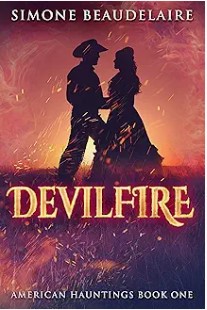
Review of Devilfire Book 1 of American Hauntings by Simone Baudelaire

Overview.

This exciting paranormal romance is set in Texas in 1886. Quite a page turner. There is some explicit sex, but not too much. 

I am pleased to see that it is book 1. That means I can spend more time with these characters, and see how they continue their development, and if Gavin can come to terms with his own unacknowledged talent.

Although I don’t usually enjoy graphic sex scenes, there wasn’t too much in this book and it didn’t bother me. What I can’t stand is what seems to be a story simply to carry the sex scenes.

And I love the cover.

It is an excellent read.

Blurb

Texas, 1885

In the aftermath of a deadly fire, Dr. Gavin Morris, on hand to render aid to the few survivors, runs into someone he does not expect. Medium Annabelle Smith has arrived to help the dead cross over. Despite the grim work, the two find themselves immediately drawn to one another.

But this one chance encounter does not end their unexpected connection. Time and again, fate draws them to scenes of destruction, until they can no longer pretend that the fires are natural…and cannot deny that their connection also transcends the ordinary.

But Annabelle is not all she appears. One of her many secrets may be what saves them… or what ultimately leads to their deaths. Are Gavin and Annabelle doomed to burn with more than passion?

This western historical/paranormal contains strong religious themes and graphic sex scenes.

Story.

A mysterious fire breaks out in the southern states of the US destroying a complete village and killing most of the inhabitants.

Doctor Gavin Morris is trying his best to help the dying and injured when he meets Annabelle Smith. She appears to be speaking to the ghosts of the dead.

Gavin does not believe her, but she explains how she has been called here to help the dead on their way. She is emaciated and obviously poor, so Gavin feels sorry for her and wishes to help.

Not to give too much away, there are more inexplicable fires, and the pair decide to investigate. During their investigations they grow closer. 

They find themselves in a terrifying situation, being stalked by an entity far more frightening and dangerous than the ghosts.

Characters 

I liked the main characters. They had their struggles with both the paranormal and the romantic feelings developing between them. 

They developed nicely throughout the novel, with Gavin reluctantly accepting Annabelle’s work, and the fact of the ghosts.

Secondary characters were also well developed, including the ghosts, some of which had to be told they had died. They also kept their worldly characters, especially one rather unpleasant woman.

Writing

I thought that Ms Beaudelaire gave us a clear feeling of both time and place. I had a clear picture in my head of every setting, and believed in the characters.

No grammatical mistakes, nor typos.

I give this book 5*

  My ranking of books. In order to get a particular number of stars, it is not necessary to meet all the criteria. This is a guide only.

5* Exceptional. Wonderful story. Setting well drawn, and characters believable–not perfect, but with flaws. Will keep you up all night. No typos or grammatical errors.

4* A thoroughly enjoyable read. Great and original story. Believable setting and characters. Very few grammatical errors or typos.

3* I enjoyed it. Good story. Characters need some development. Some typos or grammatical errors.

2* Not for me. Story not very strong. Unbelievable and flat characters. Setting not clearly defined. Many typos or grammatical errors.

1* I hated it. Story almost non-existent. Setting poor. Possibly couldn’t finish it.

Have you read any of Simone Baudelaire’s books? This is the first one I’ve read of hers, but will certainly be looking out for more.

An excerpt from my WIP

I ‘ve started writing book 3 in my series, A Family Through the Ages. Book 1 was set in Roman Britain, Book 2 in Viking Britain, and now Book 3 begins with the Battle of Hastings in 1066, probably the most remembered date in British history. Not for nothing, as it changed this country vastly.

Anyway, to whet your appetites, here’s the first chapter. It contains some violence, as it deals with the Battle itself.

Please remember that this is a very early draft, so there might be mistakes.

Anger of an Anglo Saxon

CHAPTER 1

Durston stood with his shield locked with the ones on either side. A helmet covered his ash blond hair, and a breastplate made of hardened leather covered his torso. 

He turned to the man on his left. “We’re in a better position. We should win this fight easily.”

Looking down the slope, he could see the Norman army gathering. There were many archers behind their infantry. He swallowed hard. The Anglo Saxon army did not have nearly as many. His legs felt weak and his hands shook. What if he were killed here? His son, just fourteen, would be the new theign. The lad did not have the experience to deal with the work.

Pull yourself together. Leola will help him. She’s competent. He smiled as he thought of his wife.  

Taking a deep breath, he focused on the enemy.

 His neighbour turned to him and grinned. “They won’t be able to use yonder horses against us. Shouldn’t be hard, this one. We’ve got the high ground. If we can kill that William the Bastard, they’ll run back to Normandy like rabbits before a fox. Should have this done by noon.”

The Anglo Saxon army had hurried south from defeating an attempted invasion by the Norse king and King Harold’s brother, Tostig, at Stamford Bridge. They were celebrating when the news of the invasion from Normandy came.

King Harold immediately demanded a forced march to the south coast to repel this new threat to his kingdom. On the way, they gathered more men, all willing to fight to protect their country from foreigners.

As Durston watched, a single person came out from the enemy lines. 

The man sang as he brandished a sword. Durston could not understand the words, as they were French, but he understood the tone. The man sang insults and threats, underpinned by his sword waving.

As soon as his song ended, he ran towards their line. Durston’s eyes opened wide and he shook his head. The shield wall opened, a little to his left, and the singer was quickly cut down.

Then the battle began.

The twang of bowstrings filled the air, followed by the wizz of arrows. The men in the shield wall raised their shields as arrows fell like raindrops. The Anglo Saxon archers replied with volleys of their own, although they were fewer in number than the Norman archers.

Men shouted war cries, those who were hit screamed, arrows clanked on raised shields. 

The two shield walls collided with a bang.

Men on both sides pushed as hard as they could, at the same time trying to spear those opposite. 

The air was filled with the scentl of blood. Durston gasped as an enemy spear found a way through a small gap and cut his left arm.

He thrust back and was gratified to hear a scream of pain. “That’ll teach you to try to invade my country.”

The October sun rose in the sky as the fighting continued. Durston swallowed. It was thirsty work, this fighting. He glanced at the sky. Nearly noon. As he continued to thrust against the enemy shield wall he felt a tap on his shoulder. He dare not look round. 

A voice. “Go get something to drink.”

He slipped his shield from its lock with those on either side and the man relieving him quickly took his place. 

Durston staggered to the rear of the shield wall. He spotted a fallen tree trunk and sank onto it, leaned forward and put his head in his hands. He shivered uncontrollably. The hours in the shield wall took their toll.

“Here’s some ale.”

He glanced up to see a young man about thirteen years old, holding a flagon. 

Reaching out, he swallowed it in one gulp. “Thank you.” 

Someone handed him a chunk of bread and a slice of meat. He stuffed it into his mouth and stood. His legs gave way and he found himself sitting on the floor. Leaning against the log he had been sitting on, Durston closed his eyes. The fear came creeping back. He looked at the cut on his arm. 

I hope that doesn’t turn bad. 

He felt his eyes closing. In spite of the noise from the battle, he was drifting to sleep. Shaking his head, and ignoring his shaking legs, he pulled himself to his feet and staggered back to the shield wall. He relieved another man and locked his shield in place with the ones on either side.

Once back in the battle, the fear slipped away. Anger swept over him in its place. How dare these foreigners come to take over his country? His legs stopped trembling and his eyes opened wide. Showing his teeth, he grimaced.

The man in the enemy shield wall was also showing his teeth. He shouted a cry, but Durston did not know what it meant.

 “For King Harold,” he shouted in reply.

Someone to his left cried out, “They’re running!”

Durston glanced and saw that the Norman shield wall had broken, and men were running down the hill. Someone shouted to keep the formation, but many of the Saxon defenders took off after the fleeing Normans.

Then Durston could see no more as he concentrated on his own battle.

The afternoon slowly passed. Men were relieved on the battlefield on both sides, but after they had shot most of their arrows, the Normans concentrated on the shield wall. They found it impossible to collect their spent arrows from beneath the feet of the two opposing armies.

Again, the Normans retreated. This time Dutston was aware that after running, and being chased, they turned on the Anglo Saxons chasing them and a hand-to-hand battle began. The Normans in front of Durston did the same. As they ran, Durston was unable to prevent his men from chasing.

“The cowards are running,” someone shouted.

“No, it’s a trick.” Durston tried to call his men back.

As he expected, the Normans turned on the chasing men. With the shield wall dismantled, the Norman cavalry charged. Durston threw his spear at one man bearing down on him. The spear hit his horse in the leg. The animal screamed and went down, throwing its rider.

Durston drew his seax. As the man regained his feet, Durston slashed at his face. Blood flowed as a long cut appeared from his ear to his chin. He screamed.

The downed rider staggered, giving Durston the chance to get in another slash. This one, however, only hit the man’s hauberk, but it did damage the chain mail that made it. 

The man let out a grunt as the air was forced out of his lungs. He raised his sword, and Durston only just managed to dodge the downward slash as it narrowly missed cleaving his skull.     

Another slash from Dursto’s seax caught the attacker’s leg. He went down, blood pouring from the wound. He screamed something Durston did not understand, but thought it was probably a curse. Before the man finished his curse, however, Durston’s seax slashed across his throat. His curse was never finished.

Durston took a breath. For the moment no enemy approached. He glanced to his right. There, a young man, one of his followers, was beset by two Normans. 

He raised his seax, and shouted, “For King Harold.” He rushed at one of the men. This distracted him and he turned, allowing Durston to slash at his stomach. It opened, and the enemy soldier clutched his belly and fell, his guts spilling out and tangling around his feet.

Durston saw the young man dispatch his adversary before turning to look for another man to fight. He saw a man with a mace approaching. He raised his seax, but the enemy lifted his shield and blocked the cut. 

The two skirted around each other, getting in the occasional hit on a shield, but neither getting the better of the fight. Durston’s legs began to shake, and it was more difficult to raise his shield or slash with his seax.

He looked at his opponent who was breathing heavily. 

He’s exhausted, too.

At that moment, the Norman raised his mace and brought it down on Durston’s head.

***

Durston opened his eyes. 

It was dark. His head hurt. He raised his hand to his head and felt something sticky.

Blood.

His helmet had gone. When did that happen? He placed his hands on the floor and raised himself to his elbows. 

His head pounded.

Rolling onto his front, he struggled to his hands and knees. He closed his eyes briefly. It made no difference to the dark.

He raised himself to his knees and looked around. He could see very little. The darkness was like a blanket wrapping around him, determined he would not see anything.

Durston sat back on his heels, listening. Rustling sounded to his right. Something brushed against him. He swung his hand and made contact with a furry body. It squeaked as he bashed it away.

Rat. Nasty things.

Millions upon millions of stars covered the sky. Durston tried to decide the time by their positions. The sun had been still up when he was fighting. Someone must have hit him on the head. How long had he been unconscious? He estimated it was not yet midnight.

He managed to struggle to his feet. Dizziness threatened to overwhelm him, but he fought against it.

It was then he heard the singing. Must be our men singing their victory songs.

Staggering, he headed in the direction of the sounds. He passed hundreds of bodies, both Norman and Anglo Saxon. Horses, too. He felt sorry for the animals. They had not asked to come to fight. They knew nothing of the politics that caused this battle. 

A shadow stood over a body. As Durston approached, it raised its head from its grizzly meal. Teeth bared, the wolf snarled. Blood dripped from its muzzle.

Durston backed away. “I’m not going to take your meal, revolting as I think it is.”

The wolf returned to eating the body of one of the fallen, whether Norman or Anglo Saxon, Durston could not tell. 

Wolves, rats and foxes tonight. It’ll be crows, ravens and kites in the morning.

As he neared the camp where he heard the singers, Durston stopped. He crouched. He listened carefully. He recognised neither the songs, nor the words. Someone spoke. 

Not Anglo Saxon.

The bastard Guillaume won the battle. How? We had the better position. And they ran away.

It came to him slowly. With his head pounding and his dizziness, his thoughts were sluggish, as though they had to wade through mud to get into his consciousness.

It was a trick. They feigned flight, then turned on us. They couldn’t beat us in the shield wall, so they broke it up by pretending to run. 

Durston tried to raise himself from his crouch. He staggered and fell to all fours.

Blast. Did they hear that?

Someone shouted and Durston scrambled away, still on hands and knees. Then the shout stopped. Normal conversation resumed.

Must have decided I was a wolf.

When he was close to some trees, Durston stood. He leaned against a tree to get his bearings. Where was their camp? Had anyone returned to it? Would the Normans have found it and ransacked it?

He lurched in the direction of where the Anglo Saxon camp had been. When he arrived no one was there. Not even a horse. He felt the tears welling in his eyes. Dizziness threatened to overcome him.

No one? Was no one left alive?

A sound came from behind him. He swung round making the world spin. He drew his seax.

“Careful. You are in no condition to wield that safely.” The voice came from a stand of trees. A man stepped out. He smiled at Durston. “It’s good to see you, Lord Durston. I was afraid you had been killed.”

Durston frowned, staring at the man. “Do I know you?”

“No. Probably not, My Lord. I wasn’t one of your followers. I hold a farm not far from Alricking. When news came that Duke William had invaded, and King Harold’s army passed, I decided to join. To defend my country.”

Durston sank to the ground. “We lost.”

The man shook his head. “Yes, My Lord. We lost the battle.” He approached Durston and held out a hand. “The survivors are assembling a little distance away. Let me help you.”

“I suppose King Harold is organising an attack on the Normans’ army.”

The young man’s face fell. “King Harold is dead, My Lord. He fell in the battle.”

Durston groaned. “Who is in charge, now?”

“Lords Edwin and Morcar.” 

Durston allowed the young man to help him to his feet and, with Durston leaning heavily on his arm, they proceeded through the trees.

I wish this headache would go. I can’t think clearly.

After what seemed to Dunston to be hours, they broke into a clearing.  He glanced around and noticed many men. Some lay on the ground, moaning, some sat on the ground or leaned against tree trunks and others moved around the wounded, administering bandages.

“You found another survivor. Good. Now return and wait to see if any more turn up. When day breaks, come back here.” The man turned to Durston. “I’m Earl Morcar. You are?”

“Theign Durston, My Lord. Of Alricking.” He swayed on his feet.

“You are injured.” Earl Morcar called to a young man who was passing. “Help Theign Durston to the healers.”

The young man took hold of Durston’s arm. He guided him toward where healers worked on those injured. The scent of blood permeated the air along with the groans of men. 

A woman covered in blood hurried over to them. “Another injured man?”

Durston glanced around. Cuts, stabs, bruises covered most of the men. One was missing an arm, and he saw two men with missing eyes.

The healer took his arm from the young man who escorted him. “I see you’ve a head injury. We’ll get it cleaned up in no time.” She paused as Durston staggered. “Do you have a headache?”

Durston nodded, then regretted it as his head pounded. “Yes, it’s the worst headache I’ve ever had.”

“Did you get a blow to the head?” The woman lowered Dunston to a seat on a log.

“I don’t know. I can’t remember much. I helped one of my followers who was beset by two men. Then a man with a mace approached me. The next thing I knew, I woke up in the dark. Beasts were devouring the dead. At least, I hope they were dead!”

The healer cleaned the wound on his head, which bled profusely, and told Dunston to lie down anywhere he could find a space. “I’ll bring you some willow bark tea if we’ve any left. Should help with your headache. You must rest,” She scurried away.

We can’t let these Normans win. I need to go back and fight them again. Is Earl Morcar organising a new attack?

He tried to stand, but his legs gave way as the clearing span around him. He decided he should take the healer’s advice and he lay in the space between the log he had been sitting on and an oak tree. Soon he was asleep.

historical background to vengeance of a slave

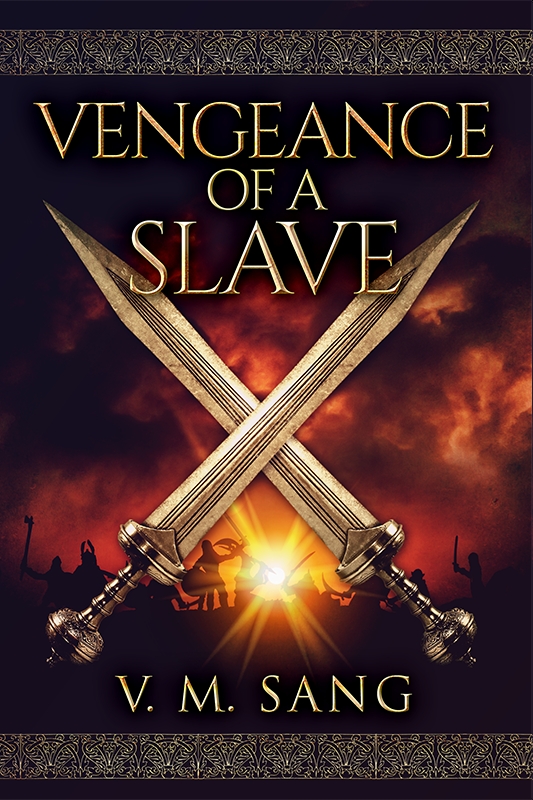
This book is the first in a series, following a family from their origins in Roman Britain.

The Batavian revolt indirectly led to the taking of Adelbhert and his sister as slaves, and hence began the tale told in Vengeance of a Slave.

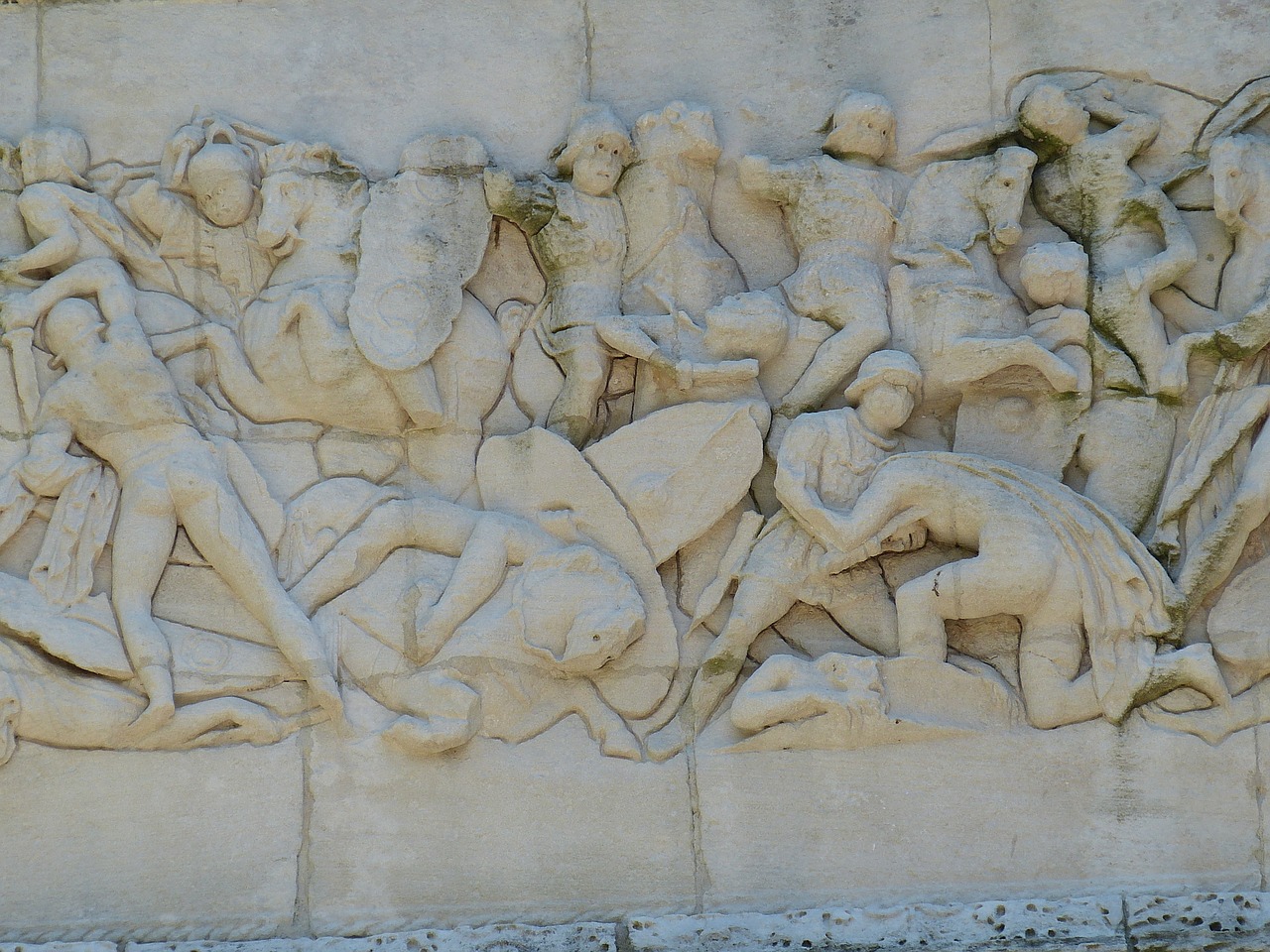
arch-1590569_1280

This revolt took place between the years 69 and 70 CE. The Batavi was a small tribe living in Germania Inferior, near the Rhine delta. They sent some conscripts to Rome, who became what was known as The Germanic Bodyguard and were personal guards of the emperor.

The emperor Nero was becoming more and more despotic, and so the governor of Gaul, decided to try to do something about it. He found what he thought as a worthy successor to the emperor. A man called Galba. He fomented a revolution, Galba became emperor and Nero committed suicide.

Galba disbanded the Germanic Bodyguard because he mistrusted them as they had been loyal to Nero. The Batavian people took this as an insult.

After the death of Nero, Rome was plunged into civil war. There followed what is known as the Year of the Four Emperors. Galba’s deputy, Otho, overthrew him in a coup, then Vitellius prepared to take the Rhine legions to Rome to overthrow Otho. The Batavi joined the Rhine legions and overthrew Otho at the battle of Bedriacum.

After the battle, the Batavi were ordered to return home, but then Vespasian, commander of the forces in Syria, revolted. He was joined by the legions of the Danube.

Vitellius tried to conscript more than the agreed number of conscripts from the Batavi. This, on top of the insult of disbanding the Germanic Bodyguard, the brutality of the conscripting centurians and the sexual assaults on Batavian boys brought things to a head.

In the summer of 69, Civilis was commander of the Batavian troops in the Rhine regions. He persuaded the tribe known as Cananefates, to revolt and to attack a number of Roman forts.

This was a good time to do this since most of the troops were fighting the civil war in Rome.

The commander of the Rhine regions sent troops to put down this rebellion, leaving the rest of the area vulnerable. Civilis and his men defeated the Romans near what is now Arnhem.

To deal with this insurrection, the commander sent two legions, V Alaudae and XV Primigenea to fight them. These legions included some Batavian cavalry, who defected to their countrymen during the battle and so the Romans lost, after which the Batavians were promised independence.

Civilis wanted vengeance, however. He wanted to destroy the two legions. He besieged their camp. With the civil war in Rome, the Romans could do little about this. They did not have the troops to spare.

Then came the news of Vitellius’s defeat. This had been helped by Civilis pinning down two legions, but his aim was not to help Vespasian. He launched an attack on Krefeld, sending his eight best cavalry troops. This time, the Roman army was successful, destroying all eight troops, but at great loss to themselves.

Civilis then lifted the siege, saying that the legions could have free passage, providing they left everything behind for his men to loot. The two legions left with nothing, but a few kilometers away, they were ambushed and all of them destroyed.

Vespasian, once he had established himself on the throne, sent an enormous army to deal with Civilis and his rebels. On hearing of the approach of the army, one of Civilis’s allies surrendered, but Civilis himself continued to fight.

He made a series of raids from land and from the river, once capturing a Roman flagship. The Romans then invaded Batavia and the revolt was over.

It is against this chaotic time in the Roman Empire that Vengeance of a Slave is set. Adelbehrt’s father and some of the other villagers take the opportunity of a weakened army on the Rhine to raid across the river into the Roman lands. This leads to the terrible punishment of the men at the beginning of the book.

Here is a review of the book.

R. J. Krzak, Award-Winning Author

5.0 out of 5 stars 

A Riveting Story Set in Roman Times

Reviewed in the United States on 30 December 2019

Verified Purchase

Vengeance of a Slave by V.M. Sang is a riveting story set during the period when Rome controlled Britannia. Follow the trials and tribulations of Adelbhert after he and his sister are taken by the Romans from their mother. They eventually end up as slaves in what is modern-day London. Adelbhert performs a nightly ritual to remind himself of the suffering he and his sister have endured, beginning with the crucifixion of their father. He vows to escape and punish those who have wronged him.

V.M. has created a moving story which will keep you turning the pages to find out how Adelbhert and his sister handle their new life. Experience their sorrow, anguish, and finally hope as they adapt to their changing situation. This is the first novel I’ve read of V.M.’s and it certainly won’t be the last! Well done and highly recommended!

And a brief taste of the story.

In this extract, Adelelbehrt is growing up and is not the pretty small child he was when he became a pet. There is a threat to his life with his current owners.

One day, when the children had been slaves for six years, Marcus approached Adelbehrt.
“Have you a minute?” the older man asked.
Adelbehrt looked at Marcus. “What do you want?”
The boy sat on the edge of the impluvium and trailed his hand in the water. The domina did not seem to want him at the moment. In fact, she had not had much for him to do for a while now. He thought the novelty of his appearance might be wearing off, especially as he was now beginning to grow up.
He crossed to where Marcus emerged from the office of the dominus. What did the accountant want? He had little reason to ask Adelbehrt for anything. Marcus was an important man, even if a slave.
As Adelbehrt approached, Marcus began to speak. “How long have you been here now, Adelbehrt?”
“Six years.”
“That will make you about twelve then.”
The boy nodded “About that, I suppose.”
“Now I don’t want to worry you, but you’re growing up. You’re still an attractive boy—attractive enough to still be a pet—but as you get older, yes, from now on probably, the domina will find you less like her pretty, little slave boy.
“Your unusual hair colouring is no longer a novelty. No one comments on it any more. Soon the domina won’t want you as her slave and will find a new pet. Or perhaps she has already. Look at how she dotes on that little dog the dominus bought her.”
Adelbehrt looked at the older man. He had thought long about this himself. He noticed how the domina played with her puppy and spent less time with him. He wasn’t jealous. Not really. In fact, he often felt glad she had another toy to play with. After six years of petting and fussing he felt heartily fed up. Still, he found it galling to be ignored.
Marcus continued and he pricked up his ears and listened. It did not do to ignore one’s elders.
“I spoke to the dominus yesterday. It seems he’s noticed how his wife seems more concerned with her puppy than you and he talked about selling you.”
Adelbehrt drew in a sharp breath at that news and looked at Marcus.
“He said he’d noticed you liked the horses and are good with them, but he doesn’t need another slave in the stables. He thinks he can sell you as a stable lad, though.”
“But…” Adelbehrt did not know what to say. He thought of Avelina. Oh, the little girl seemed happy enough as Claudia’s slave, but she was still only ten summers old. She could not really remember their home by the Rhenus and had completely forgotten their native language.
Claudia treated her well. In fact, they were almost like friends rather than mistress and slave, but Adelbehrt had promised his mother he would look after her. How could he do that if the dominus sold him?

If you are interested in reading more about Adelbehrt and his sister Avelina, click on the link below.

The e-book is on offer for a mere 0.99 (£or $) from today, Saturday 28th until Wednesday 1st September.

It is also available in several other formats, including audio.

my latest book has gone to the publisher

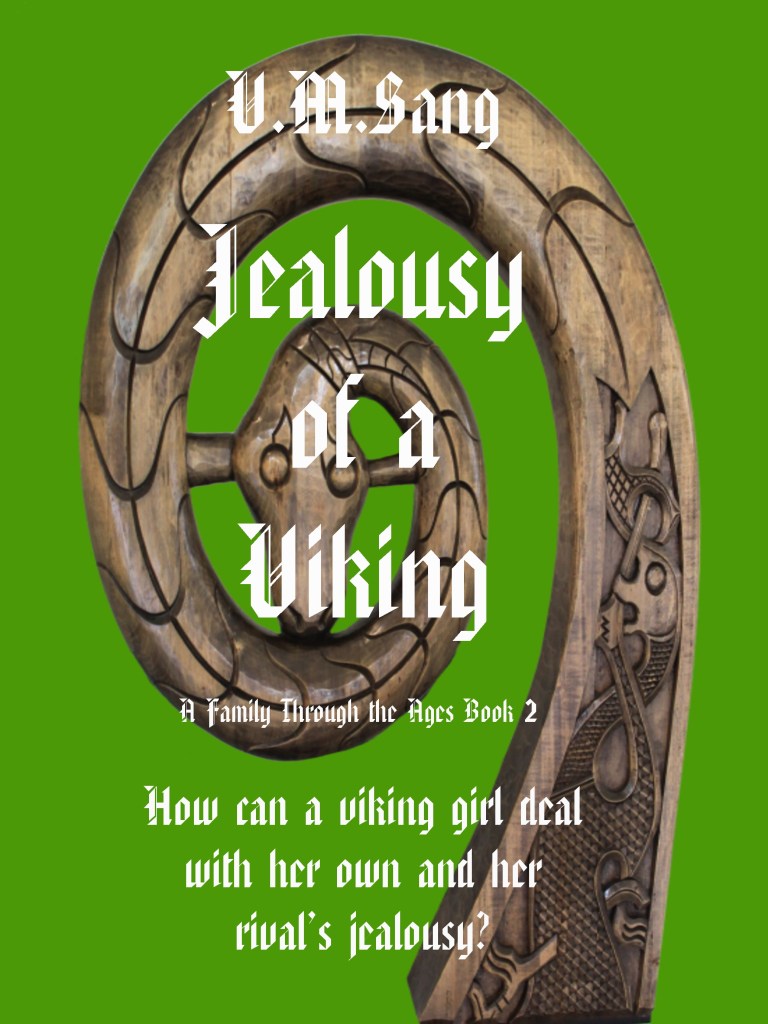
This is not the final cover, but one I knocked up as a temporary measure.

On Saturday I sent the manuscript of Jealousy of a Viking to my publisher. This one has been long in the making. I don’t know why, but I seemed to want to go over it and over it.

Eventually I decided I had to bite the bullet and send it, so there it is—residing with the publisher until they can get around to dealing with it.

I know they have a load of books to publish, but it’s this waiting time I find so difficult. I’ll let you know as soon as I know something, of course. When that will be, who knows.

This book tells the story of Helgha, a young Viking girl who has to come to terms with jealousy both in herself and her lover’s wife.
This eventually leads to disaster, of course.

When I know a bit more of what is happening I’ll let you know, but until then, here’s a taster.

CHAPTER 1

Helgha wrinkled her nose while digging up the bulbs of the ramsons plants. The pungent smell that arose as she dug tickled her nostrils. She looked at her spoils, decided she had gathered enough and picked up her basket.

The sun was sinking toward the horizon making the shadows of the trees creep like hands reaching to grab her. She shivered. Soon the wolves would be hunting.

A swishing sound, like footsteps in the dead leaves fallen from the trees sounded in her ears. She whirled around, her ash blonde hair whipping her face. No one from her village would be coming from that direction. The road led deeper into the forest and all the villagers would be at home now. Could it be an outlaw? Strangers were not to be trusted.

She looked around. She should not have stopped to gather the extra ramsons, even though, with the winter approaching, it would be needed for the inevitable coughs and colds.

Helgha listened. A blackbird scrabbled in the leaves under a small bush. A squirrel chattered at her from high in the tree above, angry at her presence. She drew her brows together. What had she heard?

Concentrating, she discerned a voice muttering, but could not make out the words. Who was this person speaking to? Did it mean more than one person approached? She looked at the shadows of the trees. They would help to hide her, but her walk back to the village would be in near darkness; dangerous for a girl out alone.

A young man leading a grey horse appeared from around a bend in the road. He murmured to the animal as he walked. Seeing the stranger, Helgha backed toward the bushes at the edge of the track. She hoped to make herself invisible in the shadows, but his eyes turned in her direction, the movement giving her away.

“Hey,” He looked toward where Helgha had pushed her way into the undergrowth. “Can you help me? I’m lost.”

Helgha backed farther into the bushes looking for somewhere to run. Perhaps the narrow animal track behind her would lead to a wider one where she could make her escape and run back to Thoringsby.

The branches snatched at her long skirts. I wish I were a man. Then I’d wear breeches. She pulled her grey woollen overdress from an elder bush.

The man called again. “I won’t hurt you. I only want to find a way out of this endless forest and back on the road to Jorvik.”

Helgha stopped. She could not go any farther. A large bramble bush prickled her back, its thorns penetrating the woollen cloak she wore.
The man dropped the horse’s reins and animal stopped, obedient to the signal. The stranger walked toward where he had seen Helgha before she pressed into the undergrowth.

“I understand why you’re afraid. I know strangers can be scary.” He smiled, making his grey eyes light up. “My name’s Erik.” He stopped walking and continued to speak. “I’m assuming there’s a farm or a village ahead and that’s where you’ve come from.”

Helgha stepped out from the bramble bush. She had to wrest her cloak free from the wicked thorns trying to pull her back. The man had seen her, so it was no use pretending she was not there. If he wanted to he could come after her. Anyway, she could go no farther with the dense brambles blocking her way.

“My home is a few minutes away.”

“Will you help me find a way out of the forest?”

Helgha looked at the man. He had light brown hair, a beard and a long moustache, as did most of the Danish men. His clothes looked of good quality and an expensive brooch pinned his cloak at the shoulder. She estimated him to be about eighteen years old—a few years older than herself.

As she looked at him, a hundred butterflies took flight in her stomach. She pressed her fist against it to try to stop their fluttering wings.

He’s not a beggar, nor even a poor man. Certainly not an outlaw, dressed in those clothes. And he has a friendly face. A handsome face. He’s lost as well.

She made a decision to help this man. As she began walking along the road, she beckoned Erik to follow. He picked up the reins and pulled his horse forward. It shook its head as if in denial before beginning to follow.

Helgha stopped and walked back to where the reluctant horse limped forward. She patted the animal talking gently to it. “You’re a beauty, aren’t you. Does your leg hurt?”

She turned to Erik. “What happened to your horse?”

“She tripped over something as we followed some game. I hope she’s not done too much damage to her leg. She’s a good horse.”

Helgha smiled. “Father’ll have a look at her when we get home. He’s good with horses. Have you walked far?”

“It seems like hundreds of miles.” He shrugged. “But it’s probably only a few.”

“How did you come to be lost?”

“My friends and I went hunting. As we cantered along, Stjarna tripped. The others rode on and I started to return to Jorvik. We’d ridden into a part of the forest we didn’t know—chasing a stag.’ He laughed. “He gave us a good run. I hope the others caught him. On the way back I must have taken a wrong turn somewhere.”

“You must have. We’re almost a day’s journey from Jorvik.”

“No wonder I felt I’d walked for weeks. I’ve gone in completely the wrong direction.”

They continued to walk along the forest road that wound between tall trees, mainly oaks, with bramble and bracken growing beneath their canopies. The leaves had begun to turn a yellow-gold and many had dropped to form a carpet beneath their feet. They swished like the sound of waves invading the beaches as their feet and hooves passed through them.

Helgha sniffed the air. A familiar scent reached her nose. This time of year fungi grew in abundance and people used them to flavour their stews.

“Wait a moment.” She rushed toward a fallen tree trunk where she picked some edible fungi from its bark. “These are good to eat. Mother will be pleased to have them.” She continued walking, looking back to see if he followed.

After a little while, the ground began to rise and the forest thinned. Shortly, the trees stopped altogether. Ahead a cleared area at the top of a little hill came into view. Fields surrounded the village with partially harvested crops growing in them. A small coppice of hazel grew on one side of the hill. The villagers used the wood for making everything from baskets to houses, and the nuts were a valuable crop for the winter.

As they climbed to the top of the hill a palisade with an open gate appeared. This was Helgha’s home. A large longhouse stood in the centre of the village surrounded by smaller ones in the same style. All the houses had thatched roofs that came almost to the ground. A frame of wood made up the walls, with a lattice of sticks woven between them. The houses had been made weatherproof by having a sticky clay substance daubed on thickly.

“Tie your horse here, Erik, then come into the house.” Helgha pointed to a post next to the palisade.

The Dane did as she bade him and followed her into the large longhouse.
The pair entered through a door set in the middle of one of the longer sides of the building. Compared to outside, the house was dark, but their eyes soon became accustomed. A fire pit glowed in the centre of the single room, the smoke curling toward holes cut in the thatched roof. These holes allowed light to enter as well as letting the smoke from the fire to escape.

One end of the longhouse was closed off. Animals shifted around in that space, and occasionally there came the lowing of a cow. The scent of the animals permeated the large room, mingling with the smell of the smoke from the fire. At the other end of the longhouse, a wooden wall closed off another room.

A double row of wooden pillars ran the length of the house. Wide benches filled the gaps between them. A sheepskin and a blanket lay on each bench.

Three boys, all younger than Helgha, sat on one of the benches playing some sort of game while farther down two women gossiped as they span wool into yarn.

A pot hung over the fire and a woman with ash blonde hair, very like Helgha’s, stirred it. The woman straightened and rubbed her back smiling at Helgha. “You’re back. I was becoming anxious as it’s getting dark. Who’s this you’ve brought?”

“This is Erik. I met him as I started for home. He was lost.”

As they talked, the door opened to admit a tall man with light brown hair. He walked over to the fire and warmed his hands. “It’s getting cold in the evenings,” He looked around and noticed Erik. “Who’s this?”

Erik stepped forward and introduced himself.

“So, my daughter found another stray. This one’s a bit bigger than most.” He laughed and put his arm around Helgha to give her a hug. “She has a kind heart and often finds something that needs looking after.” He turned to the girl. “Speaking of your waifs, you’d better go and see to that orphaned fawn you brought home. He’ll need to go back to the forest soon.”

Helgha turned with a glance toward Erik that set all the butterflies off in her stomach again. She dragged her feet through the door, pausing once more to look back at Erik and her father.

Helgha’s father was big and had the look of a warrior. He had a full, bushy beard and twinkling blue eyes that he now turned toward Erik.

“I’ll show you the road to Jorvik tomorrow,” Helgha heard him say as she left to feed the orphaned animal. “It’s going dark now and it’ll be dangerous to leave. Stable your horse with the other animals. Over there.” He pointed to the room holding some cattle and pigs.

Helgha left and entered the stable end of the house. She pulled some hay over to a young deer as Erik led his horse through the door. She stood and patted the mare. “What’s her name?”

Erik gave the horse some water. “Stjarna.”

“A pretty name,. But she’s a pretty horse so should have a name to match.”

Helgha’s father pushed the door open. “Let me have a look at your animal. She looks to have hurt herself.” He knelt down and ran his hand down the leg. The mare shifted as he touched a sore spot.
“ I don’t think there’s anything to worry about. It’s a bit bruised that’s all. Rabbit hole, was it?”

“Yes. I didn’t see properly. I was too busy getting up and looking where my friends had gone. I noticed she was limping, so I couldn’t chase after them.”

Although it was not close to the fire, the warmth of the animals kept the stable end of the house warm. When he had made his horse comfortable, Erik returned to the main part of the house, Helgha following.

Once they were back indoors, Helgha’s father said, “If you’re staying here tonight, I should introduce you to the family.” He laughed—a loud and cheery sound. “I’m Biorn. My wife is Ædelflaed. Helgha you know. Boys, come here,” he called to the three sitting in the shadows. “This is Hartvigg. He’s seen eleven summers. Then there’s Laeff. He’s seen nine summers and little Sigmund five. Helgha has fourteen, or is it fifteen? I forget sometimes.”

Ædelflaed shook her head. “Really!” she scolded, with a smile at her husband. “She’ll be fifteen in three weeks time. You know that as well as I do.”

“Well she’s fourteen now,” her husband argued and turned to Erik. “It’s late. You must stay tonight and I’ll show you the road to Jorvik tomorrow. Your friends? Will they be anxious about you?”

Erik laughed. “I expect so, and when they return to Jorvik without me, my father will no doubt punish them before sending them out to find either me or my body.”

When Ædelflaed served the stew and they all sat eating, Helgha watched Erik and followed his gaze as he looked at the round shield and battle-axe hanging on the wall opposite him.

He turned to Biorn. “You were a warrior then? When did you come here?”

“With the Great Army. We conquered this area. The Anglo-Saxons are weak fighters. It wasn’t too hard.”

“And you decided to stay?”

“Not straight away. I went back to Denmark. Then I came again. There was land here for the taking. Good land. Rich and fertile. I met Ædelflaed soon after that and we married.”

“Many came to settle,” Erik said. “My own family did. My father fought with the Great Army, too, and was there when they took Jorvik. He still tells tales of that battle; how the Anglo-Saxons tried to fight back, and we killed their leader.”

Helgha gazed at Erik throughout this conversation. She tried to memorise his features. She knew when he left she would not see him again. She thought he was the finest man she had ever seen. He was handsome and tall with the muscular body of a warrior.

He turned to look at her and she blushed. Erik smiled and that made her face heat up even more. The idea that he might know she liked him embarrassed her. She was only a young girl, but she was of marriageable age. Many girls as old as she was were married already.

Her parents would find her a suitable husband, and she would endeavour to be a good wife, but she wanted to remember Erik. She could dream of him at night and imagine his kisses, but only if she could remember exactly how he looked.

She had been watching him, remembering how he held his head and threw it back when he laughed. She noted the way he smiled. He loved his horse, too. She had watched as he patted it and spoke in a low voice so as not to startle it. Yes, she had enough stored to remember this man who had come so unexpectedly into her life and would as quickly leave it.

That night as she lay on the bench in her furs, she wept in silence for what could not be.

I hope you enjoyed this little taster of my latest work and are as anxious looking to read the rest as I am to hear more from the publisher.

What did you think about this first chapter? Does it whet your appetite for more?

If you want to find out more about me and my writing, then sign up to join my quarterly newsletter by clicking on the join button.

JOIN

Audio book release

Hi. I just received an email saying that Vengeance of a Slave, my historical novel set in Britain at the time of the Romans, has been released as an audiobook. You can get a free 30 day trial of this book if you follow this link for the UK

and this for the US

If you do listen to it, I would be very grateful if you would post a brief review. Reviews are very important to authors and readers alike as there are so many books published it is difficult to know if a book is for you or not.

Last Day of free offer

Don’t forget that today is the last day to get my best-selling title, Vengeance of a Slave absolutely FREE.

It is currently number 2 in British and Irish Historical Novels and number 81 in Action and Adventure.

To get your FREE ebook, click in the cover in the sidebar, or here.

Here are a couple of reviews it got. For some reason, Amazon have taken these down, but they’ve left the stars. (I’ve heard of other writers who’ve had reviews removed for no apparent reason!) I can assure you, they were genuine reviews!

Randall Krzak

5*
Vengeance of a Slave by V.M. Sang is a riveting story set during the period when Rome controlled Britannia. Follow the trials and tribulations of Adelbhert after he and his sister are taken by the Romans from their mother. They eventually end up as slaves in what is modern-day London. Adelbhert performs a nightly ritual to remind himself of the suffering he and his sister have endured, beginning with the crucifixion of their father. He vows to escape and punish those who have wronged him.

V.M. has created a moving story which will keep you turning the pages to find out how Adelbhert and his sister handle their new life. Experience their sorrow, anguish, and finally hope as they adapt to their changing situation. This is the first novel I’ve read of V.M.’s and it certainly won’t be the last! Well done and highly recommended!

D. W. Peach

5*
Adelbehrt keeps a running list in his head of all the reasons why he hates the Romans—they crucified his father, stole him as a child from his mother, and enslaved him. As he grows into his teenage years as a slave, the list gets longer. With the help of a network of Britons, he escapes, determined to exact his revenge, but not everything is as clear cut as he once thought.

The plot is straight forward, and though there are some tense moments, battling and mortal danger isn’t the point of the tale. This story has a strong moral message about the nuanced nature of people and how they treat and judge each other. Ultimately, it’s about a young man’s growth and the events that change his perceptions as he matures.

The pace is moderate with some repetition, but I was engaged throughout. The historical details seem well-researched, adding to the authenticity of the story. Point-of-view focuses on Adelbehrt for most of the book, with occasional shifts to other characters, and all main and secondary characters felt believable to me. Adelbehrt is particularly well-rounded and likeable as the story centers on his thoughts and experiences.

Please add a comment in the comments box.

You can also sign up for my quarterly newsletter by clicking JOIN in the sidebar.

Vengeance of a Slave

There are only 4 weeks left until the big moment.

Vengeance of a Slave


Will be released on Thursday December 26th

Make a note of it in your diary


or


Go to Amazon now and pre-order it.

This is my first venture into historical fiction. I really had an amazing time researching it and found out such a lot about the Romans and the way of life of the Celts who lived here when they invaded.

As a special thank you to all my readers, I am publishing an extract from the book on my blog on Thursday to mark the 4 week point.

You can order the book by clicking here, and it will take you to Amazon where you are. Or you can click on the book in the sidebar.

Finally!!!

Announcing the release of Andrew Joyce’s latest work, Mahoney.

via Finally!!!

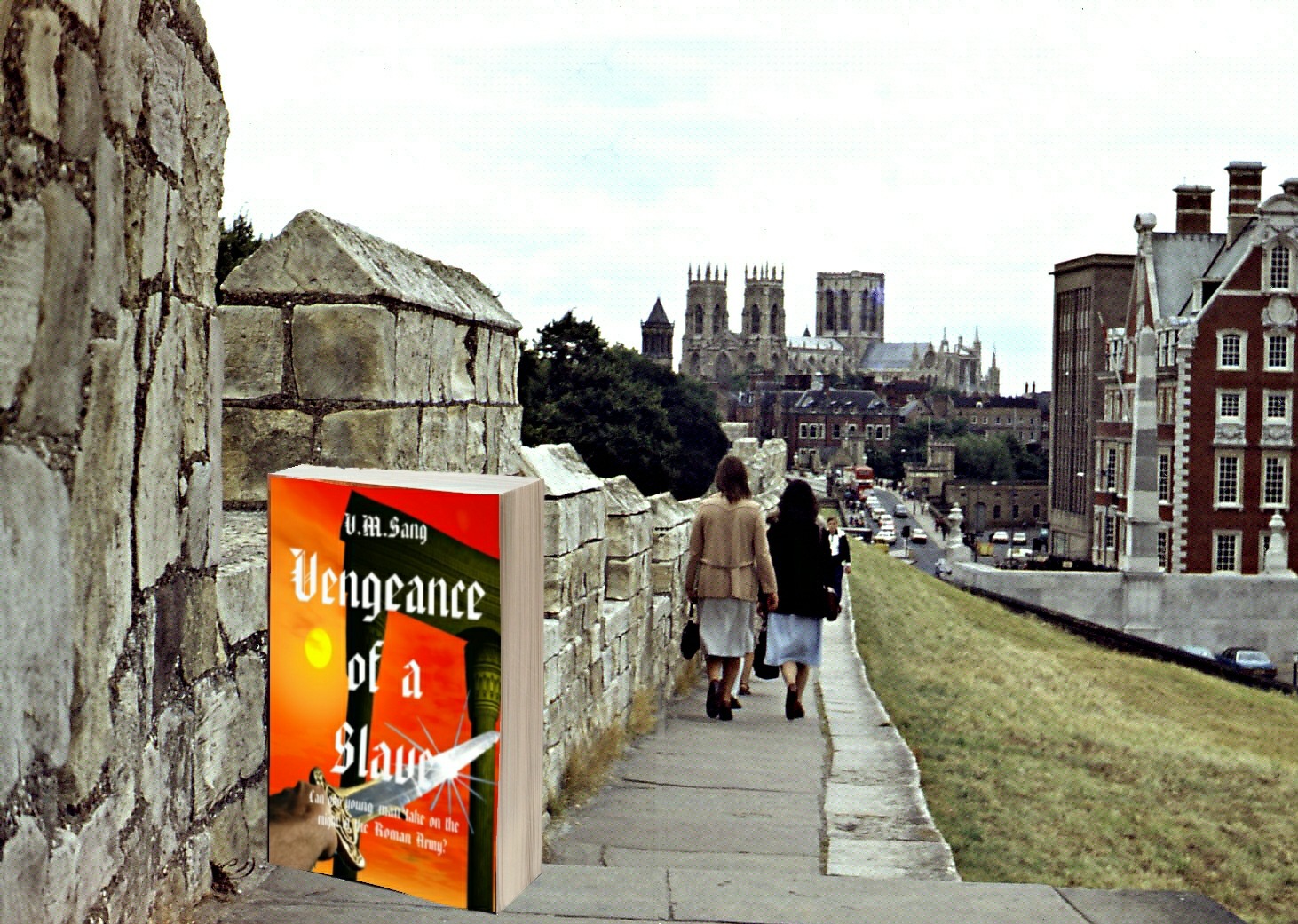
Vengeance of a Slave pays a visit to York.

Vengeance of a Slave is set partly in the city of York. Here it takes a visit to that city.

In Roman times, York was known as Eberacum, but this picture is in modern York, since my time machine is out of order at the moment!

Here you can see the walls of the city with the Minster in the background.


You can buy a copy of the book in both paperback or ebook by clicking on this link.bookinyork