Tag Archives: travel

The Battle of Hastings: New Theories on the Site

King Harold engaged in two battles in Northumbria. He was defeated in the first, but triumphed in the second, which occurred five days later, resulting in the deaths of the opposing leaders, his brother Tostig and Harald Hardrada, the King of Norway.

Harold learned that Duke William of Normandy had embarked on an invasion of England to lay claim to the throne.

William’s landing occurred on September 28th near Pevensey, at a location now called Norman’s Bay. His initial plan was to invade in August, but due to unfavourable weather conditions, he postponed it until September.

On landing, William established his camp within the ancient Roman fortification at Pevensey, from where he marched towards Hastings, ten miles away. Once in Hastings, he built a wooden castle from pre-fabricated parts brought with him. (Was this the first flat-pack?) 🙂

Meanwhile, Harold became aware of William’s invasion fleet during his southward march. Although he had left part of his forces in the north, he gathered additional troops en route to London, where he paused to muster more soldiers. From London, he made his way towards the south coast.

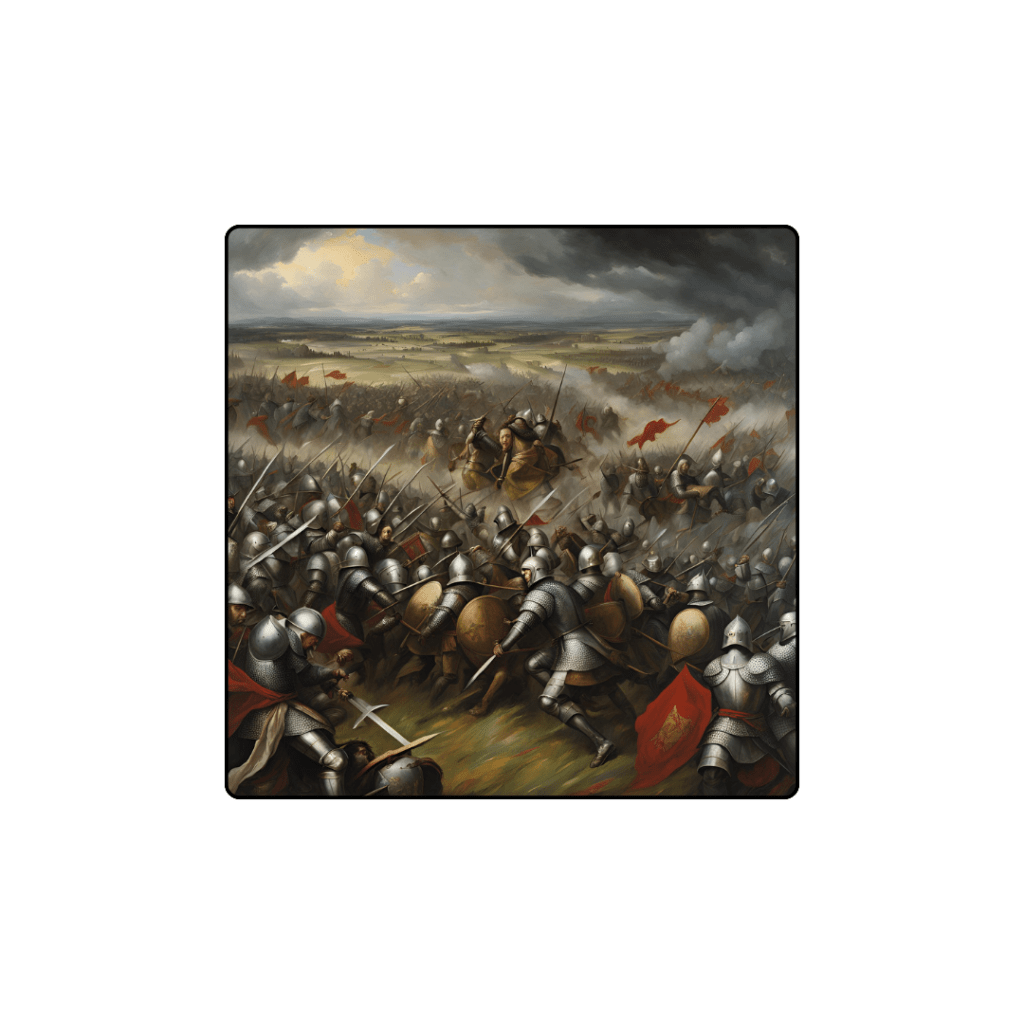
Most believe that the encounter between Harold and William occurred not at Hastings, for which the battle is named, but at Senlac Hill, which is now the town of Battle. Nevertheless, I have come across recent claims suggesting an alternative location for the battlefield.

Archeological investigations at Battle Abbey, which is said to be built on the site of the battlefield, apparently show no indications of a battle taking place there. Medievalists.net cites a paper, “Heathfield Down: An Alternative Location for the Battlefield of Hastings, 1066,” by Rebecca Welshman and Simon Coleman. This paper suggests that the battle might have taken place at a place called Heathfield Down. (I also came across something that stated that this place is also known locally as Slaughter Common.)

Also, on Medievalists.net I read this:

“Welshman and Coleman also find importance in a passage from the Anglo-Saxon Chronicle (D text), which explains that “com him togenes æt þære haran apuldran, and Wyllelm him com ongean on unwær, ær þis folc gefylced wære.” (“[Harold] came against him [William] at the grey apple tree. And William came upon him by surprise before his people were marshalled”). They believe that the English forces would have gathered at this apple tree because it was a significant landmark. There was such a ‘hoar apple tree’ in Heathfield that served as a boundary marker.”

If you go on to read the article, you will find an interesting map to show how the coastline has changed since 1066, and a section on how the weather would have impacted the battle if it took place on Senlac Hill.

In my current WIP, Wrath of an Anglo Saxon, I haven’t bothered too much about the situation of the battle, but more about the battle itself and the aftermath. This battle had a huge impact on life in England and is considered the beginning of the feudal system, whereby there is a strict hierarchy with the king at the top. and the peasants, or villeins as they are sometimes called, at the bottom. (This is where we get our word ‘villain’ from, although now it had become perjorative in its use.)

Here is an extract from the work g. Please bear in mind that this is certainly not the finished version, but only the first draft.

Durstan has been knocked unconscious during the battle. When he regains consciousness, he makes his way to where the defeated Anglo Saxon troops have gathered. After being treated for a head wound, he sleeps.

Durston opened his eyes, only to close them again quickly. 

Who made the sun so bright?

Gradually, he tried a tiny sliver. Not too bad. He parted his eyelids a bit more until they were fully open.

He reached to his head and let his fingers probe his injury.

It hurt, but like a bruise. It didn’t feel as if anything inside was damaged. He struggled to his feet. A bit of dizziness, but the trees were standing still now. He glanced at the sky. Still quite early. 

He ambled towards where he met Earl Edwin yesterday. There was a lot of activity. A few more men had arrived, and as he watched, two more straggled in. Some of the men were seriously injured, and Earl Edwin ordered them to be carried to the healers. 

Durston approached the earl. “My Lord, I am much recovered. I would like to gather those of my followers who survive and join with any counter attack.”

Earl Edwin turned to him. “Ah! Theign Durston.” He turned to a tall dark-haired man standing next to him. “Theign Durston was injured in the battle. I sent him to the healers. A blow on the head, it seems.”

“Well met, Theign Durston. I am Earl Morcar.”

Two men rushed up to the two earls carrying a man between them. They set him on the ground and bowed to the earls.

One of them panted, hands on knees. “My Lords, we found the king’s body and brought it here.”

Earl Edwin glanced at the corpse on the ground before him. “This man is not dressed like the king. He is dressed as one of the ordinary fighters.”

“When we found him, sir, he was dressed as a king should be, with the crowned helmet.”

Earl Edwin glared at the two men. “Then where is it now? Have you stolen it? Is it hidden for you to collect later and sell to the Bastard?”

The second man looked stricken. “No, my Lord. We wouldn’t betray our country.” He turned to his companion. “Tell him, Cenric.”

“We was searching for any survivors, my Lord, when we saw the king. We knew him by his helmet, see. I’ve never seen the king, so that was how we knew it were him.” He coughed. “He were obviously dead, but we knew we should bring him back here.”

His friend nodded. “But there were a lot of the enemy looking for their survivors, so we thought,’What if they catch us wi’ the king?’ We spotted a body close by. Been shot with an arrow right through his eye, he had.” He shook his head. “Poor bastard. Must have been a painful way to go.”

Cenric continued. “We took his armour and clothes and swapped them with the king’s, so no one would know that the body we had was King Harold.”

Earl Edwin knelt next to the body. “He’s pretty cut up.” He peered into the face and looked up to Earl Morcar “It’s Harold, alright. I knew him quite well.” He turned to the two men. “Well done. You will be rewarded. Go and find some rest while we decide what to do with him.”

Durston staggered. His head still hurt and standing listening to the two men and the earls had made him dizzy.

Earl Edwin turned to him. “You need to go home, Durston. We’re planning a retaliation to take our country back, but I don’t think you are fit to join us.”

Durston’s heart sank. His stomach felt filled with lead. He wanted to fight; to help kill William the Bastard and to see young Edgar Aethling on the throne. His feet dragged as he made his way back to where the injured were being tended.

Plonking onto a log, he sank his head into his hands. 

Someone spoke. “Are you unwell, my Lord?”

He glanced through his fingers. It was Hrodgar, one of his loyal followers. He lowered his hands. “I’ve just been told I can’t help in resisting this takeover.”

“With all due respect, Lord Durston, I think the earls are correct. You were unconscious for a long time, I heard, and are still suffering the effects.”

Durston shook his head and immediately regretted it. Pain shot through his brain.  He sighed. “I suppose you are right. I would be a hindrance, not a help.”

Hrodgar went away and returned shortly with a flagon of ale. Durston drank gratefully and stood. The dizziness had gone. “How many of our men survived? Do you know?”

“Only about four or five, I think.”

Durston groaned. All those others dead. They had families, too. 

“Lord Durston.” A voice sounded through his thoughts. 

A young man approached. Durston has seen him with the earls.

“Earl Edwin wants to see you, my Lord.”

Durston followed the young man to where he had been talking to the earl.

“I have a job for you, Durston,” the earl said. “We must take the king’s body away from here. There’s no saying what those Norman’s would do with it if they found it.” He pulled at his beard. “Since you have been injured in the fighting, I would like you and a few of the less seriously injured, to take the king’s body to Waltham Abbey.  It was a place close to his heart. The king can be buried there with the correct ceremonies.”

Durston felt his heart sink once more. He was being sent away. Away from the defence of his homeland.

It will be a while before this book is published, but I’ll keep you informed as to its progress.

If you enjoyed this brief extract and would like to read more of my work, you can click on the book cover in the side bar to take you to the online retailer of your choice.

I wonder how correct the new ideas about the battle site are? What do you think?
My Visit to Cordoba

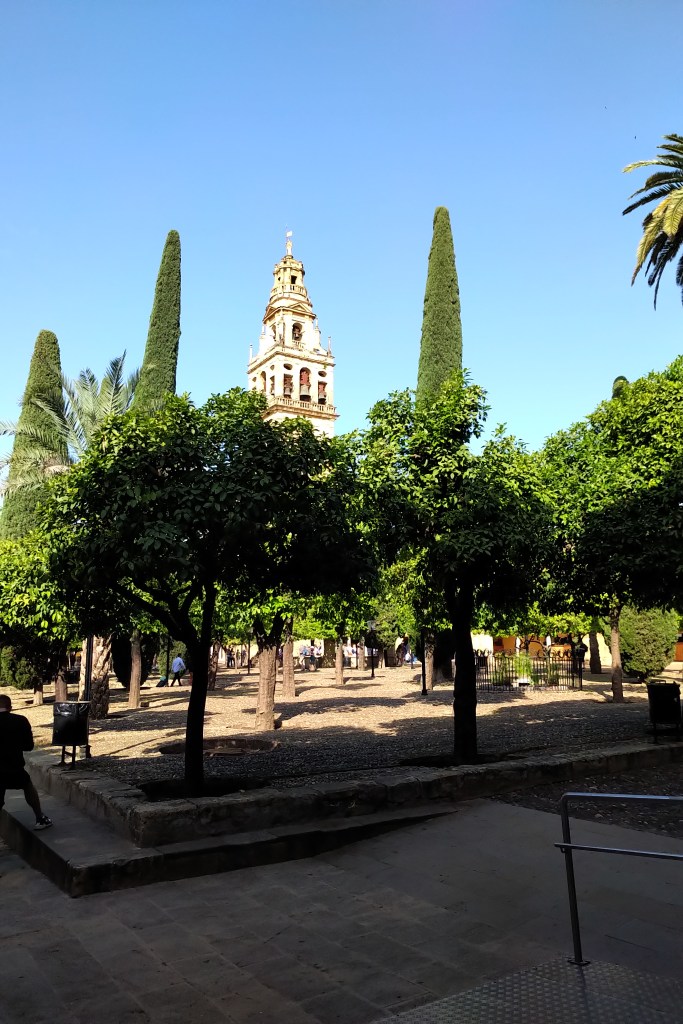
In April, I visited the Spanish city of Cordoba. I thought you might like to see some of the pictures I took.

First, the Mesquita. This was a mosque constructed in 785 when Spain was under Muslim rule. There is some disputed history that there was a mosque earlier than that, which was also used by Christians as a church. this sharing of a building indicates to me that there wasn’t the animosity between the two religions as there is nowadays.

When Ferdinand and Isabella reconquered Spain in the 15th century, the mosque was converted to a cathedral. To find out more, here’s a link to Wikipedia.

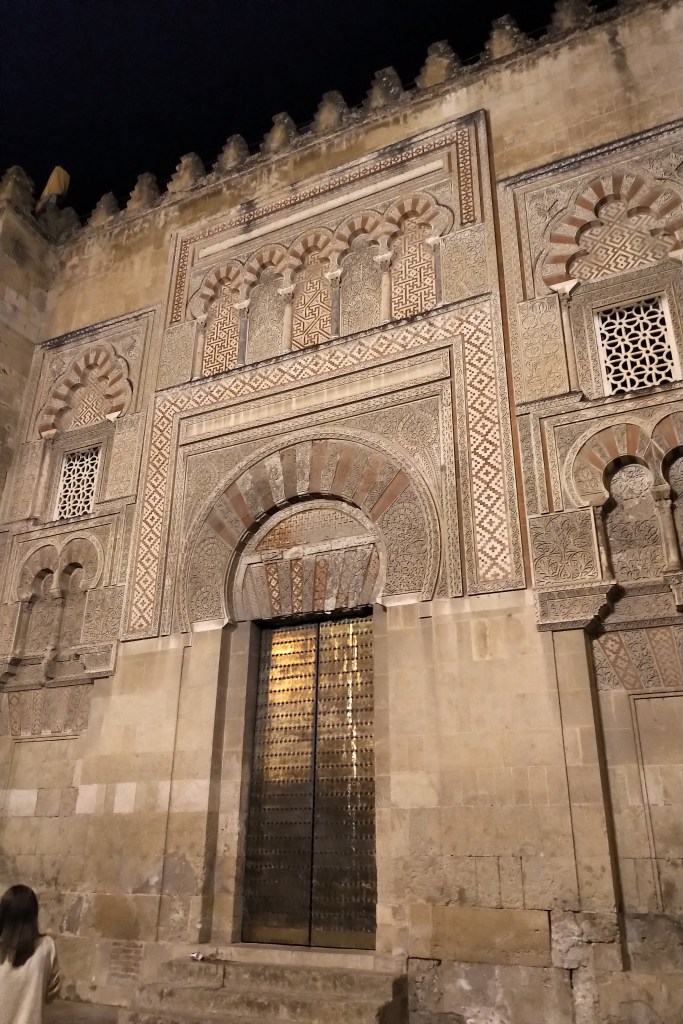
This is the oldest gate, called the Visier’s gate and it’s decoration dates back to 855.

This gate was right opposite our hotel!

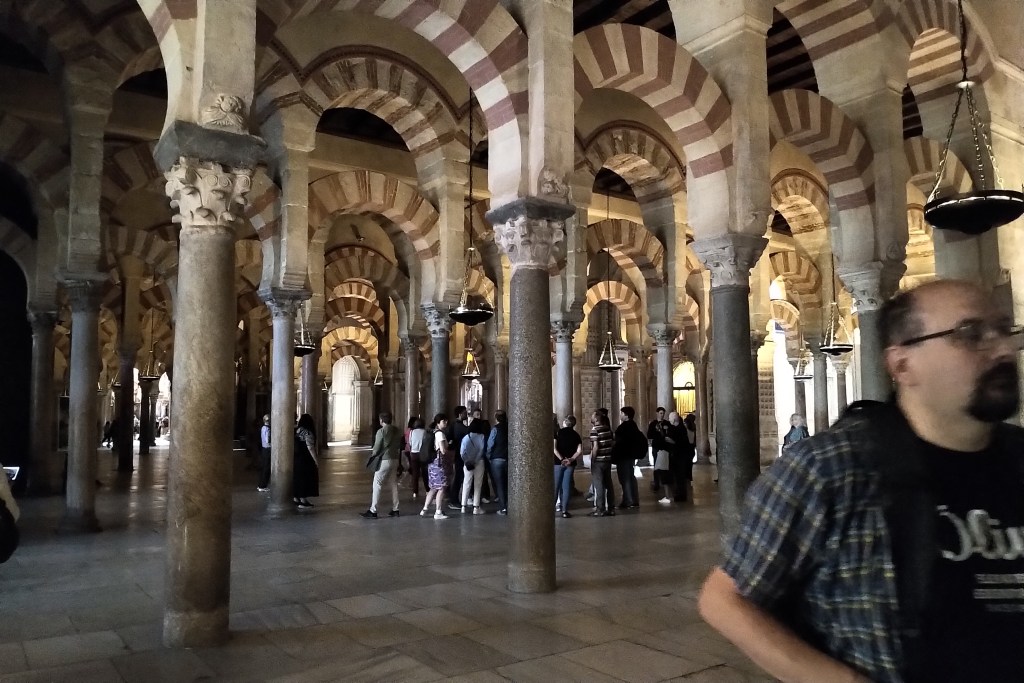
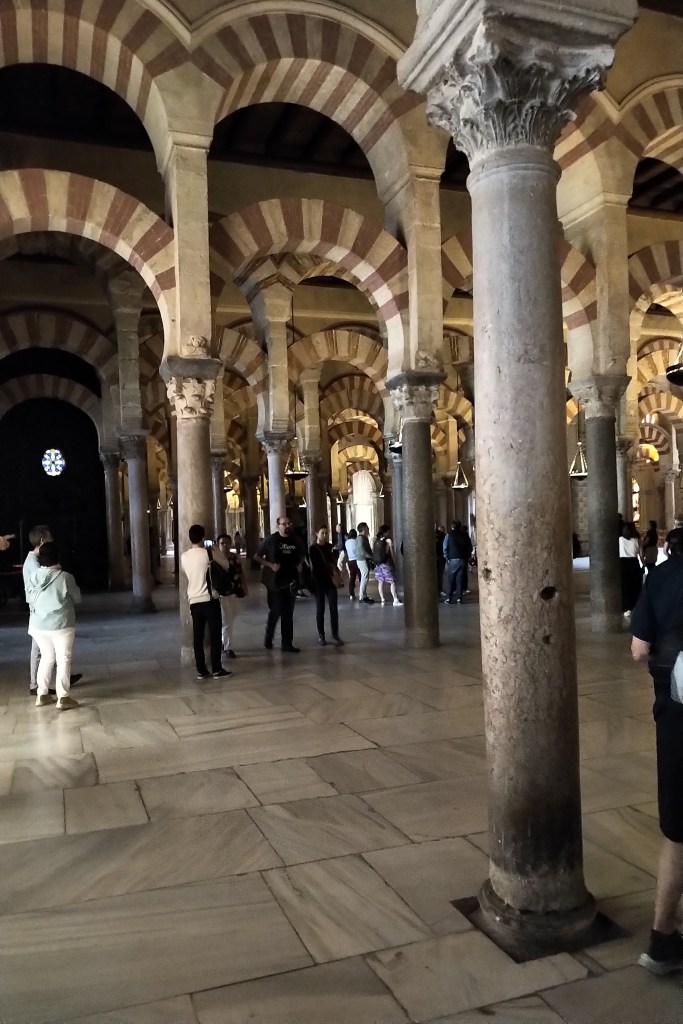
Now for some other pictures of the cathedral.

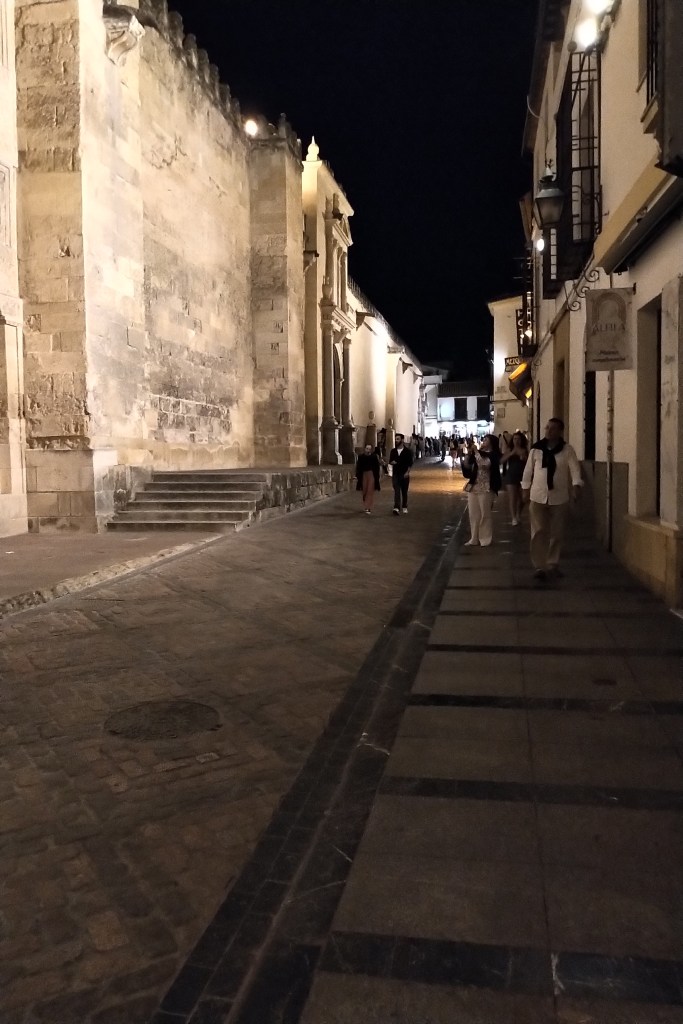
The street outside our hotel, showing the cathedral on the left.

Of course, full of tourists!

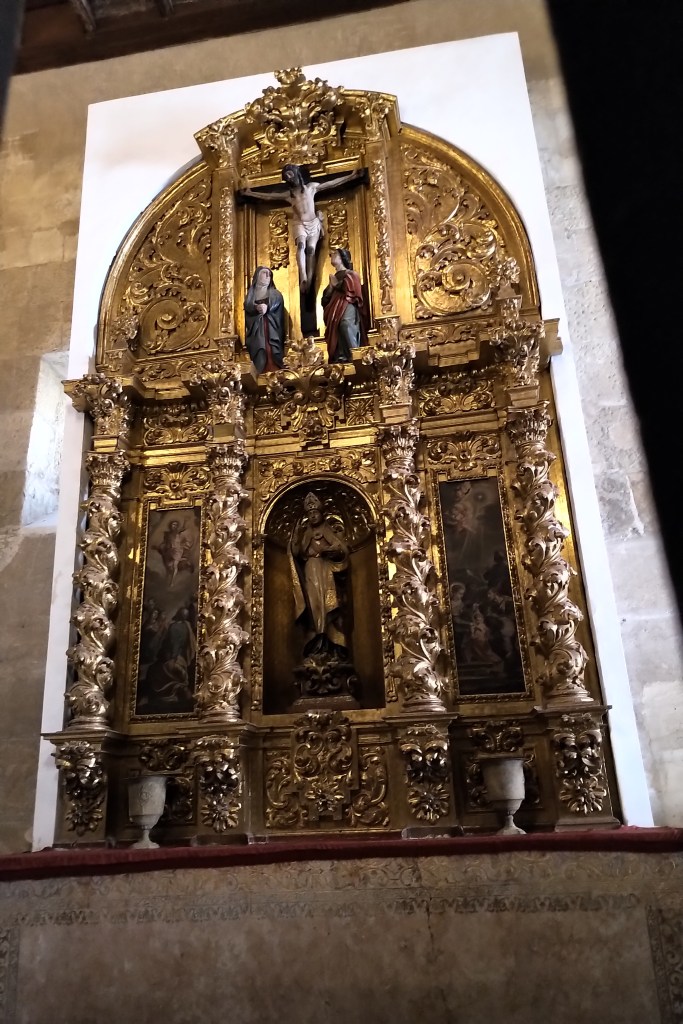
One of the chapels.

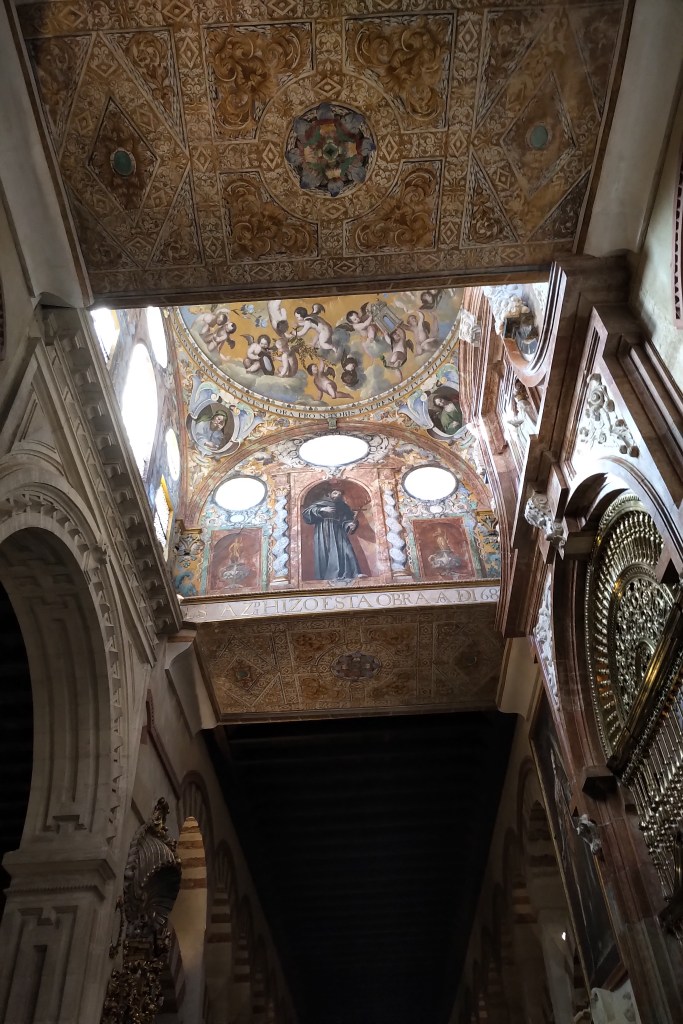
And a part of the ceiling.

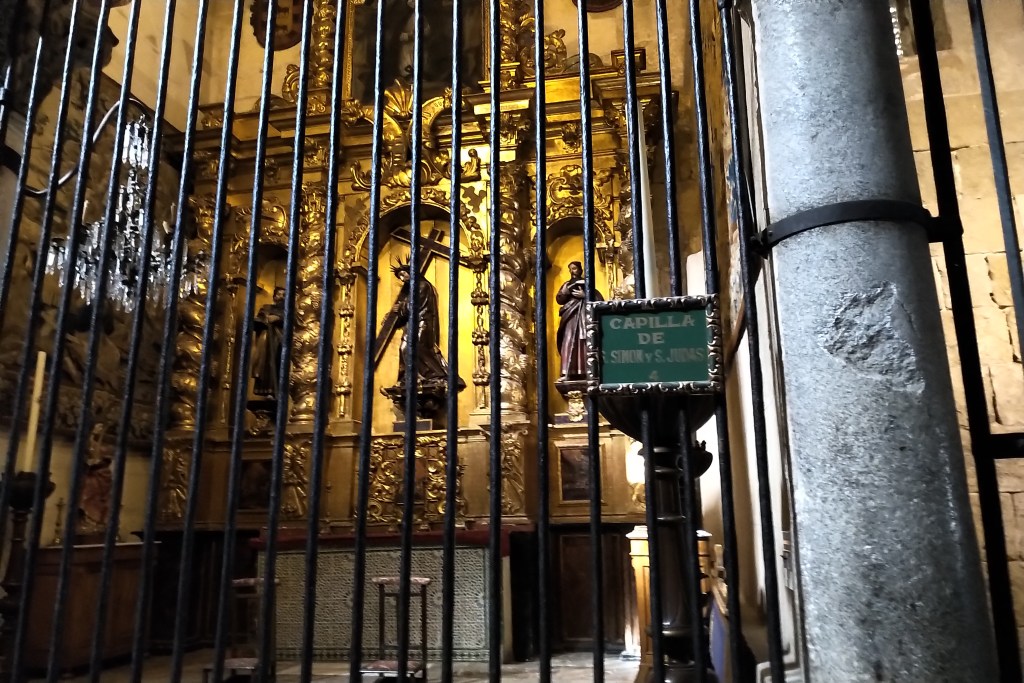
Another chapel. the amount of gold was amazing. All stolen, I suppose, from South America.

I’ll post more of my pictures another time. This was the Cathedral. More of the city next time.

If you would like to post a comment, please feel free to do so. Have you been to Cordoba? What did you think of the city?

I would like to remind you of my poetry book, July to December, that came out a couple of weeks ago. It follows on from my January to June book, which is free on all platforms. July to December is only 1.99. Each book gives you one poem to read each day for a year.

Some are humerous, some based on nature, some are short, others longer and narrative.

If you purchase, please leave a review.

Here’s the latest ranking on Amazon.

Best Sellers Rank: #13,136 Free in Kindle Store (See Top 100 in Kindle Store)

1 in Women’s Poetry

3 in Contemporary Poetry

5 in British & Irish Poetry

My Visit to New York

In April, my husband and I went to New York for the first time. I thought I would share some of the photos with you all.

We had a wonderful time, seeing all the sights. It was very exciting being in the city we had seen so often on the television, in both films and news. My only regret was that we did not have enough time to visit all of it, but spent most of our time in Manhattan. Perhaps another time?

We had a wonderful time. I’ll post some more in the future.


Please feel free to add a comment to this post. I love to hear what you think.

Some photographs of the Lake District

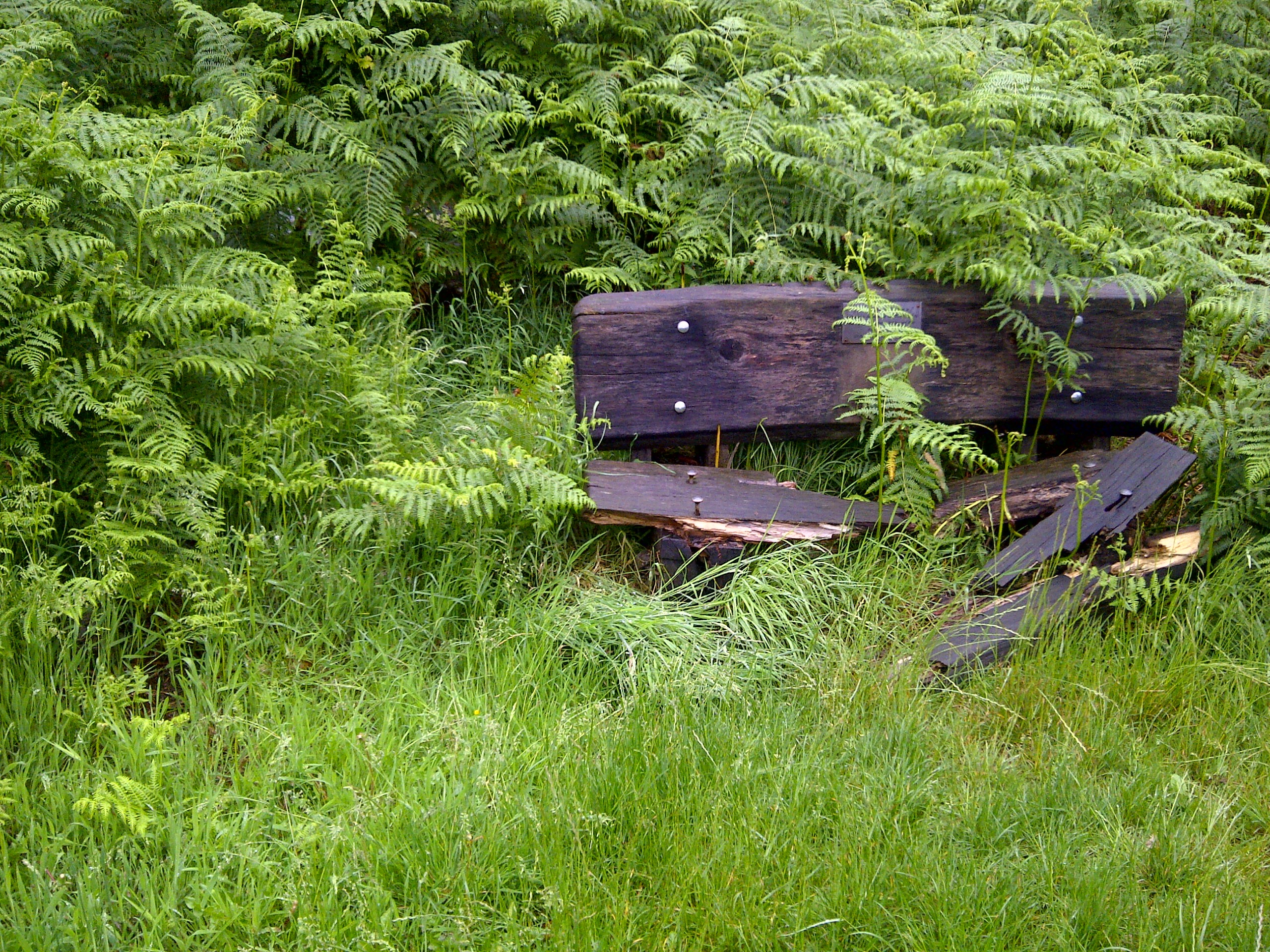
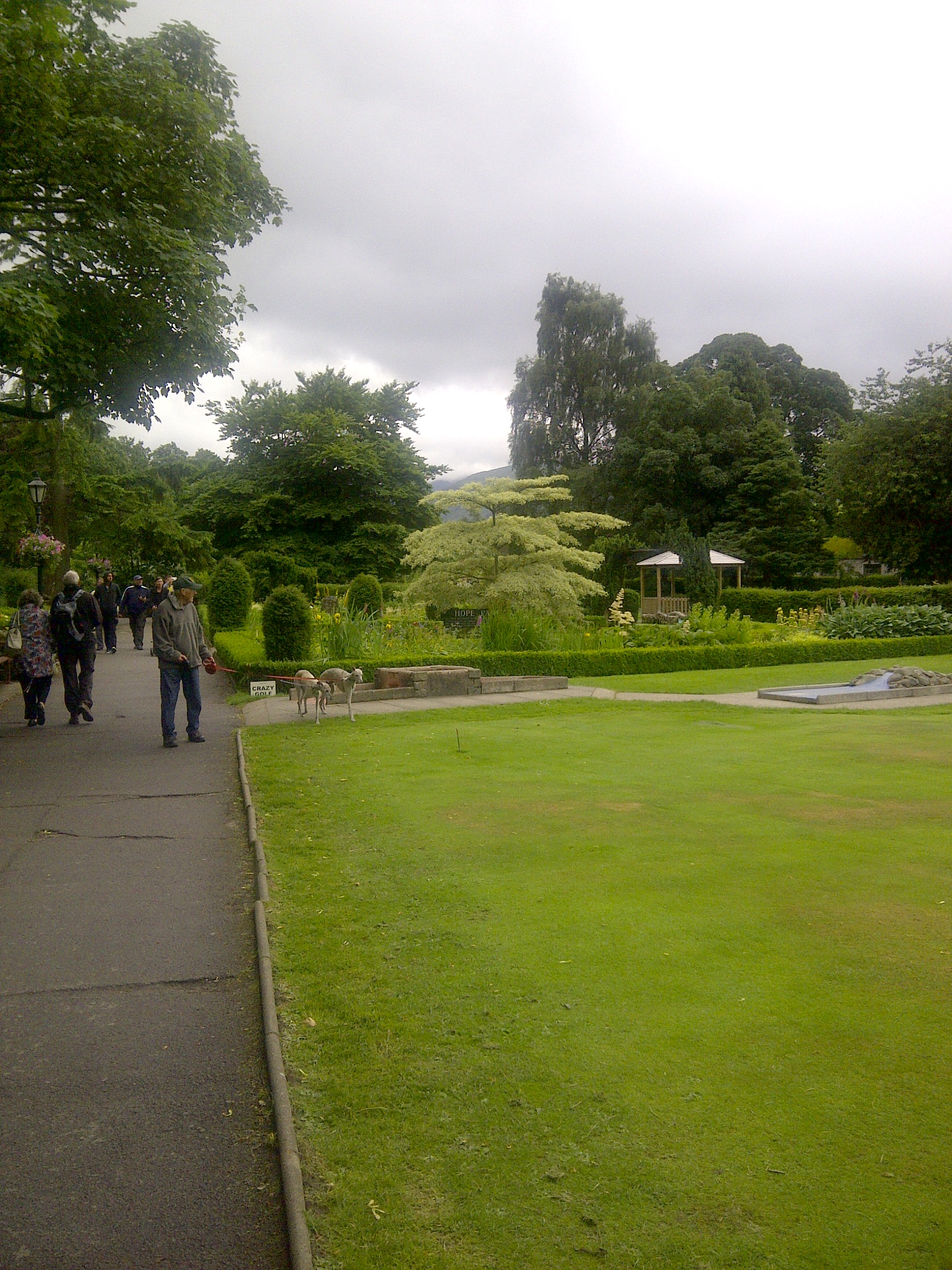
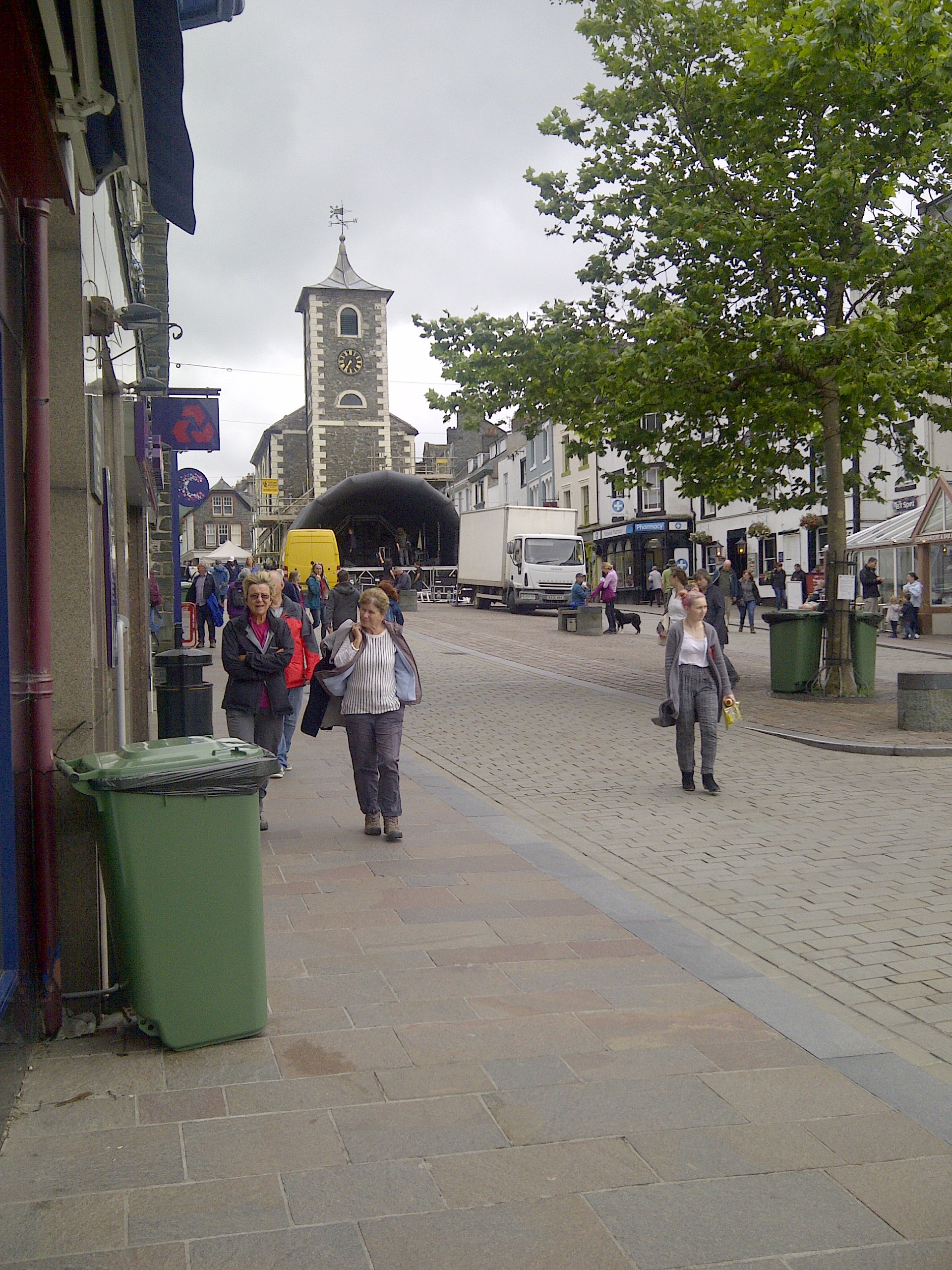
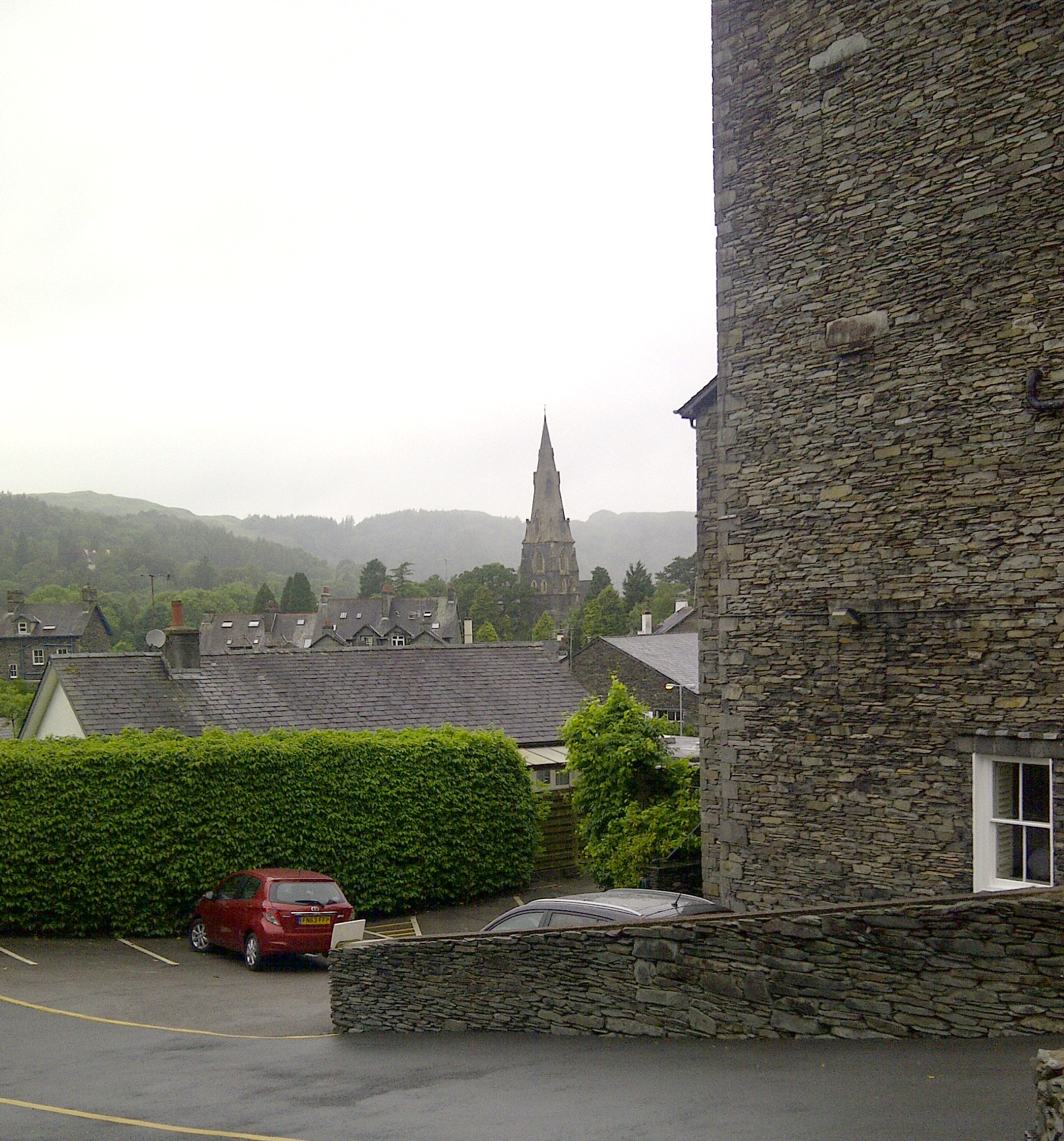
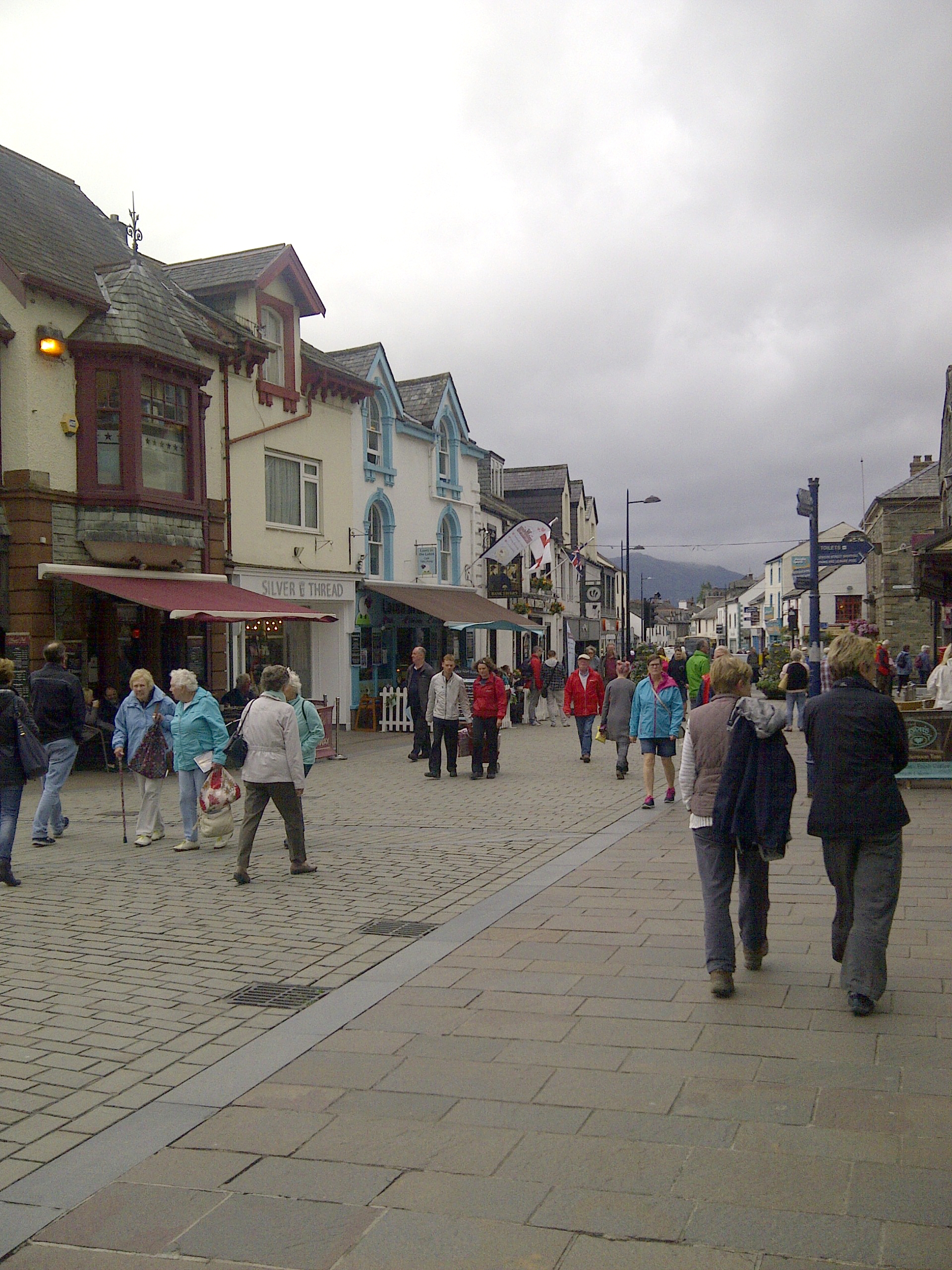
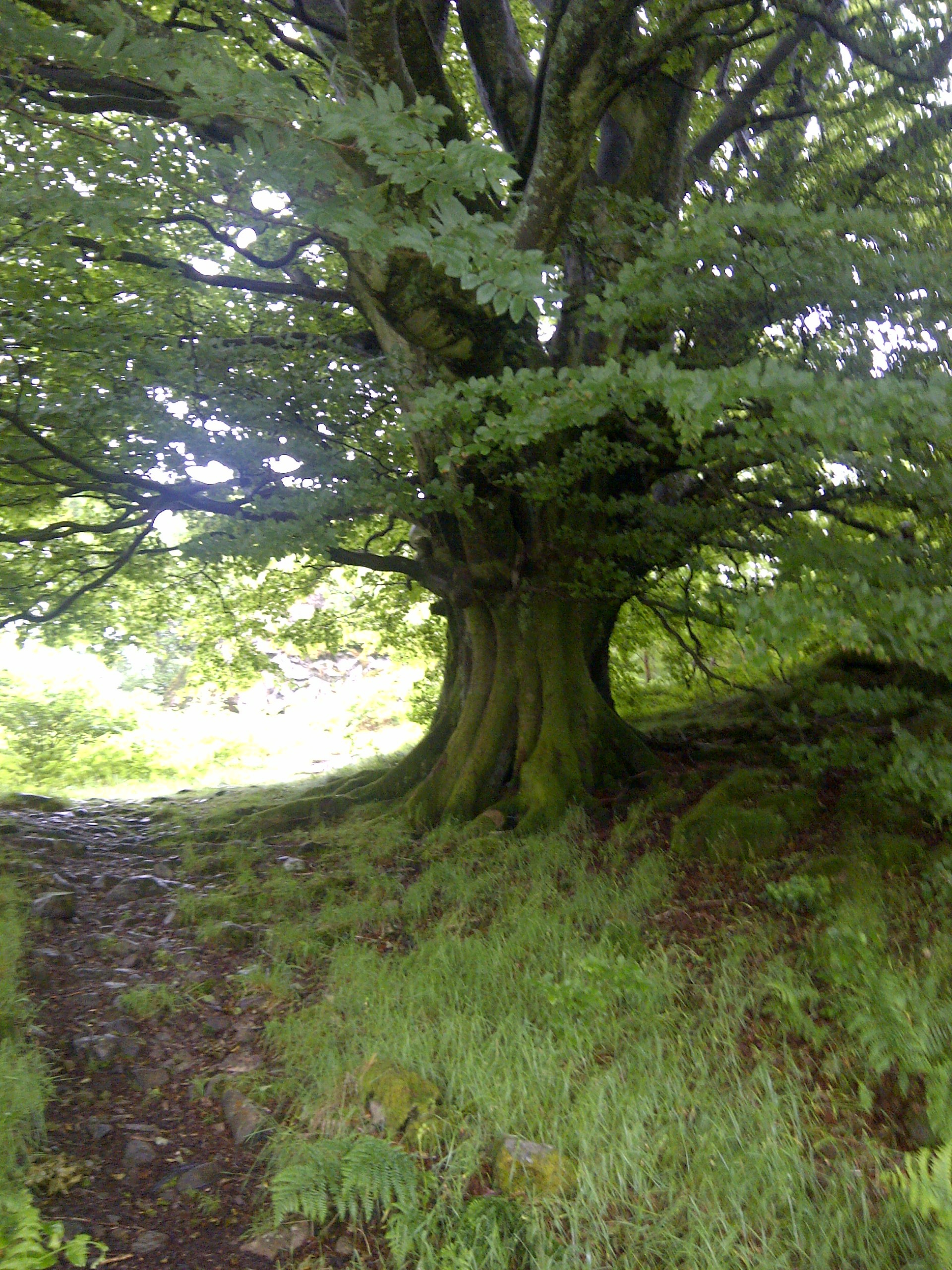
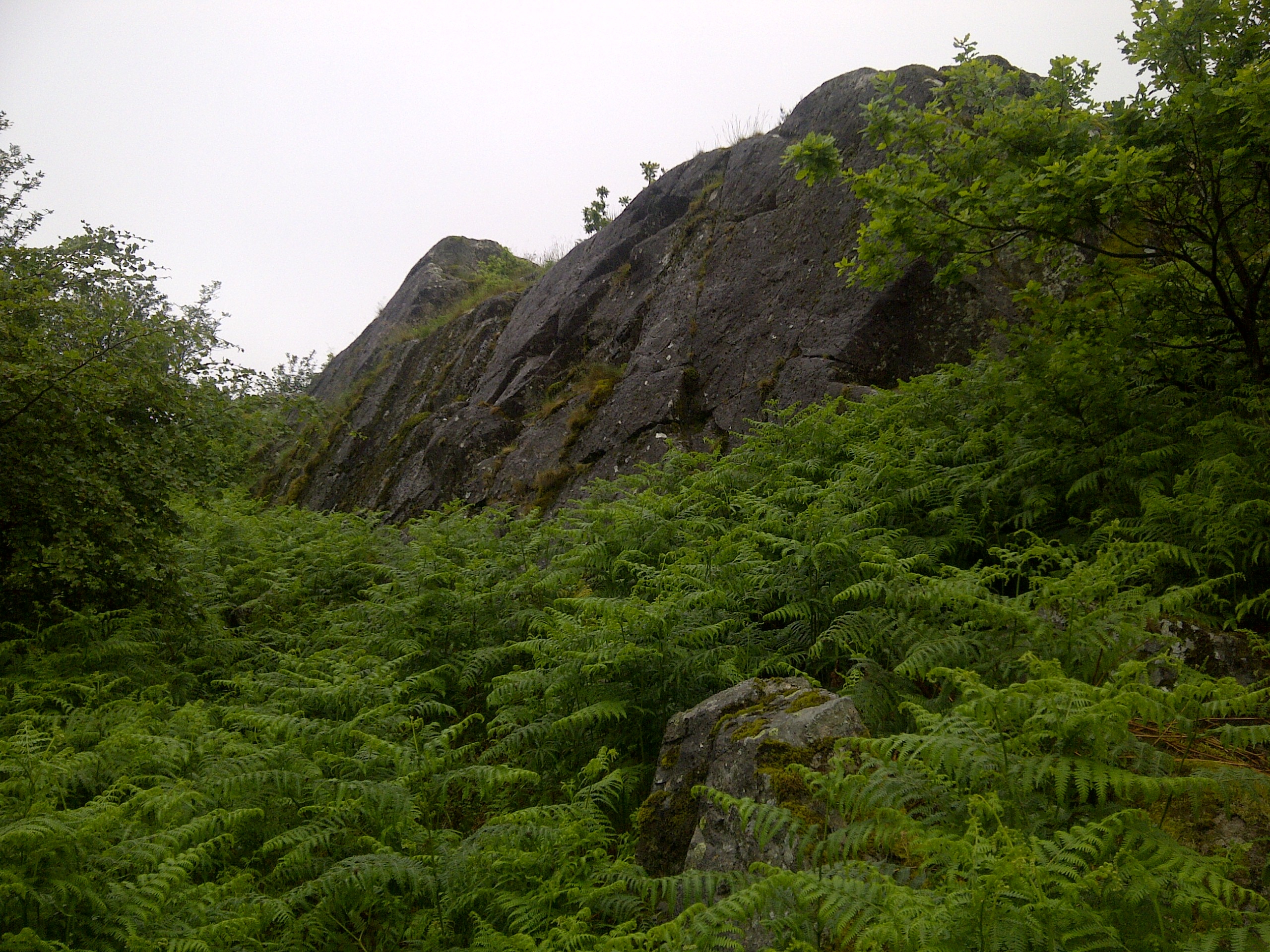
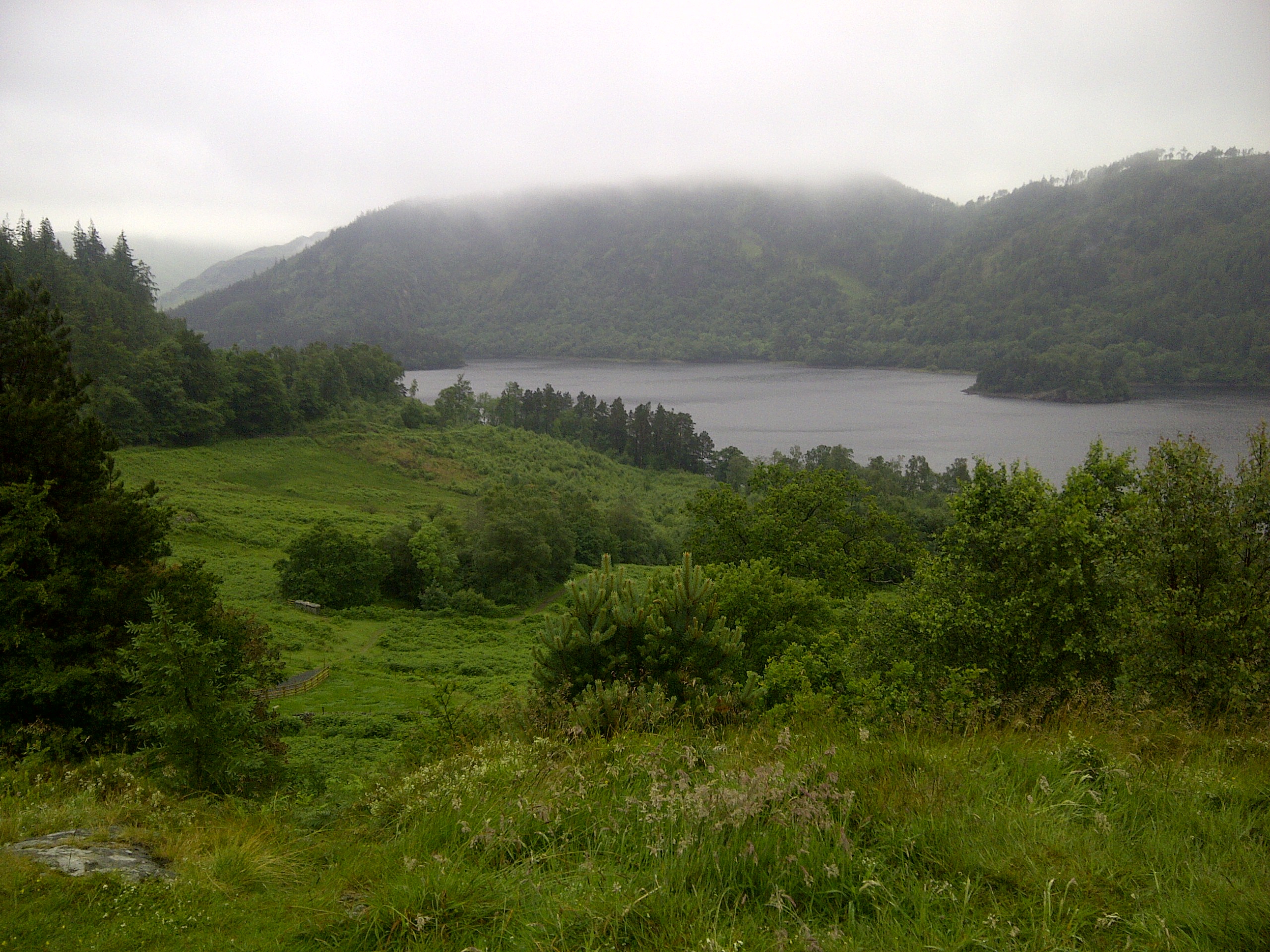
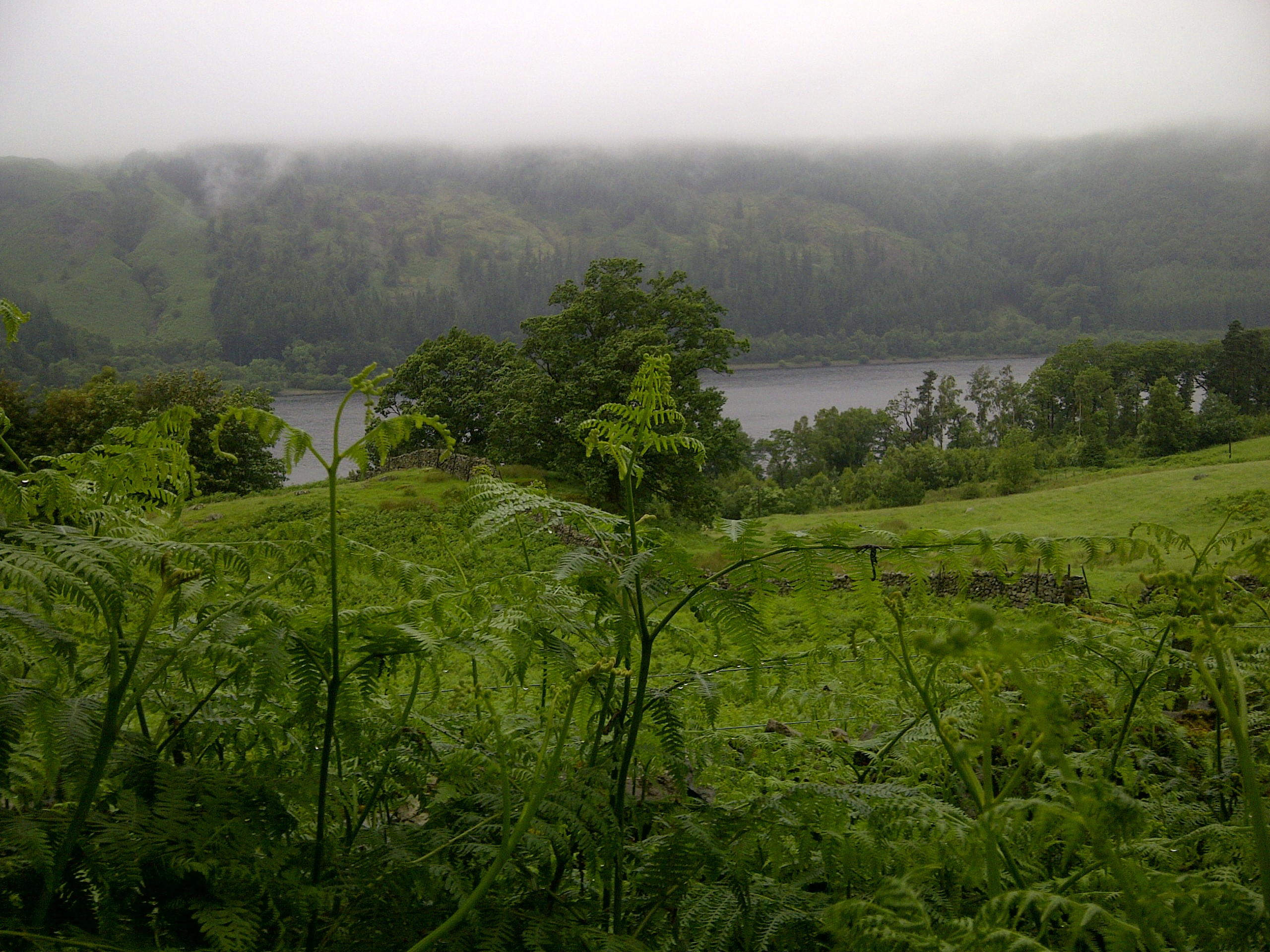
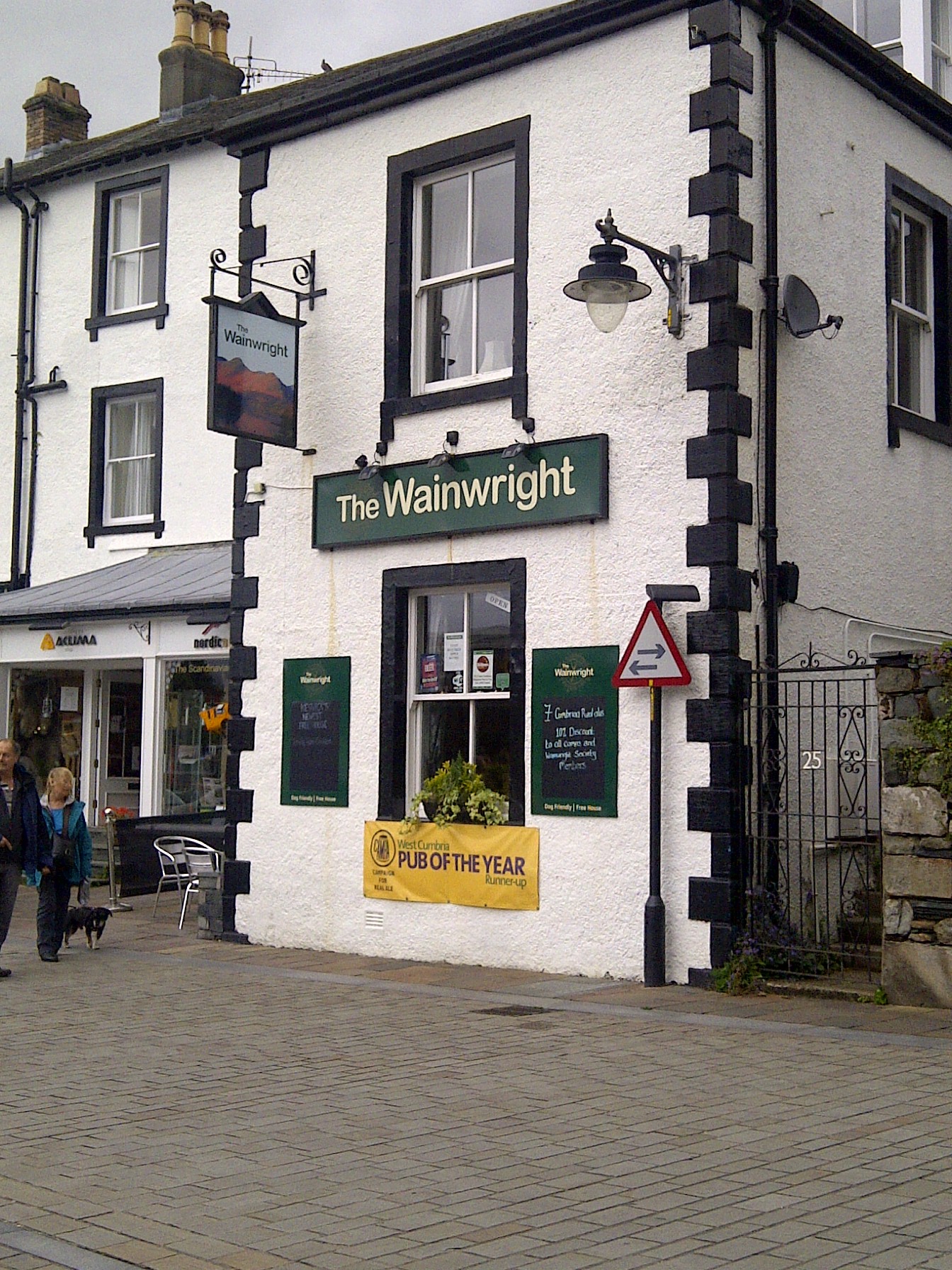
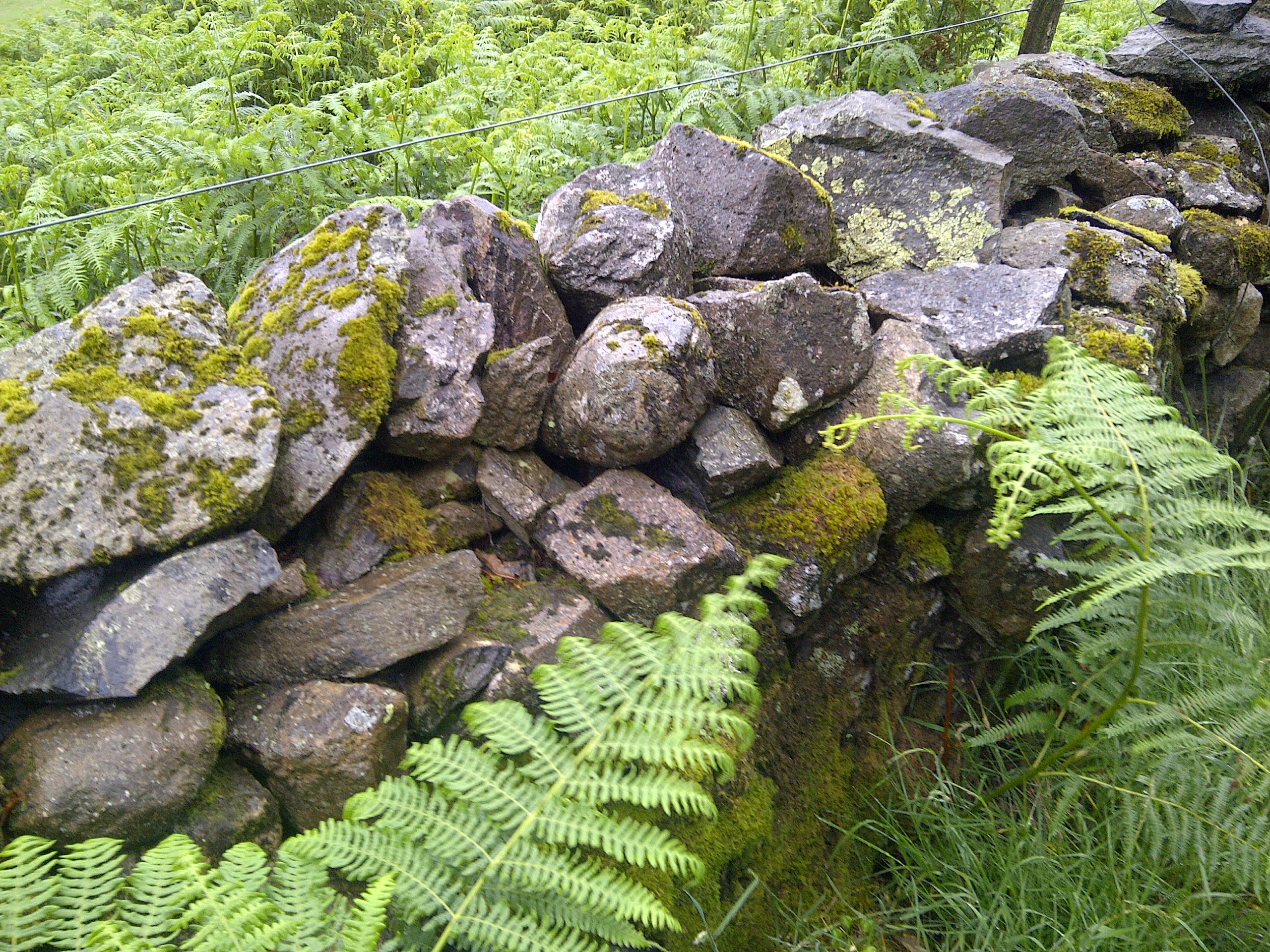
I’ve just had a holiday in the English Lake District. Here are some photographs I took there.

Please leave a comment in the comments section. I love hearing from you.

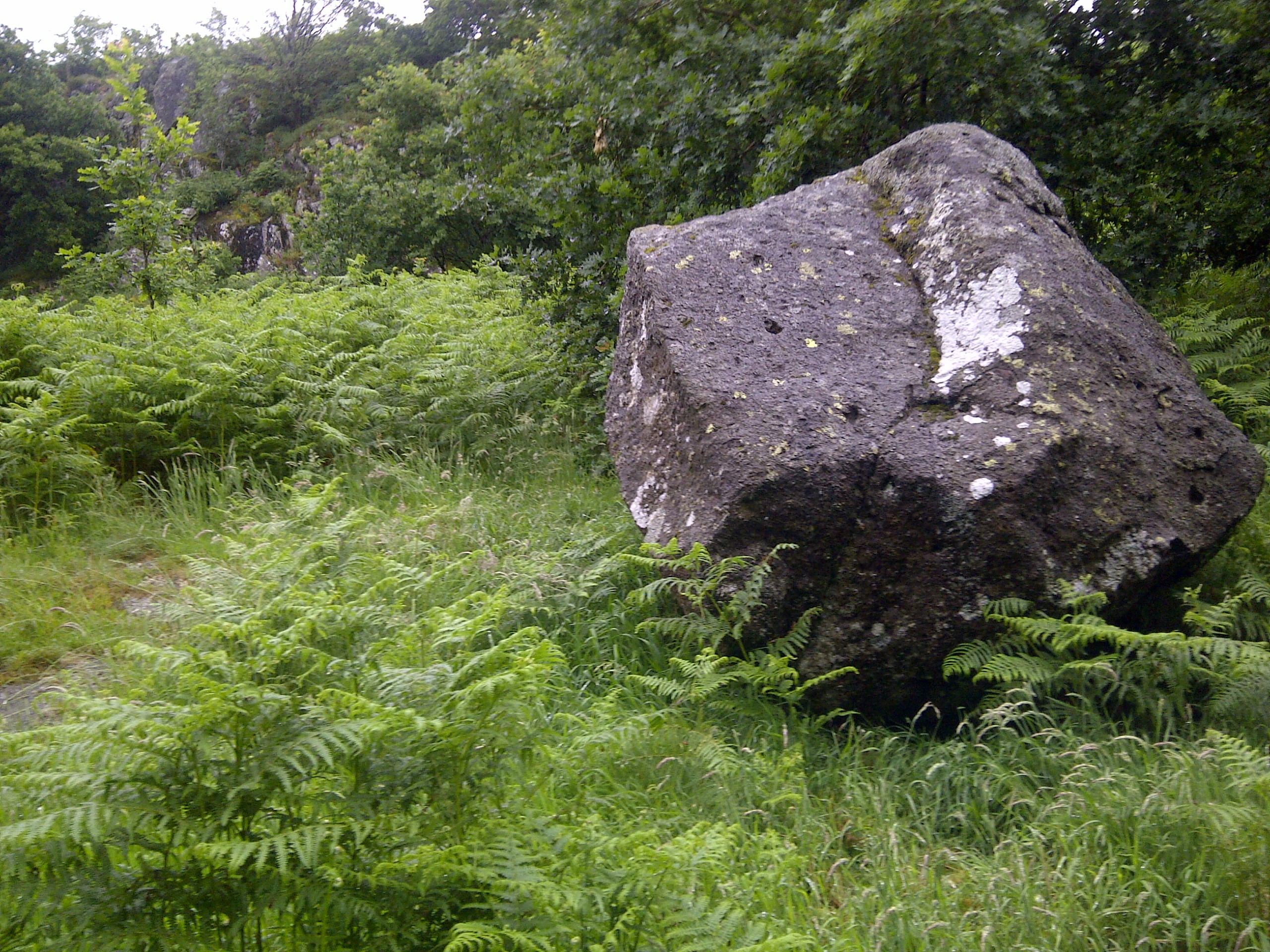
boulderthirlmere

brokenseatlakes

hopeparkkeswick

keswickstreet2

keswickchurch

keswickstreet1

foxglovesthirlmere

oaktreethirlmere

rocksthirlmere

thirlmere1

viewthirlmere

wainrightpubkeswick

walllakes

Some of my photographs

Today is the 5th Tuesday in the month, so I’m doing something different. I’m posting some photographs I’ve take.

As you can see, they are rather old ones. they are all of places in Brittany.

I hope you enjoy looking at these photographs as much as I enjoyed taking them.


Please leave a comment and I’ll get back to you.


22 reasons to vote Remain

europeanunionflag

I am concerned at the possibility that the UK will vote to leave the EU on Thursday. While I acknowledge that there are things wrong with it, I really don’t think that in the world today it is sensible to decide to ‘go it alone.’
 I believe this for the following reasons.

 The EU is the biggest free-trade group in the world. We are a very small country that thinks it’s a big one. Should we turn our backs on this huge market? Yes, we will still be able to trade with them, but it will be on their terms. We won’t have any say in things. We will still have to meet their requirements without any input into what those requirements are. Not a sensible thing, really when we can stay in and argue our case.

normal_Continent_europe
 There have been luxury houses built in London. They were mainly being bought by the rich Chinese, I understand, but this market has slowed considerably since the referendum has been mooted. The rich foreigners are hanging back to see what happens. They see the UK as a way into the European market, that I have already said is a huge free trade area. If we pull out of the EU, they’ll pull out of the UK. Big international companies already hear will most probably pull out. I heard of one company, I forget which, that is already looking at the possibility of moving to France.

££££$$$$££££$$$$££££$$$$££££$$$$££££$$$$££££$$$$££££$$$$££££$$$$

 Investment will go down. People and companies won’t want to invest in the UK without the access to the European market, so jobs will be at risk.

 The NHS is a big argument. The ‘leave’ people say we can invest the money we give to the EU into the NHS. Actually, I don’t believe that will happen. Some maybe, but it will be a drop in the ocean.

 We don’t have enough nurses, midwives and doctors now. Many come from overseas. People complain about that, but the NHS would collapse without them. It’s all very well saying ‘Train more’, but if people don’t want to go into those professions, then we can’t make them. I personally believe that part of the reason is the litigation culture that is building up in this country.

 Mark Carney, the Governor of the Bank of England is someone who should know what he’s talking about. He says that leaving is the biggest domestic risk to financial stability. When someone, even someone of his stature says something like this, the ‘Leave’ people just say. ‘Oh no it won’t,’ but have nothing to say to back up their argument.

 The TUC General Secretary says leaving would have ‘massive implications for jobs, rights and the very fabric of the UK. If you take that floor away, workers will be worse off.’ I’m sure she will have done her research before making that statement.
 One of the best brains in the country, Stephen Hawking, says that leaving the EU would be a disaster for Science.

 In the EU we have co-operation between many police forces and so criminals can be tracked over borders. Do we want to lose our criminals if they cross the channel, or do we want them brought to justice?

 If the vote is ‘Leave’, then the Scots will hold another independence referendum. I believe that this time they would vote for independence because the majority of Scots want to remain in the EU. The UK would then be split up. Would this then have a snowball effect and cause Wales and Northern Ireland to break away too? I don’t know, but it’s possible.

 The biggest argument of the ‘Leave’ campaigners is immigration. ‘Take back our borders’ they cry. Now, I think that we do have to limit immigration. The number of people in this country is getting too great, but I don’t think that leaving the EU would make much difference.

 I was born in England. My ancestors as far as I can trace were all born in England or Wales. Yet when I return from a foreign holiday I have to show my passport to re-enter my own country. This summer I crossed eight borders and the only time I had to show my passport was to return to the UK. We are not part of the Schengen agreement about free movement. Leaving the EU won’t stop people from trying to board lorries and get here illegally, nor will it stop people from trying to come legally. Anyway, we only seem to be concerned about those people from Eastern Europe, yet we employ them to do work in our homes because ‘they are cheaper and work harder.’ How’s that for hypocrisy?

 They (the immigrants) only come here for benefits people say. Not true. Most come here to work or study. (Did you know that anyone who stays here for more than a year is counted as an immigrant, even if they are only here for a few years to study?) Most of these people are young and so don’t use much of our NHS provision. A UK national is also more likely to apply for, and get, benefits than those who come in. Immigrants now have to work for 4 years, and pay into the system, tax and National Insurance, before they can claim any benefits, including child benefit. Child benefit for children living abroad has been stopped.

 0.1% of the EU migrants are claiming benefits or tax credits, while 22% of the working-age population is claiming, so they are a very small number. (calculated from Nomis, official labour market statistics)

 Over 3 million UK jobs are linked to trade with the EU. That’s one in every 10 jobs. (The Treasury)

 If we leave the EU, UK households would be £4,300 a year worse off. (The Treasury)

 We save over £350 a year on lower prices in UK shops by being in the EU. (Centre for Economic Performance)

 Workers’ Rights are protected by EU law, including maximum working hours, parental leave and rights for part-time workers.

 This is my personal opinion. I haven’t got any statistics for it. I think, though, that food prices will rise if we leave. This is because the EU gives our farmers a subsidy of £2.4 billion. There is still a commonly held belief that farmers are all wealthy. Now I wouldn’t deny there are wealthy farmers. Of course there are, just as there are wealthy people in other walks of life, but the average farmer is struggling to remain in business even with the subsidy. (Dairy farmers barely get the cost of production, and a few years ago they were making a loss.) If farmers are forced out of business, then more of our food will have to come from abroad, thus putting up prices, and incidentally, due to increased mileage it has to travel, pollution.

 What about tourism? If we come out of the EU, there is a high likelihood that holidays abroad will be dearer. This is because of a forecast fall in the pound of 12%. This will increase flight costs as well as the cost of accommodation.

 We will lose t he EHIC card. This card ensures that travellers with it can access health care abroad. If it goes, people will have to take out their own insurance and if they are ill, pay up front and then claim the money back.

 The British economy stands to lose £4.1billion per year from loss of tourism from the EU. That’s a lot of money.

I advise people to think very carefully before voting. If we vote ‘out’ it will be final. The EU won’t want to have us back. Voting ‘out is a jump in the dark.