All posts by V.M.Sang

I was born and educated in the north west of England. I trained as a teacher in Manchester and taught in Salford, Lancashire, Hampshire and Croydon. I write fantasy novels currently. I also make cards, knit, crochet, tat, do cross stitch and paint. I enjoy walking on the Downs, cycling and kayaking. I do not enjoy housework, but like cooking.

Review of Devilfire Book 1 of American Hauntings by Simone Baudelaire

Overview.

This exciting paranormal romance is set in Texas in 1886. Quite a page turner. There is some explicit sex, but not too much. 

I am pleased to see that it is book 1. That means I can spend more time with these characters, and see how they continue their development, and if Gavin can come to terms with his own unacknowledged talent.

Although I don’t usually enjoy graphic sex scenes, there wasn’t too much in this book and it didn’t bother me. What I can’t stand is what seems to be a story simply to carry the sex scenes.

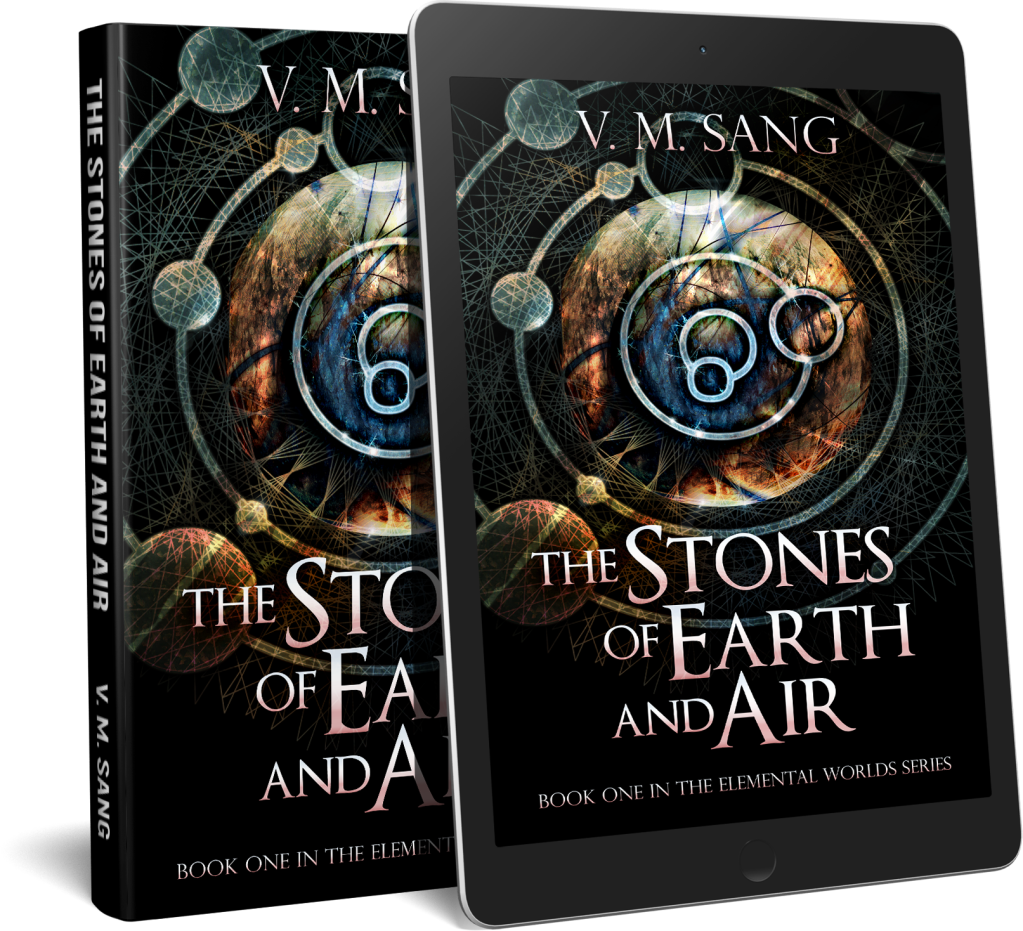
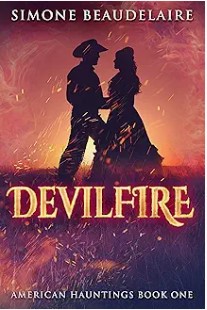
And I love the cover.

It is an excellent read.

Blurb

Texas, 1885

In the aftermath of a deadly fire, Dr. Gavin Morris, on hand to render aid to the few survivors, runs into someone he does not expect. Medium Annabelle Smith has arrived to help the dead cross over. Despite the grim work, the two find themselves immediately drawn to one another.

But this one chance encounter does not end their unexpected connection. Time and again, fate draws them to scenes of destruction, until they can no longer pretend that the fires are natural…and cannot deny that their connection also transcends the ordinary.

But Annabelle is not all she appears. One of her many secrets may be what saves them… or what ultimately leads to their deaths. Are Gavin and Annabelle doomed to burn with more than passion?

This western historical/paranormal contains strong religious themes and graphic sex scenes.

Story.

A mysterious fire breaks out in the southern states of the US destroying a complete village and killing most of the inhabitants.

Doctor Gavin Morris is trying his best to help the dying and injured when he meets Annabelle Smith. She appears to be speaking to the ghosts of the dead.

Gavin does not believe her, but she explains how she has been called here to help the dead on their way. She is emaciated and obviously poor, so Gavin feels sorry for her and wishes to help.

Not to give too much away, there are more inexplicable fires, and the pair decide to investigate. During their investigations they grow closer. 

They find themselves in a terrifying situation, being stalked by an entity far more frightening and dangerous than the ghosts.

Characters 

I liked the main characters. They had their struggles with both the paranormal and the romantic feelings developing between them. 

They developed nicely throughout the novel, with Gavin reluctantly accepting Annabelle’s work, and the fact of the ghosts.

Secondary characters were also well developed, including the ghosts, some of which had to be told they had died. They also kept their worldly characters, especially one rather unpleasant woman.

Writing

I thought that Ms Beaudelaire gave us a clear feeling of both time and place. I had a clear picture in my head of every setting, and believed in the characters.

No grammatical mistakes, nor typos.

I give this book 5*

  My ranking of books. In order to get a particular number of stars, it is not necessary to meet all the criteria. This is a guide only.

5* Exceptional. Wonderful story. Setting well drawn, and characters believable–not perfect, but with flaws. Will keep you up all night. No typos or grammatical errors.

4* A thoroughly enjoyable read. Great and original story. Believable setting and characters. Very few grammatical errors or typos.

3* I enjoyed it. Good story. Characters need some development. Some typos or grammatical errors.

2* Not for me. Story not very strong. Unbelievable and flat characters. Setting not clearly defined. Many typos or grammatical errors.

1* I hated it. Story almost non-existent. Setting poor. Possibly couldn’t finish it.

Have you read any of Simone Baudelaire’s books? This is the first one I’ve read of hers, but will certainly be looking out for more.
Memories. Washing Day

Image by David Grimshaw from Pixabay

I was putting my washing on the other day and suddenly thought about how washing clothes has changed since my grandmother’s day.

This wasn’t in the 1900s, but the 1950s that I remember.

My grandma had what she called a ‘dolly tub’. This was a metal barrel with an open top. I don’t really know what it was made of, but probably galvanised zinc. At least, that’s what it looked like.

First she would boil some water, then pour it into the tub. This would take several pans as she didn’t have a boiler.

Earlier we’d grated soap. There was no such thing as washing powder, which, of course, is a detergent, not a soap. The soap was allowed to dissolve in the hot water before the clothes were added.

She then used a ‘posser’ to pound the clothes. This was hard work. Her posser was copper, but earlier ones were wood. These wooden ones looked a bit like a three-legged stool (but with more legs) on a long handle. Grandma’s was like an upturned bowl with a lid and holes drilled in it to allow water to escape.

If clothes were particularly dirty or stained, she would rub them on a washboard with more soap and perhaps a scrubbing brush.

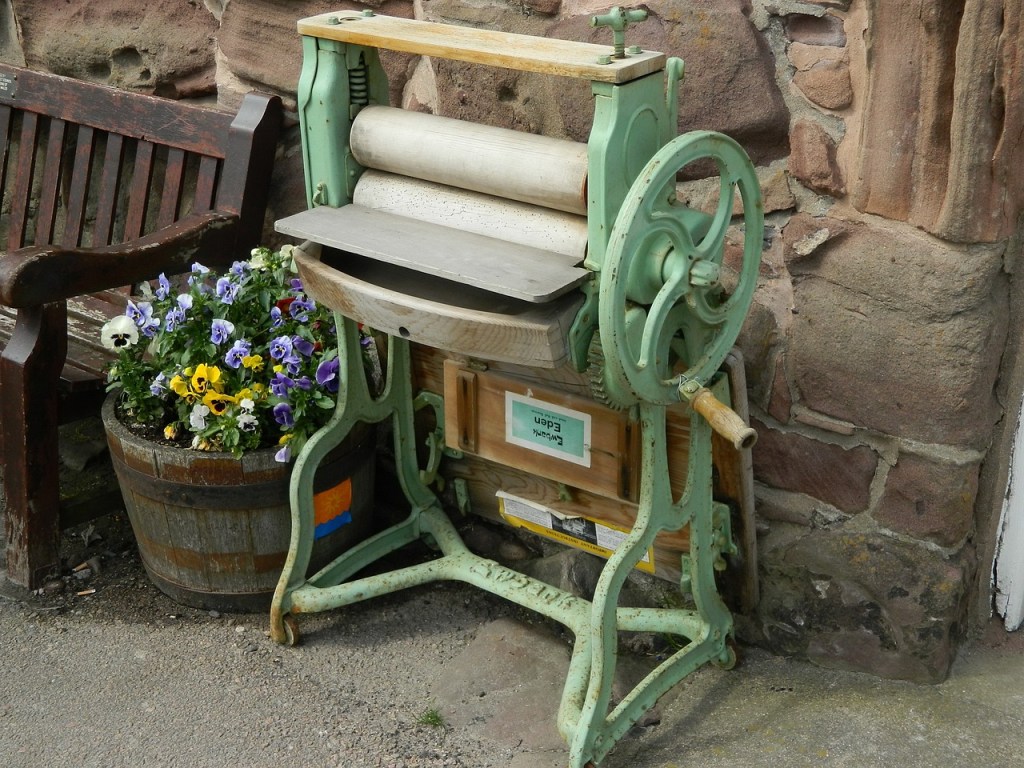
After the clothes had been pounded clean, they were put through the mangle. This had to be turned by hand, and it squeezed the excess water out.

Then the dolly tub was emptied and clean water added. The clothes were put back and once more possed to rinse the soap out. They had to be rinsed at least twice, preferably more. Once again passed through the mangle. 

When all this was finished, grandma put out the clothes line and hung the washing on it. Pushing it up with a clothes prop, which was a long piece of wood with a v cut out at the top.

Washing day was a strenuous day in those days.

Then she got a washing machine.

Unlike those of today, it loaded at the top and had a paddle to churn the clothes. No more strenuous possing. It still had a mangle on the top, but it was run by electricity and not by hand turning a wheel. Clothes still had to be hung out in the garden to dry though, or hung on a clothes horse around the open fire if the weather was wet..

Washing took a whole day. No wonder women in those days stayed at home and didn’t go out to work. No labour saving devices!

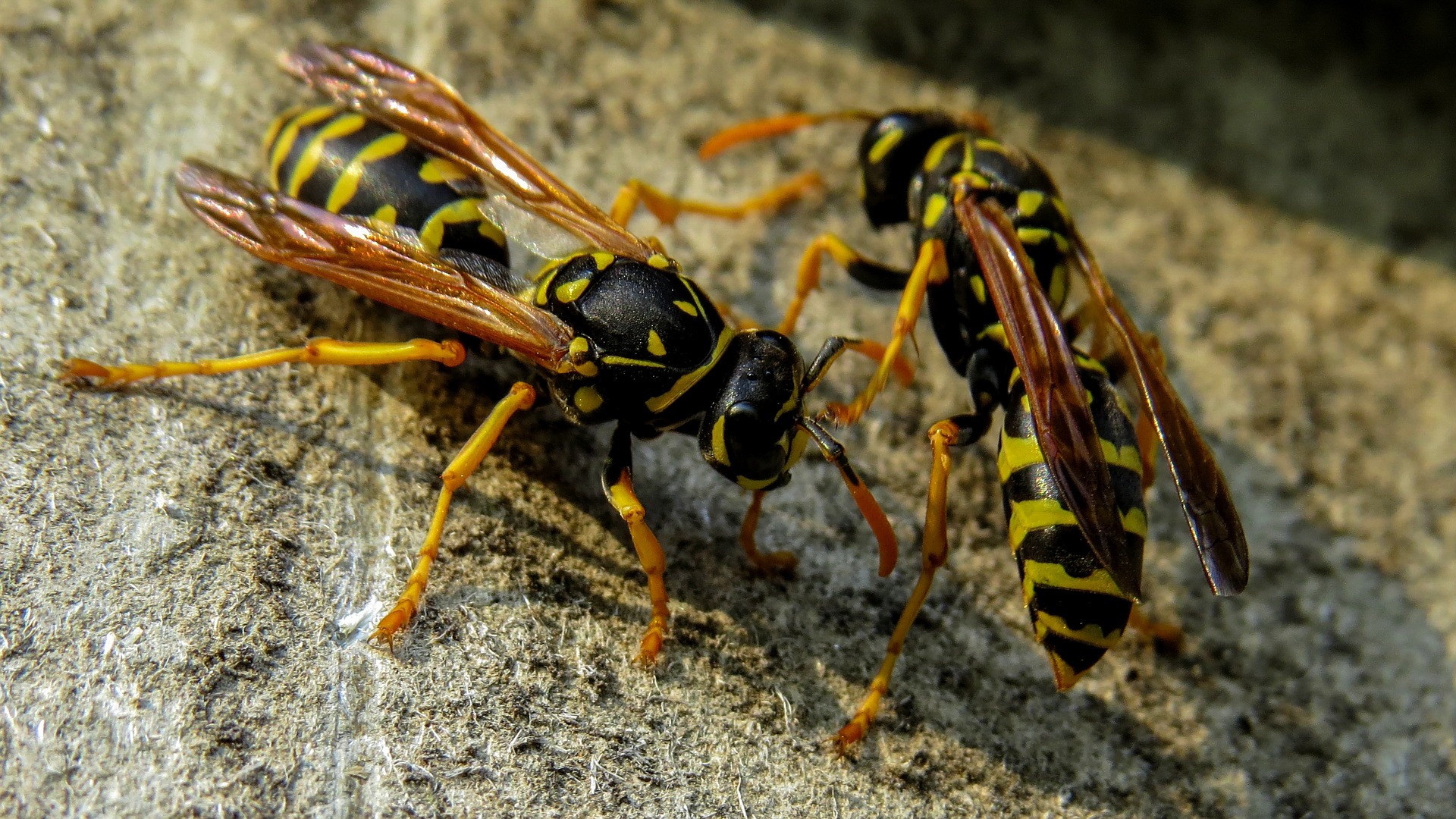
In Defence of the Wasp

wasp-2300988_1920

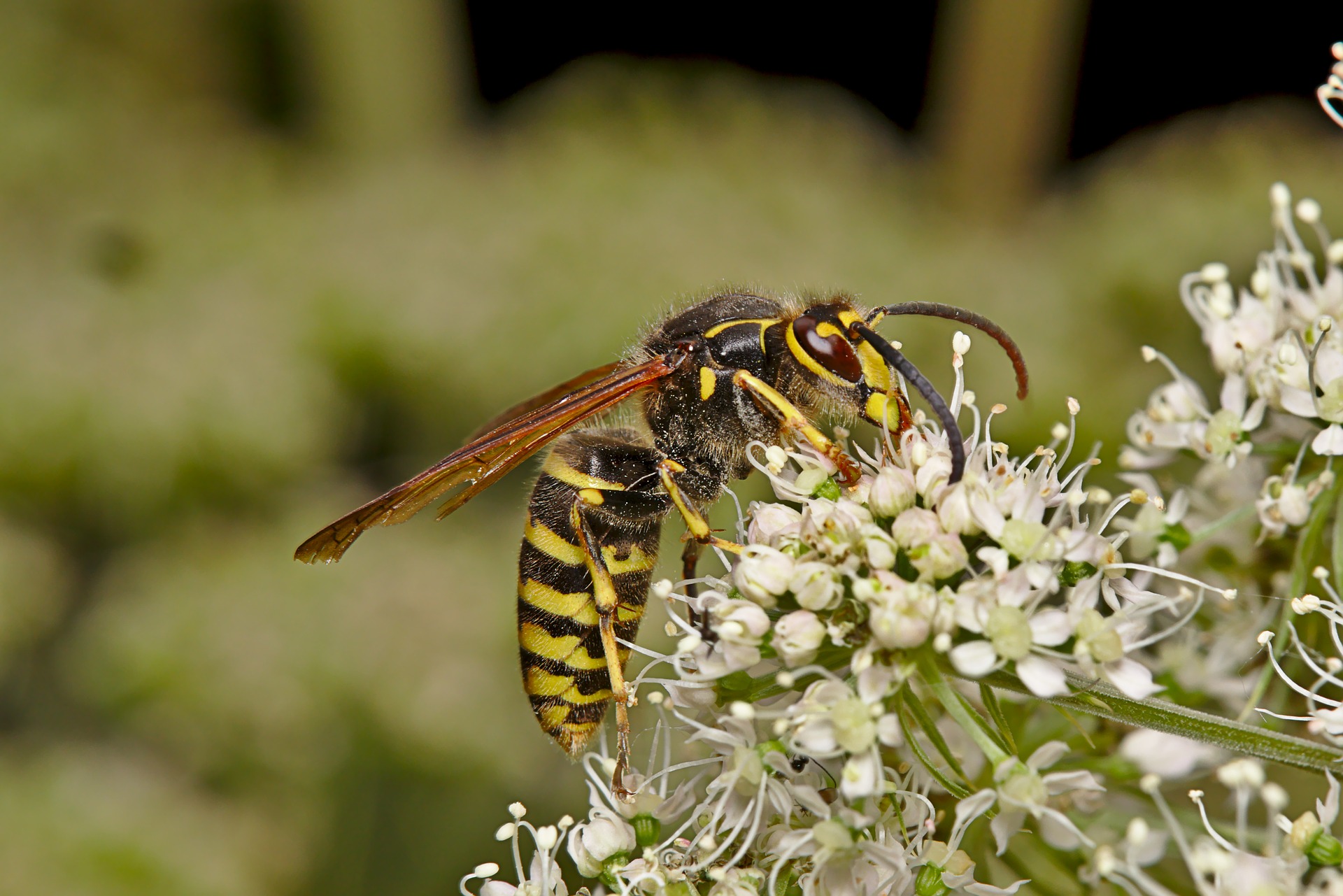
This morning I was watching a wasp flying around the flowers in my garden. It wasn’t bothering me, just going about its business, gathering nectar.

I remembered that I’d posted about wasps at an earlier date, and so decided it was time to repost it. So here it is!

I’ve decided to do a post about a much maligned insect. The Wasp.

We all know the nuisance black and yellow striped creature that buzzes round us when we want to eat outside, and I’ve heard it said, ‘What is the purpose of wasps?’

Well, here it is. Something that I hope will help to mollify your thoughts on the creatures.

I was brought to thinking of them last September when I got stung. In all fairness, it wasn’t the wasp’s fault. Well, not entirely, anyway. I saw one in my daughter’s bathroom and decided to let it out of the window. I failed to get it out, and it must have ended up on my clothes, just under my arm. When I put my arm down, it stung in self defence. Still, it didn’t half hurt, and continued to do so for days!

What we think of as wasps (and hornets), those black and yellow terrors of picnics, are not the only insects to be classified as wasps. Wasps belong to the order of insects called Hymenoptera and there are over a hundred thousand species.

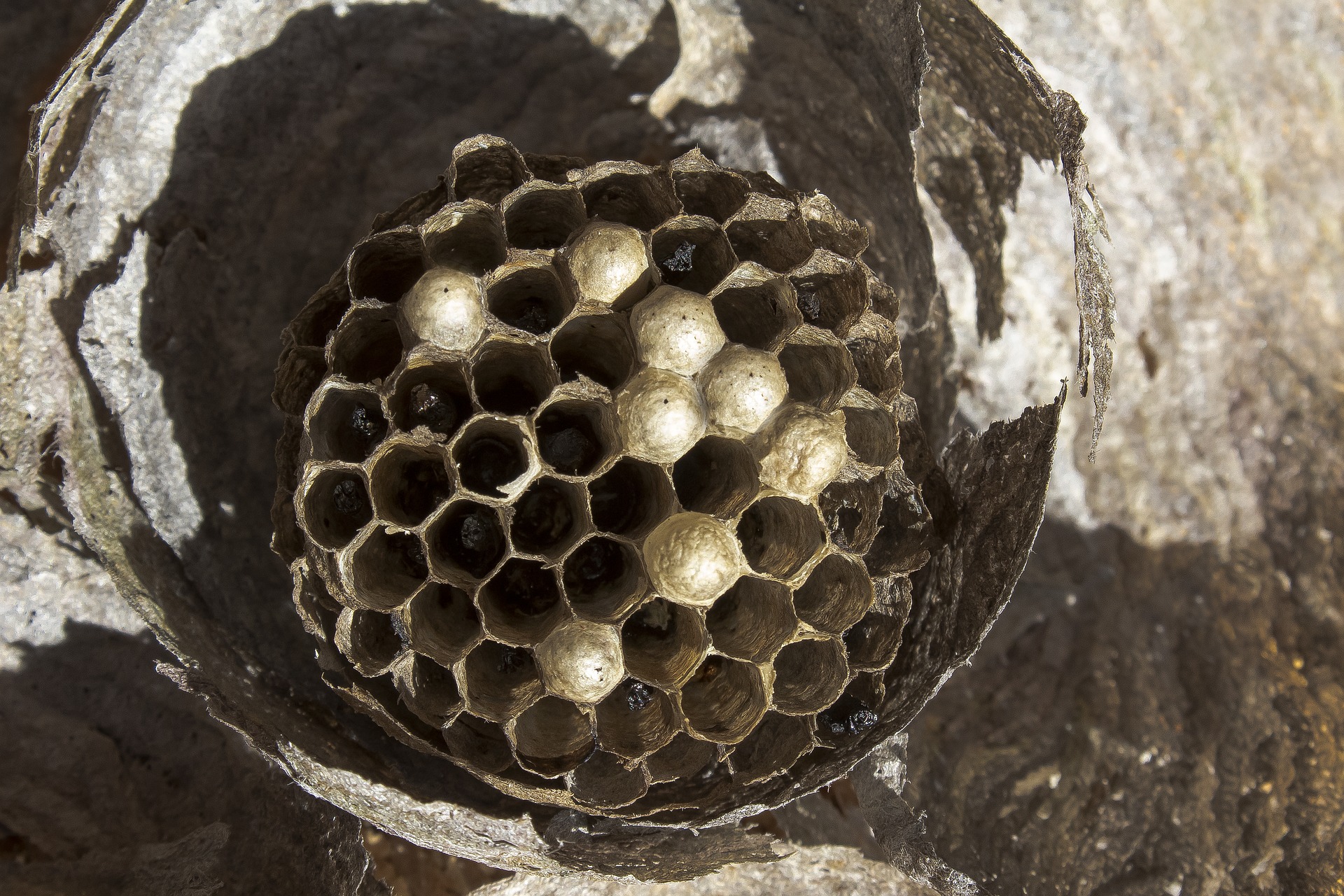
The black and yellow terrors are communal insects. They build nests of a papery substance created from wood. It usually begins in the spring when a queen lays eggs that hatch into workers. The workers are all female, and their ovipositors are what have become their stings.

Each spring, a new queen that has hibernated over winter, begins to build a new nest, built of wood she has chewed and mixed with saliva. Then she lays a few eggs. She has to forage herself for food for the hatched grubs until they become adult worker wasps.

the-hive-3724761_1920

These wasps only become a real nuisance in the late summer when the queen has stopped laying and no more workers are being produced. They search for food—sweet, sugary substances usually—and that is when they come into contact with humans.

And we don’t like it.

Most of the rest of the year, they are happily capturing insects and feeding on nectar from flowers. In fact, they are important pollinators. Not something most people know, but with the problems with the bee population recently, perhaps we should consider them more kindly.

wasp-3603869_1920

Most wasps are not social, though, and live a solitary life. Some live in communities, with nests close to each other, but do not interact, except to sometimes steal each others’ prey. Some species actually build communal nests, but each adult wasp has her own cell, and there is no division of labour or community work. The females each catch and feed their own grubs.

The prey of these wasps is spiders and insects. They feed them to the grubs, which are carnivorous, but the adults usually feed on nectar. As such, they are useful to help get rid of unwanted insect pests.

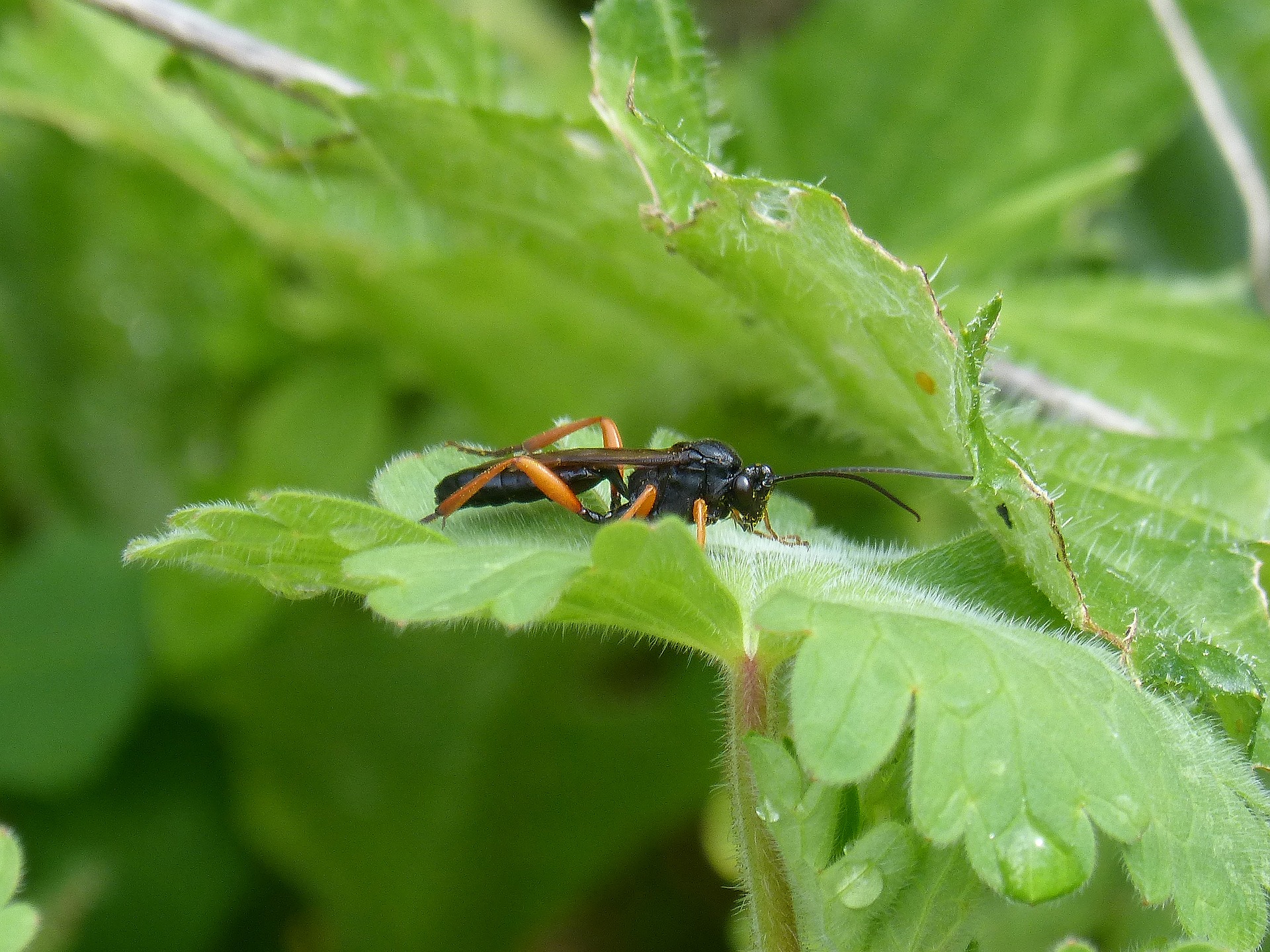
Then there are the parasitic wasps. They lay their eggs in the body of the prey animal. The grubs then eat their way through the insides of the poor creature. Others lay their eggs in the tissue of plants. The plant responds by creating a gall around the growing grub.

ichneumonoidea-2181464_1920


I admit I’m not the most generous of people to wasps. It’s now spring, and the queens are coming out to find a place to build their nests. Just this morning, while I was working at my computer, I heard a buzzing by the open window. It disappeared, but returned soon after. This happened several times and so I got up to investigate. A wasp was clearly inspecting the brickwork around my window. It then had the temerity to enter and start to look around my husband’s computer.

I went downstairs and got the Wasp and Fly killer and zapped it as it went back to the window. (I didn’t want to spray the killer onto my husband’s computer, just in case! I’ve no idea what it might do to it.) I might know they are important predators and pollinators, but I don’t want hundreds of them just outside the room where I work.

So please spare a thought for the poor wasp. They aren’t as useless as you thought.

Please leave your thoughts on the wasp in the comments box. Do you think they are useless, or do they have some use after all?

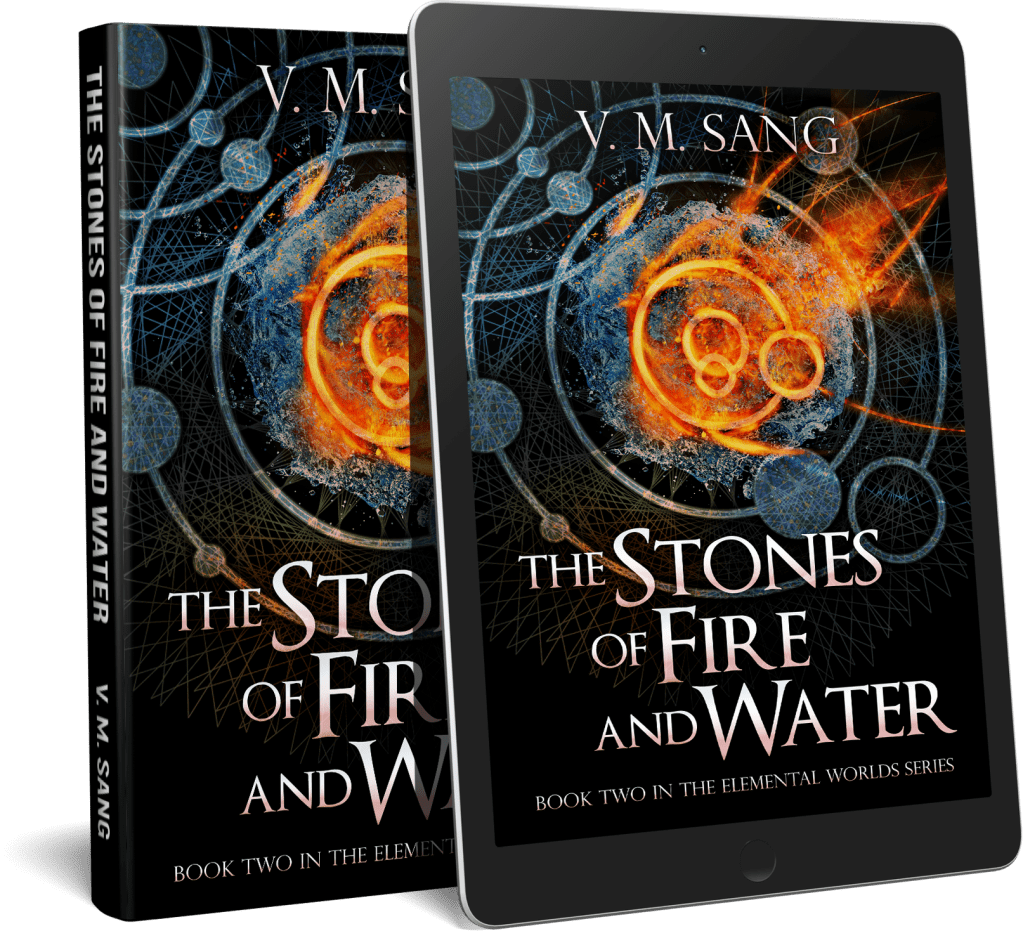
Unmissable Deal: Bestselling Elemental Worlds Collection Now Available at 0.99 ($ or £)

The Elemental Worlds duo has been added to Next Chapter Best Sellers page. I’m thrilled about this.

Amazon ranking:
Best Sellers Rank: 820 in Kindle Store (See Top 100 in Kindle Store)
1 in British & Irish Literature Anthologies
1 in Fantasy Anthologies (Kindle Store)
1 in Fiction Anthologies (Kindle Store)

Currently, the duo is available for the low price of 0.99 ($ or £). Don’t miss this chance of getting two bestselling books. This offer ends next Wednesday, 21th August, so don’t delay.

You can buy the Elemental Worlds Collection by following this link.

Don’t hesitate. Click the link NOW before it’s too late.

The books are available in other formats, paperback and hardback, and also as an audiobook.

See other Next Chapter Best Sellers by clicking here.

A Free Dystopian Novel

A Summer Holiday

I’ve decided to take a few weeks off blogging. It’s summer and time to go out and about.

I’m not managing to keep up with my WIP. It’s ground to a standstill, so I think that if I don’t spend time on writing my weekly blog posts, I might just get some work done on it.

Also, I have an absolutely massive reading list, with the accompanying reviews, and at least 4 medical appointments and a funeral. As the funeral is about 250 miles from here, we’re going to stay with my sister on the night before, attend the funeral and stay with my brother-in-law on our way back.

I will, of course, continue reading and commenting on your blogs.

See you in September.

The Fermi Paradox. Is this why we’ve not found alien life?

I read this post from Chris, the Story Reading Ape’s blog and found it very interesting

What do you think of these ideas?

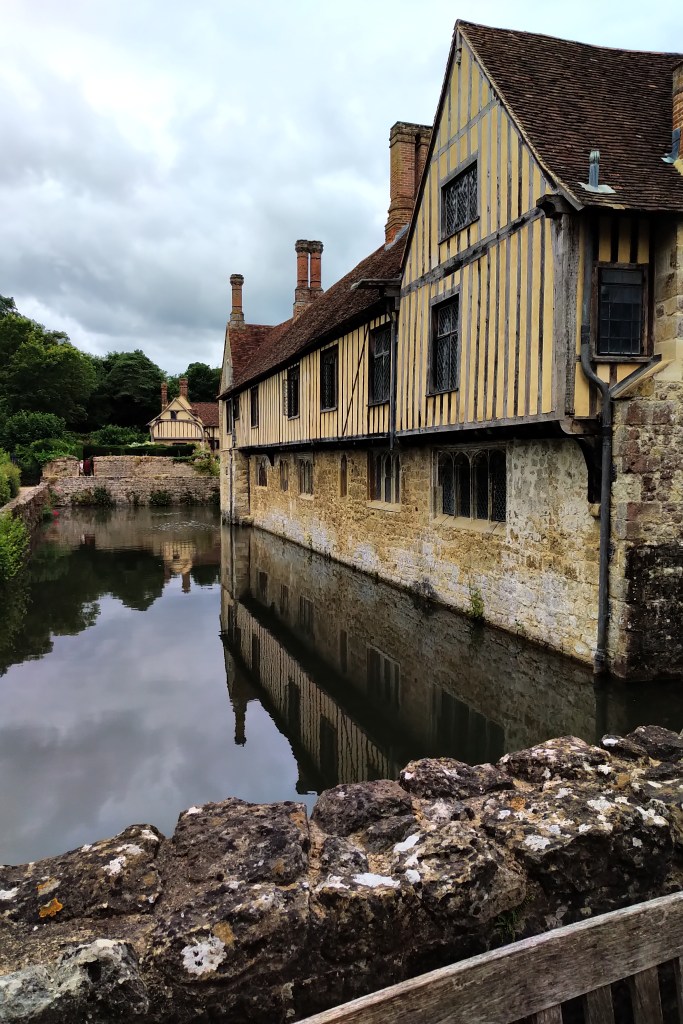
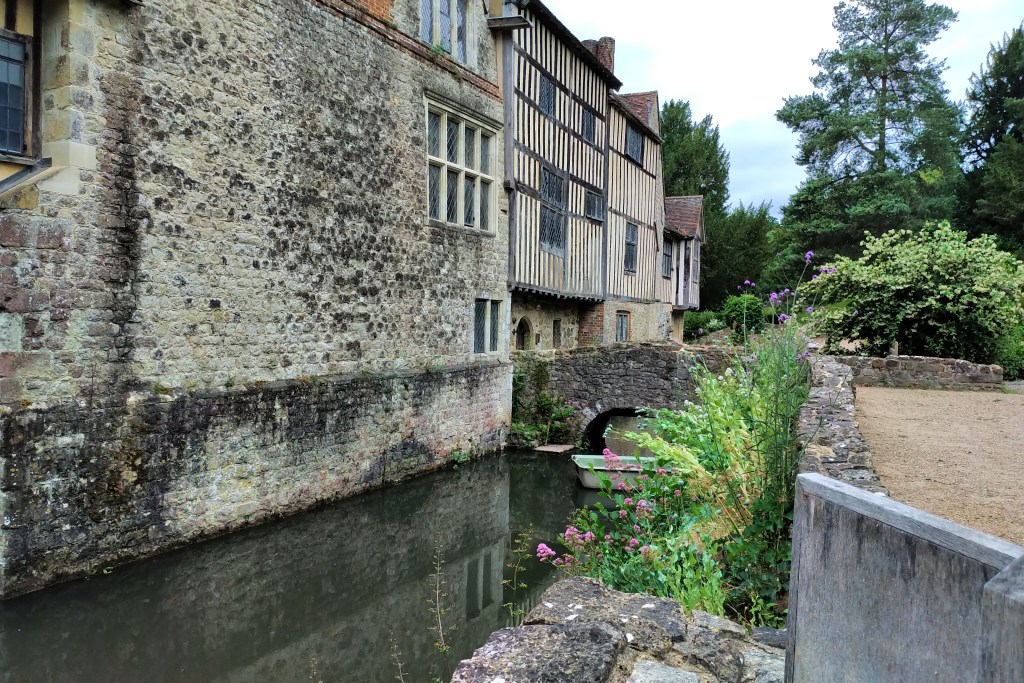
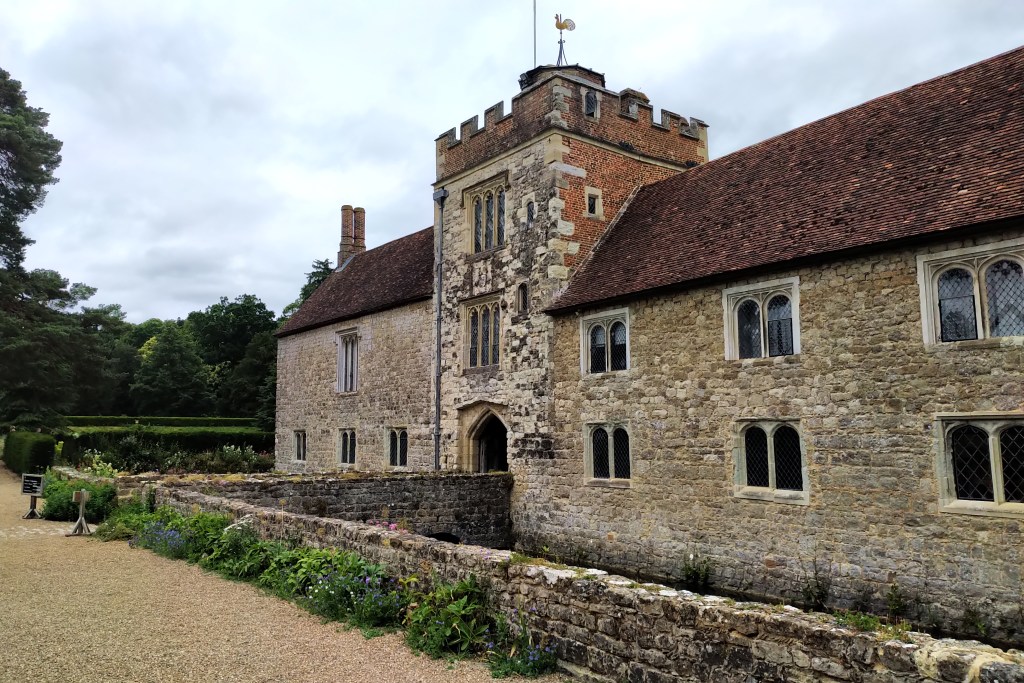
Discover the National Trust Moated House from the 1340s

I wanted to visit this house for some time, so when my brother-in-law and his wife came down last summer we eventually went to visit.

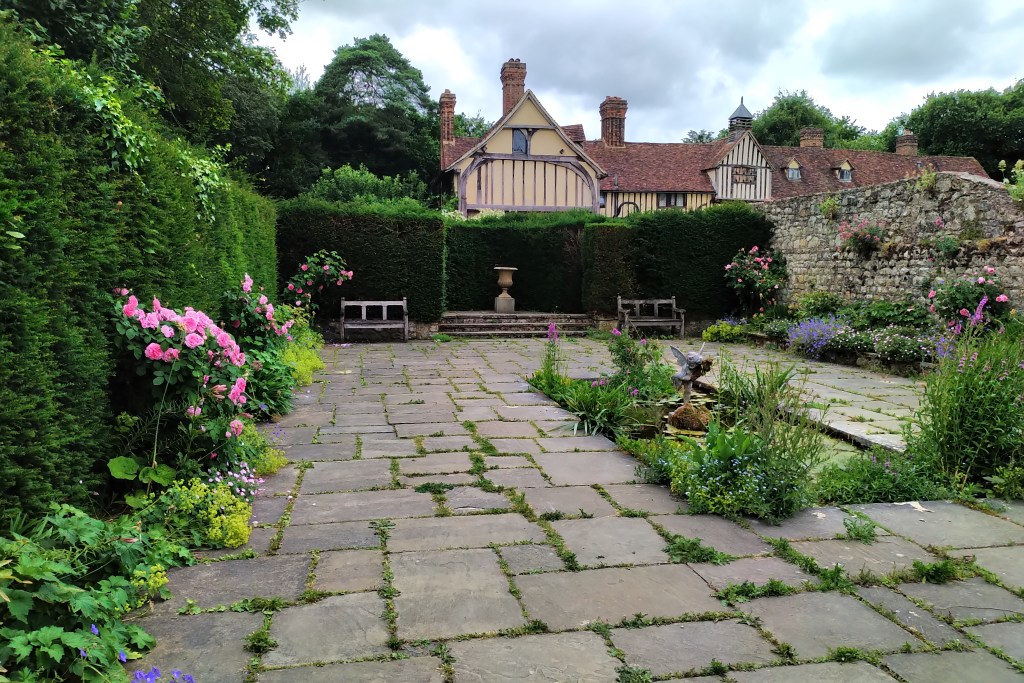
Here are some photos I took.

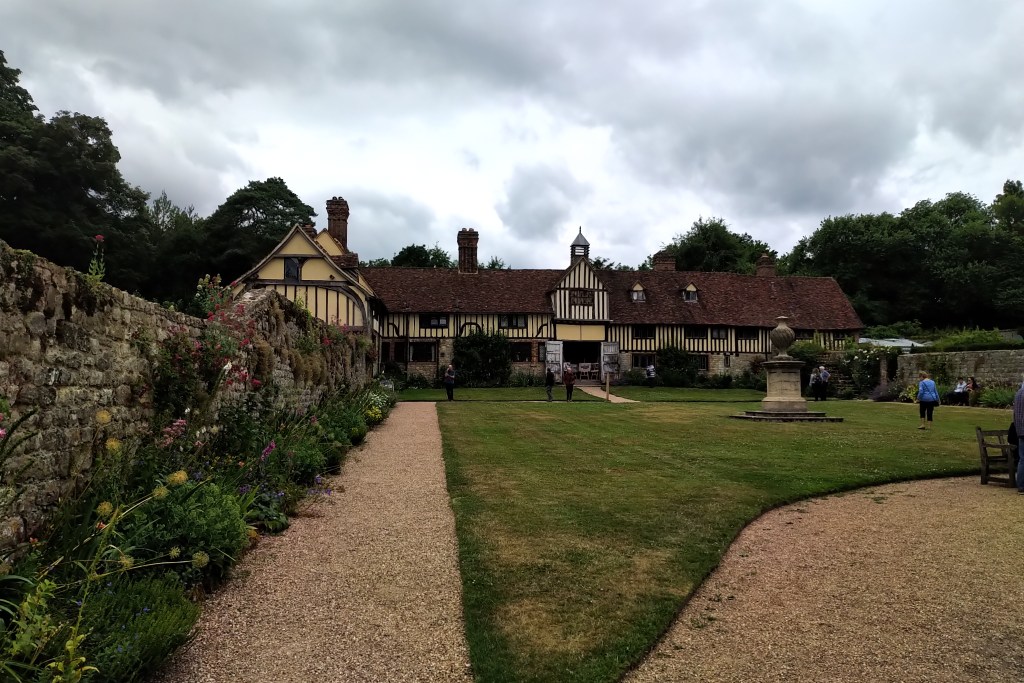
Part of the gardens. Not exactly a walled garden, but the same idea.

This is the entrance

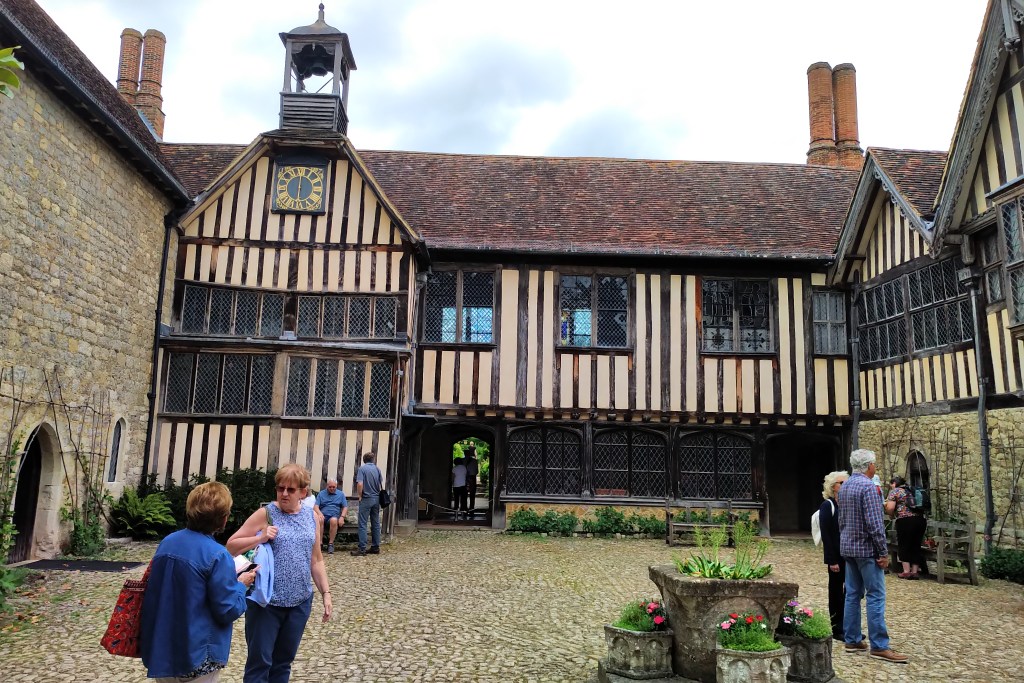
The courtyard, just inside the main gate.

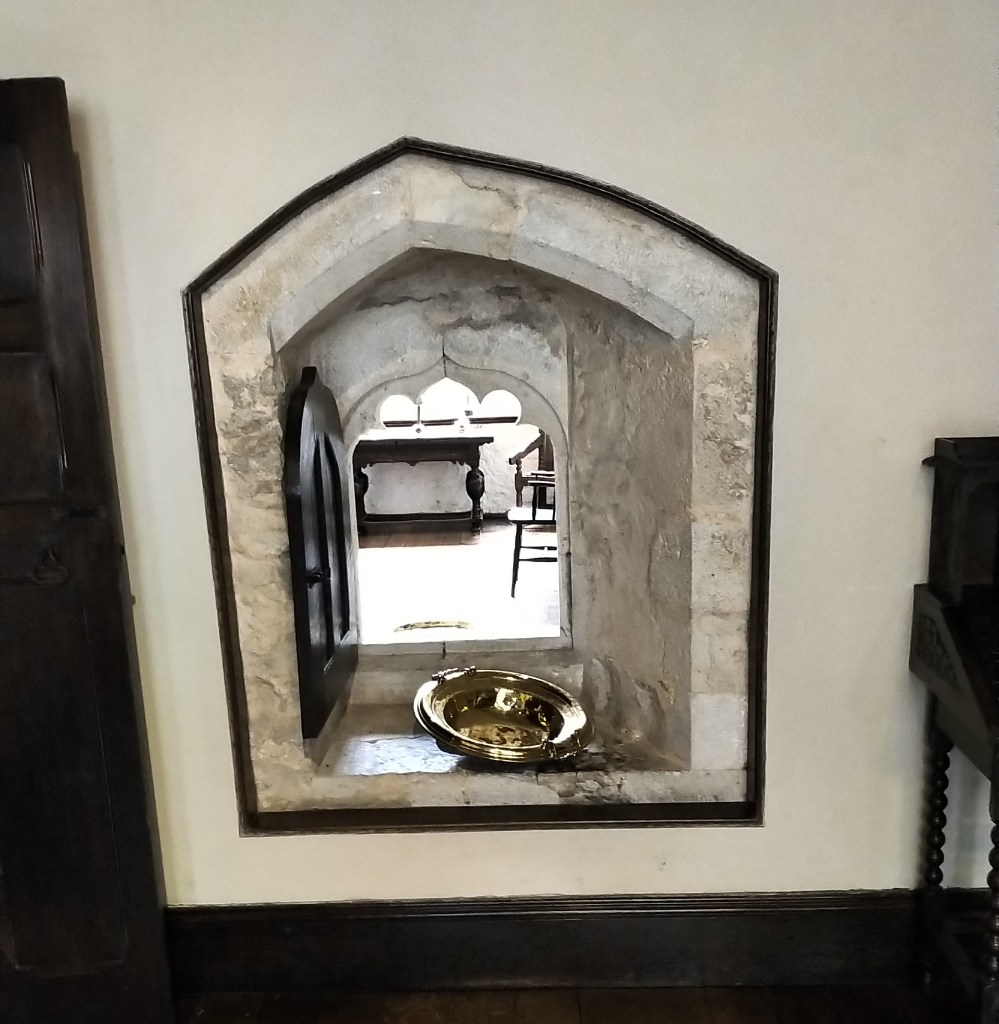
This little window intrigued me. It was from one room to another, but I’ve no idea what it was originally there for.

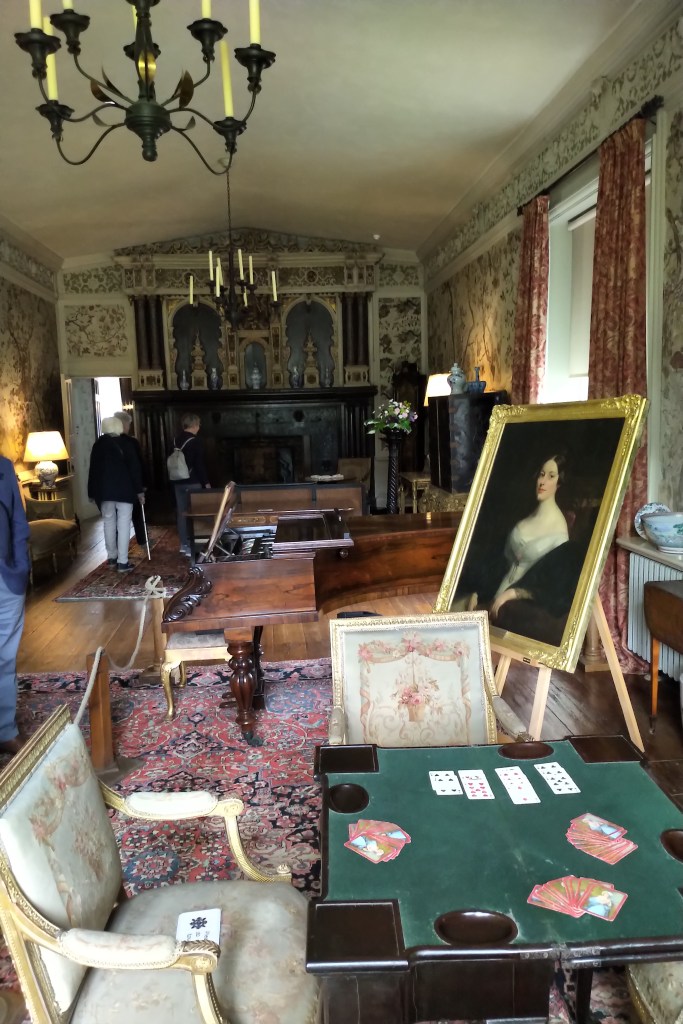
The music and entertainment room.

I took very few inside the house. I don’t know why, really.

The house was built in the1340s around a courtyard. All four sides are surrounded by a moat. There were alterations made in the 15th, 16th and 17the centuries.

It is now owned by the National Trust, a body that owns many of the UK’s great houses and also land. It is a Charity.

I don’t know of any other houses that are completely moated, but there are likely to be a few as many houses in the middle ages were fortified.

Do you know of any?

Please add any comments to the comments box.

Ode to Rain. A poem


In response to Rebecca Cunningham’s s poetry challenge to write an ode in praise of rain, I came up with this.

We’ve had such a lot of rain during winter, spring and summer.

Ode to Rain.

Sweet and gentle rain does fall
Giving flowers what they need
To bloom beneath the garden walls
Making nectar, bees to feed.

Dusty, dry, the desert sleeps
Waiting for the rain to come
Now the thunder, downpour seeps
Desert blooms and insects hum.

Rain fills rivers, lakes and streams
Essential for all life to live.
Be grateful for the sunlight beams
But also thanks for rain, we give.

IT MAY ONLY BE TWO LETTERS LONG BUT IT’S STILL SCARY

I recently read this post by Owen Elgie about AI.

Would AI be less scary if it’s got a name? Are people scared of Alexa, or Siri in the same way as the unnamed AI? Many people are quite happy to have them in their house.

Like you, I am more worried about the effect of AI on the Arts, especially writing. There are already books being churned out ‘written’ by AI.

I feel, that at the moment, AI can’t tap into the nuances of human behaviour and emotions. It doesn’t understand ‘feelings’. A bit like Mr Spock in Star Trek, only more so. As a result, the books written by AI aren’t that good.

But will it learn about these things, and the nuances of language? In English, we have words that have very similar in meaning, but have a subtly different sense. Can it learn when to use run or sprint? Can it learn about interpreting body language?

And art. Will it be able to add those subtle things that turn a painting from a simple realistic scene to one that stirs the emotions? And the same for an abstract.

One poet of my acquaintance (and I’m sure he’s not the only one) wrote a poem, and gave AI the same brief. His was so much better.

I expect things will develop as AI learns, but it’s got a long way to go, as yet. Mind you, judging by a few badly written books that have become best sellers in recent years, I’m not entirely convinced that many of the reading public are bothered about the writing.

Of course, we already use AI. Many people use it for research, although I’m unsure about that as I understand it’s not always as accurate as it might be.

What about spell checkers and programs such as Grammarly and Hemmingway? They are AI, too.

And games programs, too, many of which learn. Even my car learns about my style of driving and how it differs from that of my husband. (It knows which key has been used to unlock and start it.)

How do you feel about AI? Does it scare you?