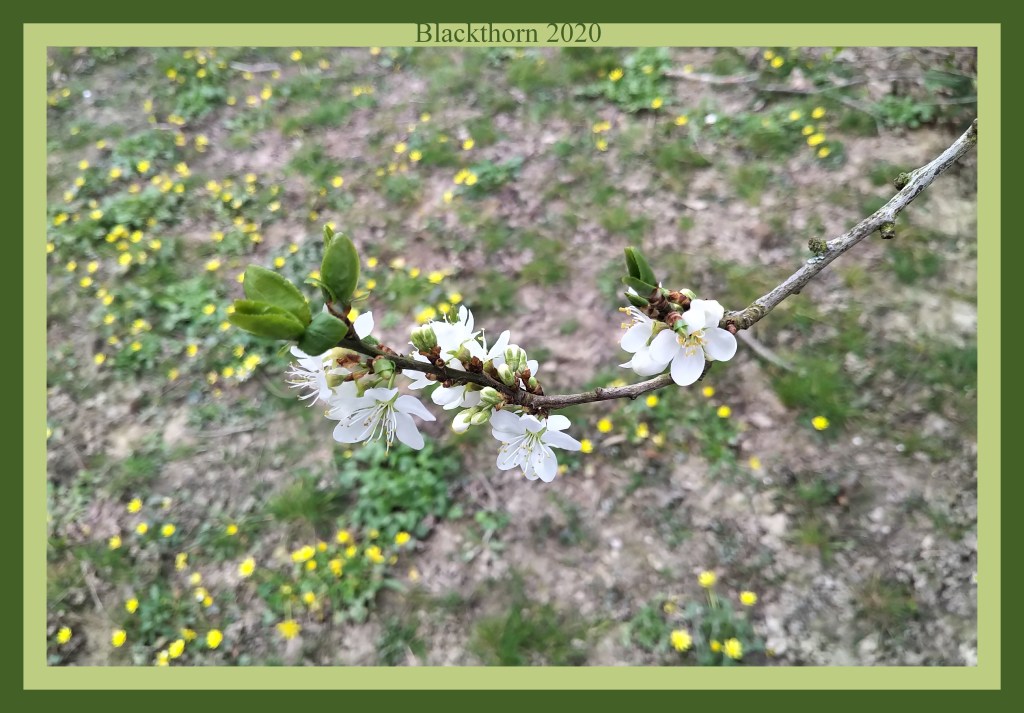
I was driving along the roads around her a couple of days ago and the blackthorn was in full bloom. It struck me that I’d not posted a British Wild Flowers post for ages.
So let me introduce The Blackthorn.
This tree is in flower right now. Large areas of white are visible in every hedgerow around here (East Sussex in the south east of the UK).
It is one of the earliest trees to bloom. I’m calling them trees because they can grow to four metres. Yes, that’s a smallish tree, but I think it’s bigger than a bush! However, because they are often found in hedges, they are trimmed and I’ve not seen a really tall one for ages.
They are one of the earliest bushes to bloom in spring, usually around March. As such, they are very useful for insects to find nectar and pollen at this early time. The leaves are also the food for a number of butterfly caterpillars.
As the dense stems are very thorny, they provide an excellent nesting site for birds, and the caterpillars and other insects that eat it become an easy meal for them.
They have been associated with witchcraft and it was said that witches wands were made from its wood. More prosaically, it was used to make walking sticks and it is said to burn well.
In the past it was used to make tonics. Bark, flowers and fruits were used for these.
It belongs to the genus, prunus (Prunus spinosa), and is thus related to the cherry, plum, peach, nectarine, apricot and almond. Like them, it has a fruit containing a stone, but unlike them, you wouldn’t want to munch on them.
The fruit is called a sloe. It is a small black fruit , but you wouldn’t want to eat it as it is because it’s very sour and bitter. However, when cooked, it is much more palatable. Sloes are often made into jam and sloe gin.
To make sloe gin, you need 500 ml gin, 250g of sloes and 250 g of sugar. and a 1 litre jar with a tight-fitting lid.
First prepare the sloes by cleaning them and pricking them all over with a fork. I believe that freezing them works, too. This is to break the skin so the juice can escape.
Add the sloes to the jar along with the sugar and gin. Shake it thoroughly. (Don’t forget to put the lid back on first!) Shake daily for the first couple of months, then weekly for about 3 months. Store it in a cool dark place.
The gin will have taken on a deep purple colour and the sugar will have removed the sour and bitterness from the sloes. When the time is over, decant the gin. You can filter it if you wish. Bottle it into clean dry bottles and store in a cool dry place. It continues to improve as it matures, and it’s best drunk after a year. (So prepare this year to drink next!)
Enjoy.
My mum made sloe gin from time to time, but her forte was damson gin. It was made in the same way, except she used damsons instead of sloes. I think that was even nicer!
Thanks to The Woodland Trust and Wikipedia for some of the details of this lovely plant.
There are some more unusual drink recipes in my recipe book, Viv’s Family Recipes, which you can get by clicking on the cover of the book in the sidebar. This book has some recipes dating as far back as 1909 and came from my grandma. Although not things we eat nowadays, long cooking and probably too much fat, it’s interesting to see what kind of things people used to eat.
Have you ever made sloe gin, or any other kind of unusual drinks? I would be interested to find out.
This is the poem for today from my poetry book, From January to June, One Poem a Day. In it there is one poem for every day of the year, including an extra for leap years.
This one is considering how quickly the years go by, especially later in life.
Tick tock. Time slips by, One tick at a time. The older we get, The faster it goes I’m wondering why.
Tock tick. Time flows on. It feels just last year I could run quickly, Pick up a hay bale Throw it to the sheep.
Tick tock. Time goes forth. It plods without care Of how bodies grow old But minds remain young Think still they can do.
If you enjoyed this poem, or even if you didn’t, I welcome your opinion. Please leave any comments in the comments box.
If you would like to read more of my poetry, click on the image of the poetry book in the sidebar. This will take you to where you can choose to buy from your favourite online platform.
I thought I’d tell you a little about how I set about writing my books and stories today, but first, for those non-writers amongst you I’d better make a few things clear. Writers ignore this as you already know it.
There are two–no, three–kinds of writers.
First are the plotters. They are the ones who write like you were taught at school, setting out to write an outline of their work before beginning. These people might write just a simple outline, but others go much farther and write a chapter by chapter outline. They search for the Inciting incident, decide where the first plot point is going to come, and all the other things we are told a good story needs. Then they refer to this as they write. It helps them to stay focused on the plot and not wander off.
Second are what are known as pantsers. These writers write ‘by the seat of their pants’. They don’t write a plan but simply start writing and see where the story goes. Sometimes they are called ‘discovery writers’.
The third type is a combination of the two, sometimes known as plantsers. These writers don’t have a massively detailed plan, but will often have a very general outline which they sort of follow.
I describe myself as a pantser. I haven’t the patience to write a detailed plan, although I often have something in my head. I often know the ending of a story before I start.
I do like to know my characters, though, so I will look at their background and what brought them to this point, even if it isn’t going to be in the story. People’s backgrounds affect how they behave, so this is important.
But in my Wolves of Vimar series, I have produced 4 prequels giving the background of some of the characters. There may be more to come in the future.
Once I have the characters and know them a bit, I begin to write. I allow things to happen as they occur to me. Sometimes it seems as if the characters are taking over. The first time this happened (in writing The Wolf Pack) I thought I must be going mad, because a character did something I wasn’t expecting. (No spoilers, so I won’t say what it was.) Then I discovered that other writers also have characters take over. They don’t always do as we want them to. One of my characters who first appeared in The Wolf Pack, a small dragon-like creature about the size of a cat, made no appearance in the second book, The Never-Dying Man, nor the third, Wolf Moon, but he demanded my attention, saying he must have a bigger role to play and he could be useful. So Muldee became a spy in Immortal’s Death and had quite a big and important role.
Stories often take a turn from what I originally envisaged. This is exciting. Sometimes it means I might have to change the ending. (Getting the right ending is difficult, so as to leave the reader feeling satisfied.)
There are times when I’m simply not inspired. A story is going nowhere and I spend hours trying to decide what to write. If I force myself to start, I frequently find that things happen and ideas flow that didn’t when I was just thinking about it. I suppose the characters are there and telling me what they want! :)) I have a couple of stories like that at the moment, but I have another project on the go, so they will have to wait.
But this method can take you down rabbit holes. This, of course, means more work in the editing process. It has to be sorted before anything else happens. Parts removed that are unnecessary and don’t add anything to the plot. Maybe characters need removing if they don’t do anything. But these can always be kept for another story.
I often run it through Grammarly or Hemmingway, a couple of grammar checkers. After I’ve done all I think I can do, I post it on a couple of on-line critique groups. These are invaluable and help me polish the manuscript as well as pointing out places where they got confused. Yes, I write confusing stuff sometimes.
Only then is it fit for human consumption, as it were. I don’t have beta readers, unfortunately. I’ve been unable to find any reliable ones, so it has to stand after this.
I hope to soon be back to my third historical novel set in the aftermath of the Battle of Hastings.
Thank you for reading.
If you have any comments, please add them to the comments box, and if you want to buy any of my books, you can click on the cover on the sidebar to take you to the online store of your choice.
This might only apply to people in the UK as pronunciation in the US for some words is different.
I’ve noticed in the last few years that pronunciation is not what it was.
Here are a few things I’ve noticed changing:
The word ‘ to’ is no longer pronounced as if it has an o after the t. In almost every case it’s now pronounced ‘te’. “I’m going te town.”
The combination of the letters, ‘th’ is rarely pronounced properly, but is pronounced as though it’s ‘v’ or ‘f’. “Are you coming wiv me?” This pronunciation was once only heard in less educated Londoners, but it’s spread throughout the country, and even university graduates pronounce ‘th’ in this way.
Recognise comes from the Latin ‘recognoscere’ It has a ‘g’ in the middle. It’s not a silent ‘g’. Or at least it shouldn’t be. People more often than not pronounce it ‘recernise’.
Another word that suffers from a silent letter which it shouldn’t is February, which is now pronounced Feb-yoo-ary instead of Feb-roo-ary.
Sky’s political reporter, whom I won’t name, drops the ‘g’ off every word that ends in that letter. She’ll say, “In a few moments, the Prime Minister will be comin’ through the door of Number 10 Downin’ Street and givin’ a speech about….”
I find these things irritating, but particularly the last one. The occasional mistake I can accept, but it’s not a mistake when it’s done every time.
Have you noticed any changes in the way people pronounce words? What is your feeling about it?
I’ve had a wonderful review of Vengeance of a Slave from Robbie Cheadle. Thank you Robbie.
You can read it on her blog. Click the button to read it.
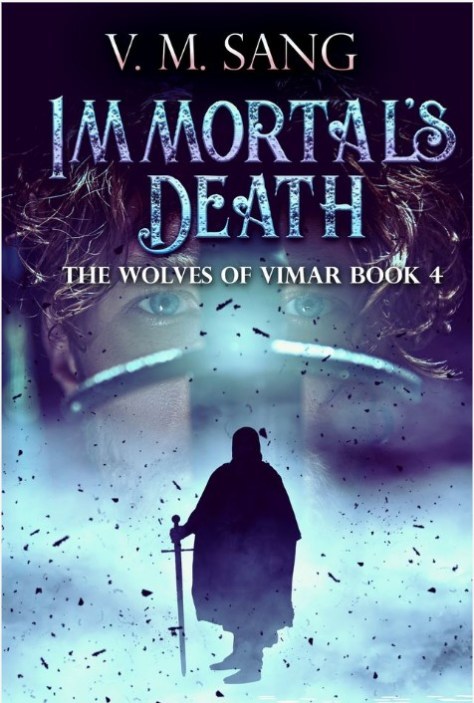
A royal wedding. A missing duke. An empire on the brink of war.
Carthinal and his companions gather to celebrate Princess Randa’s wedding to Prince Almoro—until news arrives that Duke Larrin of Sendolina and his wife are missing, and their lands have fallen to enemy forces. With tension rising between Grosmer and Erian, the king dispatches a dragonet to uncover the truth.
As the Wolf mercenaries set out on a dangerous rescue mission, they are blown off course and forced into battles on land and sea. Meanwhile, rebellion brews in Hambara, and young Thadora—noble by blood but raised in the shadows—must uncover Erian’s next move.
Soon, loyalties will be tested, lives lost, and Carthinal will have to face a betrayal from someone he trusted the most.
A richly detailed epic fantasy adventure, IMMORTAL’S DEATH is the fourth book in the Wolves of Vimar series by V.M. Sang.
The first 3 books are available as a Collection. It says ‘The Complete Series’, but that was before Book 4 was published.
All three books in V.M. Sang’s ‘The Wolves Of Vimar’ series of fantasy novels, now available in one volume!
The Wolf Pack: Carthinal is ready for his rite of passage to become a mage. What he doesn’t expect is ending up on a quest to find the long-lost sword of the legendary King Sauvern. Followed by Randa, the daughter of the Duke of Hambara, and the young thief Thad, Carthinal will need all the help he can get in order to complete his quest.
The Never-Dying Man: After straying into Erian, Carthinal and his friends find preparations for war. Carthinal will need to face unpleasant truths about himself; Is his desire to further his magical career more important than his friends, and his country?
Wolf Moon: An invasion is planned to Grosmer. As the heroes make their escape, they accidentally stumble upon an old Dwarven city. Facing enemies on all sides, the five must find where their loyalties lie, But can they save their homeland from certain destruction?
Although it is better to read the whole series, I believe that each book can be read on its own. There are some things that hang over, as it’s a series, but most things are settled in each book. There is an overarching quest of finding and killing the Never-Dying Man to save the land of Grosmer.
If you choose to read any or all of the books, I would be more than grateful for an honest review, and if you would like a free review copy of Immortal’s Death (or any of the other books), please let me know in the comments.
There is no obligation to review, but I would be greatly appreciative.
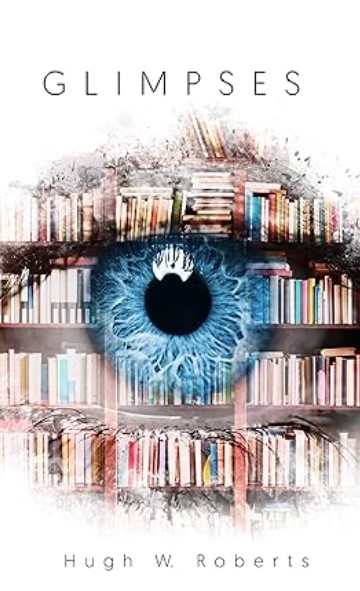
After publishing some of his short stories on his blog, Hugh W. Roberts, who is dyslexic, received numerous requests to publish his short stories in a book.
Here, at last, are 28 short stories that will take your mind on a roller coaster of a ride into worlds that conceal unexpected twists and turns.
‘Glimpses’ allows the reader a peek into the lives of everyday people who are about to have life lead them on an unpredicted path. From a mysterious deadly iPad app to a hole in the fence that is not all it seems, to a strange lipstick that appears to have a life of its own, you will encounter terror, laughter, sadness, shock and many other emotions on journeys which promise a thrilling and gripping climax.
If you are a lover of shows such as ‘The Twilight Zone’ and ‘Tales Of The Unexpected’, then you are in for a real treat with this first collection of short stories from Hugh.
Dare you take a glimpse into the lives of these unsuspecting characters?
As this is a book of short stories, my usual format for reviews won’t work.
I thoroughly enjoyed reading these stories. There were stories of different lengths, so you could choose a short one if you haven’t much time, or a longer one if you wanted to settle down and relax.
I began at the first story and worked my way through.
Every story has an interesting twist, which, for me, made it very interesting and exciting trying to decide what the twist would be.
Some of these stories will horrify you, some will sadden you, yet others will make you smile, but they will all surprise you.
The book is well written and I didn’t notice any typos of grammatical errors.
If you are a fan of such TV programmes as The Twilight Zone or Tales of the Unexpected, then this is the book for you.
I give it 5*
My ranking of books.
In order to get a particular number of stars, it is not necessary to meet all the criteria. This is a guide only.
5* Exceptional. Wonderful story. Setting well drawn, and characters believable–not perfect, but with flaws. Will keep you up all night. No typos or grammatical errors.
4* A thoroughly enjoyable read. Great and original story. Believable setting and characters. Very few grammatical errors or typos.
3* I enjoyed it. Good story. Characters need some development. Some typos or grammatical errors.
2* Not for me. Story not very strong. Unbelievable and flat characters. Setting not clearly defined. Many typos or grammatical errors.
1* I hated it. Story almost non-existent. Setting poor. Possibly couldn’t finish it.
And another review from Amazon
“If you are looking for a thoroughly entertaining read, Glimpses is the book for you. Each story, cleverly crafted through Hugh’s wonderful imagination, will whisk you away to many different worlds, past, present and future. Every story makes a compelling read and just when you think you know what’s going to happen next, Hugh masterfully reveals a brilliant twist. With bite-size and longer stories, Glimpses is a must-read. I loved it.” – Esther Chilton, Writer, and Author.
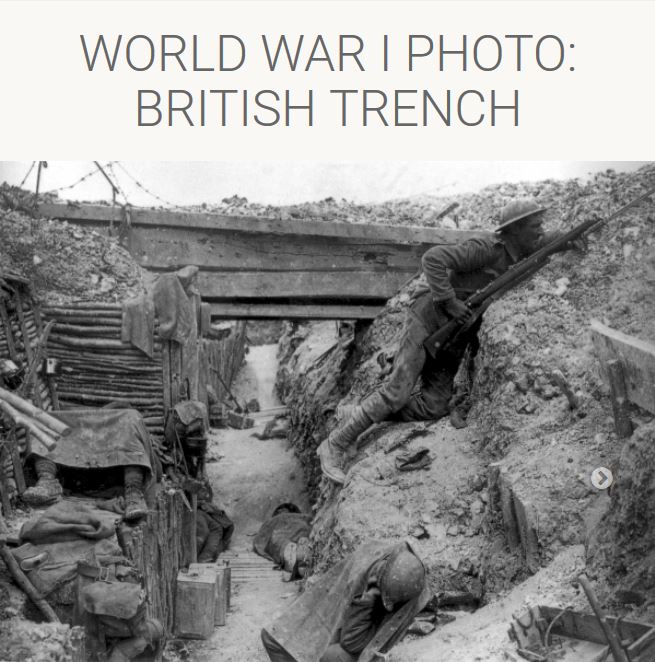
Today is Armistice Day, the day when peace came to the world after WW1. It was said to be the 11th hour of the 11th day of the 11th month. For convenience, I suspect, it seems to have been moved to the nearest Sunday,
As I’m having to spend a lot of time trying to get through checking the edited manuscript of my latest WIP, I’m unashamedly reposting the one I posted for 100years since the end of that dreadful war.
WE WILL REMEMBER THEM.
I’ll never truly understand How World War 1 began. The death of Archduke Ferdinand Started the deaths of many more, The young, the old, the rich, the poor. All died with guns in hand.
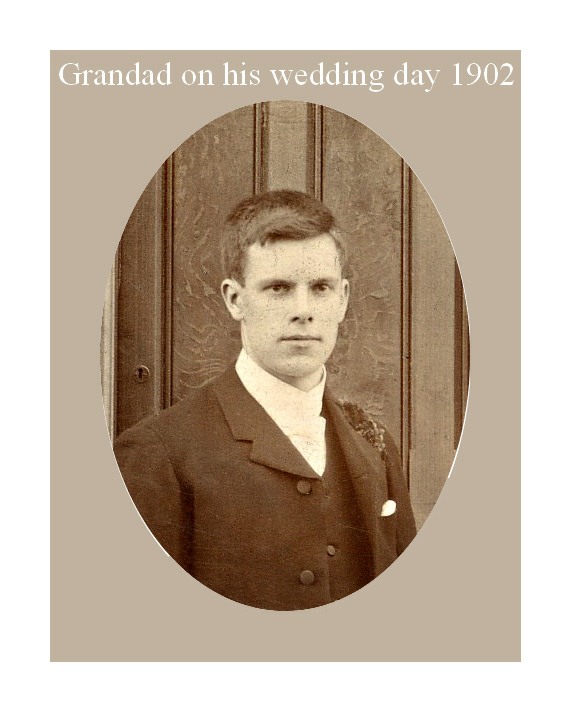
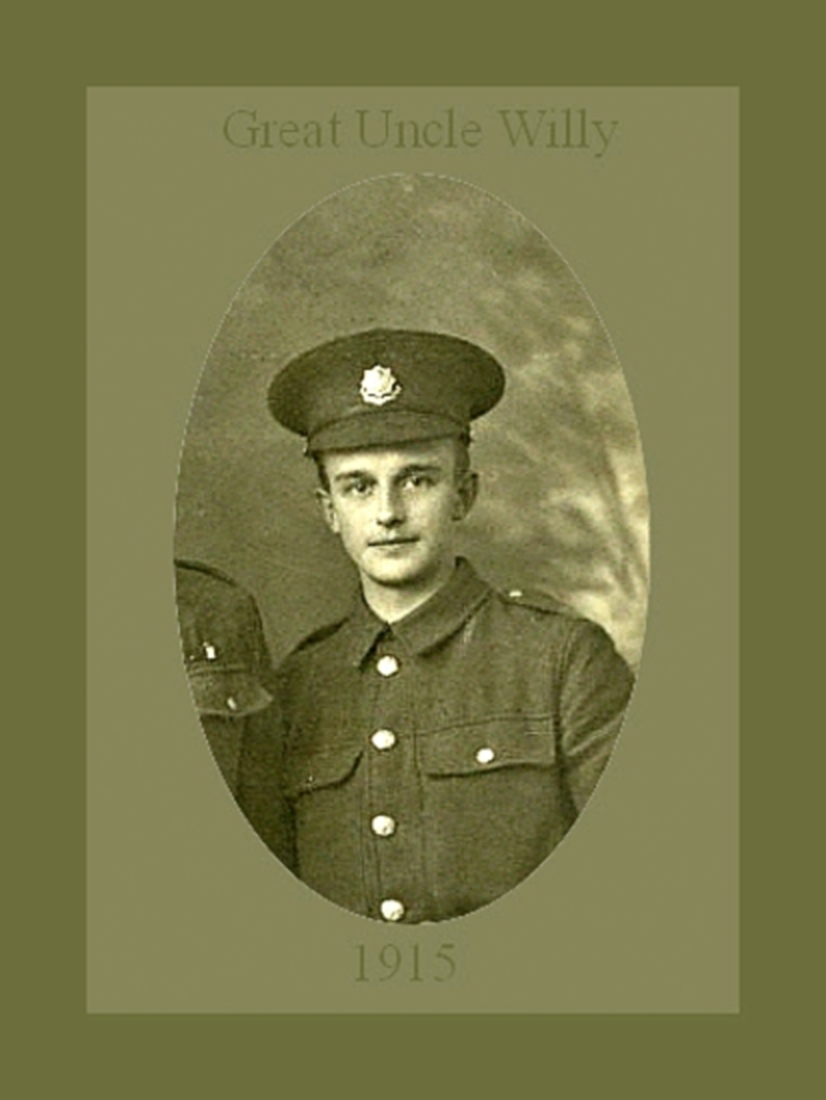
My Grandad went with Uncle Jim And Our Poor Willie, too. They sent them off, singing a hymn. Grandad went to Gallipoli, Uncle Jim left his love, Polly. Gas in trenches did kill him.
I cannot see, in my mind’s eye Grandad with gun in hand. A peaceful man, sent out to die. He fought for us, for you and me So we can live and so that we Safely in our beds may lie.
Grandad came home, and Willie too, But millions more did not. Their duty they all had to do. They died in fear, in noise, in blood. Everything was caked in mud. Yet in those fields the poppies grew.
The War to end all wars, they said, So terrible were the deaths. The youth of Europe all lay dead. Yet 21 short years to come Another war. Once more a gun In young men’s hands brought death.
One hundred years have passed since then. What have we learned? Not much! Too many men are killing men. Wars still abound around the world. Bombs and missiles still are hurled At those who disagree with them.
My Grandma always referred to her brother as ‘Our Poor Willy’. No one knows why she called him that, though.
Please leave a comment. I love to hear from you and of your thoughts.
This poem, and others, can be found in Miscellaneous Thoughts. You can buy it by clicking on the cover in the sidebar where you will be taken to the online store of your choice.
I would normally have written about it myself, but I’ve received the edited manuscript of Immortal’s Death and need to go through it. I’m consequently a bit short of time.
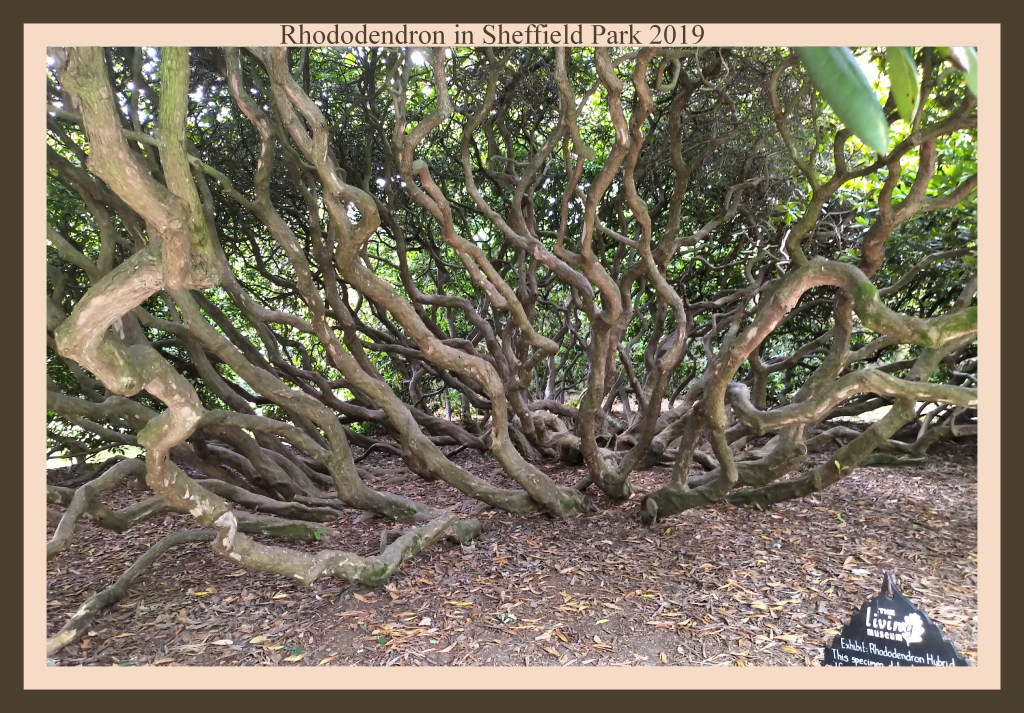
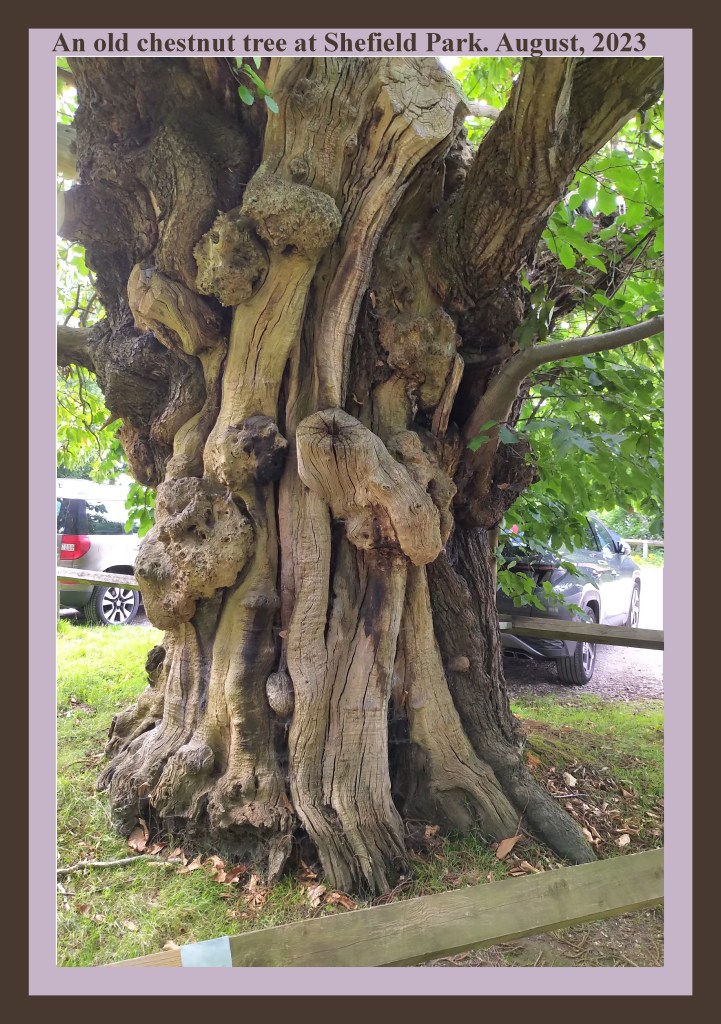
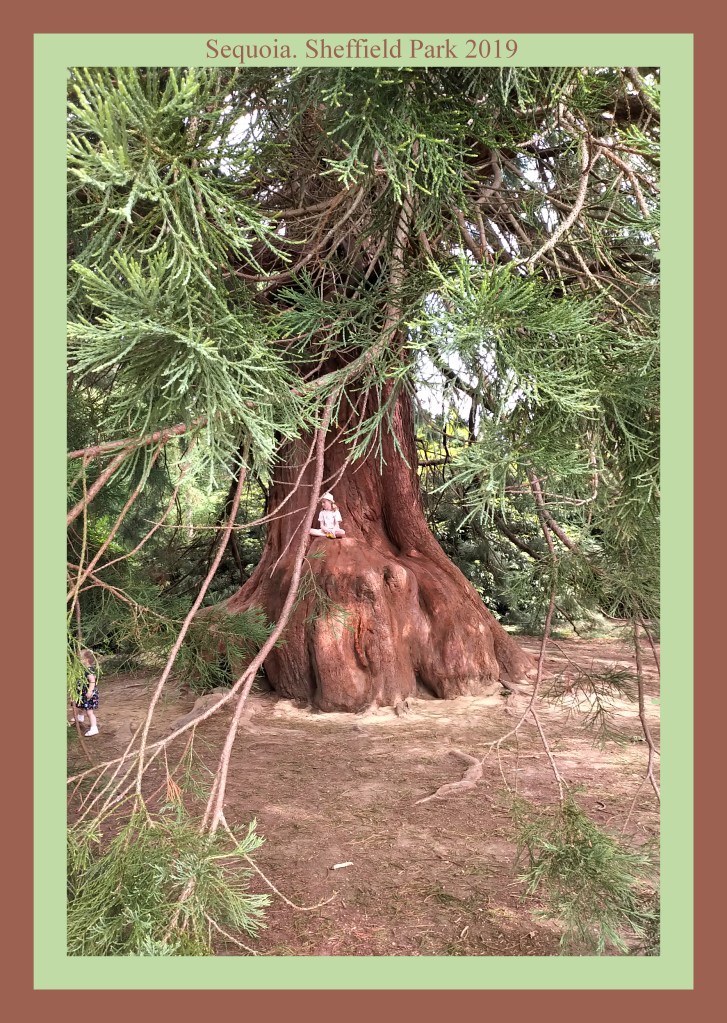
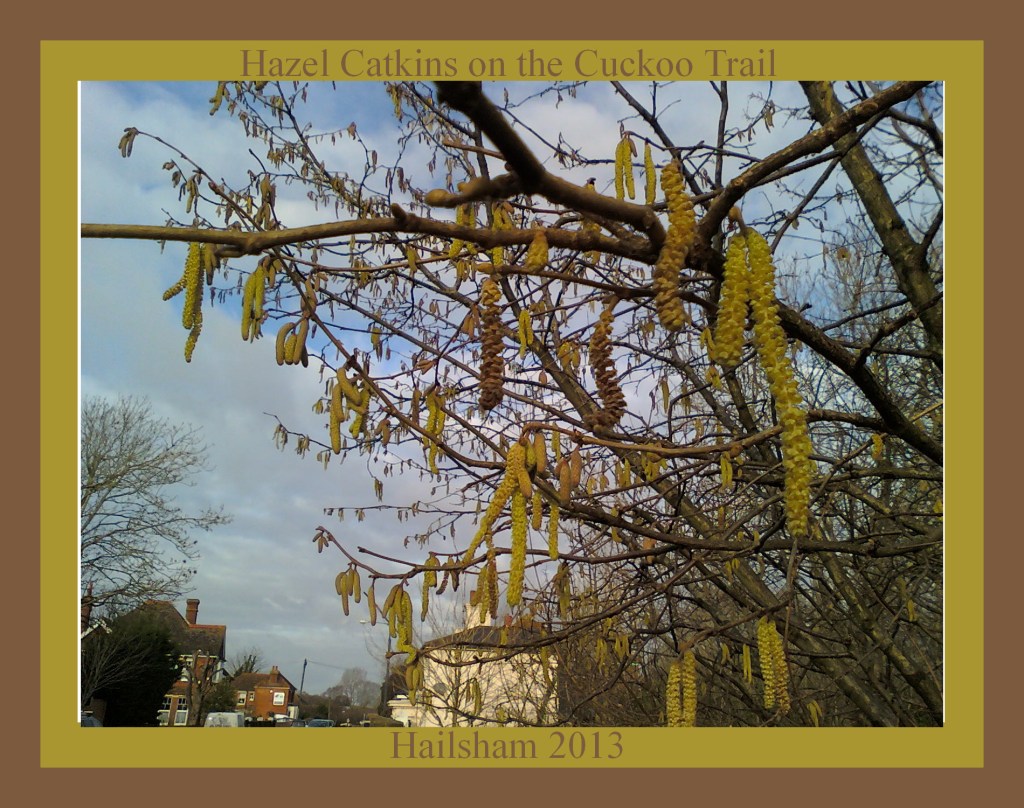
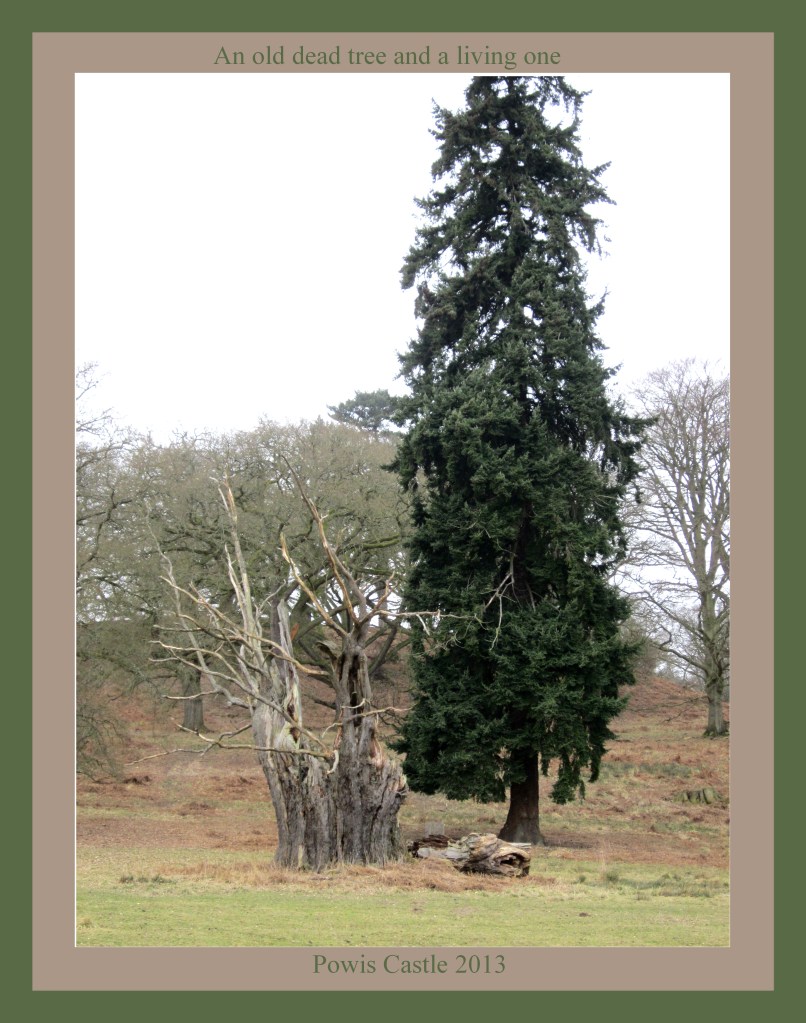
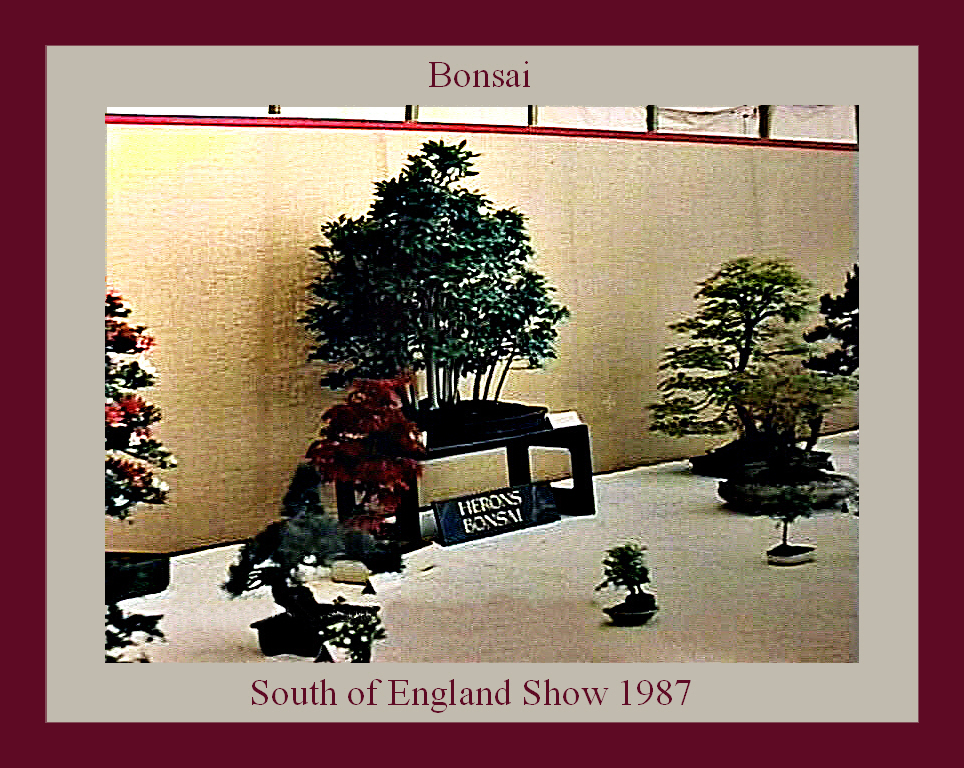
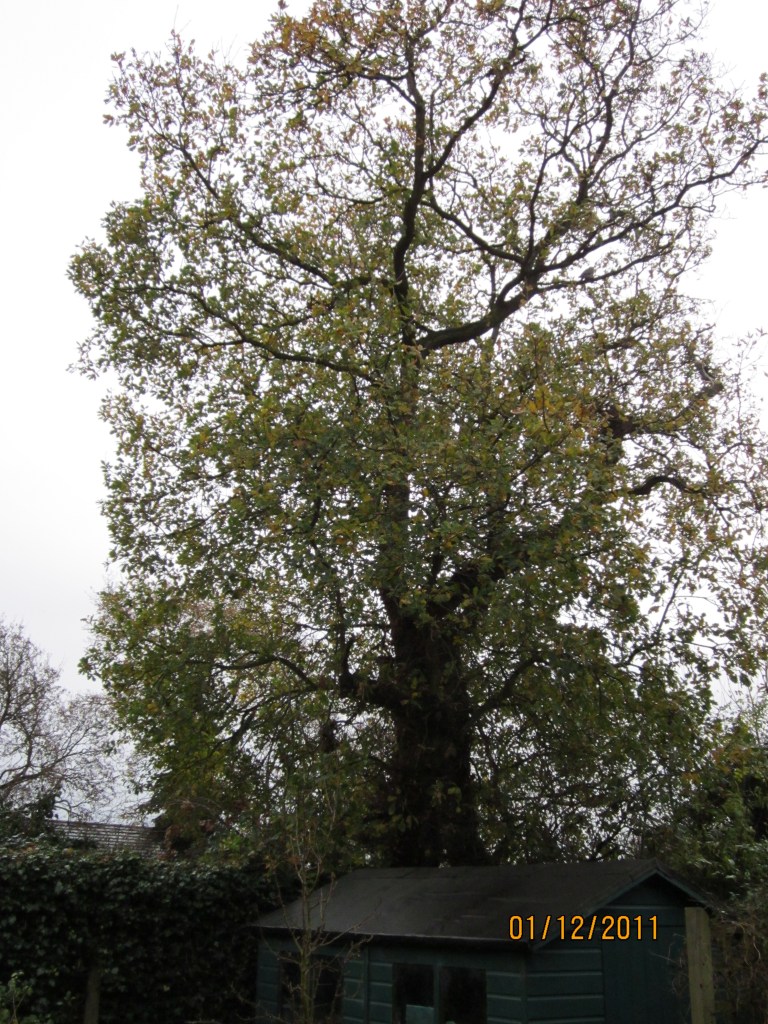
I was looking through some of my photographs the other day and came across several of lovely trees. I thought I’d share them.
I love trees, and they are so important, not only for helping with removing carbon dioxide from the atmosphere and turning it to oxygen, but also to preserve other wildlife.
During the writing of The Wolf Pack, I decided to eliminate a chapter where Carthinal took the practical test to end his apprenticeship and enter the world of full mages. This is part of that chapter.
I’ll post more of it eventually. Probably next week.
Please don’t judge it too harshly. It was my first ever attempt at writing a novel!
PRACTICAL
This was it.
The final and most important part of the test was to begin a little later than the others, at the fourth hour.
There were still six of them as all had learned of their success in the previous afternoon’s test, Carthinal and Ebrassaria gaining distinctions. (The elf had looked rather piqued to find that a mere half-elf seemed to be matching her efforts in the written tests.)
This time, instead of going upstairs to the room where they had done their written tests, they were escorted down many flights of stairs to a room well below ground level.
Their guide left them in a circular room devoid of furniture, but which boasted seven doors in the walls, including the one through which they had entered.
Six mages entered from the other doors and introduced themselves to the candidates. There was to be one mage to watch each candidate.
Carthinal’s examiner was an elven mage who introduced herself as Yssalithissandra. (Yssa for short she told him in a whisper, giving him a wink.) One of the examining mages gave them their instructions.
“You will each enter a different door, and have six hours to find the door to return to this room. There will be a number of problems and dangers for you to overcome. When you return, you’ll be assessed on the efficacy of your use of magic and how well you conserved your strength. We will also assess the way you solved any problems you will meet on the way.” He paused to wipe his glasses. You are allowed to take one scroll and one weapon with you, but no magical items.” He looked around the six candidates. “There is a real danger of death in the test before you. If any of you wish to pull out, now is the time.”
Carthinal looked around. No one moved, although Olipeca looked rather pale, and Grimmaldo looked decidedly green. No. No one was going to pull out.
They selected their weapon and scroll.
Carthinal chose to take his dagger, which he always had strapped to his wrist, and a True Seeing scroll, having decided it was quite possible that much of what was behind the door would be illusion. Even with that knowledge he knew that illusions could be deadly too.
They all moved forward as one.
As they reached the doors, Grimmaldo whispered, “Good Luck” to Carthinal. He did not have his usual cheery grin, and he looked decidedly nervous.
Carthinal wondered if he looked as scared and if they would all return through those doors.
The door closed and he was alone in the pitch darkness. He could see nothing at all with normal vision, so he looked around for any heat sources that may denote a living being. Towards the end of the corridor, he could see a vaguely humanoid-shaped red glow.
“Is this enemy number one? I’d better creep closer and see.”
As he came nearer, he could make out a distinctly hobgoblin smell.
“OK, I can deal with this without my spells.”
He released his dagger from the harness holding it on his forearm, and in the same movement threw it unerringly towards the creature’s throat. He was rewarded with a gurgle and saw the reddish shape slump to the floor, the redness fading as the body cooled in death. Carthinal quickly retrieved his dagger while he could still see it.
Now there was only blackness. No sign of any further enemies, but a few paces away from where the body of the hobgoblin lay, the corridor finished in a blank wall.
“What now?” he muttered aloud. “There must be a secret door somewhere. I’ve got six hours to complete this test, so there’s no rush. At least not yet.” He leaned against the wall to think, and as he moved his feet, he heard a scrunching beneath them and realised there were rushes on the ground.
“Torches! Yes!” Cardinal knelt and gathered a bunch of rushes. They were dry, so he set about making a torch. He knew if he set light to them as they were, they would burn far too quickly, so he plaited the ends where he would grip them, and left the tops free. He made a number of these rush torches, taking the time to do so, since he had no idea if he would find any more farther into the labyrinth, or so he surmised it to be.
After he had what he considered a sufficient number, he lit the first torch using the cantrip he had used to light the fires on his journey with Asphodel and Basalt.
It took a few seconds to light, and he thought it was not going to work, but there was a sudden splutter and the makeshift rush torch burst into flame.
The end of the corridor proved not to have any signs of secret doors. He searched twice to be sure, then slowly made his way back up the corridor towards the door through which he had entered. There was no sign of a door on the right hand side, nor, to his surprise, was there any sign of the door through which he had entered.
“Well that ensures we don’t go back,” he muttered as he searched the other wall of the corridor. “Ah! I knew there must be something somewhere!” He could see the very finest line in the stonework.
It was hardly visible, but his elven heritage had given him excellent vision. He wondered for a moment how non-elves would set about finding this door, but that was not his problem, so he put it aside. Mabryl had taught him to focus on the problem at hand and not worry about things he could do nothing about.
“That way lies death,” Mabryl’s voice whispered in his mind.
He also remembered similar instructions from his life in the gangs, before Mabryl had saved him.
It took only a couple of seconds for him to discover the mechanism that opened the door and then a portion of the wall swung inwards with a grinding sound.
“Kassilla’s tits!” he swore. “If anything’s in there, it would have heard that a mile away.” Ensuring there were no rushes to set on fire on the floor of this new corridor, Carthinal stubbed his torch out. He stood in the dark, searching the corridor for signs of life.
No red glowing figures were visible, nor did he hear any sounds. Wait! Was that a shuffling? No … Yes! There was something out there. He could see no heat sources.
Then he realised with a sinking feeling. One of his biggest dreads! Undead!
Well, they knew he was here, and he must be able to see them if he were to fight them, so he re-lit his torch. Sure enough, shuffling slowly along the corridor was a zombie. Carthinal’s mind worked quickly. He needed something more than his dagger here as it was unlikely that a single throw would stop the zombie. Zombies fought with their bare hands, hitting and clawing at their victims, but could do a tremendous amount of damage, especially to an unarmoured mage. He therefore could not risk getting into close combat with it.
A spell then, that was the answer.
Trying any mind influencing spell was no use as undead were generally immune to such spells, not having a mind to affect, so it was no use trying to put it to sleep. He decided to use small bolts of energy.
He quickly took the mana into himself and wove the pattern to absorb energy from the surroundings and transfer it into darts of pure energy.
Two silvery darts shot from his fingertips to bury themselves unerringly in the zombie’s chest.
It staggered and fell to the ground, twitched a few times and then was still.
“I hope there are no more of them! I hate undead, they give me the creeps.”
Carthinal was unsure why he was talking aloud. “Maybe for reassurance. After all, I could actually die in here.”
He quickly quashed the unpleasant thought, but like everything one tries not to think about, the idea kept returning. To try to stop it, he began to talk to himself again.
“I think I’ve been in here now for about an hour and a half. Time to find the door, time to make the rush lights, and two enemies to dispatch. Still plenty of time, but then, I don’t know, do I? I’ve no idea how far I have to go, or what I must face. I’d better move on.”
The corridor curved to the left, meaning Carthinal could not see very far in front of him. It was worse than a sudden corner, as there he could have stopped and looked carefully round, so he walked slowly and quietly along, his back to the wall, and paused every few yards to listen.
His progress was snail-like, but he was as sure as he could be that he was not running into danger unprepared.
The long curving corridor eventually ended with no further traps or enemies to be overcome, and then forked into two ahead of him.
“Now which way?”
He decided to toss a coin as no other ideas came to him. Heads, left, tails right. It came down heads, so he took the lefthand branch.
There was no sign of an enemy, but he moved with care.
The first book in the Wolves of Vimar series opens with the burial of a king and his magical sword, and the sacrifice of twelve warriors whose spirits will protect his body from harm until the eight “wolves” come. This prophecy results, many years later, in a quest, as eight characters are sent by a duke to bring back the sword.
The book is divided into thirds. Part I takes its time introducing the characters who represent a variety of races including humans, elves, dwarves, and their half-elf leader, Carthinal. The group includes the duke’s entitled daughter Randa, a married horselord couple, and a young thief with a thick accent. The backstory for most of the characters comes through multiple points of view with some omnipresent narration.
Part II of the story begins the journey. The author’s attention to world-building is evident as the “wolf pack” wends their way across the land. Part III covers the journey home. The pace is moderate throughout with tangents for fun, humor, and a bit of romance. Much of the book’s journeying reminded me of a Dungeons and Dragons quest, with a variety of creatures offering challenges along the way including Yetis, dragons, bandits, hobgoblins, and other fantasy monsters.
The characters are distinct but for me, the book was more of a plot-driven read than an emotionally-deep character-driven one. Most of the characters don’t have significant arcs apart from Randa, the entitled duke’s daughter, and for that reason, I found her the most interesting. Though the first book in the series, it also stands alone well. Recommended to YA readers of high-fantasy quests who enjoy a leisurely pace, plot-driven stories, and encounters with otherworldly creatures and monsters.
Ifyou would like to read The Wolf Pack, you can get it by clicking here, or on the book cover in the sidebar.
This link will take you to a page where you can buy the book from your favourite online store.
It is available in ebook, paper back, hardback and audio.
Did you enjoy this excerpt? Please leave your comment in the comments box.
This was supposed to be scheduled for Tuesday, but WP didn’t give me the usual option, but posted it right away! I cant find a way to unpublish it, either. So this is my Tuesday’s post early!









 Dragons Rule OK. V.M.Sang (author)